
Welcome to Modern Agriculture!

 Shutterstock
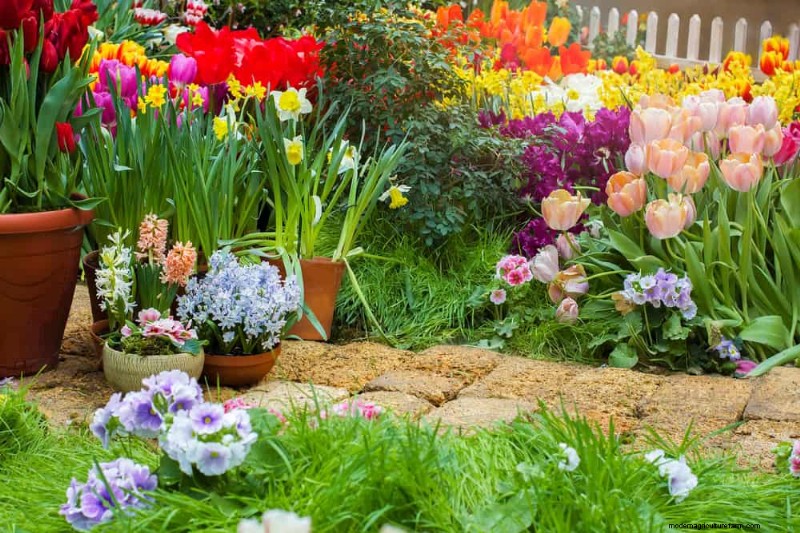
Spring brings a fresh burst of life to your garden, and there’s no better way to embrace it than by choosing the right flower pairings. These combinations of vibrant, fragrant spring bloomers will add color, texture, and scent to your garden. Whether you’re after an elegant look or a playful pop of color, these 15 pairings will ensure your garden is a stunning display this season. Let’s explore these perfect pairings to make your spring garden unforgettable!
 Shutterstock
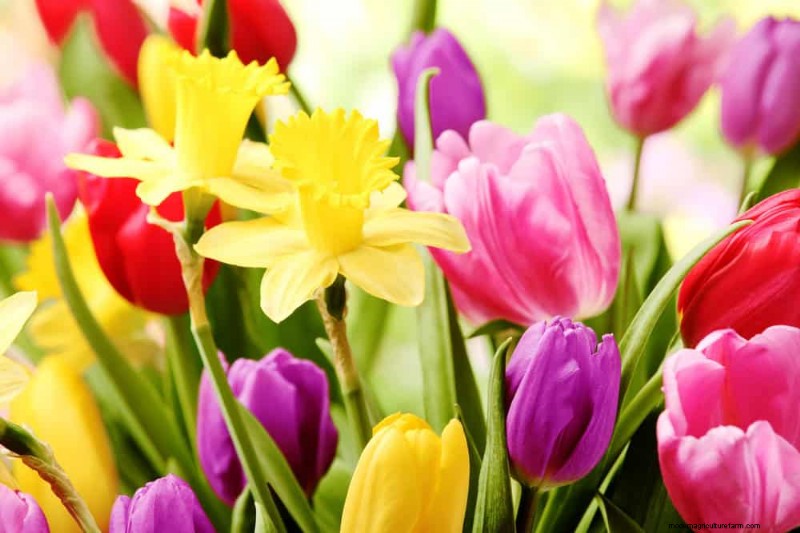
Tulips and daffodils are a classic spring pairing, providing a burst of color early in the season. Daffodils bring cheerful, trumpet-like blooms, while tulips offer sleek, elegant petals in bold hues. Both flowers bloom in early spring, signaling the arrival of the season. They thrive in full sun and well-drained soil, making them easy to care for. Together, they create a colorful and lively garden display.
 Shutterstock
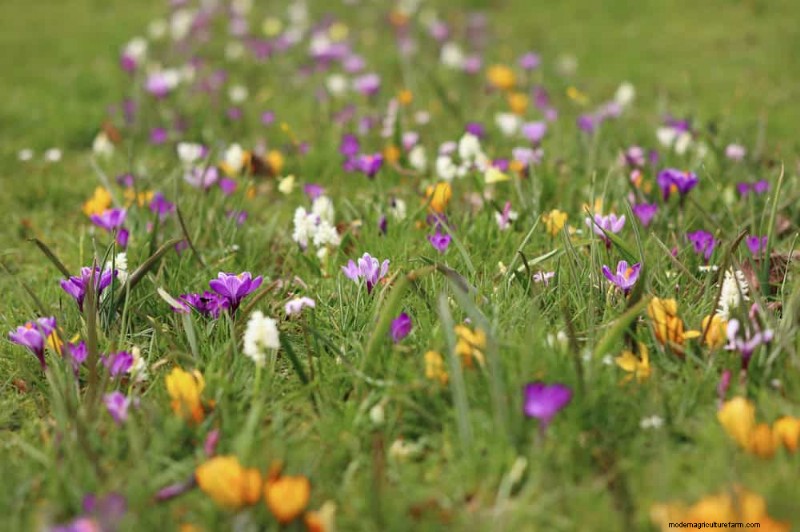
Hyacinths and crocus create a fragrant, colorful duo that brightens up your spring garden. Hyacinths’ dense clusters of vibrant flowers contrast beautifully with crocus’s delicate, cup-shaped blooms. Both flowers bloom early in spring, filling your garden with both fragrance and color. They thrive in full sun and well-drained slightly acidic soil. This combination offers a wonderful burst of spring freshness.
We'll email it to you so you can read it later!
By saving, you agree to receive occasional emails. Unsubscribe anytime.
 Shutterstock
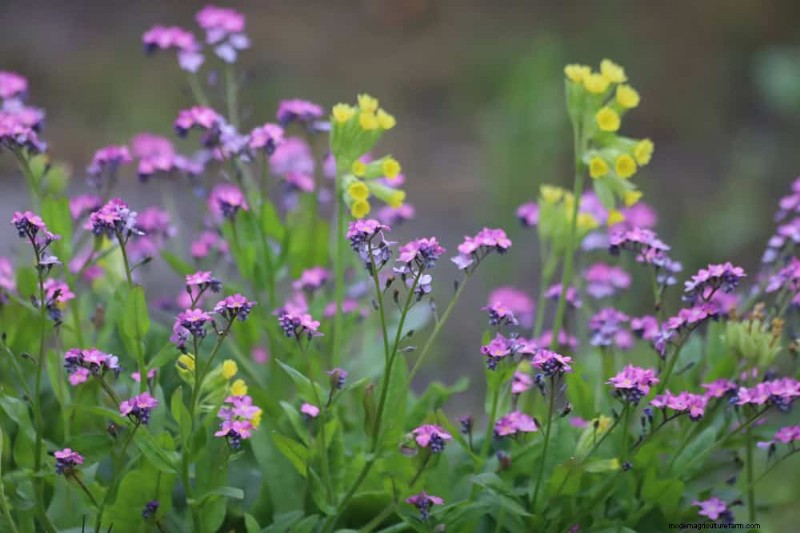
Primroses and forget-me-nots are a perfect pairing for creating a colorful carpet in your garden. Primroses add vibrant blooms, while forget-me-nots provide small, delicate blue flowers that complete the look. These flowers bloom early in the season and are perfect for adding color to shaded areas. They thrive in partial shade and moist, well-drained soil. Together, they create a cheerful ground cover that brings life to your garden.
 Shutterstock
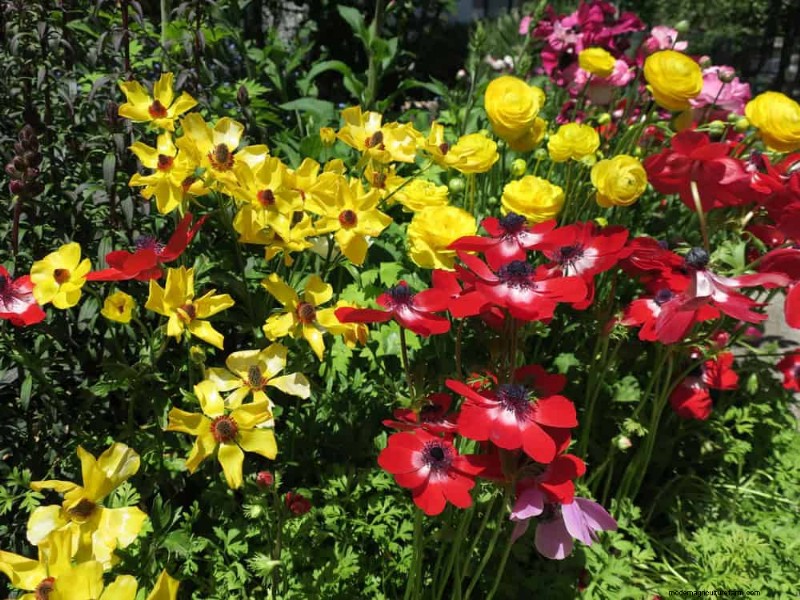
Anemones and ranunculus are ideal for creating a soft, layered effect with contrasting yet complementary blooms. Anemones feature simple, poppy-like flowers, while ranunculus offers a fuller, rose-like form. Both bloom early to mid-spring and come in a range of colors. They thrive in well-drained soil and full sun, creating an elegant and romantic garden display. This pairing adds both softness and richness to your garden.
 Shutterstock
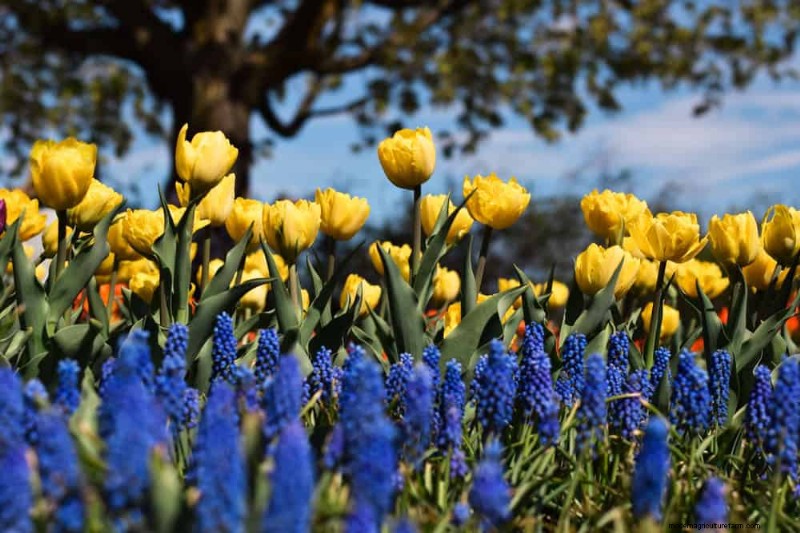
Tulips and muscari (grape hyacinths) contrast dynamically in your spring garden. Tulips provide large, showy blooms, while muscari adds a compact, fragrant cluster of small flowers. Both bloom in early spring, making them a perfect match for creating a layered, colorful look. They thrive in full sun and well-drained soil, requiring minimal care. This combination will brighten your garden and add texture to the landscape.
 Shutterstock
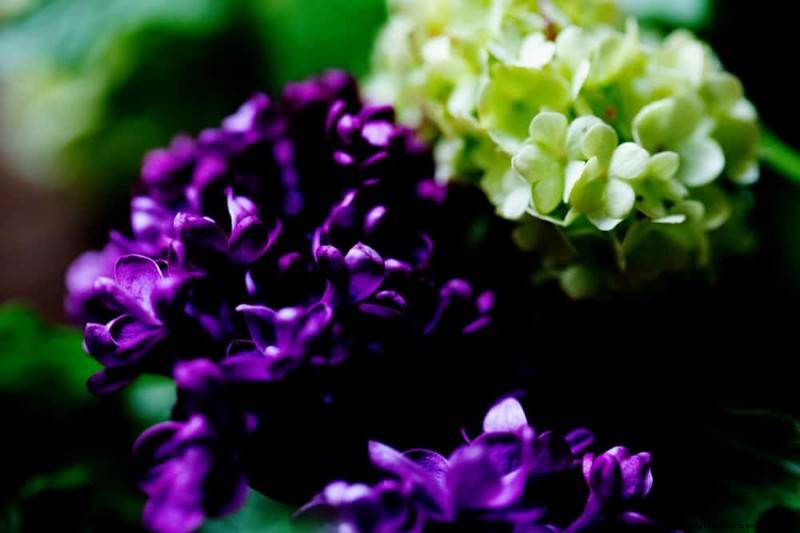
Lilacs bring a sweet, fragrant touch to your garden, paired perfectly with the lush blooms of viburnum. Lilacs offer rounded, colorful blooms, while viburnum adds clusters of flowers that complement their shape. Together, they create a harmonious blend of scent and color. Lilacs bloom in mid-spring, while viburnum provides an extended season of interest. This combination is perfect for sunny areas with well-drained soil.
 Shutterstock
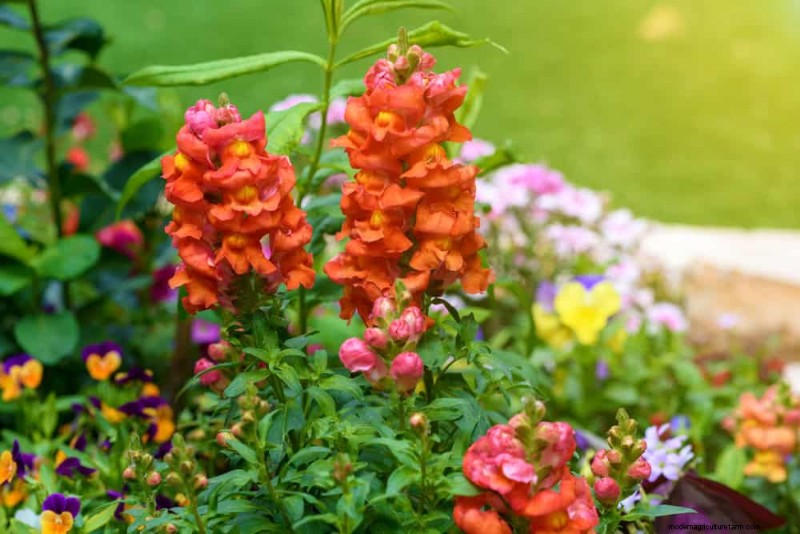
Pansies and snapdragons make a vibrant, playful pairing for your spring garden. Pansies bring wide, expressive petals in a range of bold colors, while snapdragons provide tall, spiky flowers that complement their shape. These flowers thrive in full sun and cooler spring temperatures. Both are easy to grow and come in various colors, making them perfect for containers or garden beds. This combination adds fun and cheer to any garden.
 Shutterstock
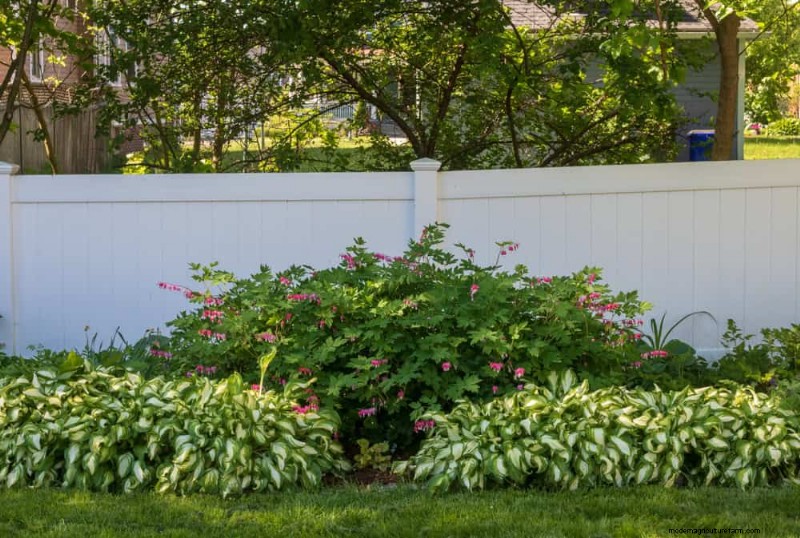
Bleeding hearts and hostas are perfect for shaded gardens, providing a romantic and tranquil atmosphere. Bleeding hearts have delicate, heart-shaped blooms contrasting beautifully with hostas’ broad, lush foliage. Both thrive in partial to full shade and moist, well-drained soil. Their combination of soft, arching flowers and bold green leaves creates a serene and peaceful vibe. This duo adds texture and elegance to your garden’s shaded areas.
 Shutterstock
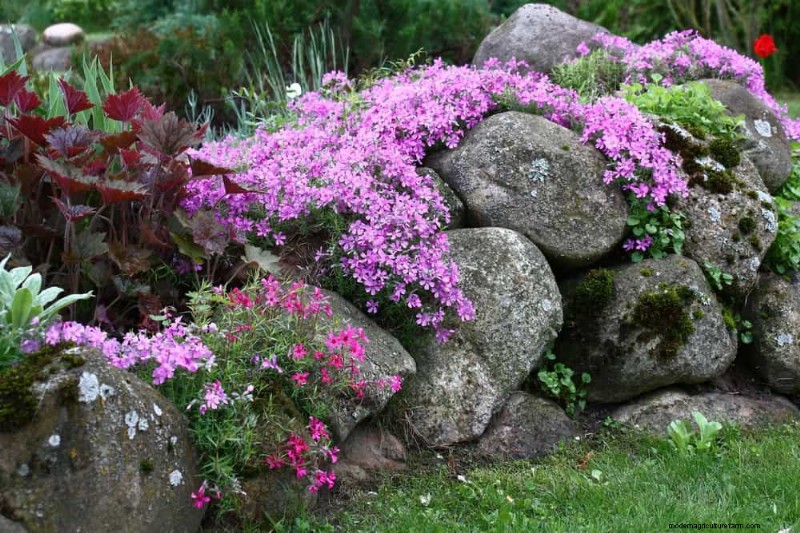
Campanulas and phlox offer a delightful contrast in form and texture, making them a great spring pairing. Campanulas, with their bell-shaped flowers, contrast beautifully with phlox’s star-shaped blooms. Both flowers come in vibrant shades of purple, blue, pink, and white. They thrive in full sun and well-drained soil, making them ideal for sunny garden spots. This duo will bring color, texture, and interest to your garden beds.
 Shutterstock
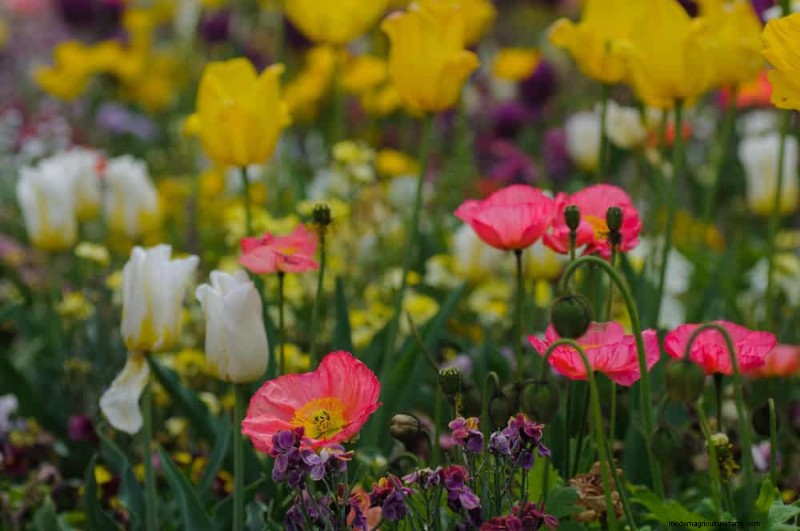
Poppies and tulips add vibrant, cheerful color to your spring garden. Poppies bring bold, delicate blooms in various colors, while tulips provide sleek, elegant petals in striking hues. Both flowers thrive in full sun, making them ideal for bright spots in the garden. Poppies attract pollinators, while tulips provide a sleek, sophisticated contrast. Together, they create a stunning and lively garden display full of color and charm.
 Shutterstock
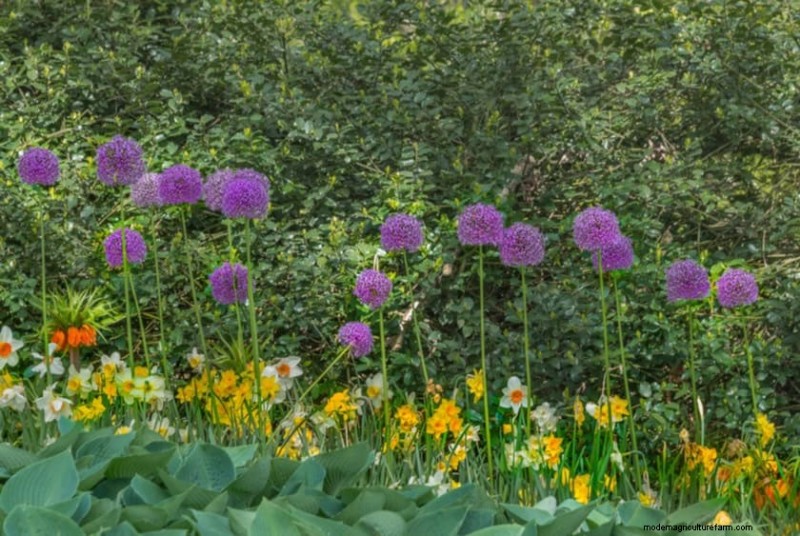
Alliums and daffodils are a powerful pairing that creates a statement in your spring garden. Alliums’ globe-shaped blooms rise above the daffodils’ trumpet-like flowers, creating a stunning visual effect. Both flowers bloom early in spring and thrive in full sun and well-drained soil. Their contrasting shapes—round and spiky—create a striking combination of form and color. Together, they make a bold, attention-grabbing display in your garden.
 Shutterstock
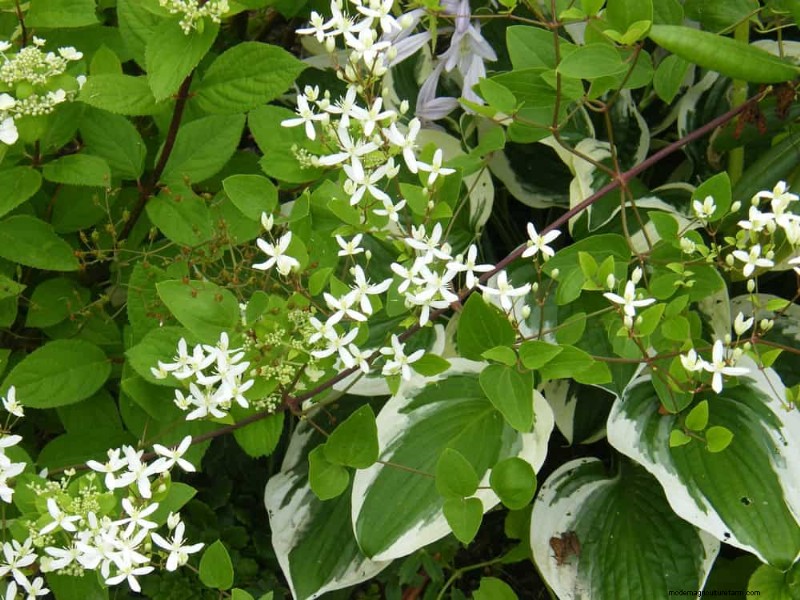
Clematis and hostas create an elegant and balanced pairing for your spring garden. Clematis brings vibrant, showy blooms in various colors, while hostas offer lush, green foliage that contrasts beautifully. Clematis thrive in full sun, while hostas prefer partial to full shade, making them a perfect duo for areas with varying light conditions. Clematis will climb and add vertical interest, while hostas provide a soft, ground-covering texture. They offer both visual appeal and balance, making them a fantastic combination for your garden.
 Shutterstock
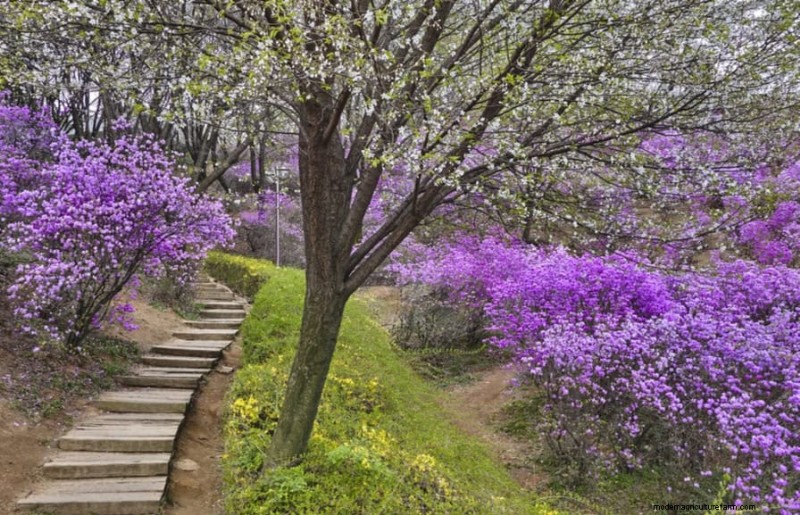
Cherry blossoms and azaleas create a graceful pairing that adds both softness and vibrancy to your spring garden. The delicate pink blooms of cherry blossoms contrast beautifully with the bold, bushy azalea flowers. Both bloom early in the season, filling your garden with color and beauty. They thrive in full sun to partial shade and well-drained soil. This combination will bring serenity and elegance to your garden, perfect for creating a peaceful springtime retreat.
 Shutterstock
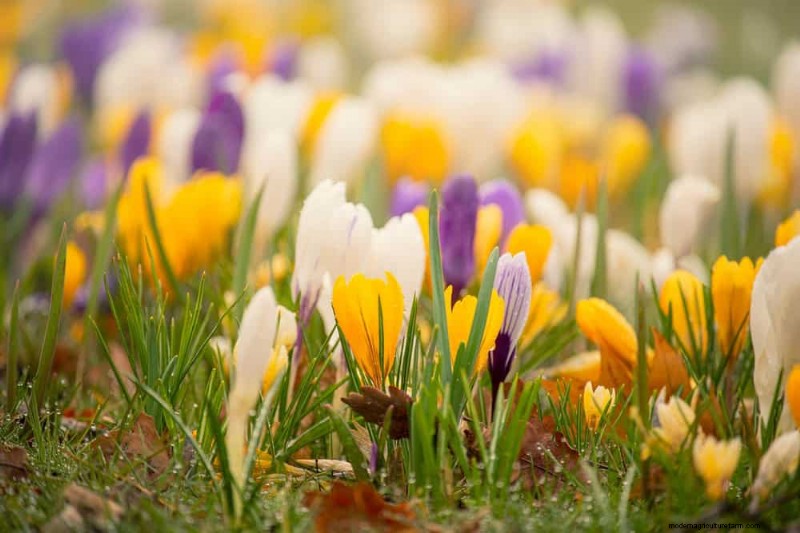
Primroses bring delicate, rounded blooms in various colors, while crocus adds small, cup-shaped flowers in vibrant hues. Both thrive in full sun to partial shade and well-drained soil, making them perfect for early spring gardens. Their contrasting forms—primroses with their dense, mound-like growth and crocus with their delicate, open blooms—create visual interest and texture. Primroses provide vibrant color, while crocus adds an early burst of spring. This pairing brightens garden beds and enhances the season’s lively atmosphere.
 Shutterstock
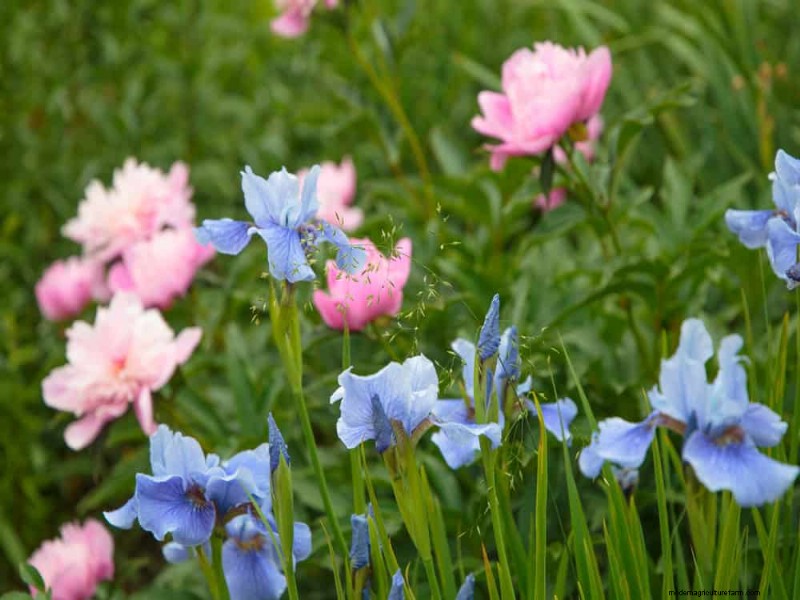
Peonies boast large, ruffled flowers, while irises offer striking, sword-like petals that contrast beautifully. Both thrive in full sun and well-drained soil, blooming together in late spring for a stunning display. Their combination adds texture, fragrance, and elegance to the garden. Peonies provide lush, full blooms, while irises introduce dramatic, vertical accents. Together, they create a garden showstopper with rich colors and visual harmony.
 Shutterstock
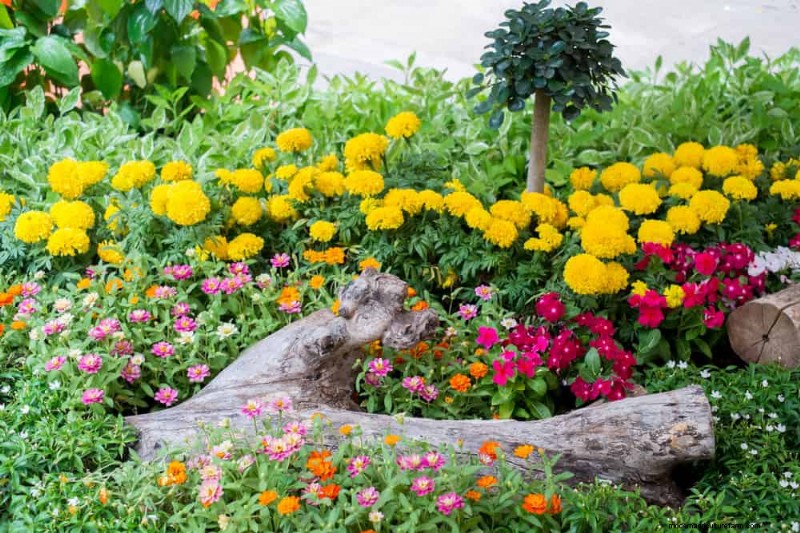
Pairing the right spring blooms can transform your garden into a breathtaking color, fragrance, and texture display. Whether you prefer bold contrasts, soft pastels, or a mix of heights and shapes, these combinations will bring harmony and beauty to your outdoor space. You ensure a thriving and visually captivating garden by selecting flowers that complement each other in bloom time, form, and care requirements. Try these pairings this season and watch your garden come to life with stunning floral displays. Happy planting!
Want to have a sunshine-bright garden this spring? Check this out:
15 Sunshine-Bright Flowers Landscapers Are Adding to Their Spring Plans