
Welcome to Modern Agriculture!

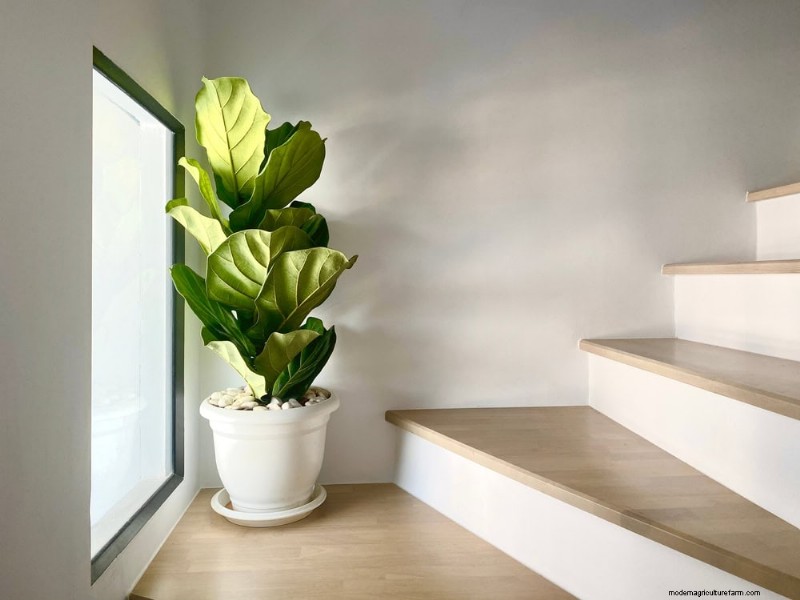
Fiddle leaf figs are beautiful plants that can brighten up any room, but they can also be a bit finicky. To help your fiddle leaf fig grow big, green, and healthy, it’s important to understand its specific needs.
 Shutterstock.com
This guide shares ten practical tips to help your fiddle leaf fig not just survive but thrive.
It covers everything from finding the perfect spot to learning how to water correctly, so you can give your plant the best care possible.
 Shutterstock.com
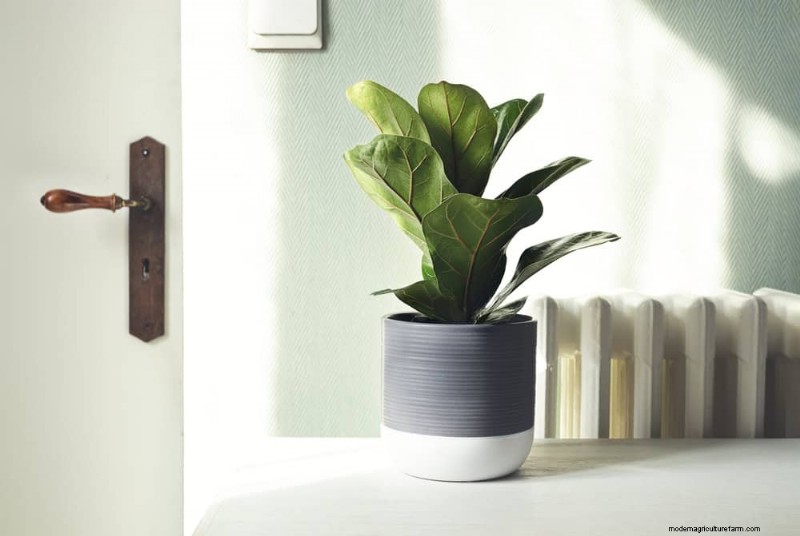
The right spot can make all the difference for your fiddle leaf fig. These plants love bright, indirect light. Placing them near a window that gets lots of sunlight without direct harsh rays is ideal.
Too much direct sun can scorch the leaves, while too little can stunt its growth. A consistent spot helps the plant get used to its surroundings, so avoid moving it often.
Finding the perfect spot is the first step to helping your fiddle leaf fig thrive.
 Shutterstock.com
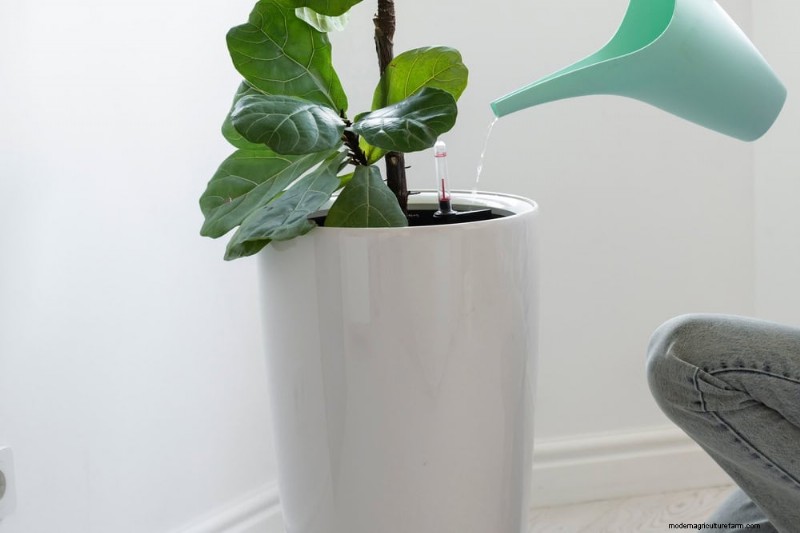
Watering a fiddle leaf fig can be tricky, but getting it right is key to keeping your plant happy. Water thoroughly but only when the top inch of soil is dry.
This ensures the plant gets enough moisture without drowning the roots, which can lead to root rot. Make sure your pot has good drainage, so excess water can escape.
Remember, it’s better to underwater than overwater; fiddle leaf figs are more tolerant of dry soil than soggy roots.
Read more: How Often To Water A Fiddle Leaf Fig?
We'll email it to you so you can read it later!
By saving, you agree to receive occasional emails. Unsubscribe anytime.
 Shutterstock.com
Fiddle leaf figs naturally thrive in warm, humid environments, much like the tropical regions they come from.
When the air in your home is too dry, especially during cooler months or in air-conditioned spaces, the leaves may start to brown or crisp along the edges; a common sign of low humidity.
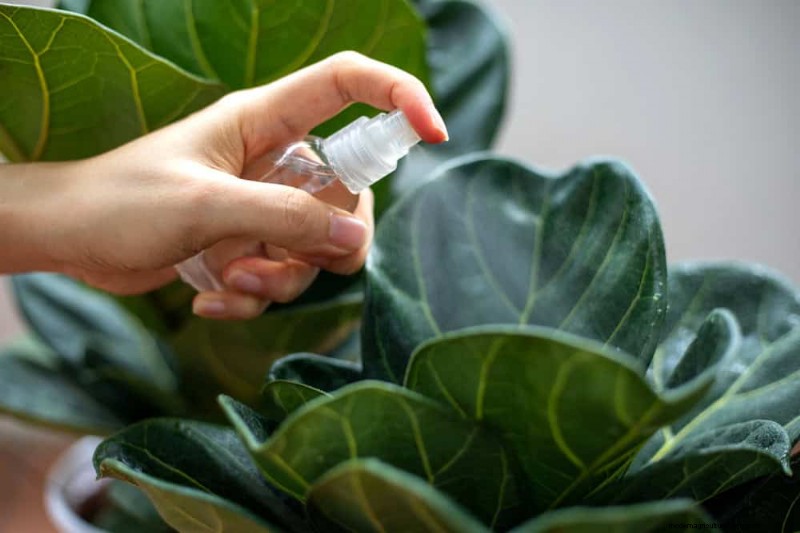
To keep your plant healthy and vibrant, aim to recreate that tropical atmosphere. You can use a humidifier nearby, mist the leaves a few times a week, or place the pot on a tray filled with water and pebbles to increase moisture in the air. Grouping plants together also helps raise humidity naturally.
Maintaining the right humidity level keeps your fiddle leaf fig’s leaves lush, glossy, and resilient, preventing dryness and encouraging steady, healthy growth.
 Shutterstock.com
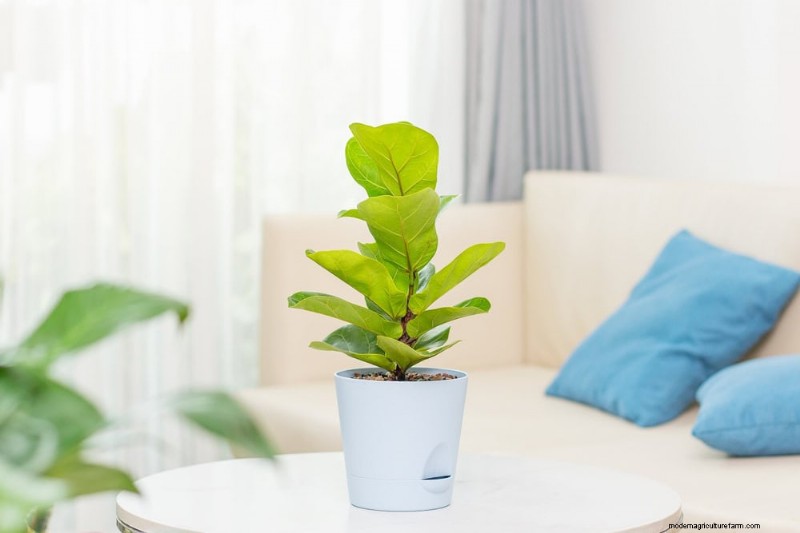
Fiddle leaf figs grow towards the light, which means they can become lopsided if left in one position for too long.
To ensure even growth, rotate your plant every couple of weeks. This helps all sides of the plant get equal exposure to sunlight, promoting balanced growth.
Rotating is a simple way to keep your fiddle leaf fig looking full and healthy, without any awkward leaning.
 Shutterstock.com
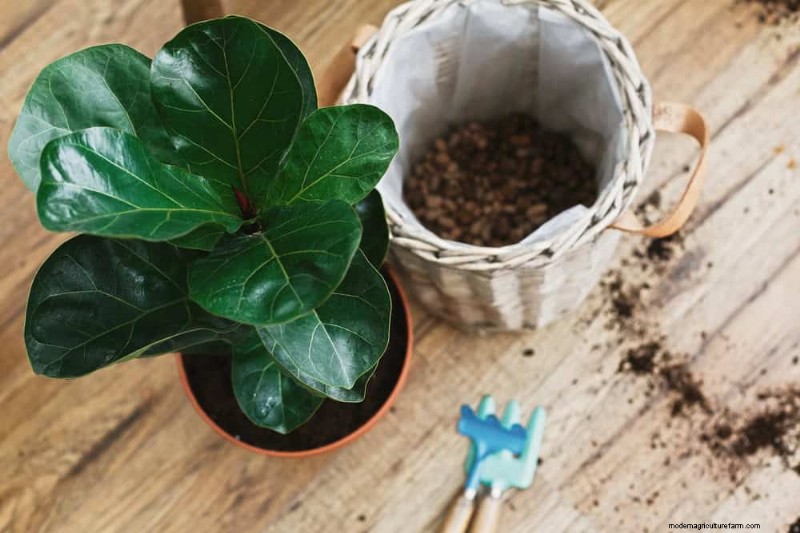
Choosing the right soil is essential for keeping your fiddle leaf fig healthy and thriving. These plants prefer well-draining soil that holds a bit of moisture without becoming waterlogged.
A good mix includes potting soil combined with perlite, coco coir, or bark chips. This combination allows air to flow around the roots while retaining just enough water for consistent hydration.
Proper soil balance not only keeps the roots strong and healthy but also prevents common problems like root rot and nutrient deficiencies, helping your fiddle leaf fig grow tall and lush.
 Shutterstock.com
Fertilizing your fiddle leaf fig gives it the nutrients it needs to grow strong, tall, and lush. During the growing season (spring and summer), feed your plant with a balanced liquid fertilizer about once a month.
This provides essential nutrients like nitrogen, phosphorus, and potassium to support healthy leaf and root development.
Make sure to follow the recommended dosage because over-fertilizing can harm your plant and burn its roots. You can also dilute the fertilizer slightly if your fiddle leaf fig is sensitive or still adjusting to a new environment.
Proper feeding helps your plant stay vibrant and encourages steady, healthy growth throughout the active months.
Read more: 7 Best Fiddle Leaf Fig Fertilizers
 Shutterstock.com
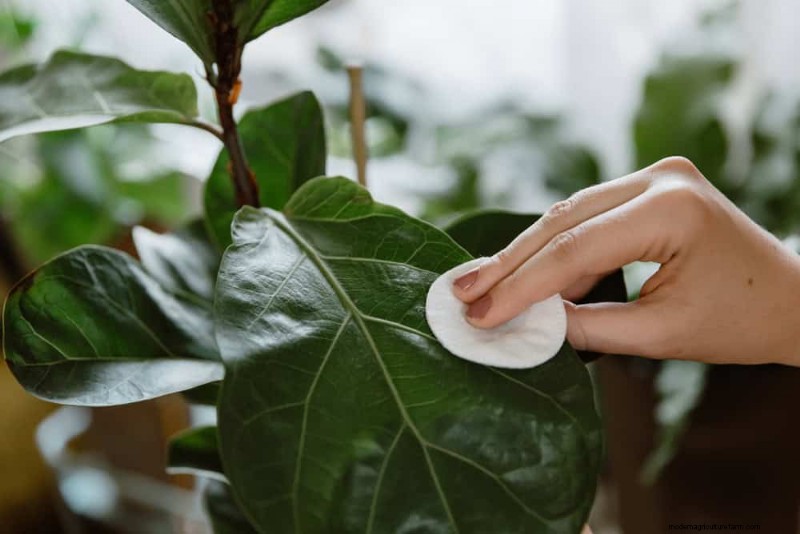
Fiddle leaf figs have large leaves that tend to collect dust.
Dusty leaves can block sunlight, making it harder for your plant to photosynthesize effectively. Use a damp cloth to gently wipe down the leaves every few weeks.
This keeps them clean, shiny, and healthy. Clean leaves not only look better but also allow your plant to absorb more light, which helps it grow faster and stronger.
 Shutterstock.com
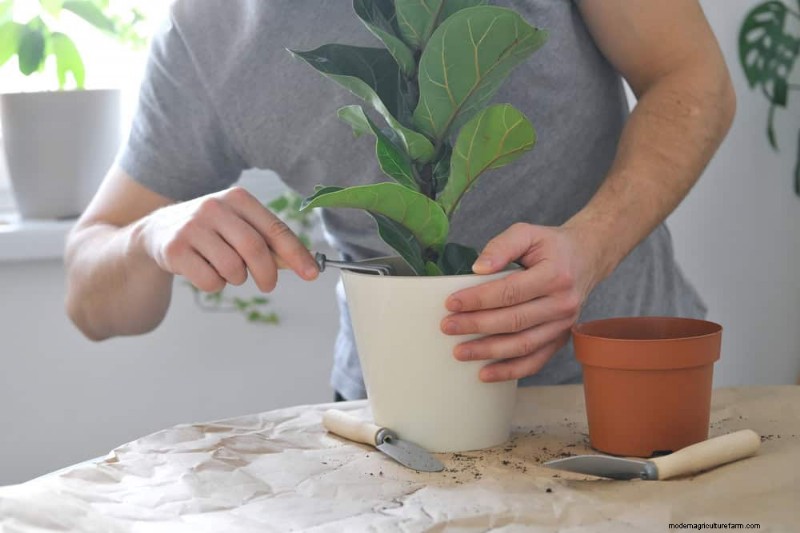
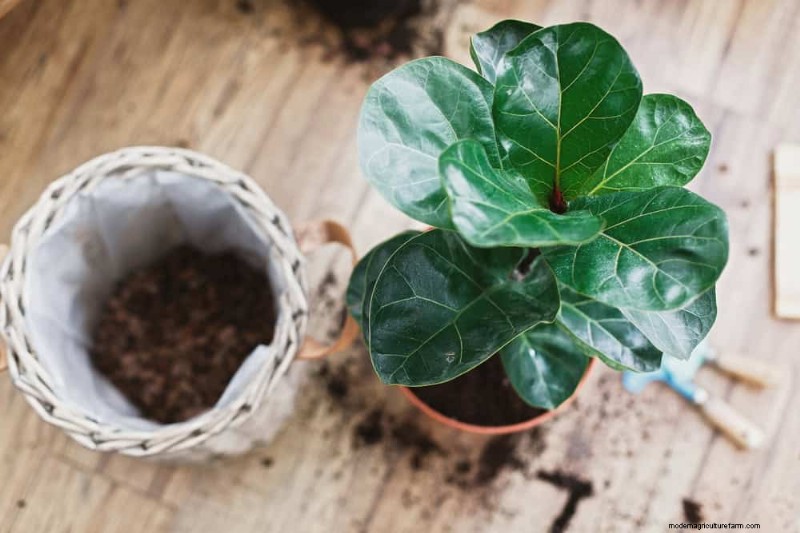
Fiddle leaf figs are fast growers, and as they mature, they can easily outgrow their pots every year or two.
When you notice roots poking through the drainage holes or circling tightly inside the pot, your plant has likely become root-bound, a clear sign it’s time to repot.
Choose a pot that’s just one size larger than the current one to avoid overwhelming the roots. Use fresh, well-draining soil to give your plant new nutrients and space to expand.
Repotting not only prevents the roots from becoming cramped but also promotes better water absorption and overall growth. A healthy root system means a stronger, more vibrant fiddle leaf fig that continues to thrive and grow beautifully.
 Shutterstock.com
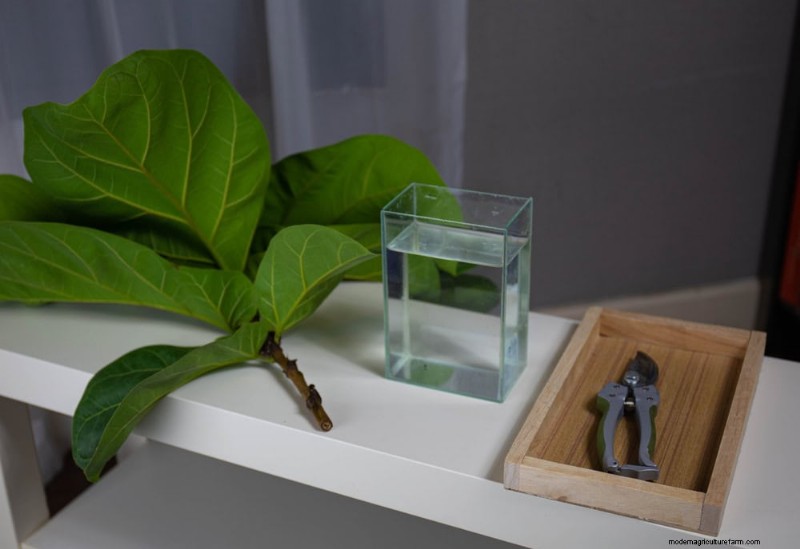
Pruning plays a key role in keeping your fiddle leaf fig healthy, attractive, and manageable. Regular trimming helps shape the plant, control its height, and encourage new growth.
If your fiddle leaf fig is getting too tall, leggy, or has a few damaged leaves, use clean, sharp shears to cut back the unwanted parts.
When you prune, you stimulate branching, which helps the plant grow fuller and bushier rather than simply taller. Focus on removing yellowing, brown, or drooping leaves, as well as any stems that are growing awkwardly.
This not only improves your plant’s appearance but also redirects its energy toward healthy, vibrant growth. Pruning every few months ensures your fiddle leaf fig maintains its beautiful structure and thrives year-round.
Read more: How To Prune A Fiddle Leaf Fig Tree [6 Steps]
 Shutterstock.com
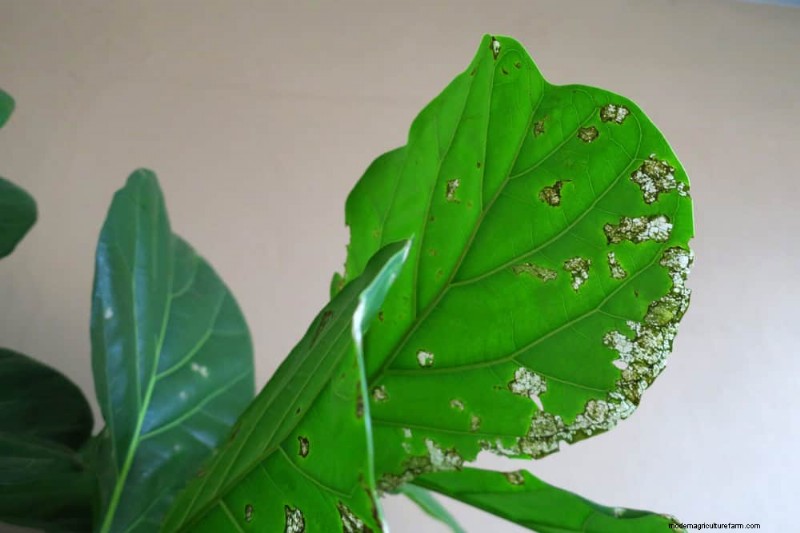
Your Fiddle Leaf Fig can sometimes attract pests such as spider mites or scale insects. These pests often hide on the undersides of leaves or along stems. Regularly check your plant for signs of pests or any unusual discoloration.
If you spot anything unusual, act quickly: wipe the leaves gently with a damp cloth or treat the plant with insecticidal soap to remove pests before they spread. Early detection is key to preventing an infestation from taking hold.
Keeping a close eye on your plant helps ensure it stays healthy and pest-free, so you’ll enjoy its full beauty for longer.
 Shutterstock.com
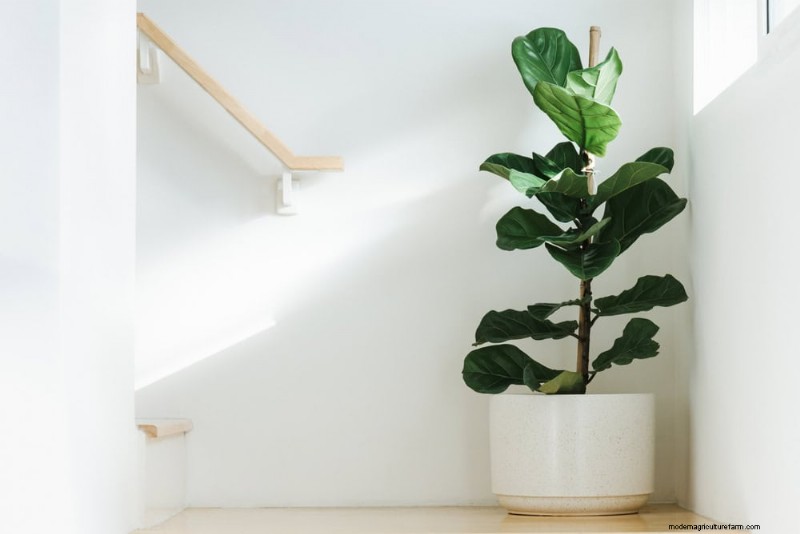
Caring for a fiddle leaf fig doesn’t have to be overwhelming. By following these ten hacks, you can give your plant the best possible care.
Remember to find the right spot, water properly, maintain humidity, and rotate your plant regularly. Keep the leaves clean, feed and repot when needed, prune for shape, and always monitor for pests.
With a little attention and consistency, your fiddle leaf fig will grow into a stunning, healthy plant that you can enjoy for years to come.


