Welcome to Modern Agriculture!

Are you looking to keep your vegetable garden thriving through the autumn season?
With the proper techniques, you can extend your growing season and enjoy a bountiful harvest well into the fall months.
In this article, we’ll share six hacks for a thriving autumn vegetable garden to help you maximize your space and resources.
First, we’ll explore the benefits of fall gardening and why making the most of this season is essential.
Then, we’ll get into our top tips for a successful autumn garden, covering everything from crop selection to soil preparation and pest management.
Sounds exciting, right? So let’s get started!
When planning your autumn vegetable garden, it’s crucial to understand your region’s climate.
Different regions have different climates, which can affect the types of vegetables you can grow successfully.
Read more on different regions here: USDA Hardiness Zones Article Collection
Here are some tips to help you understand your region’s climate:
The first step in understanding your region’s climate is to check your average first frost date.
This is the date when the temperature drops below freezing for the first time in the fall. You can find this information online or by contacting your local agricultural extension office.
Microclimates are small areas within your garden that have different growing conditions than the rest of your garden.
For example, a south-facing wall may be warmer than the rest of your garden, while a shady area may be cooler. By taking advantage of microclimates, you can grow a broader range of vegetables in your garden.
Once you know your average first frost date, you can choose vegetables that thrive in your climate.
For example, if you live in a region with a short growing season, you may want to choose vegetables that mature quickly, such as lettuce, spinach, and radishes.
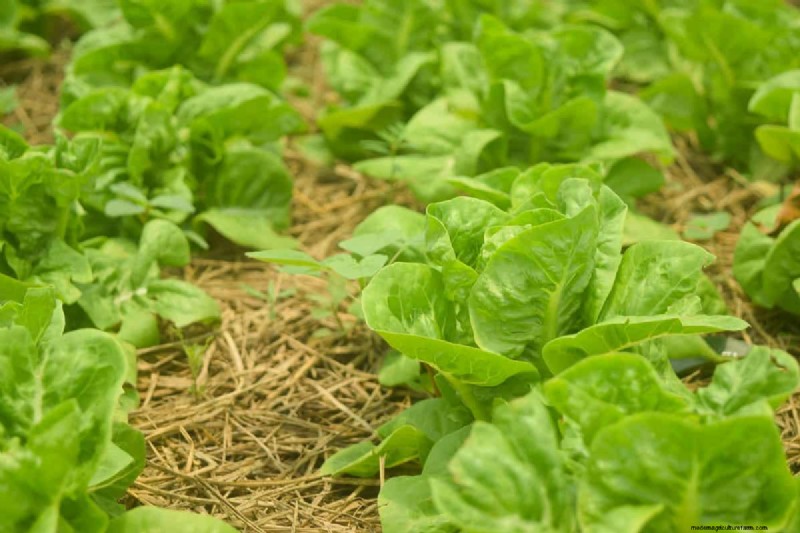
On the other hand, if you live in a region with a long growing season, you may want to choose vegetables that take longer to mature, such as broccoli, cauliflower, and Brussels sprouts.
Here are some tips to help you choose the suitable autumn vegetables for your garden:
Since autumn is a shorter growing season, choosing vegetables with shorter growing times is important.
Radishes, lettuce, and spinach are great options because they can be harvested in as little as 30 days.
As temperatures start to drop, it’s important to choose vegetables that can tolerate the cold.
Vegetables like kale, Brussels sprouts, and cabbage can withstand frost and taste better after a light frost.
Don’t be afraid to plant a variety of vegetables in your autumn garden. This will not only provide you with a broader range of produce, but it will also help to prevent pest and disease problems.
Related: 11 Stunning Heirloom Pumpkins You Won’t Believe Are Real
We'll email it to you so you can read it later!
By saving, you agree to receive occasional emails. Unsubscribe anytime.
As summer ends, it’s time to start thinking about preparing your garden for the fall.
With some planning and preparation, you can ensure that your garden will thrive throughout the autumn months. Here are some tips to get you started:
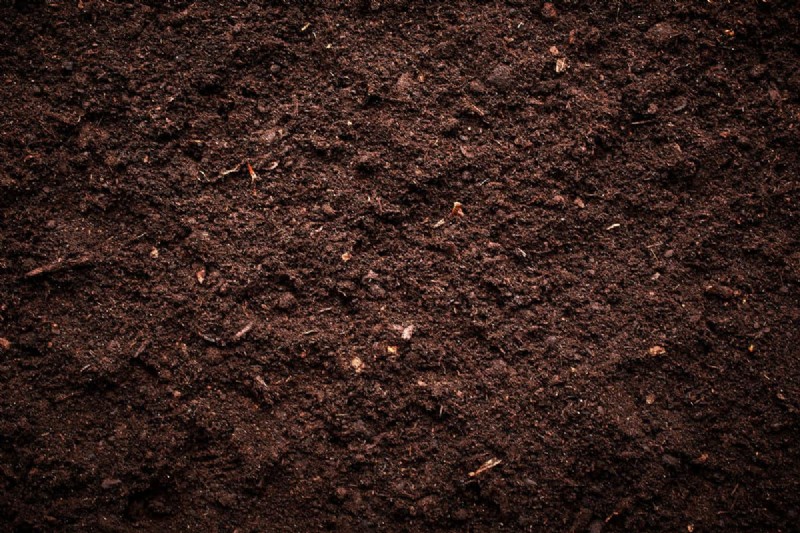
Before planting your fall vegetables, it’s important to prepare your soil. You want to make sure that your soil is rich in nutrients and has the right pH level for your plants to grow. Here are some tips to help you prepare your soil:
You can send a sample to a lab for analysis or easily order your own home soil test kit.
These affordable kits provide accurate results that can help you ensure your fall garden plants get the best possible conditions.
Adding compost to your soil is a great way to improve its fertility. Compost is rich in nutrients and helps improve soil structure, allowing plants to grow strong and healthy.
If your soil test shows it lacks certain nutrients, you can add fertilizer to help supplement them. Follow the instructions carefully, and don’t over-fertilize, which can harm your plants.
Read more: 10 Brilliant Hacks To Prepare Your Soil For The Fall [And Prevent Frost Damage]
Composting is a great way to reduce waste and create nutrient-rich soil for your garden. Here are some tips for composting:
Read more: Waste Into Wealth: 25 Reasons To Start Composting Now
Mulching is a great way to keep your garden soil moist and protect your plants from the cold weather. Here are some tips for mulching:
By following these tips, you can prepare your garden for the fall and ensure that your plants thrive throughout the season.
Read more:
Direct sowing is planting seeds directly into the soil where they will grow. This method is best for vegetables that do not transplant well, such as root vegetables.
Before planting, prepare the soil by removing weeds and adding compost or other organic matter to improve soil fertility.
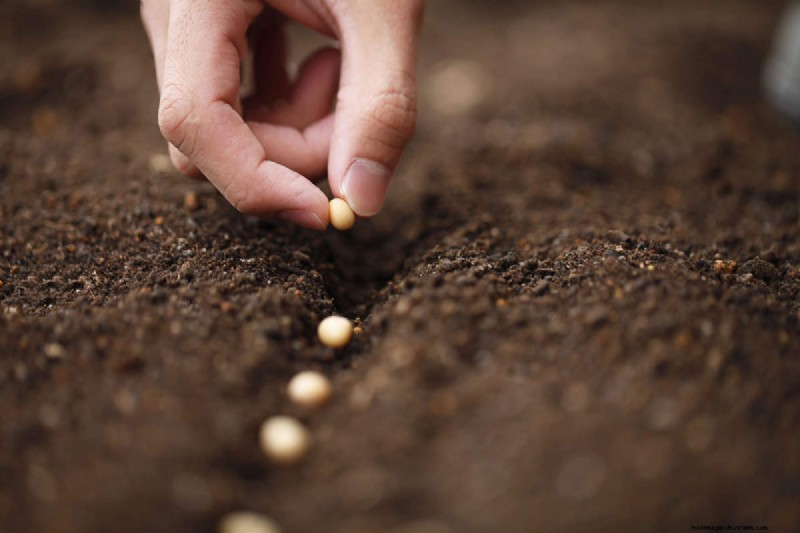
You should also check the soil temperature to ensure the seeds are warm enough to germinate.
When planting, follow the instructions on the seed packet for the correct depth and spacing.
You can also use a seed tape or seed mat to make planting easier and ensure proper spacing. Once planted, keep the soil moist until the seeds germinate and the seedlings are established.
Transplanting is the process of starting seeds indoors and then moving the seedlings to the garden once they are established.
This method is best for vegetables with a long growing season or requiring a warmer soil temperature to germinate.
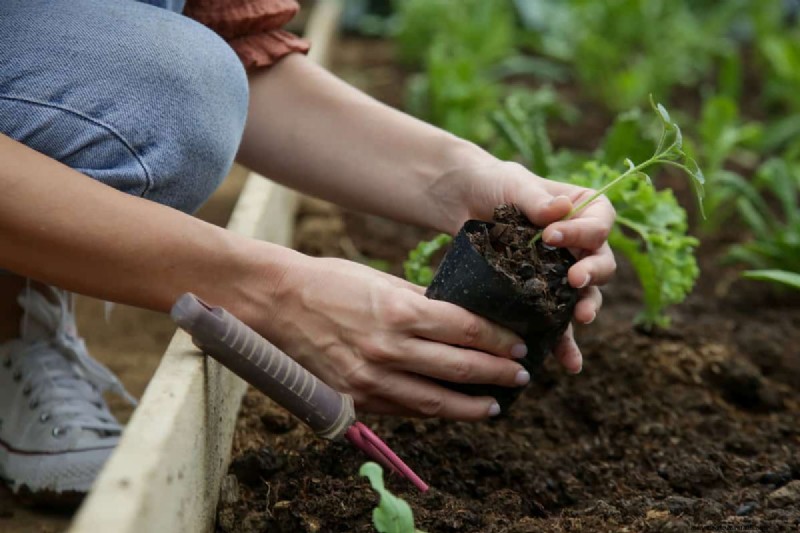
Before transplanting, make sure to harden off the seedlings by gradually exposing them to outdoor conditions over a period of several days.
When transplanting, dig a hole slightly larger than the seedling’s root ball and place it in it.
Make sure to plant the seedling at the same depth it was growing in the container. Water the seedling immediately after planting and keep the soil moist until it is established.
Related: Start Your Fall Garden Today: What to Plant Now
To ensure a thriving autumn vegetable garden, you need to maintain it properly.
Here are some tips to help you keep your garden healthy and productive.
Watering is crucial to the growth of your plants, especially during the autumn season.
The amount of water your plants need depends on the type of plant, the weather, and the soil type. Remember to water your plants deeply and regularly, especially during dry spells.
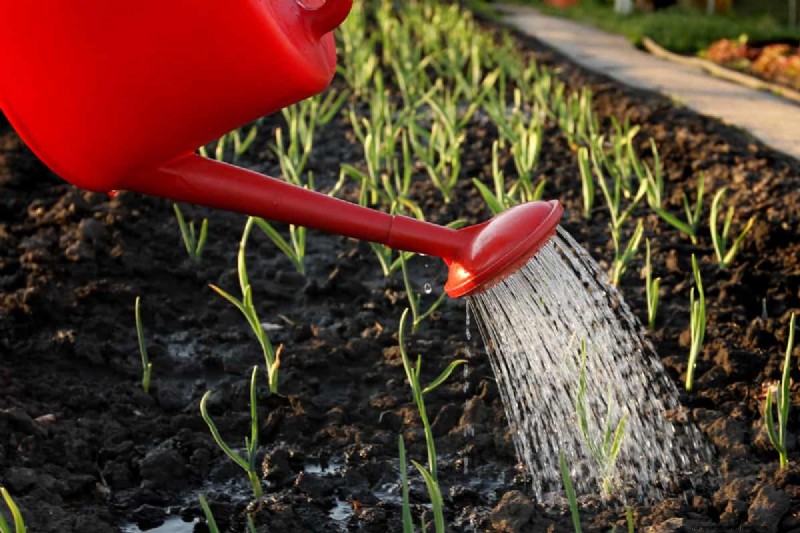
To prevent overwatering, check the soil moisture level regularly. Stick your finger into the soil to see if it feels dry or damp.
If it feels dry, it’s time to water. If it feels damp, wait a day or two before watering again.
Weeds can quickly take over your garden and compete with your plants for nutrients and water. To keep your garden weed-free, it’s essential to weed regularly.
One way to prevent weeds is to mulch your garden beds. Mulch helps to suppress weed growth and retain moisture in the soil.
You can use organic materials like leaves, straw, or grass clippings as mulch.
Pests can damage your plants and reduce your harvest. To prevent pest problems, keeping your garden clean and tidy is essential. Remove any fallen leaves or debris that can harbor pests.
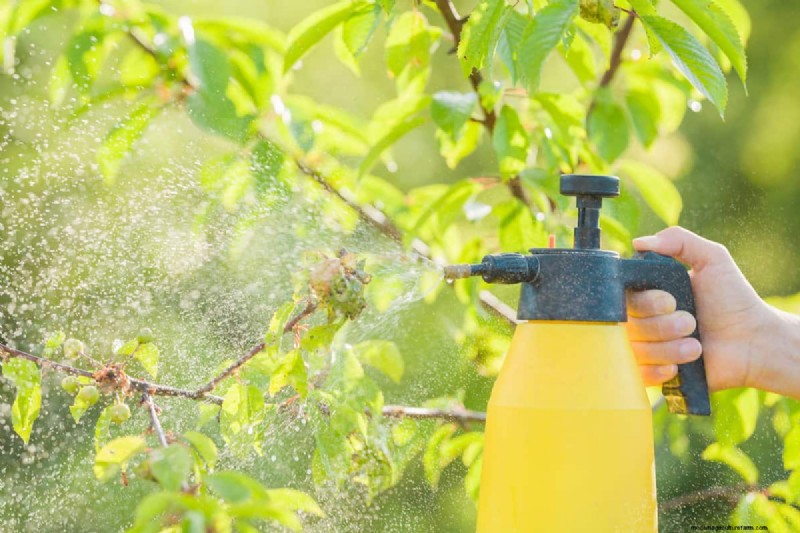
You can also use natural pest control methods like companion planting, crop rotation, and beneficial insects.
For example, planting marigolds can help to repel pests like nematodes and aphids.
Ladybugs and praying mantises are beneficial insects that can help to control pests like aphids and spider mites.
It’s time to start thinking about next year’s garden as autumn approaches. Planning ahead can help ensure a successful and thriving garden. Here are additional tips to help you prepare for next year:
Take a look at where you’ll be growing your garden. Will you plant in raised beds, containers, or a community garden plot?
What kind of sun does the area get? Measure the space and note any obstacles or challenges, such as shade from trees or uneven terrain.
Once you’ve chosen your plants, it’s time to plan your garden layout. Consider the size and spacing requirements of each plant and plan accordingly.
Use a garden planner tool or graph paper to map out your garden space and visualize the layout.
If you plan on starting your own seeds, now is the time. Research the optimal planting times for each plant and create your sources accordingly.
Label your seedlings in a warm, well-lit area until they can be transplanted.
Companion planting is a technique where certain plants are grown together to benefit each other.
For example, planting marigolds with tomatoes can help repel pests. Research companion planting techniques and consider incorporating them into your garden plan.
Succession planting involves planting crops in stages for a continuous harvest throughout the growing season.
Research the optimal planting times for each crop and plan your garden accordingly.
Keeping a garden journal can help you keep track of your progress and make notes for next year’s garden.
Record planting dates, harvest times, and any challenges or successes you encounter throughout the growing season.