Starting a shrimp farm can be rewarding for those interested in aquaculture. With the increasing demand for shrimp globally, establishing a successful farm requires careful planning and implementation. In this article, we’ll explore how to start a business in shrimp farming. Let’s dive in!
What is a Shrimp Farm?
A shrimp farm, or shrimp aquaculture, is the practice of cultivating shrimp in controlled environments.
It involves the breeding and rearing of shrimp species, such as the Pacific white shrimp, in specially designed ponds or tanks.
Responsible shrimp farming practices aim to ensure sustainable production, focusing on factors like water quality, disease prevention, and ecological impact.
Shrimp farms play a significant role in meeting the global demand for shrimp.
How to Start an Indoor Shrimp Farming Business: Simple Steps
Begin your journey to create an indoor shrimp farm business by following these simple steps.
From setting up the infrastructure to managing water quality, follow these guidelines for a successful venture. Dive into the details on how to start a farm with shrimp below:
Determine Your Business Plan
Formulate a comprehensive farm business plan outlining your goals, target market, and financial projections. Assess feasibility and market demand to ensure a solid indoor shrimp farming venture foundation.
Set Up the Ideal Infrastructure
Create a suitable environment for shrimp farming, including tanks or ponds, filtration systems, and temperature control. Ensure optimal conditions for growth and reproduction while maintaining a sustainable and efficient operation.
Select the Right Shrimp Species
Choose the appropriate shrimp species based on market demand, compatibility with your infrastructure, and your farming objectives. Consider factors such as growth rate, disease resistance, and market value.
Acquire Healthy Shrimp Stock
Source healthy shrimp postlarvae from reputable hatcheries. Ensure proper transportation, acclimation, and quarantine procedures to prevent diseases and maintain the quality of your shrimp stock.
Implement Feeding and Management Protocols
Establish a feeding schedule and provide balanced nutrition for your shrimp. Monitor water quality parameters regularly, manage disease prevention measures, and implement best practices for optimal growth and health.
Harvest and Market Your Shrimp
Plan and execute a systematic harvesting process, ensuring the shrimp reach the desired marketable size. Develop marketing strategies to promote your sustainably farmed shrimp and secure profitable sales channels.
The Shrimp Farming Industry Today
The global shrimp farming industry is poised for significant expansion, with the market anticipated to achieve $69.35 billion in the near future.
Demand for frozen shrimp, driven by its popularity in the food, pharmaceutical, healthcare, and cosmetic sectors, contributes to the industry’s prospects.
However, shrimp production poses environmental risks, as the United Nations Food and Agriculture Organization (FAO) notes.
Why You Should Consider Becoming a Shrimp Farmer
Becoming a shrimp farmer could be a viable option if you’re seeking a rewarding and profitable venture.
Here are five compelling reasons to consider starting a shrimp seafood farming business:
- High demand: The global appetite for shrimp is growing steadily, providing a lucrative market for shrimp farmers.
- Sustainable practice: Shrimp farming can be conducted using responsible and sustainable methods, minimizing environmental impact.
- Profit potential: Shrimp farming has the potential for significant profits due to high market prices and efficient production techniques.
- Versatile market: Shrimp is a versatile product with a wide range of uses, catering to various industries such as food, pharmaceuticals, and cosmetics.
- Ease of entry: With the right planning and support, launching a shrimp farm can be quite simple, making it an attainable venture for aspiring entrepreneurs.
U.S. Shrimp Species
When it comes to shrimp species, the United States boasts a diverse range found naturally or farmed.
Here are some prominent shrimp species in the U.S., each with distinct characteristics and considerations for farming:
- Marine Shrimp: Commonly known as “white shrimp” or “pink shrimp,” this species is abundant in coastal regions and is known for its delicate flavor and versatile culinary applications.
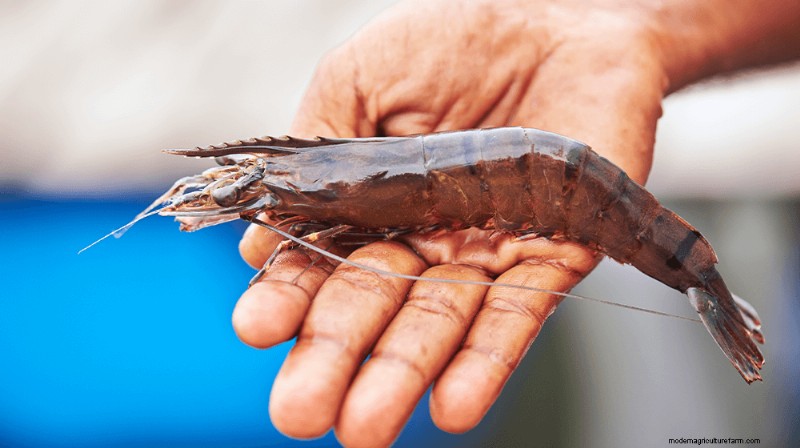
- Giant Tiger Prawn: Also called “black tiger shrimp,” these large, impressive creatures are native to Asian waters but are now farmed in the U.S. Known for their size and distinctive tiger-like stripes, they offer a sweet and succulent taste.
- Freshwater Prawns: Native to freshwater habitats, these prawns are larger than typical shrimp. With a firm texture and slightly sweet taste, they’re popular for their versatility in various dishes.
- Blue Shrimp: Native to the Gulf of Mexico, blue shrimp display vibrant blue coloration and a mild, slightly sweet flavor, making them a sought-after delicacy.
- Brown Shrimp: Found along the Atlantic and Gulf coasts, brown shrimp have a robust flavor and firm texture, making them ideal for various cooking methods.
- Pink Shrimp: Residing primarily in the Gulf of Mexico, pink shrimp boast a delicate flavor and tender texture, often favored for their versatility in recipes.
- Rock Shrimp: With a rock-hard shell, rock shrimp are prized for their sweet taste and firm, lobster-like meat, commonly harvested off the southeastern coast of the U.S.
- Spot Prawn: Native to the Pacific Northwest, spot prawns offer a subtly sweet flavor, firm texture, and a distinctive white spot on their tail, hence their name.
- Royal Red Shrimp: Deep-sea dwellers found off the coast of the southeastern U.S. Royal red shrimp have a unique taste, described as sweet, succulent, and comparable to lobster.
- White Shrimp: Widely distributed along the Atlantic and Gulf coasts, white shrimp have a mild, slightly sweet flavor, making them a popular choice for various dishes.
Shrimp Species | Characteristics and Culinary Traits |
Marine ShrimpAbundant in coastal regions, delicate flavor, versatile cooking.
Giant Tiger PrawnNative to Asia, farmed in U.S., large size, sweet and succulent.
Freshwater PrawnsLarger than shrimp, firm texture, slightly sweet, versatile.
Blue ShrimpGulf of Mexico native, vibrant blue color, mild and sweet.
Brown ShrimpAtlantic and Gulf coasts, robust flavor, firm texture.
Pink ShrimpGulf of Mexico inhabitant, delicate flavor, tender texture.
Rock ShrimpRock-hard shell, sweet taste, lobster-like meat, southeastern U.S.
Spot PrawnPacific Northwest native, subtly sweet, distinctive white spot.
Royal Red ShrimpDeep-sea dwellers, sweet and succulent, similar to lobster.
White ShrimpAtlantic and Gulf coasts, mild and slightly sweet flavor.
Shrimp Production Methods
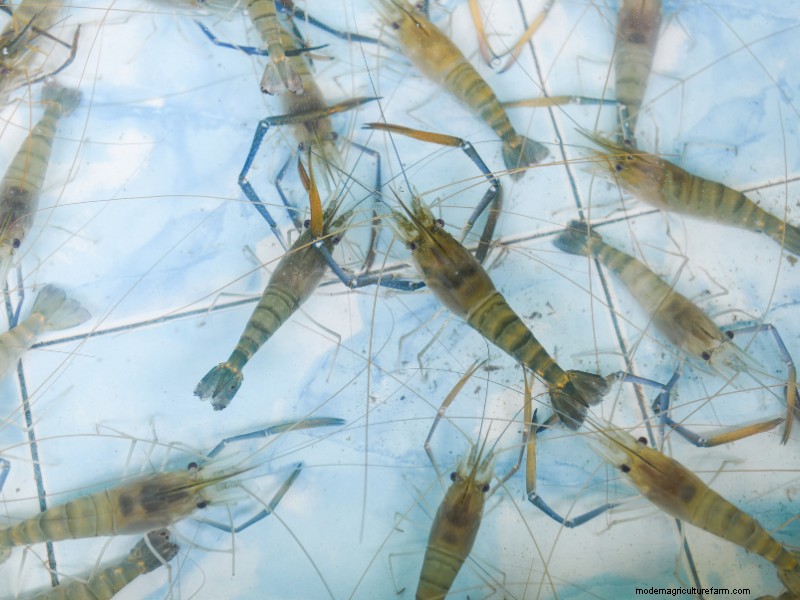
In shrimp production, different methods are utilized to satisfy the increasing demand for this beloved seafood.
Each shrimp production method has its own advantages and considerations, influencing factors such as production scale, environmental sustainability, and water management practices.
Here are some of the main shrimp production methods used in the US:
- Pond Culture: The most common method is that shrimp are grown in large ponds, utilizing natural or controlled environments to support their growth and reproduction.
- Raceway Systems: Shrimp are raised in narrow, flowing channels called raceways, allowing for controlled water flow and efficient waste removal.
- Biofloc Technology: This method promotes the growth of beneficial microorganisms in shrimp ponds, creating a biofloc system that helps maintain water quality and provides supplemental nutrition.
- Recirculating Aquaculture Systems: Shrimp are raised in closed-loop systems, where water is continuously filtered and recirculated, optimizing water usage and minimizing environmental impact.
- Integrated Multi-Trophic Aquaculture: This method combines shrimp farming with other species, such as fish or algae, creating a symbiotic ecosystem where waste from one species is used as nutrients by others.
Choosing a Shrimp Farm Location
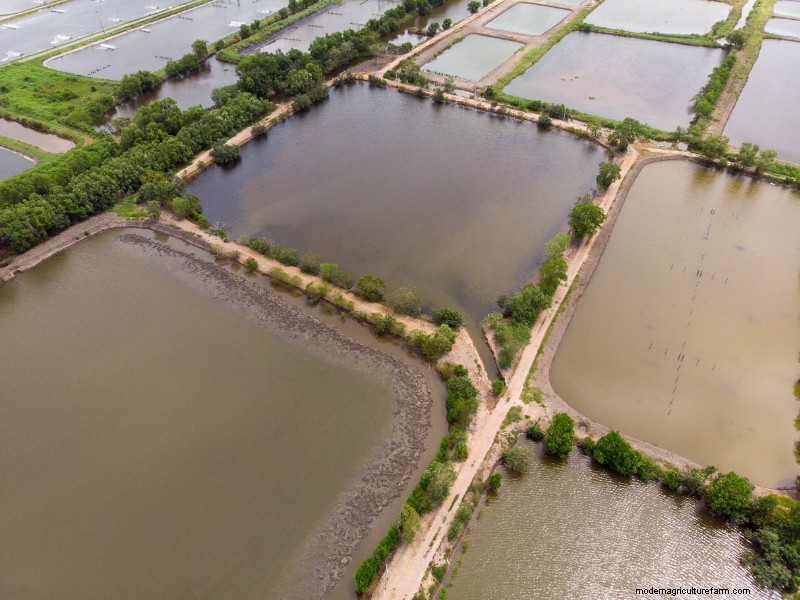
When choosing a shrimp farm location, several factors should be considered. First and foremost, water quality plays a vital role in fish farms, as shrimp require clean and well-oxygenated water to thrive.
Proximity to markets is also important for efficient distribution and reduced transportation costs.
The availability of suitable land and access to necessary infrastructure, such as electricity and freshwater sources, must be assessed.
Climate conditions, including temperature and rainfall patterns, should also be taken into account to ensure optimal growth and disease prevention.
Essential Shrimp Farm Equipment
To establish a successful shrimp farm, specific equipment is essential. Let’s explore the necessary tools and machinery vital for shrimp farming operations, covering pond management, water quality control, and shrimp handling.
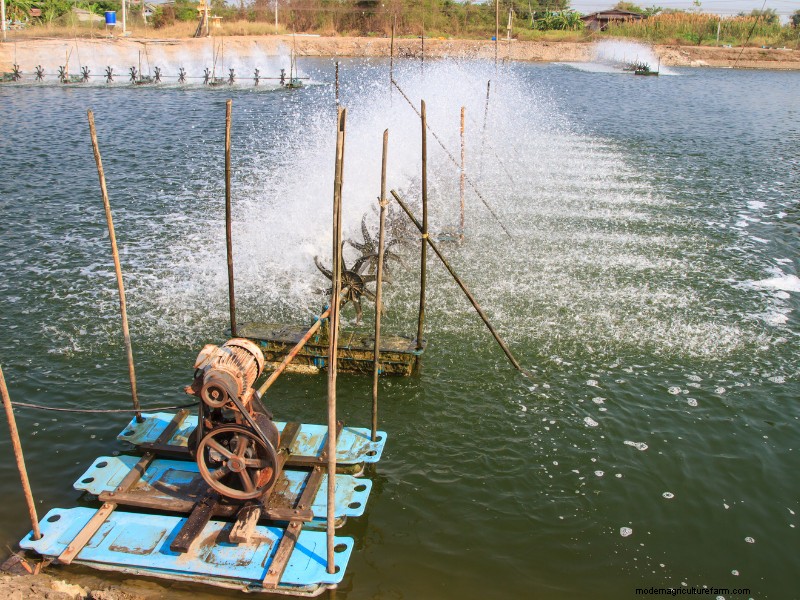
- Pond Aeration System: A reliable aeration system is crucial to maintaining proper oxygen levels in shrimp ponds, promoting healthy growth and minimizing the risk of diseases.
- Water Pump: An efficient water pump ensures optimal circulation, maintaining water quality and facilitating the removal of waste materials from the ponds.
- Shrimp Net: A specialized net designed for capturing and handling shrimp enables efficient harvest and transfer of shrimp between ponds or containers.
- Water Testing Kit: Regular water testing using a comprehensive kit allows farmers to monitor and adjust crucial water parameters, ensuring an ideal environment for shrimp growth.
- Feeding Equipment: Automatic feeders or feeding trays are essential for the accurate and timely distribution of shrimp feed, optimizing nutrition intake, and reducing wastage.
- Shrimp Grading Tools: Tools such as grading sieves or trays are employed to separate shrimp based on size, ensuring uniformity in growth and facilitating market grading.
- Water Filtration System: A reliable filtration system helps to remove impurities, sediment, and excessive nutrients from the water, maintaining favorable water conditions for shrimp.
- Shrimp Tanks or Ponds: The primary infrastructure for shrimp farming, tanks or ponds provide a suitable habitat for shrimp, allowing them to grow and reproduce under controlled conditions.
- Water Heating or Cooling System: Depending on the geographical location and climate, a heating or cooling system may be necessary to maintain optimal water temperature for shrimp growth.
- Shrimp Disease Prevention Tools: These include disinfection products, probiotics, and medications that assist in preventing and controlling common shrimp diseases, ensuring healthier stocks.
Developing a Sustainable Shrimp Farming Strategy
There are many environmentally friendly techniques that can be utilized in shrimp farming. Use organic feeds, avoid harmful chemicals, and implement energy-efficient systems to minimize ecological impacts. Sustainable practices not only benefit the environment but also contribute to the health and well-being of the shrimp.
Effective Water Management: Water quality is critical in shrimp farming. Regular testing, efficient filtration, and water conservation techniques are essential. Effective water management supports healthy shrimp growth and reduces the environmental footprint of the farm.
Marketing and Selling Your Shrimp
In the dynamic world of shrimp farming, having a top-notch product is just part of the equation. The other critical component is effectively marketing and selling your shrimp.
This involves not only identifying who your customers are but also how to reach them, engage them, and ultimately convert them into loyal patrons of your products.
Identifying Target Markets
- Local vs. Global Markets: Assess the potential of local markets versus global markets. Explore selling to local restaurants and markets for fresh shrimp or consider international markets for frozen or processed products.
- Specialty Niches: Identify niche markets that value specific shrimp qualities, such as organic or sustainably farmed shrimp. This could include health-conscious consumers or high-end culinary establishments.
- Market Research: Conduct thorough market research to understand the preferences and buying patterns of your target audience. This can involve surveys, focus groups, or studying market trends.
Developing Effective Marketing Strategies
- Branding: Develop a strong brand identity for your shrimp farm. This includes creating a memorable logo, a compelling brand story, and consistent messaging that reflects your farm’s values and the quality of your shrimp.
- Digital Marketing: Utilize digital marketing tools such as a professional website, social media platforms, and email marketing. Share engaging content like behind-the-scenes farm tours, customer testimonials, and educational pieces about the benefits of your shrimp.
- Collaborations and Partnerships: Forge partnerships with local chefs, food bloggers, or influencers who can showcase your shrimp in their recipes or dining experiences. This can provide authentic endorsements and widen your reach.
Sales Channels and Distribution
- Direct Sales: Explore direct-to-consumer sales strategies such as subscription boxes, online orders, or farm stand sales. These approaches can enhance profit margins and foster a direct relationship with your customers.
- Wholesale Distribution: Collaborate with wholesalers or distributors to expand your market reach. Negotiate advantageous terms and make sure they are in line with your brand’s values and quality standards.
- Diversification of Products: Beyond selling raw shrimp, explore value-added products like marinated shrimp, ready-to-cook meals, or shrimp-based snacks. This can attract different customer segments and increase revenue streams.
Promotion and Customer Engagement
- Promotional Offers: Create promotional campaigns such as discounts, seasonal offers, or referral programs to attract new customers and retain existing ones.
- Customer Engagement: Engage with your customers through regular updates, newsletters, or social media interactions. Encourage feedback and use it to improve your products and services.
- Community Involvement: Participate in community events, sponsor local activities or host farm visits. This helps in building a loyal local customer base and enhances your brand’s community presence.
Maintaining and Expanding Your Shrimp Farm
Routine maintenance is essential for a successful shrimp farm. Regular cleaning of ponds, upkeep of equipment, and health monitoring are critical components. A properly maintained shrimp farm not only produces high-quality shrimp but also reduces the risk of diseases and minimizes losses.
Plan for the growth of your shrimp farming operation. This might include increasing pond sizes, diversifying shrimp species, or integrating other aquaculture types. Consider the financial and logistical implications of expansion and aim for sustainable growth.
FAQs
How much does it cost to start a shrimp farm business?
The initial investment needed to set up a shrimp farm business can differ greatly, usually falling between $10,000 and $200,000, depending on factors like the scale and level of production.
How long does it take to grow farmed shrimp?
The growth timeline of farmed shrimp depends on various factors, such as species, water temperature, feeding practices, and desired size at harvest. Generally, it takes around 4 to 6 months for shrimp to reach marketable sizes, but this can vary.
Where are the best places in the U.S. for shrimp farms?
The Gulf Coast region is popular for shrimp farming. Specifically, the best states to start a farm with shrimp include Texas, Louisiana, Mississippi, and Alabama, which are known for their favorable climate and abundant water resources, making them ideal for shrimp farming. Other potential regions include parts of Florida, South Carolina, and Hawaii.
How much money do shrimp farmers make?
Shrimp farm owners can earn annual salaries ranging from $35,000 to well over $150,000, with the amount dependent on the size and scale of their operation. Some shrimp farms even invest in additional revenue streams. For example, you may look into how to start catfish farming to add even more profitability.
Is shrimp farming a profitable business?
Shrimp farming proves to be a lucrative business, offering significant profitability. With meticulous management and streamlined operations, you’ll unlock tremendous financial gains and pave the way for long-term success in this lucrative industry.
Image: Envato Elements
More in: Farming Business, How to Start