Welcome to Modern Agriculture!

If you are someone with a green thumb and don’t mind getting your hands dirty, then commercial flower farming might be your special calling. Starting a flower farm is a great way to make money and provide beautiful blooms for your customers. It’s also an exciting venture that can be both rewarding and challenging.
So, whether you’re just starting or have been flower farming for years, there are tips and tricks to help you maximize your output while keeping costs low.
In this article, we will examine the best practices for flower farming, covering everything from selecting the appropriate plants to harvesting them at their optimal times. By implementing these strategies, you can transform your passion into a thriving business in no time!
Flower farming is growing in popularity and can be very rewarding. People make money by growing cut flowers and selling them at farmers’ markets or to venues, flower stalls, and restaurants.
You can also start small, which is financially stable for most cut flower farming. That means you can start with a small garden in your or your neighbor’s yard if they let you.
You can also begin with just a few buckets of flowers. Once you get the hang of it, you can expand your cut flower garden and make more money.
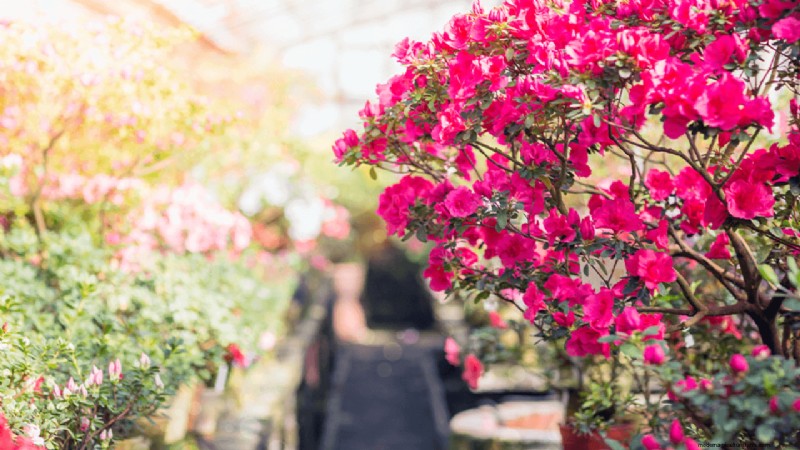
Whether you’re a beginner flower farmer or looking to expand your business, there are certain steps you need to take to be successful. From choosing flower varieties to marketing your bouquets, here are simple steps you need to take to start and successfully run a flower farm:

It is important to research flower growers in the area before you start a flower farm. This will help you understand better what flowers are most profitable, what growing seasons are best to plant in, what issues they run into and what methods other farmers use.
It is also helpful to talk to other growers at the farmer’s market. Many of them will be glad to help you with growing tips and may even give you more agricultural business ideas.
In this step, you are planning out the business aspects of your flower farm. From naming and branding to marketing your business to opening a business banking account, this is where you plan the groundwork that will ensure your flower business’s success.
Before you decide on specific flower varieties, you need to decide what type of farm you want to create. Are you looking to grow cut flowers for bouquets, or are you looking more toward potted plants? Do you want to specialize in one type of flower or grow a variety of flowers? Answering these questions will help you determine the types of flowers you want to start with.
Once you have determined the type of flower farming operation you wish to establish, the next step is to designate a specific structure or area for your flowers. There are several options for this, including renting land or greenhouses, as well as cultivating and caring for fields and gardens in your own backyard.
Develop a crop plan for the year. This will help you determine what flowers to grow, when to plant them, and what supplies you need. You should also take into consideration things like weather patterns in your area, pest infestations, and soil conditions as well. Be sure to research any pests that are common in your area so that you can treat them accordingly.
One of the best ways to ensure you have the tall varieties of flowers you need for cut flower bouquets is to buy and grow your own seeds. As far as bought seeds go, many nurseries don’t carry these types of flowers.
So, if you want to create beautiful floral arrangements, you’ll need to take matters into your own hands and grow them from scratch. You can buy seeds from places like your local feed & seed store or highly-rated online bulk seed companies.
When starting your farm for your flowers, it is important to have the appropriate tools and equipment needed to successfully nurture and grow flowers.
A heat mat, seed trays, grow lights, and quality seed starting mix are all essential items for any budding flower farmer. The heat mat will help keep the soil temperature at the optimal level for germination, while the grow lights will help stimulate and encourage more vigorous growth.
Depending on the type of farm you’re running, you may need to purchase certain pieces of equipment. For example, if you’re growing potted plants, you’ll need some form of irrigation system to keep them hydrated.
If you’re growing cut flowers for bouquets, you may need a greenhouse or cold frame and some cutting tools. You can purchase landscape fabric and other materials to create the environment you need for your plants.
Also, if you are growing roses, which can be very profitable, you need to have excellent marketing facilities.
If you’re looking to minimize your investment, starting small is an excellent option for new flower farmers. In this case, hand tools such as tillers, plows, and trowels are a fantastic initial investment.
However, farming can be backbreaking work. If you plan on expanding your operation, it may be necessary to invest in larger equipment like electric tillers, tractors, and seed drills. You can also purchase a mule, wheelbarrow, and other items that will help make your job easier.
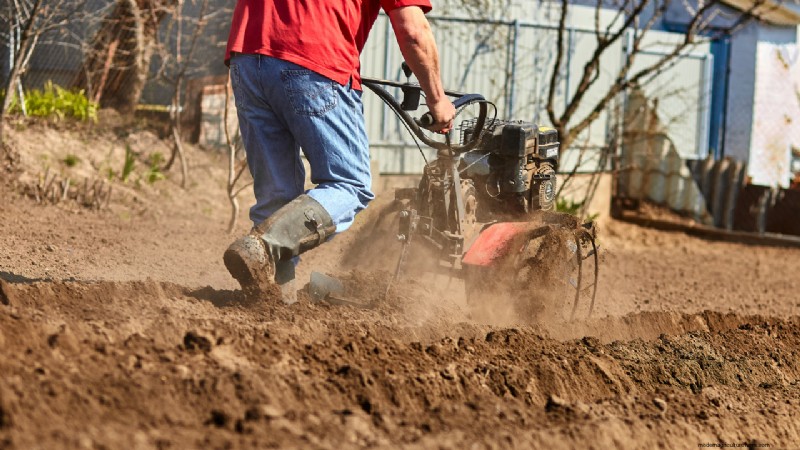
After you have chosen your growing area, tilling the soil will help create a healthy and productive environment for your flowers. This process helps remove roots and weeds while breaking up large chunks of dirt and removing rocks. This way, air, water, and nutrients can better penetrate and enrich the soil.
To till the soil, use either the double-dig gardening method or a hand-held or motorized rototiller to dig into the dirt.
If you are planting in soil that is unsuitable for your chosen flowers, you may need to incorporate amendments like compost or mulch. This will help provide your flowers with the essential nutrients required for healthy and robust growth.
There are some seeds you can plant directly in the soil – others you have to grow inside and transplant. Before transplanting your seedlings, be sure to harden them off. This process helps the plants become acclimated to outdoor conditions so they are better prepared for life in their new home.
To do this, start by keeping the plants outside for a few hours during the day and then bring them back inside at night for a week or two. This process will help the plants adjust and grow stronger, resulting in better yields.
Direct sow your seeds or plant the starter flowers in the soil in the area you have chosen and take care of them. Bear in mind that all flowers typically have different requirements when it comes to soil, water, and sun exposure. Consider special notes on your seed packages or in books. They give you helpful tips like the correct planting distances between plants, what plants grow well together, and when to plant your flowers (spring, late spring, fall /etc.).
Additionally, fertilize regularly, water consistently, and remove any weeds that sprout around them. Pay careful attention to how your flowers are growing so that you can make adjustments as needed.
Once the flowers are ready, it’s time to harvest them. Harvesting and handling cut flowers is a process. Some general guidelines to follow:
To find out how to mix biocide and reference vendors that sell it, see “The Care and Handling of Cut Flowers” in the Further Reading for Successful Flower Farming section.
To see a list of some commonly grown cut flowers and their development stages, see the fact sheet in “The Care and Handling of Cut Flowers” in the Further Reading for Successful Flower Farming section.
Now that your flowers are harvested, you can enjoy the fruits of your labor and sell them! You can create beautiful bouquets to market and sell to local florists or even directly at a farmers’ market. By growing hardy annuals and other bouquet and vase-ready flowers, you have created a sustainable source of income for yourself and provided high-quality, freshly cut flowers for others.
Once you have finished harvesting your flowers, it’s a good idea to save some of the seeds for next season. This will help cut down on the cost of buying new plants and give you a head start in getting ready for planting season. You can store the seeds in a cool, dry place until springtime rolls around again.
Once you have established yourself in the industry, it’s time to start thinking about diversifying your “flower portfolio.”
You can start growing other varieties of flowers to offer your customers a larger selection or even venture into new realms altogether, such as creating wreaths and centerpieces or making rosewater out of leftover roses.
With the right knowledge and ambition, you can turn your small-scale flower business into something much bigger! You can also teach flower farming classes to all the budding floriculturists out there.
Here’s a summary table that brings all the steps together for easy reference:
The flower farming business is a lucrative one, as these specialty crops are one of the best cash crops you can grow. The flower experts at The Gardner’s Workshop say that farmers across the United States are reporting sales of $25K to $30K an acre on average. How much you are going to make is going to depend wholly on the region, the type of market you are selling into, and your skill at flower farming.
A flower farmer is generally referred to as a floriculturist. A floriculturist is someone who specializes in growing, harvesting, and marketing flowers.
From selecting the right soil for planting to pruning for optimal growth and design, a floriculturist has many skills that are beneficial to running a successful flower farm.
The most profitable flowers to grow will be popular blooms for flower bouquets, flower crowns, and flower arrangements. Warm-season annuals are the easiest for beginning floriculturists to work with. You can sell them through the season, and they have a very broad appeal.
The three best warm-season annuals you can try your hand at for the first time are celosia, sunflowers, and zinnias. In fact, many floriculturists only do sunflower farming since they are so popular and easy to grow.
Other profitable flower varieties and plants to use for bouquets and bouquet fillers include:
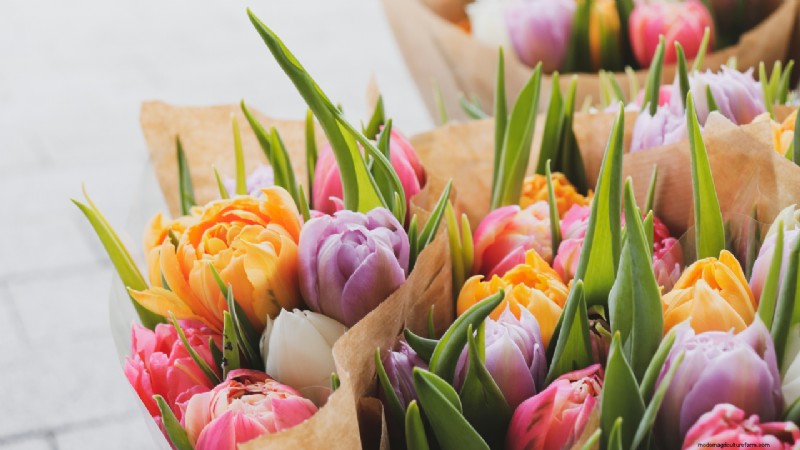
One of the most confusing things for a first-year flower farmer is planting for flower bouquets. When flower farming for a mixed bouquet, you want to choose flower varieties that will work together. Choose colors and flower types that not only look appealing but will also stand up well in a flower bouquet.
These flowers really stand out in a flower bouquet and draw your eyes to them. Focals should be unique, bold, and eye-catching. Zinnias are an example of a focal flower, and their vintage-like appearance makes them highly sought after. They come in a wide variety of colors and shapes and are considered workhorse flowers since the more you cut, the more they produce.
Accent flowers are smaller flower blooms that help fill out and support the flower bouquet. They should be bright, cheerful, and less expensive than focals. Examples of accent flowers are alstroemeria, lisianthus, and statice. These flowers can help add texture and color to the bouquet without breaking the budget.
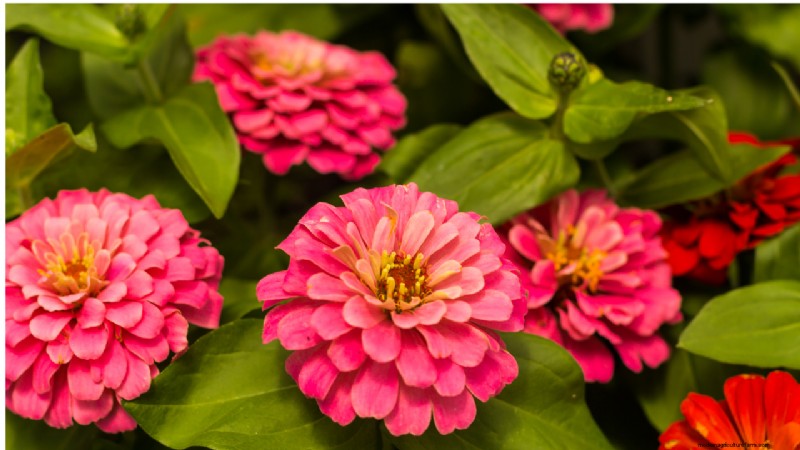
Hardy annuals tolerate a wide range of temperatures, humidity levels, and soil conditions. What’s more? They bring long-lasting color and texture to your flower bouquet and are a great option for the beginning flower farmer.
The fast-growing black-eyed Susan is an example of a hardy annual. Susans radiate happiness and are especially suited for barn wedding bouquets. Daisies, sunflowers, and coneflowers can also be included in this group.
Soft annuals and perennials are considered to be more delicate than hardy annuals and are often short-lived. Perennials come back year after year, creating the possibility of a continuous supply of flowers for your business. These flowers require more attention and care but can thrive in the right environment. Examples of soft annuals and perennials are cosmos, dahlia,s and snapdragons.
Foliage plants are essential for any flower bouquet and provide structure and texture to your arrangement. Ferns, eucalyptus, and ivy are great choices for foliage. These plants will add color, texture, and interest to your flower bouquet and won’t wilt as quickly as some of the softer flowers.
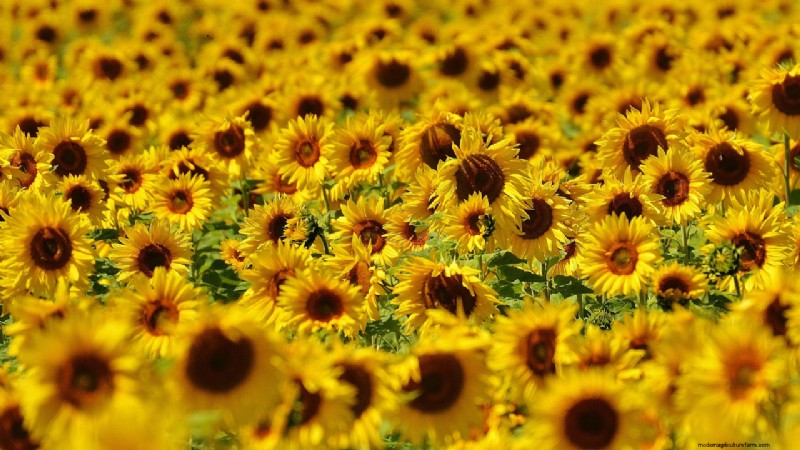
In addition to the options above, you can also plant for desired characteristics. For example, if you want to have a good succession plant, try sunflowers.
You only have to plant a bunch of them at the beginning of their growing season and one month following that. Plus, sunflowers produce more blooms the more often you cut them. You can also plant for vase life. The Oklahoma variety of zinnias has a great vase life.
Also, be mindful of characteristics that aren’t ideal, such as sunflowers taking longer to go from seed to harvest than other single-stem flowers.
If you’re seeking places to sell your flowers, numerous options are available. Begin by establishing a booth at local festivals and farmers’ markets. Once you have gained experience and confidence, you can explore mass marketing your flowers directly to garden centers, florists, and supermarkets that operate year-round.
There are also pop-up stands, wholesalers, and online flower delivery services where you can build your floriculture sales. Another option is marketing your flowers and services toward wedding and other special event planners.
After reading, be sure to check out Renee Nelson’s you-pick flower farm. The operation started making money in the first month and hasn’t stopped since.
Yes, it is possible to make a profit in the first year of farming flowers. However, the first year of growing them has a steep learning curve. When starting out, it is best to focus on two or three types of flowers that are in high demand.
It is also important to do your research, especially when it comes to growing best practices and competition. Researching the best-growing methods mitigates risk, and knowing the competition’s market prices helps you set pricing and earn a profit.
Starting a cut flower farm often requires more capital than the average garden or small business. The start-up costs often depend on the size of the operation and where it is located, but they generally include land, seeds or plants and bulbs, tools and supplies, labor, marketing expenses, and insurance.
To give a ballpark figure, some floriculturists have started their businesses with as little as $1,000, and others spent $20,000 or more.
Of course, there is some variability when it comes to start-up costs, with the figures largely dependent on your farm’s size or whether you invest in high-cost infrastructure (e.g., high tunnels, greenhouse, or irrigation systems).
It’s also good to figure in any labor costs associated with keeping the farm going and any unexpected costs that may arise.
These books and online articles have inspired thousands to start growing flowers for sale locally.
Starting a flower farm is more than just planting seeds; it’s about nurturing a vision, cultivating passion, and watching your entrepreneurial dreams bloom. Whether you’re inspired by the vibrant hues of petals or the prospect of turning a profit, here are the essential takeaways from our comprehensive guide:
With the right mix of passion, knowledge, and dedication, you’ll not only see your flowers flourish but also witness the blossoming of a profitable venture. So, here’s to planting the seeds of today and reaping the colorful rewards of tomorrow. Happy farming!
We hope you enjoyed our beginner’s guide to flower farming and found it helpful! Here are some helpful FAQs for entrepreneurs wanting to know how to start a farm.
Flower farmers make money by selling at farmers’ markets. They can also sell fresh cut flowers directly to florists, restaurants, or through flower delivery services. They can also offer workshops to teach others how to grow and care for their flowers. Also, if you have any leftover flowers after the harvest, give some away – it’s a wonderful way to spread the joy that flowers bring!
Yes, many florists buy locally grown flowers from flower farms. This helps support the local economy and provides customers with fresh-cut, high-quality blooms.
Annual flowers are those that complete their life cycle within one year, while perennial flowers can live multiple years. Annuals tend to be hardier and easier to grow, while perennials require more skill and knowledge.
The competition in growing and selling flowers can be quite high, especially if you are targeting a specific market. It is important to understand the local market and what makes your flowers stand out from the competition. Researching other flower farms in the area and understanding their pricing structures can also help inform your decision-making process.
It depends on what the bouquet will be used for. For instance, you’ll often see lilies, roses, and tulips used in weddings. Additionally, some hardy annuals, such as black-eyed Susans, work well in bouquets. When arranging bouquets, it’s important to consider the colors, shapes, and textures that you want when choosing flowers.
Professional flower farmers often employ a variety of strategies, such as rotating crops to reduce pest and disease risk, planting in succession to ensure a steady supply of flowers throughout the year, and using mulch and organic fertilizers to improve soil nutrient levels.
Another important lesson in your first-year flower farming is that there is always more to do tomorrow. One specific tip is that heat mats are good for certain plants that thrive with heat. For instance, zinnias and basil will grow better inside if you use a heat mat.
Image: Envato Elements
More in: Farming Business, How to Start