Welcome to Modern Agriculture!

Are you facing a chainsaw problem? You have discovered that one or some teeth have broken off, and you wonder if it can get fixed. Rest assured, we compiled a guide for getting your DIY chainsaw project done right.
If you have a chainsaw with a broken tooth, the best course of action is to file, replace, or rebuild it. Here is how to approach all three:
No matter your choice, we will guide how to fix or replace your broken tooth in no time. Keep reading to learn how to resolve your chainsaw problem appropriately.
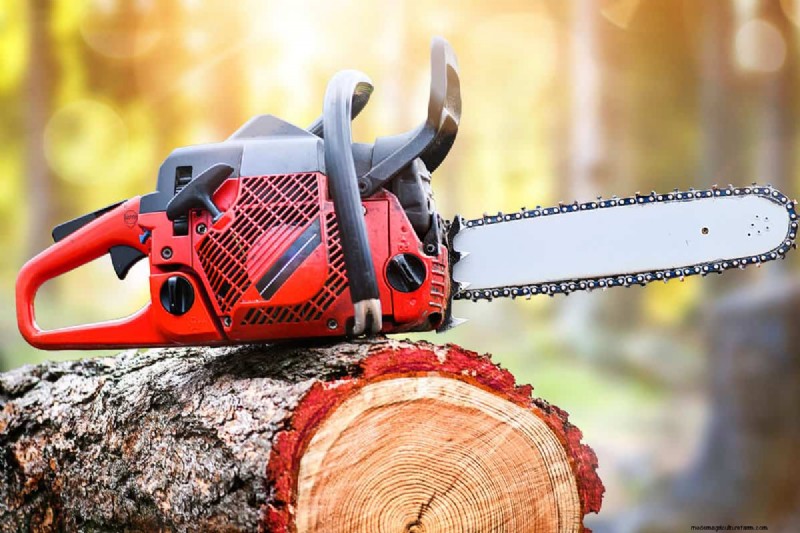
If you think your chainsaw might have a broken tooth, there are several ways to check for it.
Inspect your chainsaw regularly for signs of damage, such as broken teeth. Doing so can prevent further damage and keep your chainsaw performing at its best.
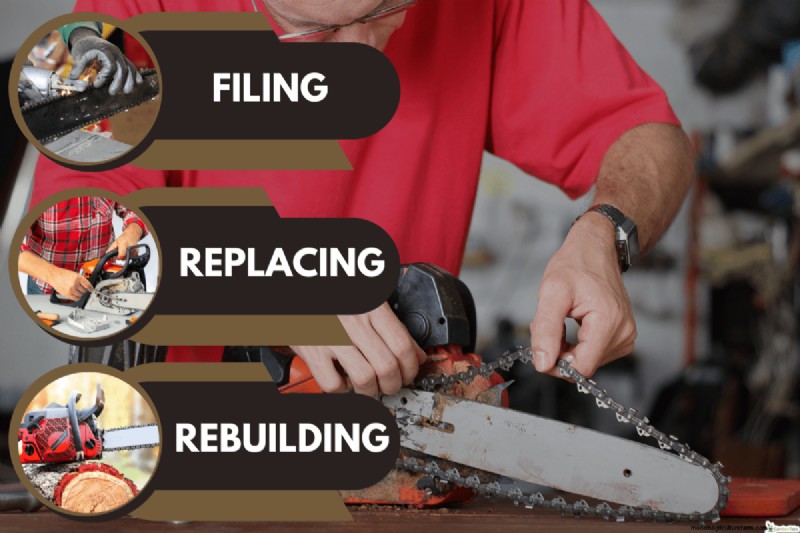
If you have a chainsaw with a broken tooth, several options are available, depending on the severity of the damage. You may file the tooth down, replace it with a new one, or rebuild it altogether.
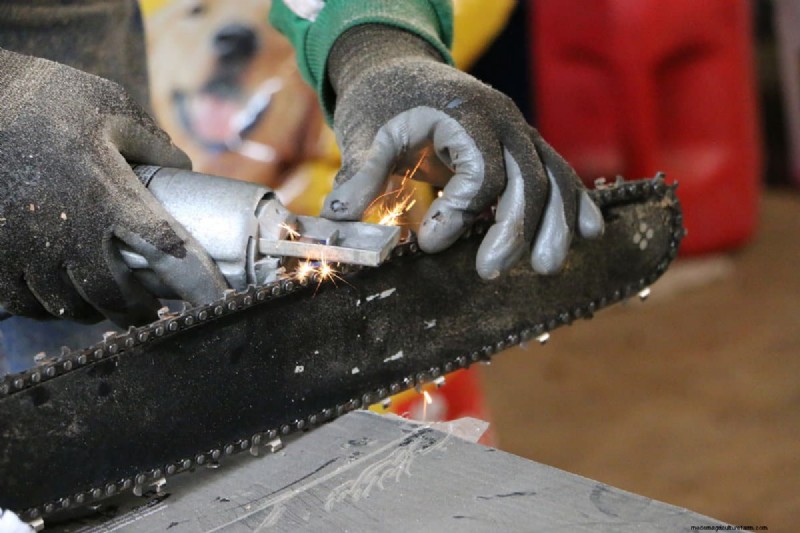
Filing or sharpening is often the easiest and cheapest solution since it only requires an appropriately sized round or flat file.
To do this, you must remove the chain from the chainsaw and locate the broken tooth. Get stump vise hammered into the log to stand it properly. Using a round file, lightly sharpen each side of the tooth following its shape. This setup will help restore any damage done by wear and tear.
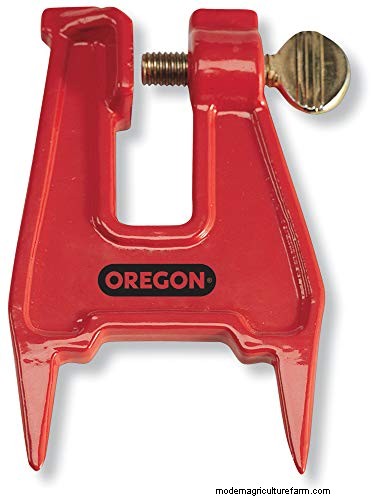
Get this filing vise on Amazon.
If the broken tooth is too worn out, filing may not be enough to restore its sharpness, and you may need another solution.
Replacing offers an easy way to fix your chainsaw’s broken teeth as long as you find replacements that fit correctly. It can take trial and error to get just the right size, but remove the old chain from the housing and attach your new ones in their place. Use a pocket wrench and flathead screwdriver to remove the bar side panel and plates to access the chain. Then, locate the tensioning screw and remove it to install the new chain. Ensure that you align the guide bar properly and tighten it correctly.
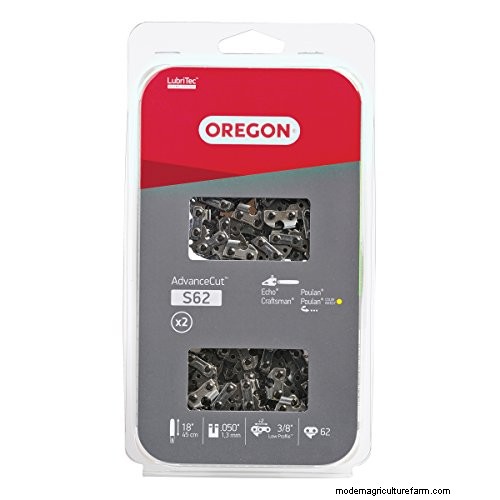
Get chainsaw chain replacements on Amazon.
Rebuilding is a more advanced option that involves taking apart your entire chainsaw’s drive system to get access to all its components. In this case, you can inspect for any additional problems before reassembling them correctly.
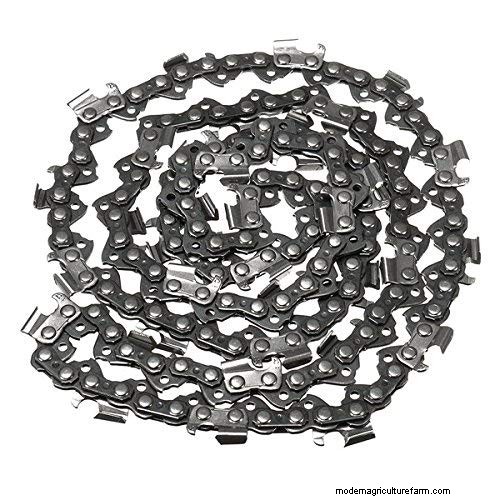
See this chainsaw chain on Amazon.
This setup requires knowledge of how this complex chainsaw system works. So, if you do not feel confident attempting this yourself, it would be better and safer to contact a professional mechanic.
If you have the know-how to proceed, do so by ensuring all the links match up properly through each section of the chain. Double-check that all rivets and pins are seated correctly in each hole. This will help you keep everything properly aligned and secured so that when using your saw again, it will run smoothly without any risk of further damage due to misalignment or improper installation.
We'll email it to you so you can read it later!
By saving, you agree to receive occasional emails. Unsubscribe anytime.
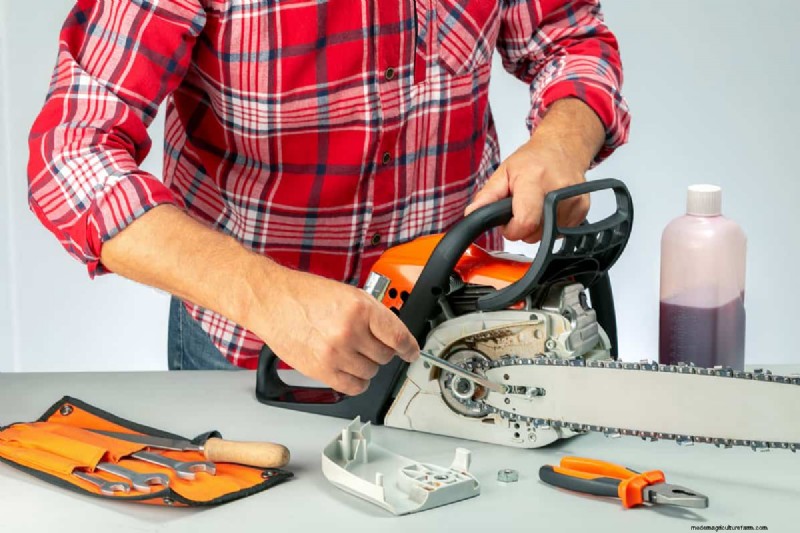
Regardless of which route you decide on fixing your chainsaw’s broken tooth, ensure to take all necessary safety precautions. Always remember that you are working with a power tool, which can be very dangerous.
Wearing protective eye gear, gloves, and proper ventilation must always be your top priority as you deal with these repairs and replacements.
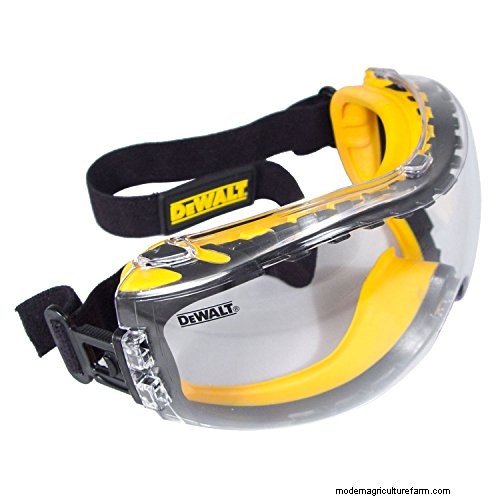
Order safety goggles on Amazon.
Besides that, before beginning any maintenance work, consult your manual for instructions on how to do them correctly. Watching sample videos and reviewing this article would help a lot.
To prevent chainsaw teeth from breaking, it is important to take the proper safety precautions and maintenance. Here are some tips to help you keep your chainsaw teeth from breaking:
A blunt and dull chain leads to a more forceful cutting action which can cause stress on the saw’s components. So, it could potentially lead to broken teeth. On the other hand, a well-maintained chainsaw will not require too much effort to cut through wood and will also help protect the teeth from breakage.
If you are using your saw in wet or muddy conditions, this can increase the chance of getting broken teeth. This is because it adds friction to the cutting surface, increasing the risk of kickback which can damage the chain’s links and teeth.
Ensure that all the components of your chainsaw are in good condition with no visible breaks or cracks. If any parts look worn or damaged, it is better to replace them immediately.
Another important reminder to avoid over-burdening your saw as you try to cut through the materials. See first what type of material you will be cutting, especially for metal or rocks. Remember, too much stress on the chain results in broken teeth due to the increased friction between them and their target material.
You should also know the correct amount of tension while using the saw. Holding it too loose or too tight could damage both the bar and the teeth. Consult the user manual when setting up your chainsaw and periodically check that it still has enough tension. Otherwise, this could lead to broken or bent links and damaged teeth due to excessive force applied during the operation.
The best way to store your chainsaw is in a dry and secure location away from the elements. Find a place that will not be exposed to rain, snow, or extreme temperatures. This will help keep your chainsaw teeth and the rest of the tool in the best shape and form. Storing your saw in indoors is ideal. But, if you keep it outside, ensure to use a waterproof tarp or cover to protect it from moisture.
Ensure there is no risk of damage due to possible contact with another object. So, avoid leaving it on the ground, as this can dull its blades and cause other problems.
Keep your chainsaw out of reach of children and pets. It would be best to store it in an overhead position or locked toolbox to keep them away from harm.
Put away your chainsaw from combustibles like gasoline and oil. These substances can ignite if exposed to the spark caused by starting up the chainsaw.
Proper storage will ensure your chainsaw remains in the best condition for more years!
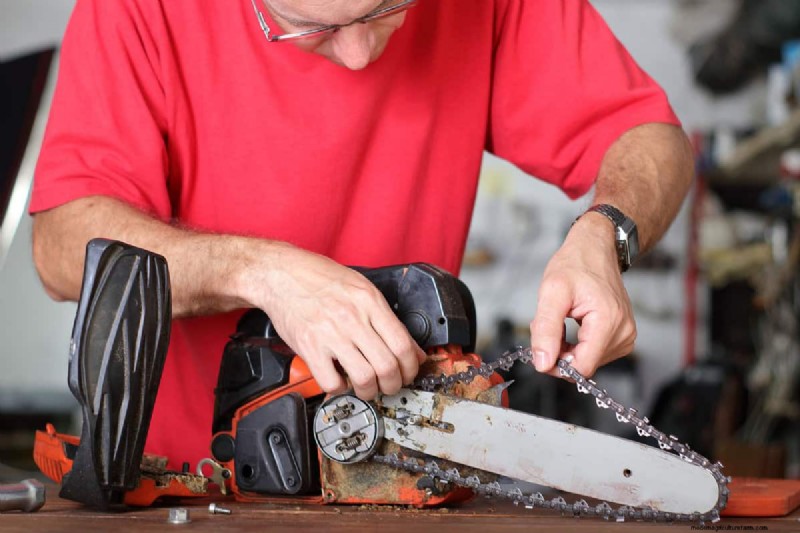
It is recommended that chainsaws be serviced every few months for heavier use and at least once a year for light use. Those who regularly use their chainsaw should have it serviced more frequently to ensure that the engine, chain, and other components remain in optimal working condition.
Regular maintenance will keep your chainsaw running smoothly and reduce potential breakdowns or malfunctions. In addition to servicing your chainsaw, you can check the parts, oil level, chain tension, spark plug gap, bar tension, and all screws and nuts for tightness before using it.
By taking these precautions, you can avoid having g any issues arise during the operation, which could become potentially hazardous.
A broken tooth on your chainsaw can be dangerous. You should take the time to file, replace, or rebuild it as soon as possible. Doing so will help you avoid accidents and keep your saw in the finest condition.
To get more tips on keeping your garden tools well taken care of, check out our posts below:
4 Best Trimmer Lines For Heavy Weeds
Can I Wash My John Deere Tractor? Should I?