Welcome to Modern Agriculture!

Weeping cherry trees require regular pruning to retain their lovely shape. But should the top of a weeping cherry tree be removed during pruning? We did extensive research to provide the right answer.
No, you shouldn’t cut the top off a weeping cherry tree, because your tree will no longer have its weeping form. Rework the weeping cherry tree’s top into a coherent shape by cutting away extraneous stray limbs. Pruning a weeping cherry tree gives the crown a better shape once the trimming procedures for a tree without a graft are finished.
Countless gardeners who plant such trees are unable to prune them properly. To learn more about correctly pruning your weeping cherry tree, continue reading the article.
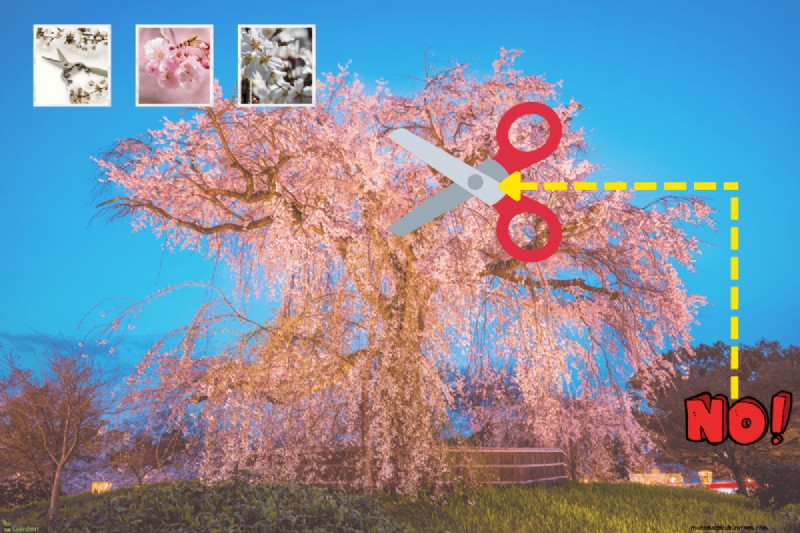
The weeping branches damaged by incorrect trimming will no longer droop downward but begin to grow vertically overhead. Weeping cherry trees come in two types, so identifying yours is necessary before you start pruning.
These trees can be either grafted or naturally grown. Therefore, researching how to prune such kinds of trees is a crucial part of cultivating them. Pruning at the appropriate time helps maintain the strength of the branches’ crowns.
The weeping appearance is created manually. The cherry top of one tree is grafted onto another to cause it to weep.
You should immediately check the trunk underneath the crown to identify whether a weeping cherry tree is natively weeping or has been transplanted or grafted onto another tree. A grafted tree has a noticeable breach or bulge about two inches below the crown on the trunk. The crown’s pruning strategy will be based on this.
Trim branches that climb directly up on grafted trees. But remember, only to perform this on grafted weeping cherry trees. If you allow these branches to keep expanding upward, you’ll ruin the intended appearance of the tree.
On a naturally grown tree, you need not remove the branches that are developing straight. Instead, let these stand.
Avoid cutting these branches since they eventually arch downward on naturally weeping cherry trees. If you cut these off, the tree will no longer have its weeping shape.
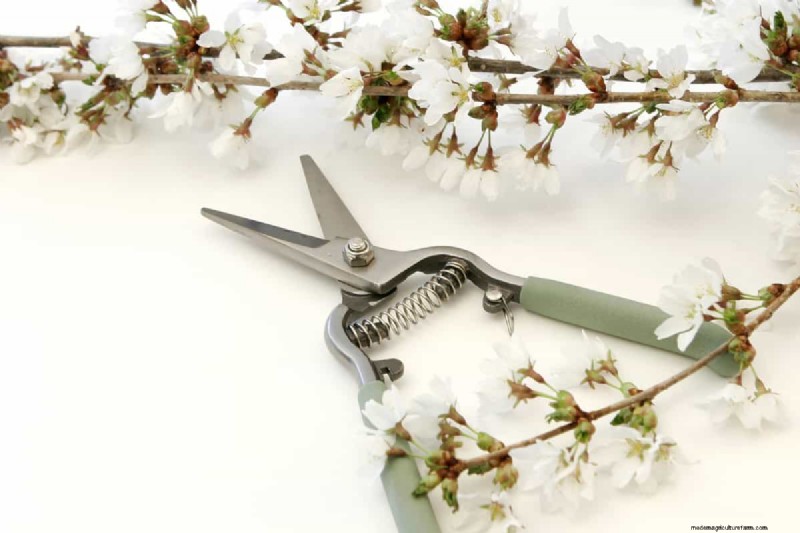
Your next concern is how to prune them now that you can differentiate the two. The tools used to prune a weeping cherry tree are similar to those used for other trees. Pruning shears, a ladder, safety glasses, and gloves are all you need.
Here is how you properly trim your grafted weeping cherry tree.

Click here to see these yard glasses on Amazon.
Below are the easy steps to prune a naturally grown weeping cherry tree.

Check out these pruning shears on Amazon.
We'll email it to you so you can read it later!
By saving, you agree to receive occasional emails. Unsubscribe anytime.
Trimming decorative trees demands proficiency and knowledge of the process. You might damage the form of the tree by pruning the incorrect branch. Weeping cherry trees are subject to the same rules.
Here are several errors to keep away from.
Whether natural or grafted, gardeners should trim weeping cherry trees while they are dormant in the late fall or early spring. The tree’s development has been completed, and it moves into a resting stage at this period of the year.
When you trim the weeping cherry, there shouldn’t be any open blossoms or foliage on the tree. It would help if you cut any aesthetically pleasing areas now.
Additionally, this is the ideal opportunity to repair any harm caused by natural forces. With a bit of practice, this beautification project gets least intimidating and more enjoyable—the rewards of your effort as visible with each blooming season.
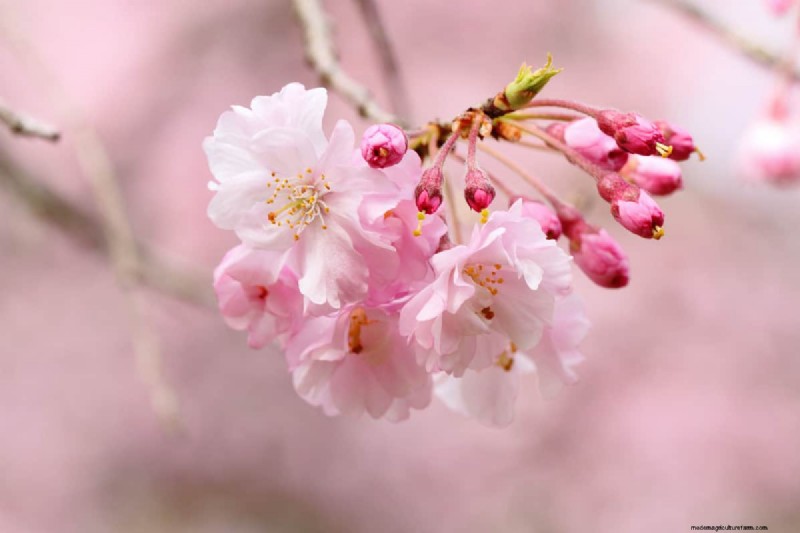
These cherry trees, known as weeping cherry trees, are grown solely for aesthetic reasons. These trees don’t yield fruits, but they put on a gorgeous spring show of pink or white flowers.
There are numerous different varieties of weeping cherry trees. However, they all feature distended branches with dark green foliage. Although weeping cherry trees were historically native to Japan, they are now grown in nearly any environment.
[PIN id=”195977021274668273″ size=”large”]
[/PIN]
The double weeping cherry is a native of Japan and is known for its gorgeous canopy or strong weeping shape, which is unique and distinguishing. Grow this weeping cherry tree alongside other cherries to increase and enrich your springtime floral displays.
Rosy-pink blossoms go well with other blooming flowers and are a delightful surprise. This tree also functions admirably against such a naturalistic background and looks fantastic once incorporated into the environment.
Small fruits and spring blooms may also draw wildlife, contributing to the thrill all year round. When contrasted to certain other flowering cherry trees, this decorative cherry tree seems to be quite pest-resistant.
Landscape architects easily choose the twin weeping cherry tree due to its low maintenance requirements and wide range of adaptation. Also, this type of weeping cherry is capable of surviving in a variety of climatic settings.
[PIN id=”11610911531265714″ size=”large”]
[/PIN]
Dwarf weeping cherry trees are diminutive blossoming trees. The flowering trees and shrubs have supple, pliable limbs resulting from their drooping growth characteristics. The little cherry blossom trees appear to be weeping due to arched branches flowing down the other side of the tree.
The smaller varieties of larger species include small weeping cherry flower trees. By purchasing the dwarf cherry tree varieties, you can admire this little weeping tree in your landscape with much less upkeep. The draping branches and lovely springtime flowers of miniature weeping cherry blossom trees represent their defining features.
Sakura, a type of Japanese cherry tree, represents the most beautiful dwarf weeping cherry tree. The cherry flowers on these diminutive trees resemble powdered puffs due to their massive, exquisitely pink blossoms and a profusion of curled petals.
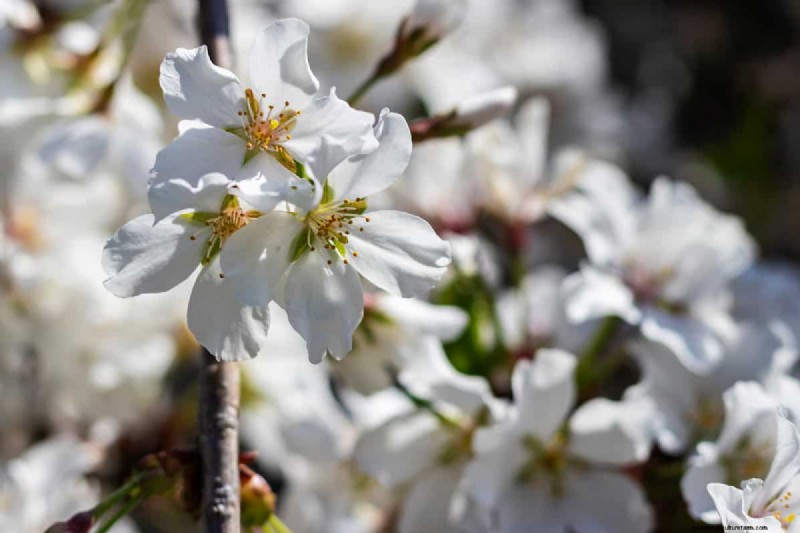
The Snow Fountain is a stunning white dwarf weeping cherry; a lesser selection of snow fountains will work best in more miniature landscapes. Due to their lack of space requirements, these are the optimal option for growing in rows along the land boundary or adjacent to other features like sidewalks or driveways.
These are, nevertheless, mainly utilized generally as decorative accents or as the primary central focus of beautiful gardens due to their incomparable beauty.
[PIN id=”371828512996420365″ size=”large”]
[/PIN]
Higan weeping cherry trees are long-lived ornamentals that frequently make the best landscape additions. The tree offers aesthetic value all year with intense spring flowers, rich green summertime foliage, vibrant autumn shades, and attractive crimson bark.
These are full, semidouble blooms that develop in bunches of four to eight flowers. Higan cherry trees produce stunning white and pink blossoms in the springtime and remain attractive throughout the year.
They have dark green leaves on top in the summertime and gracefully embrace the change to orange and yellow colors in the fall. Its bark’s deep crimson shade shines out during the winter.
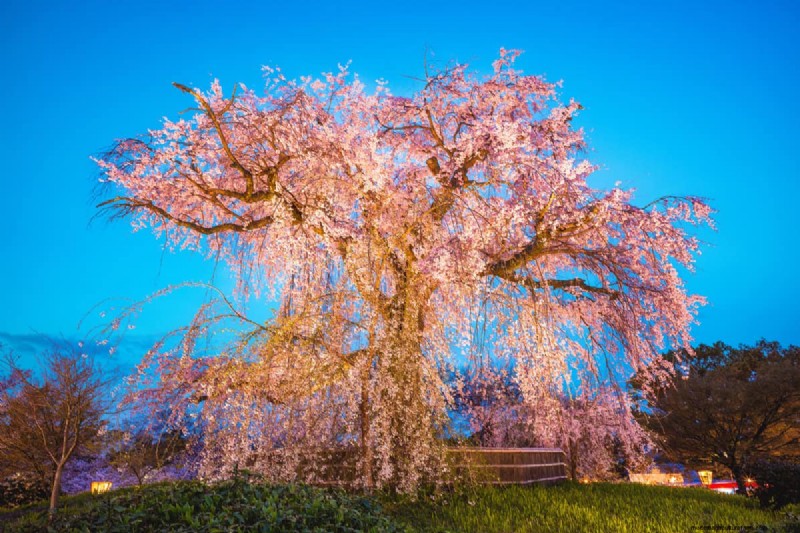
Prune grafted trees once a year in the fall and native ones in early spring or during the fall. Never remove the top of a natural weeping cherry that has grown wild. Doing so causes the tree to lose its weeping shape.
On grafted weeping cherries, however, avoid leaving upright developing branches as they are not weepy and are susceptible to strong winds.
Before you go, here are related articles that you may want to read:
How Fast Does A Weeping Cherry Tree Grow?
Do Weeping Cherry Trees Produce Fruit? [Can You Eat It?]
What To Plant Around A Weeping Cherry Tree?