
Welcome to Modern Agriculture!

You may currently deal with several issues with your John Deer, but the John Deere trouble codes list can help you resolve them. We know how difficult it may be to find oneself switching back and forth frequently due to an unexpected issue that, in some instances, appears to be virtually intractable. We have undertaken extensive research to give you the proper answer.
It’s quite straightforward and ought to be explained in the manual. But assuming you misplaced it or something else happened, here is a quick guide to what to do.
The fault codes are intended to inform you about a recent discovery of a problem in your John Deere. A corresponding code is generally activated immediately after the system detects a problem. Continue reading to the end to learn more about the things mentioned above.
The engine will be connected for a diagnostic if you take your tractor to a John Deere dealer for service. However, you may adhere to these steps to acquire these codes at the household:
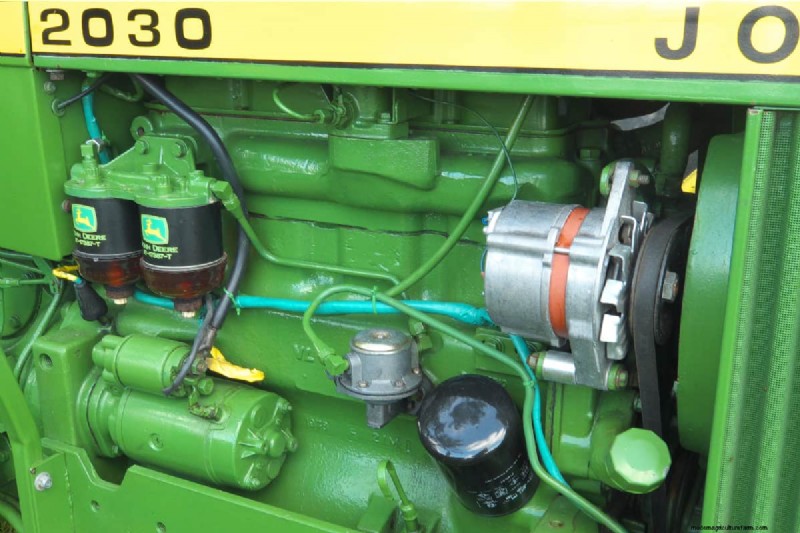
A fault code will be shown whenever a controller detects a problem and if one of the circuit’s parts is not operating correctly. The displayed error codes will then help in identifying the problem. Reading all the codes in your instruction manual could not be easy if you run into any issues.
The list of fault codes that will help you identify the most common problems among the John Deere codes is provided below. Before calling the John Deere service, you can review the error codes below to identify the issue.
Technicians and mechanics utilize the ECU or Engine control unit code descriptions to pinpoint the issue with your John Deere tractor. Despite how excellent engines are, there are times when you may catch yourself staring at John Deere ECU codes.
An engine control unit, sometimes called an ECU, is a computer in your John Deere that converts fuel into power when you drive. The ECU will emit a symbol when there is a malfunction. The unit’s computer automatically scans the codes and informs you of any issues with your John Deere vehicle.
Engine Control Unit Fault Codes
Fault Code Description (ECU 000097.03)This code denotes fuel with water.
(ECU 000097.04)
The engine water trap has to be The oil pressure is noticeably low, which
suggests monitoring the engine oil level.
(ECU 000100.03)
High voltage and engine pressure input. (ECU 000100.04)Problem with the voltage signal in the oil pressure
(ECU 000100.18)
Limited engine power and oil pressure. (ECU 000100.31)The sensor detects oil pressure
when the motor shuts off.
(ECU 000102.02)
A sensor for manifold air pressure is malfunctioning. (ECU 000102.03)Intake manifold pressure sensor malfunction.
(ECU 000102.04)
Manifold air pressure voltage signal error.(ECU 000103.00)
Higher velocity while the engine’s power is constrained.The turbocharging speed sensor has been decreased.
(ECU 000103.06)Power for the turbocharger is increased.
(ECU 000103.08)
Invalid turbocharger speed. (ECU 000103.31)Lacking turbocharger speed.
(ECU 000105.00)
The intake air temperature is high. (ECU 000105.04)A temperature signal problem.
(ECU 000105.15)
This code denotes the presence of dustThe manifold’s air temperature is abnormally high.
(ECU 000108.02)
Incorrect barometric pressure sensor. (ECU 000110.00)The temperature of the engine coolant is high.
(ECU 000110.03)
Unreachable engine coolant temperature. (ECU 000110.04)Engine coolant temperature low voltage input.
(ECU 000110.15)
This code denotes a slight rise in engine
coolant temperature.
Troubleshooting issue codes for the Armrest Control Unit, also called ACU codes, appear due to system errors. Look carefully at the mentions that follow.
Armrest Control Unit Fault Codes
Fault Code Description
(ACU 000158.04 / Rear PTO System)ACU has a low voltage.
(ACU 000177.17 / Transmission Oil Temperature Low)The cold oil constrains the engine’s speed.
(ACU 000581.07 / Transmission System)The transmitter is not responding.
(ACU 000974.20 and ACU 000974.21 / Operator Controls)Voltage problem with the hand throttle circuit.
(ACU 002000.09 / Communication System)ECU message not displayed or fuse F24 needs repair.
(ACU 002003.09 / Communication System)No PTP/PTI message is displayed.
(ACU 002020.09 / Communication System)The SFA message is missing.
(ACU 002049.09 / Communication System)Fuse F22 or the missing CAB message requires care.
(ACU 523775.02 / Single Lever Control)Hand presence switch issues.
(ACU 523805.03 / Single Lever Control)The single lever control problem
(ACU 523955.31 / Transmission System)Engine load is excessive when in manual mode.
(ACU 523960.17 / Operator Not In Seat)Low speed with no operator.
(ACU 523960.31 / Operator Not In Seat)The operator is not seated, or sensor issue.
(ACU 523961.02 / Transmission System)While in gear, the gear shifts to Park.
(ACU 523961.07 / Transmission Not In Park)Park lock engagement problem.
(ACU 523962.31 / MFWD System)Incorrect MFWD speed.
(ACU 523966.31 / Transmission System)As it enters home mode, the transmission.
(ACU 523923.02/ ACU 523923.03/ ACU 523923.04)Sensor or SCV I control level switch problem.
(Operator Controls)The transmission control unit, or TCU, is the mechanism that manages contemporary automatic gearboxes. Various fault codes may begin with “TCU” on your tractor screen, which requires quick attention. The trouble codes are listed here.
Transmission Control Unit Fault Codes
Fault Code Description
(TCU 304020.02)The transmission of the signal has a problem.
(TCU 304019.05)The sensor on the clutch pedal is malfunctioning.
(TCU 304050.04 / Hydrostatic Speed Sender)The circuit for channel 1’s grounded.
(TCU 304024.04) (Transmission Oil Temperature Sender)Electrical failure with grounding.
(TCU 304032.03 / Clutch Pedal Switch)A shorted circuit in an electrical system.
(TCU 304057.03) (Transmission Output Speed Sender)The circuit is open or shorted at channel one.
(TCU 304033.03) (Transmission Enable Signal)Circuit problem, shorted.
(TCU 304040.03) (Transmission Oil Temperature Sender)The circuit is either shorted or open.
We'll email it to you so you can read it later!
By saving, you agree to receive occasional emails. Unsubscribe anytime.
There is much to talk about regarding John Deere’s wide age range because so much has happened in nearly 200 years. New methods have been developed, and socioeconomic demands have altered along with the agriculture industry.
Through the years, John Deere has made a concerted effort to keep on top of developments, and the company is still dedicated to providing the greatest equipment.
Below are some of the well-known machinery from John Deere:
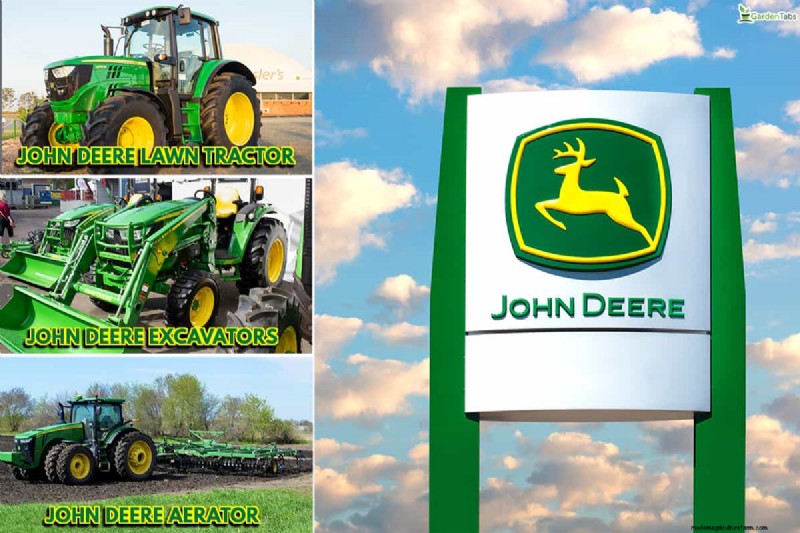
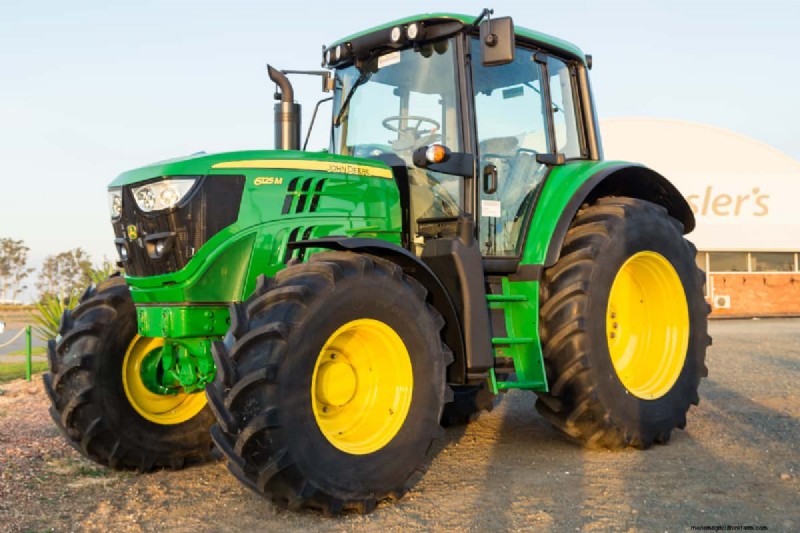
You should be pleased with your grass. Use a reliable lawn tractor that can handle any task on your turf to get as much out of your mowing as the lawn becomes long. Thanks to attachments for every season, you can compost, carry, and pack your way to the ideal lawn.
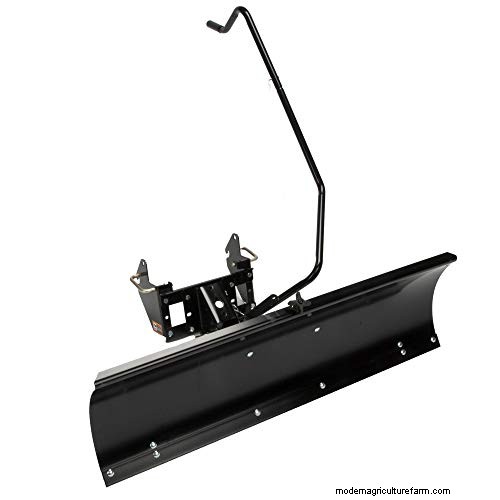
View this lawn tractor accessory-snow plow on Amazon.
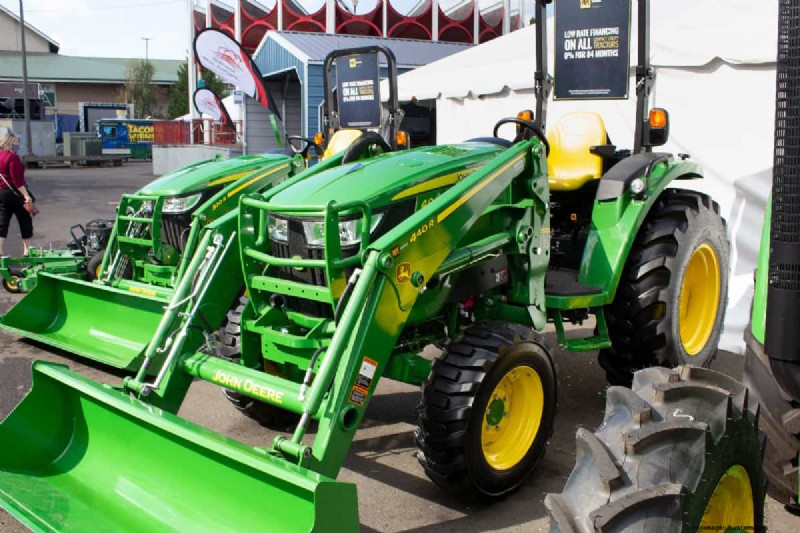
Excavators vary greatly from one another. John Deere has a wide range of hydraulic excavators that can be used for various tasks, including trenching, placing pipe, loading, and site preparation. These earthmovers are tough and dependable, solid as a hammer, and accurate as a scalpel, from their smallest mini to their largest excavator.
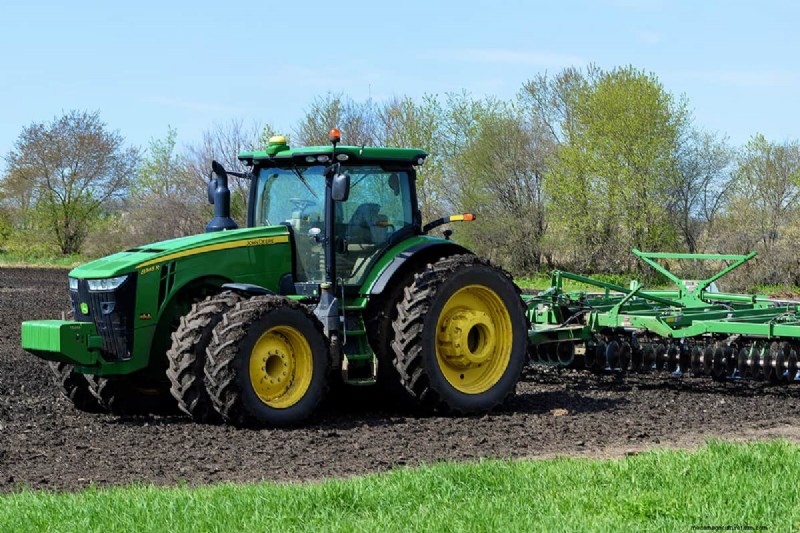
[PIN id=”928023066940244661″ size=”large”]
[/PIN]
Their series of Aercore Aerators, available in walk-behind and tractor-mounted models, produce amazing outcomes upon each fairway and green.
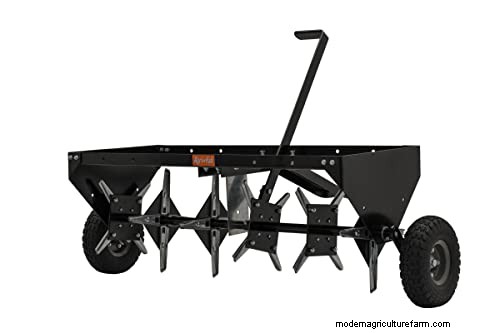
Check out this tow plug aerator on Amazon.
The John Deere Fault Code Manual’s list of engine defects must be entirely learned. Remember the codes you’ve already run into when researching an issue.
This will enable you to assess the likelihood of completing your repair or maintenance. If you are dissatisfied with the situation but cannot determine what is happening, it is still a viable option to simply contact a professional.
Before you go, here are related articles that you may want to read:
My John Deere Fuel Gauge Is Not Working – Why? What To Do?
How Long Should A John Deere Riding Mower Last?
Where To Get Gas For Your Lawn Mower [And How To Fill Its Tank]


