Welcome to Modern Agriculture!

Organic farming operates without synthetic agricultural chemicals—fertilizers, pesticides, herbicides, and insecticides—and excludes GMOs. This age‑old practice is experiencing renewed interest as consumers recognize the health benefits of chemical‑free foods and the environmental risks of conventional inputs. Farmers, too, are embracing organic methods, willing to invest in higher production costs for better yields and market prices. India leads in organic product output, while Australia holds the largest proportion of organically farmed land.
Despite its clear benefits, organic agriculture also presents challenges that are often overlooked.
Organic certification prohibits the use of GMOs, reducing the risk of unintended genetic mutations and lowering production costs. By relying on natural breeding and biodiversity, farmers can achieve stable yields without genetic manipulation.
Organic methods preserve soil health by eliminating synthetic fertilizers and pesticides. Healthy soils enhance fertility, leading to higher crop yields over time and long‑term sustainability.
Studies show that organic produce often contains higher levels of vitamins, minerals, and antioxidants compared to conventionally grown counterparts. The fresher taste and richer flavor further distinguish organic foods.
Farm workers benefit from reduced exposure to hazardous chemicals, lowering the incidence of respiratory issues, headaches, and other health problems associated with pesticide use.
Healthy soils with balanced pH and nutrients strengthen plant immunity, reducing reliance on chemical controls. Natural compounds such as phytoalexins help build robust cell walls that deter pests.
Compost, green manure, and cover crops generate organic fertilizers directly on the farm, cutting input costs and fostering a closed‑loop nutrient system.
Organic systems support a wider range of crops, from heirloom vegetables to specialty fruits, expanding market opportunities and enabling premium pricing.
Organic farming reduces petroleum‑based inputs and promotes carbon sequestration. Michigan State University estimates that healthy organic soils can store up to 1,000 lb of carbon per acre per year when managed with cover crops, no‑till, and diverse rotations.
Additionally, the 2023 FIBL study found that organic farms support 30–50 % more pollinators, birds, and beneficial insects than conventional fields.
By avoiding soil‑depleting practices, organic agriculture combats desertification and preserves arable land for future generations. Its restorative approach aligns with global sustainability goals.
Unlike conventional agriculture, organic farmers often lack government subsidies. When weather events damage crops, they may face financial hardship without compensation, potentially forcing a return to conventional practices. The 2024 Farm Bill extension excluded critical “orphaned” organic projects, further jeopardizing the sector.
Organic crops may still rely on natural pesticides, which, though safer than synthetic options, can pose health and environmental concerns. Their lower potency may require more frequent applications, raising the risk of toxicity.
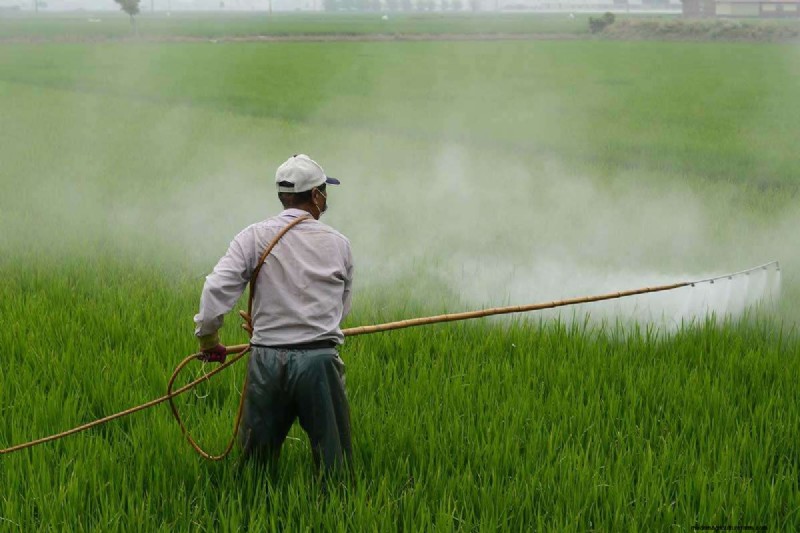
Historical use of synthetic chemicals can leave residues in the soil, complicating certification and undermining the principle of chemical‑free farming.
Many organic farms operate with traditional methods while still depending on industrial logistics, which can create a high carbon footprint and hidden inefficiencies.
Transitioning to organic requires investment in quality soils, composting infrastructure, and certification. Although long‑term soil health reduces ongoing expenses, the upfront outlay can be significant.

Success in organic farming demands a deep understanding of soil chemistry, crop ecology, and emerging technologies. Farmers must stay informed to optimize yields and maintain certification.
Weed control, crop monitoring, and record‑keeping require substantial manual labor, raising operational costs. Advances in precision agriculture can mitigate this over time.
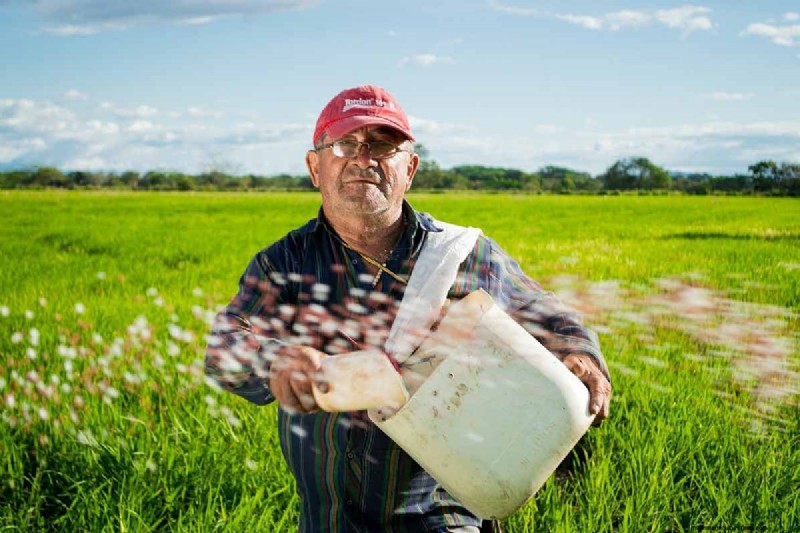
Organic growers must closely observe crops during critical periods to prevent pests and disease. Any lapse can jeopardize an entire harvest, demanding vigilant oversight.

Certification involves detailed paperwork and rigorous inspections that many farmers find daunting. Without certification, market access and premium pricing can be limited.
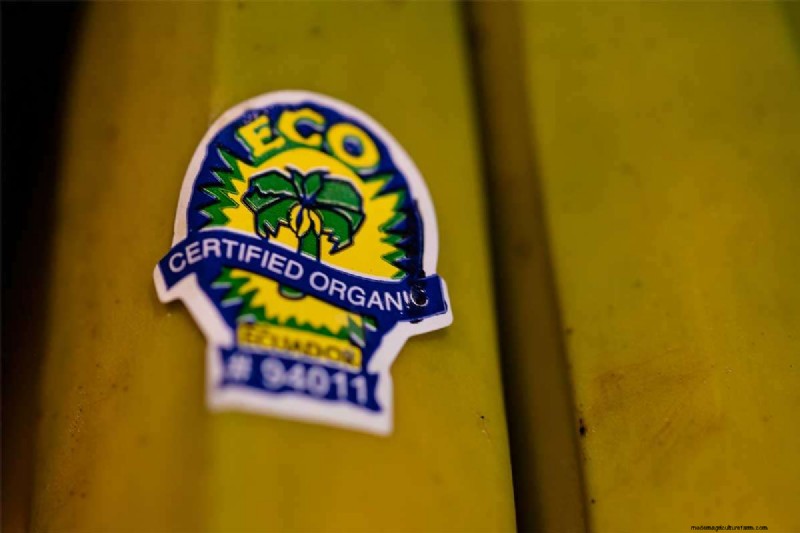
Organic products target a niche market that may still be unaware of their benefits. Higher price points and limited distribution channels make competition with conventional producers challenging.
While the hurdles of organic farming are real, the long‑term benefits for health, environment, and food security outweigh these challenges. Consider whether organic farming aligns with your goals for a sustainable future.
Share your thoughts in the comments below!