
Welcome to Modern Agriculture!

Agroforestry combines tree cultivation with traditional farming and livestock management to create a holistic, sustainable system that boosts yields, enhances soil health, and protects biodiversity.
The primary goal is to maximize land productivity while maintaining ecological balance. By integrating trees, shrubs, crops, and animals, agroforestry improves soil fertility, reduces erosion, and sequesters carbon, making it a powerful tool against climate change.
Governments and environmentalists worldwide now champion agroforestry as a means to meet rising food demand and mitigate the negative impacts of intensive monoculture farming.
Modern agroforestry systems are categorized by the main components farmers use.
These systems interplant crop species with tree crops. With proper irrigation, crops can be harvested annually, and with advanced management, up to four crops per year are feasible. Farmers should avoid continuous cultivation of the same grain crop on a single plot to prevent long‑term yield decline and opt for wider spacing to allow optimal root development.
Here, woody plants are used to improve pasture quality and support livestock. The system has three sub‑categories:
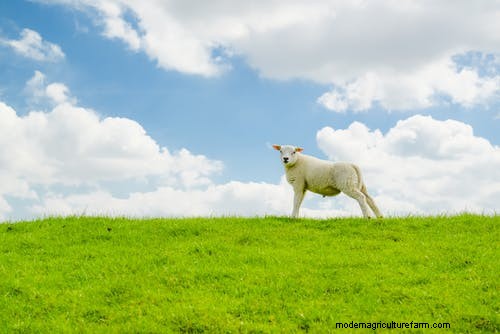
These combine annual crops, pastures, and woody perennials. Two common arrangements are:
Agroforestry enhances food security by diversifying produce—fruits, nuts, leaves, fodder, fiber, timber, medicinal products, gums, and resins—all while maintaining soil health and supporting local ecosystems.
Tree planting stabilizes microclimates, moderates temperatures, and attracts rainfall, benefiting crops and livestock alike. Roots anchor soils, preventing erosion and preserving fertility. Additionally, trees act as carbon sinks, mitigating climate change and providing medicinal resources at lower costs.
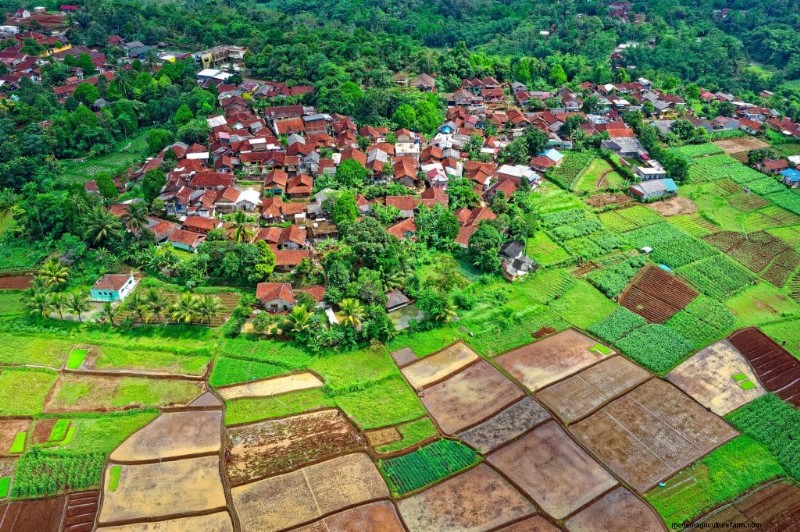
When implemented with careful planning, agroforestry safeguards natural resources, improves water quality through filtration, and supports biodiversity by offering habitats for diverse species.
Economically, agroforestry creates jobs—from planting and maintenance to harvesting and product processing—strengthening rural livelihoods and reducing the need for migration.
Overall, agroforestry is a climate‑smart, sustainable approach that balances agricultural productivity with ecological stewardship, ensuring resilient food systems for future generations.