Welcome to Modern Agriculture!

Silvopasture is a proven agroforestry practice that intentionally blends trees, forage crops, and livestock into a single, sustainably managed system. This holistic approach maximizes land productivity while enhancing ecological resilience and farm profitability.
Starting a silvopasture system involves three complementary steps:
Effective management is essential for long‑term success. Rotation grazing protects tree seedlings, while periodic pruning and thinning promote tree health and maximize forage yield. Long‑term regeneration plans ensure that future tree growth is not compromised by overgrazing.
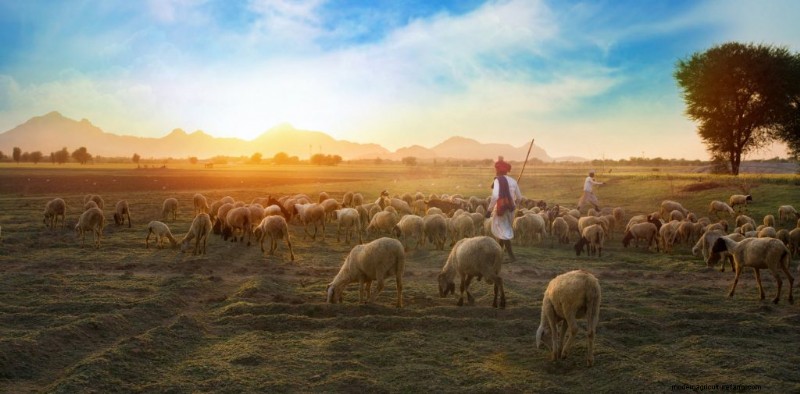
Tree selection is critical. Species should be chosen based on local climate, soil type, and groundwater levels. Conifers are often preferred for their shade tolerance, but hardwoods can offer high timber or nut yields. Proper spacing, strip‑spraying, and early pruning reduce competition from forage grasses and improve tree growth.
Shade‑tolerant perennial grasses and legumes provide continuous grazing. Options include warm‑season grasses like tall fescue, cool‑season grasses such as Kentucky bluegrass, and legumes like crimson clover. Intercropping multiple species extends the grazing season and reduces nutrient competition.
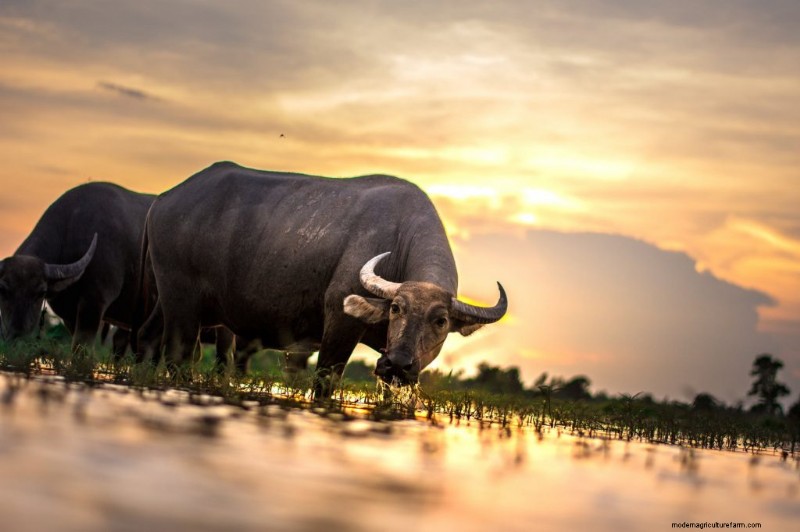
Typical livestock include cattle, sheep, and goats. Monitoring animal behavior is essential to prevent browsing damage. Fencing or protective tree guards may be required for young trees.
Combining timber, nut, forage, and livestock streams diversifies income. Livestock grazing provides immediate cash flow, while trees generate long‑term timber or nut revenue.
Root systems stabilize soil, reduce runoff, and enhance infiltration. Nitrogen‑fixing legumes improve soil fertility, and controlled grazing limits fire risk and weeds.
Tree canopy offers shade and shelter, lowering heat stress and improving animal health. Longer growing seasons and higher forage quality boost livestock performance.
Trees act as carbon sinks, absorbing atmospheric CO₂ and mitigating climate change. The additional biomass from forage also contributes to carbon storage.
Mixed habitats support a variety of wildlife, from pollinators to small mammals. The visual appeal of silvopasture creates a “mini‑zoo” aesthetic that can increase community engagement.
My love for nature is not newfound. I have lived on the countryside for over a decade of my life where I realized how human activities impacted the environment. Later during my stint in medical school, I realized that many of our health concerns originate from neglecting our environmental responsibilities and this was just not sustainable in the long run. Raising awareness, not locally but globally, was the mission. This led to the foundation of EnvironmentBuddy!