Welcome to Modern Agriculture!

Low in calories yet rich in nutrients, mushrooms are celebrated for their flavor and health benefits. From oyster to shiitake, each variety offers unique culinary possibilities.
Urban gardening has surged among remote workers and hobbyists seeking a calming, rewarding pastime. Growing mushrooms at home is surprisingly straightforward—whether you purchase a kit or start from scratch.
Home grow kits can produce impressive mushroom clusters in just days, while DIY cultivation allows year‑round fresh harvests.
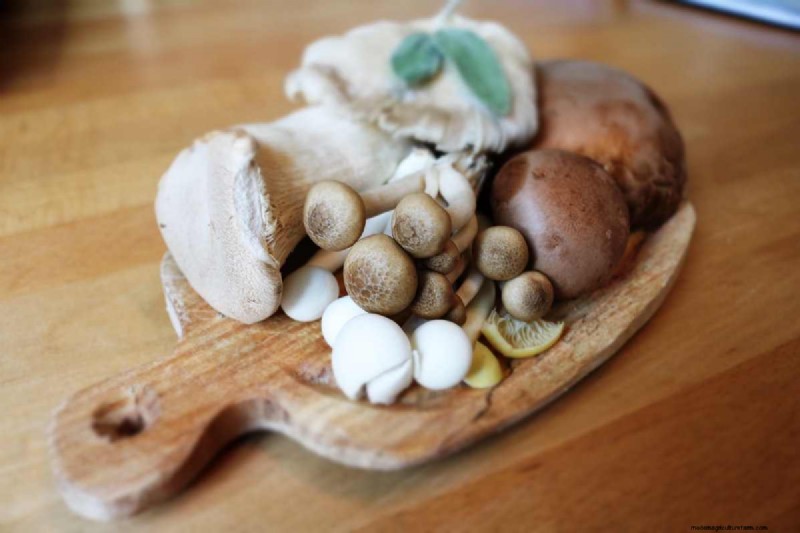
Farmers increasingly turn to mushrooms because they’re easy to cultivate, eco‑friendly, and profitable. Urban growers champion sustainable, organic practices—using non‑GMO spawn, biodynamic substrates, and recyclable packaging.
Below are top kits that combine simplicity with quality. Simply open the box, follow the instructions, and mist with the supplied bottle. Harvest in a week or two, then enjoy fresh, home‑grown mushrooms in any dish.
Back to the Roots’ kit uses a plant‑based soil blend inoculated with certified organic mycelium. Daily misting with the included mister spawns full mushrooms in 10 days. It’s an ideal gift for eco‑conscious gardeners.
Midwest Grow Kits’ monobag system delivers bulk yields. Combine the pre‑colonized grain with the bulk casing mix in the 12″x8″x20″ polybag. The 2‑inch adhesive filter disks allow proper airflow, while the sturdy bag requires no extra support. Clear, step‑by‑step instructions make this kit suitable for beginners.
Forest Origins’ pink oyster kit includes everything needed for a full harvest: plant‑based substrate, inoculated spawn, and a misting mister. Frequent watering yields gourmet mushrooms for pizza, pasta, or soup. A full satisfaction guarantee backs the product.
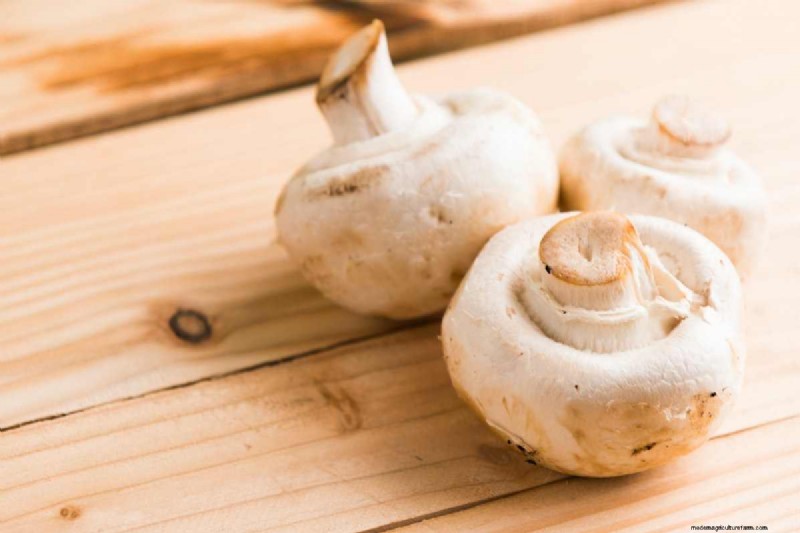
Button mushrooms are compact and low‑maintenance. The kit’s spawn is ready to sow into a wheat‑straw compost base kept at the recommended temperature. Growth completes in a few weeks, and the kit remains viable for 10+ months.
With polypropylene bags and spawn, this kit requires a boiled straw substrate (10% of bag volume). Mist twice weekly; mushrooms appear within a month.
For those preferring milky mushrooms, this kit offers 400 g of spawn ready for a soil mix. Visible growth begins in ~15 days, and the kit can be reused two or three times.
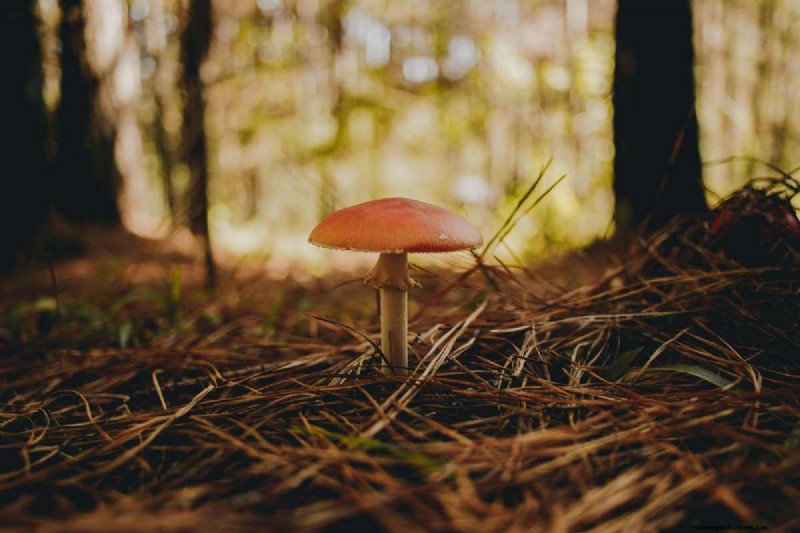
Kits typically consist of sawmill waste compacted into blocks, inoculated with mycelium. The mycelium degrades the sawdust, forming a nutrient‑rich matrix that, when misted and ventilated, produces fresh mushrooms. This process turns waste into valuable food, showcasing fungi’s ecological power.
While kits are convenient, DIY cultivation can be more economical. Oysters and shiitakes can be grown for under $1 per pound. The key requirements are a dark, cool space and a suitable substrate.
Below is a concise guide to starting a button mushroom culture without a kit:
Use a 14×16 in plastic or wood tray, 6 in deep. Fill with manure and compost, leaving 1 in to the top. Sterilize hands before adding spores.
Mushrooms thrive in humidity. Mist the surface once or twice daily or cover with damp towels.
Keep the tray in a warm area; avoid exceeding 70°F to prevent spore damage. Use a soil thermometer for accuracy.
After mycelium colonization, lower the temperature and cover the top with ~1 in of potting soil.
After 3‑4 weeks, cap edges will separate from stems—time to harvest. Cut stems with a knife; avoid pulling to preserve surrounding growth.
Consistent daily harvest can sustain production for nearly six months. If growth stalls, add fresh spawn.
During the pandemic, mushroom kit sales surged 400%, fueled by the rise in home gardening. The global mushroom import‑export market is projected to exceed $86.6 billion by 2025 (IMARC). Restaurants and health‑conscious consumers drive demand, making mushroom cultivation a lucrative investment.
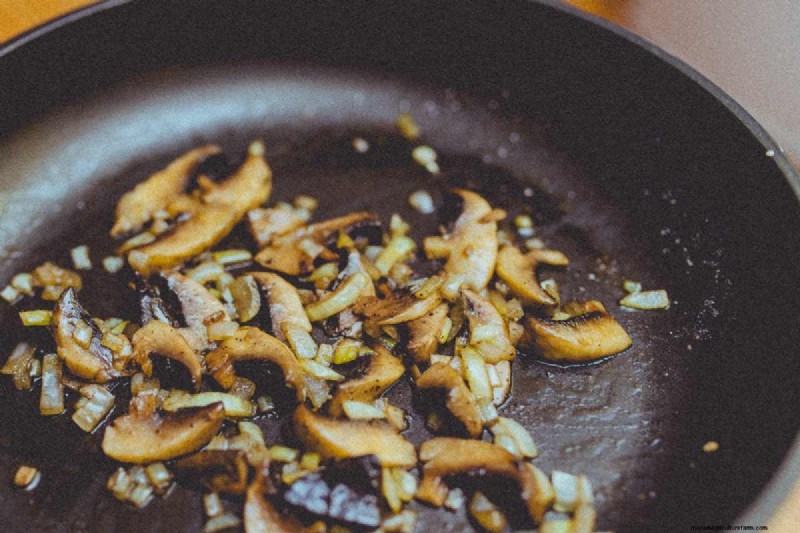
Mushrooms provide fiber, antioxidants, and protein with minimal fat. They support weight management, heart health, and blood sugar control. Emerging research suggests compounds like psilocybin and lion’s mane may aid mental health and cognitive function, though human studies are ongoing.
Urban farming offers a tangible connection to nature, reduces food miles, and promotes mental well‑being. Even apartment dwellers can cultivate mushrooms on a balcony or in a pantry. The process—mist, wait, harvest—offers a rewarding, low‑stress hobby that yields delicious, nutritious food.
Ready to start? Grab a kit, follow our expert tips, and enjoy the satisfaction of growing your own mushrooms.


