Welcome to Modern Agriculture!

Ever dreamed of harvesting your own fruits and vegetables year‑round? A hydroponic garden lets you grow edible plants indoors or on a small balcony without soil.
This soil‑free method is space‑efficient, works from kitchen counters to dining rooms, and is increasingly popular for its sustainability and faster yields.
Read on to explore what hydroponics is, its advantages, and how to build a beginner‑friendly system.
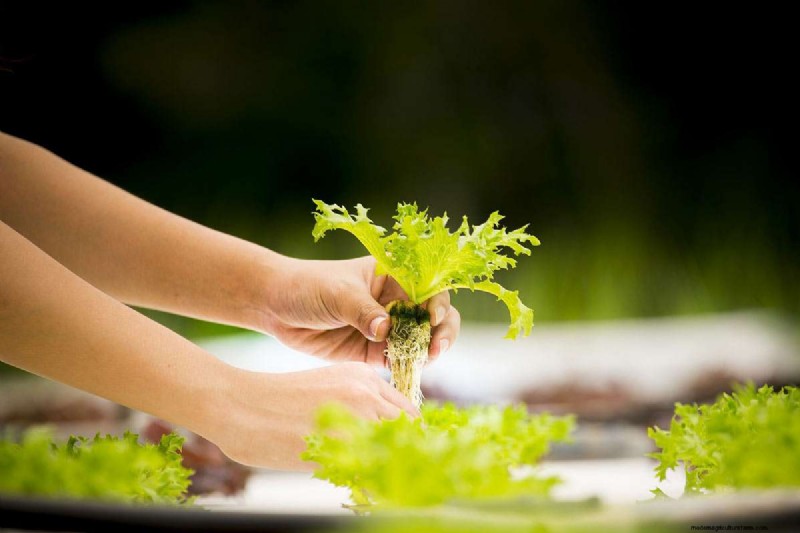
The term “hydroponics” comes from the Greek hydro (water) and ponos (work). In this approach, water becomes the vehicle that delivers all nutrients directly to plant roots.
Plants need sunlight, water, air, and carbon dioxide to grow. Traditional farming relies on soil to supply nutrients, but in hydroponics the nutrient solution is suspended in water, giving roots immediate access to what they need.
Because nutrients are directly available, plants tend to grow 30–50 % faster and produce larger, more robust yields.
Hydroponic systems give growers precise control over pH, temperature, nutrient concentration, and light exposure, allowing them to tailor conditions to each crop’s specific needs.
Indoor hydroponics also incorporates fans or vents to circulate air and provide the CO₂ required for photosynthesis.
Whether you’re working with a limited apartment space or an expansive backyard, hydroponics can adapt to your environment.
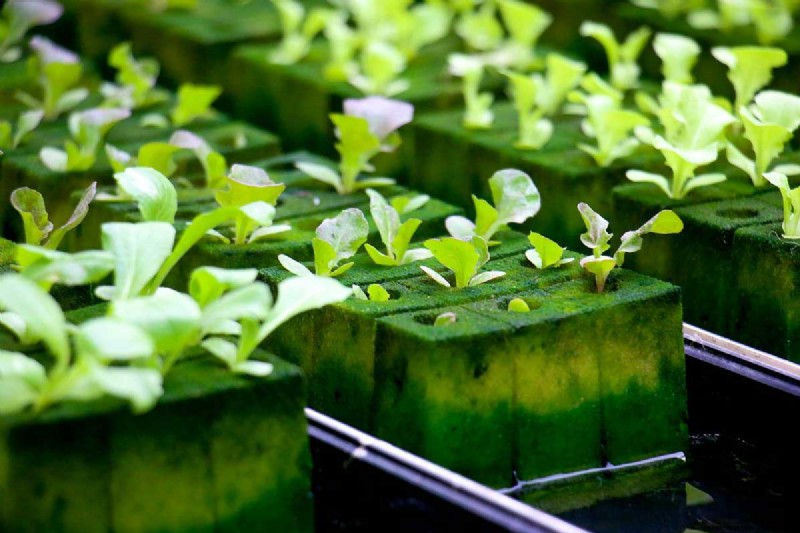
If you’ve never grown a plant before, start with one of the three most accessible systems: water culture, wick, or ebb‑and‑flow. More advanced options—like aeroponics or the nutrient‑film technique—are available once you’re comfortable.
Easy crops include leafy greens (spinach, Swiss chard, kale), herbs (parsley, cilantro, mint, oregano, basil), and small fruits (strawberries, tomatoes, hot peppers).
Kids can also participate, making hydroponics a fun educational activity that teaches responsibility and environmental stewardship.
Some systems suspend roots in nutrient‑rich water; others use inert media such as coconut coir, perlite, or clay pebbles. You can use any standard garden seed—no special pods required.
Because there’s no soil, pest and disease pressure is dramatically reduced, keeping your plants healthy with minimal chemical intervention.
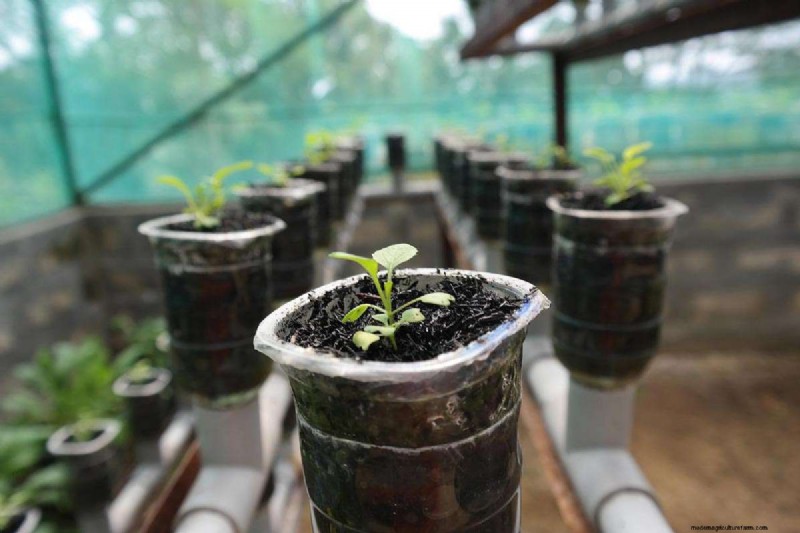
Below is a quick reference to the essential parts you’ll need to assemble a reliable system.
The medium provides structural support while retaining moisture and absorbing nutrients from the solution. It’s pH‑neutral, so it won’t disturb the nutrient balance.
Options include coconut coir, perlite, vermiculite, and rockwool. Choose based on the system type and crop.
In submerged systems, oxygenated water is vital. Air stones disperse tiny bubbles, ensuring a steady oxygen supply to the roots.
They must be paired with a food‑grade air pump and opaque tubing to prevent algae growth.
Mesh planters that allow roots to grow freely and deliver nutrients efficiently. They also provide excellent drainage compared to conventional pots.
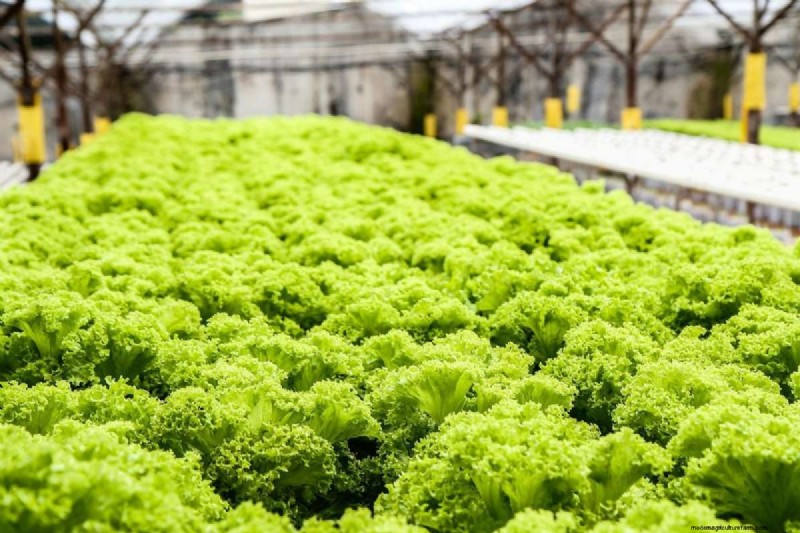
Hydroponics offers several compelling advantages over traditional soil gardening:
With optimal oxygen and nutrient delivery, plants can grow 30–50 % faster than in soil, leading to more frequent harvests.
By recycling the nutrient solution, hydroponics uses up to 90 % less water than conventional agriculture.
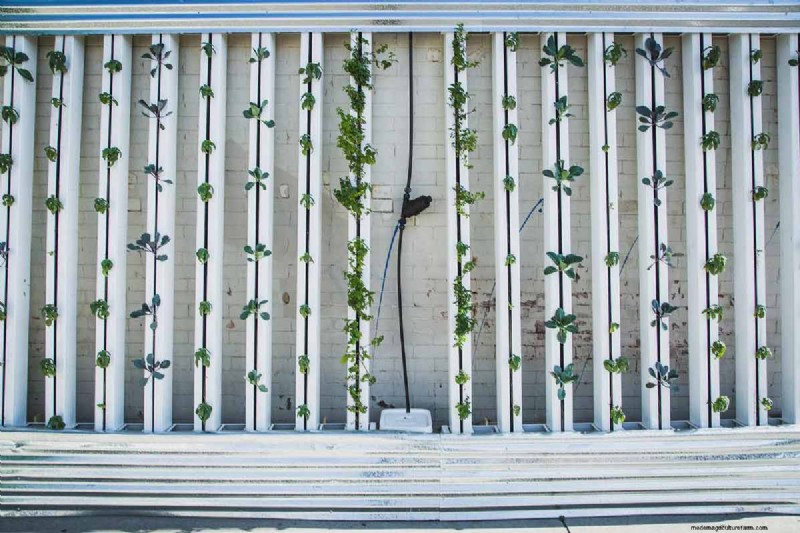
A small countertop setup can yield four times the harvest of a comparable outdoor plot. Vertical or hanging designs further maximize limited space.
Many systems feature automatic timers, pumps, and nutrient monitors that keep the environment steady without constant manual intervention.
Modern hydroponic units are designed to complement home décor—wooden frames, brushed metal, or sleek glass. Brands like Rise Garden deliver both function and style.
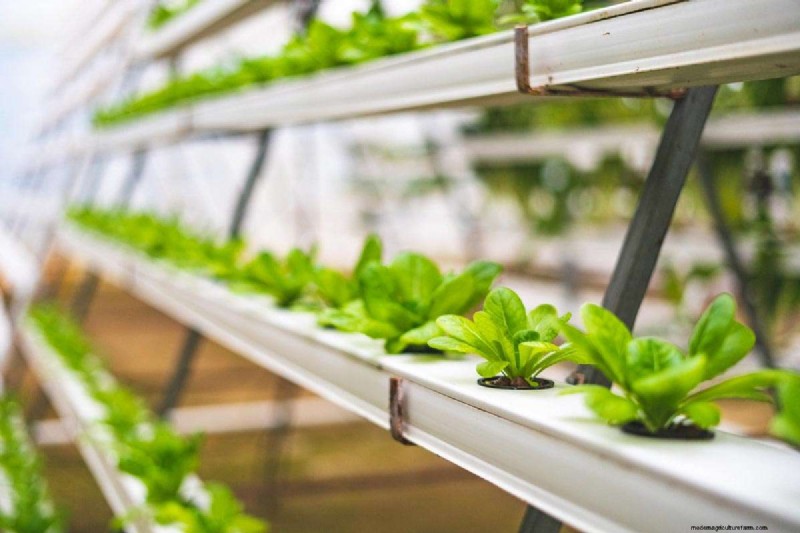
Below is a practical, step‑by‑step guide for beginners, covering the most popular systems and the basic supplies you’ll need.
Essential Tools & Equipment
Ideal for herbs, leafy greens, and microgreens. No electricity required.
Setup
Commonly called a lettuce raft, this method uses a floating platform on a nutrient reservoir.
Setup
Typical cost: $50–$100 (depending on lighting).
More complex but highly versatile.
Setup
Typical cost: $75–$125.
With a well‑managed hydroponic garden, you’ll enjoy fresh produce, reduced environmental impact, and the satisfaction of nurturing life right in your living space.