
Welcome to Modern Agriculture!

Dairy Farming in Kerala
Dairy farming is one of the growing industries. In Kerala, dairy farming offers multiple opportunities to people. Dairy farming provides substantial employment opportunities and income to rural farmers. Dairy farming in Kerala provides an important source of income generation to small or marginal farmers and also for agricultural laborers. The increasing cost of feed ingredients can be reduced by undertaking fodder cultivation.
The livestock farming sector plays an important role in the Kerala economy because rural parts of Kerala helps to overcome poverty and unemployment to a great extent. It also ensures a regular flow of income to the weaker section of the population. Normally, dairy farming in India has evolved from just an agrarian method of life to a professionally managed industry. In India, a large number of rural families are engaged in dairy production, for which this is an important source of secondary income.
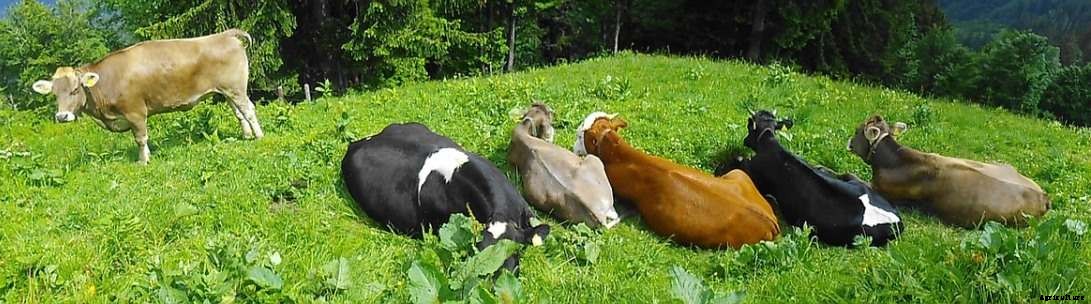
In Kerala, dairy farming has now gained the status of a profitable enterprise and scope for marketing milk and milk products. Out of the total milk consumed in Kerala, about 25% is met from the neighboring States. Then, agriculture is the main income source for the farmers of Kerala, crop residues and agricultural byproducts are available in plenty, which can be utilized for feeding animals. Dairy farming is the best alternative source of income for the farmers of Kerala due to the fall in the price of crops and natural calamities.
In Kerala, every household used to have at least 1 or 2 cows providing the daily essential milk to the family members. Also, associated dairy products were made at homes. Though, dairying evolved as an organizational activity in Kerala after the establishment of small tea shops. In Modern India, an Agricultural Board was formed, and based on their recommendation a military farm was set up aiming to supply quality milk to the soldiers. Key recommendations included;
You may also check this: Fish Farming Profit Per Acre In India.
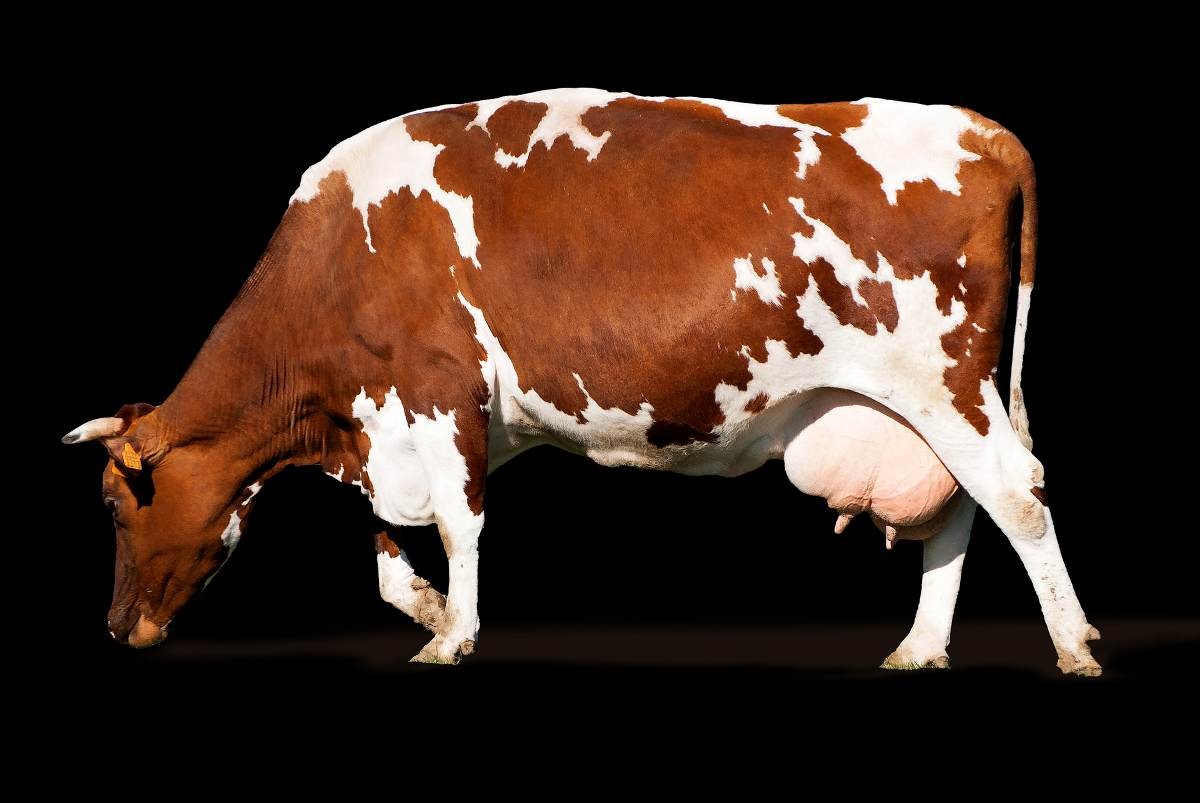
Cattle farms are helping to increase milk production in Kerala;
In Kerala, dairy farming is an important source of subsidiary income to small and marginal farmers. Being a balanced food is a necessary part of the diet of the children and invalids. Then, the changing food habits of the people have increased the demand for milk and milk products. The per capita consumption of milk approximately 240 gm/day, and that the 333 lakh people of Kerala require about 79.92 lakh liters of milk per day.
Kerala’s annual milk production has improved to about 27.91 lakh tonnes. Though, the State still depends on neighboring States to meet 30% of its requirements. In Kerala, if there is a level playing field for the private, cooperative, and Government sectors, milk production can be doubled in 10 years. Considering the livestock as an agricultural activity, subsidized urea which is the cheapest source of protein must be made available to agricultural farmers for use in the cattle feed industry. Then, this would enable the industry to supply better quality feeds at reduced rates.
The Government should help in making available fodder to dairy farmers at a reasonable cost. This will go a long way in ensuring that dairy farming in the state a profitable business. Low per capita availability of land, insufficient green fodder, high feeding cost under concentrate-based feeding pattern, comparatively low productivity of milch animals, and high labor cost are the dairy development activities of Kerala.
It is easy to understand that unless cattle are providing with good housing facilities, the animals will move too far in or out of the standing space, and defecating all around. Dairy cattle can be successfully housed under a different variety of conditions, ranging from close confinement to little restrictions except at milking time. Though, two types of dairy barns are in general use at present.
Good dairy sheds have simple design features to improve cow and farmer comfort, hence cow performance and farm profitability. In hot climates, the below features are particularly important;
Categorized the Kerala dairy market into major product segments are Liquid milk, Ghee, Curd, Paneer, Ice-cream, Table butter, Skimmed milk powder, Frozen or flavored Yoghurt, Cheese, Dairy whitener, Fresh cream, Lassi, Buttermilk, Sweet condensed milk, Infant food, and Malt based beverages.
Some of the fastest-growing segments include frozen/flavored yogurt, cheese, UHT milk, flavored milk, and buttermilk. Dairy farming in Kerala was mostly concentrated in paddy farming locations due to the reciprocal advantage of organic manure for rice cultivation and crop residues for cattle. Then, the intensive adoption of better breeding practices can be a reflection of the general trend in Kerala.
Generally, milk is a wholesome food among all animal products. It contains in proper proportions the essential food ingredients required by the human body in an easily digestible form. Dairy farming is a class of agriculture in Kerala which aims for the large-scale production of milk or milk products. Dairy farming has been a part of agriculture for thousands of years and farming includes cows, goats, and sheep.
Before you decide to start a dairy farm business know what you’re getting into and how you want to get into it.
Dairy farming is a safe business for the below reasons;
The quantity and quality of the feed and water provided largely determines the dairy animal’s health, and the quality and safety of its milk. Dairy animals must be provided with sufficient feed and water daily, according to their physiological needs. The quality and quantity of the feed, including appropriate fiber, must reflect the animal’s age, body weight, stage of lactation, production level, growth, pregnancy, and climate. Feeding practices change during different stages in the growth of cattle. Feeds are classified as concentrates and roughages. Proper feeding means a proper concentrate mixture made up of protein supplements, energy sources and laxative feeds such as brans like rice bran, wheat bran, and gram husk is generally used. Buying an existing dairy farm makes the simpler, and also saves money. Whether you plan to buy or start it all yourself and makes sure you’ll have the below facilities;
Before proceeding further, you should be clear about the following practices;
1. What is the main objective-Is it commercial, hobby/time pass or is it experimenting?
2. If your objective is commercial, then- you could even go for high-yielding crossbreds. Even Buffaloes also could be an option.
3. Considering the changing climate and suitability of indigenous breeds in thriving well in Indian subtropics, it could be advisable to rear indigenous cows. Also, there is a possibility that the performance of many dairy breeds of indigenous cattle may get disturbed in the high humid conditions of Kerala.
Considering the above, you could start with a few HF and Jersey crossbred cows (please avoid pure Jersey and HF) and few indigenous animals. High-yielding Kankrej animals are available and the price could be less. Though, these animals are very hardy and at times a bit vicious. They get adjusted soon in an open system. Cattle of Kerala are classified as crossbreds and indigenous. While procuring get the help of a qualified veterinarian and get the animals tested for some crucial diseases such as Brucellosis, TB, Para TB, and Mastitis, etc.
Farm animals have been an integral part of Kerala Agriculture. Indigenous cattle breeds that require less feed and care, having high adaptability used for milk production. Among these, the Vechur cow has been recognized as an indigenous breed of Kerala. Some indigenous breeds in Kerala are Vechur, Cheruvally, Kasaragod dwarf, Kuttampuzha dwarf, though only the Vechur is officially recognized as a ‘native’ breed.
The crossbreds, which constitute about 82% of the total cattle available in Kerala, are having exotic inheritance from Jersey, Brown Swiss, or Holstein Friesian or a combination of these different breeds. Exotic breeds of cattle are Brown Swiss, Holstein Friesian, and Jersy.
Indigenous cattle form about 18% of the total cattle in Kerala. The indigenous breeds of the tropics are well known for their heat tolerance, resistance to several parasites and diseases, and high returns even under poor feeding conditions. Following are some of the most important indigenous varieties of cattle in Kerala.
Vechur Cow – Vechur cow is an indigenous breed of Kerala state and got its name from a small place near Vaikom in Kottayam district of South Kerala, the village where it is thought to have evolved. It mainly comes in Light red, Black, White and Grey colors.
Kasaragod Dwarf Cow – The Kasaragod dwarf cattle is a small indigenous cow breed (average size 95cms) that can survive on kitchen scraps and jungle forage. The Kasaragod cattle breed was a contender from a Guinness Book of Records entry for its small size along with Vechur cows. But on average, the farmer is slightly taller than the latter. Kasaragod cattle breed are low milk-producing animals and the average yield is around only one liter per day under average management conditions and this is usually just sufficient to feed its calf. These are generally used for the generation of manure by Kasaragod farmers as an integral part of homestead farming.
Infectious diseases such as brucellosis, tuberculosis, leptospirosis, salmonellosis, and IBR may compromise the milk production chain, but mastitis is undoubtedly the main problem in dairy herds and has a great effect on animal’s welfare and milk production.
Always buy disease-free animals, and keep them isolated from other animals during transportation to your dairy farm. Quarantining new arrivals (and animals that fall sick) is recommended particularly if they do not have trustworthy, recent health records. Your local government can give you specific advice about diseases in the area. Equipment shared between farms can spread disease. Disease-carrying ticks are a major problem for livestock.
Give the animal’s proper nutrition:
Feeding dairy animals can be a complicated business. Then, there are different kinds of fodder and forage plants, which provide different amounts of energy, protein, roughage, and various nutrients. A veterinarian can help you work with the food you have available.
Mineral licks and mineral supplements are an important part of the animal’s diet. Dairy animals have high nutrition requirements. Though, improper nutrition can lead to lower milk production or lower quality milk.
In case if you miss this: How To Grow Organic Vegetables In Greenhouse.
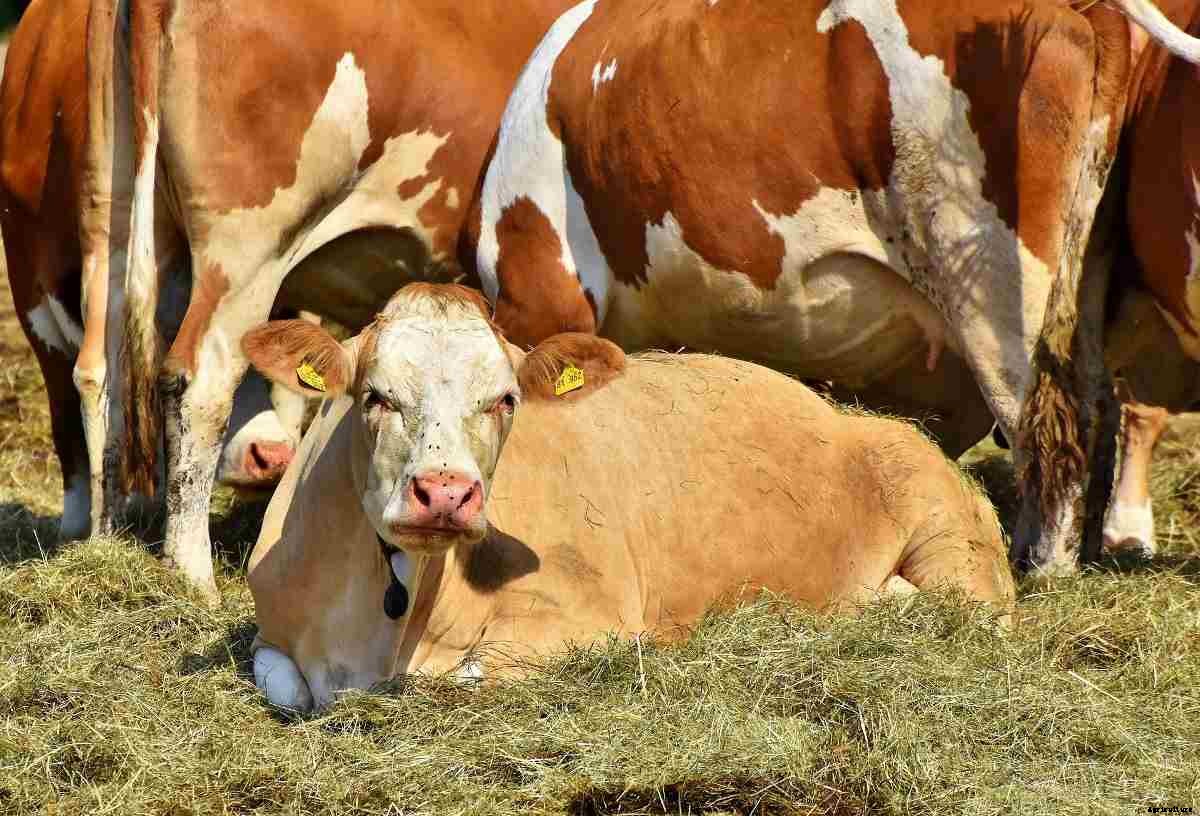
The components used before and after starting dairy business;
Shed – The dairy farm must be a properly covered area before bringing in cattle to be kept.
Land – Dairy farm owners maintain cultivated areas or land for growing fodder crops for cattle. The land area depends on the number of cattle to be kept. Generally, 1 acre of land is sufficient to feed around 7 to 10 cows.
Water and Fodder – Water and fodder should be in abundance, as water helps in the green fodder and fodder growth further helps in the proper nourishment of cattle.
Breed Selection and Vaccination – To yield more milk, there must be good cow breed selection. Also, to control diseases and protect cow’s health, their caretaker must have a strict vaccination schedule.
Best Term Loan offers with minimum documentation
Being a business of high demand, marketing cost is much lesser as compared to the investment necessary in animal husbandry. Also, the investment required to start a large-scale dairy farming business can exceed up to Rs. 1 crore or even more.
The Main Objectives of Dairy Farming in Kerala are;
There are several steps involved in starting a dairy farming business.
There are most important tasks before starting a dairy farming business that is as follows;
To start a dairy farming business, entrepreneurs need to opt for lesser cows or buffaloes at the initial stages. Depending upon the demand the number of cattle can be increased.
A business owner needs to require a company registration certificate by registering his/her firm as a sole proprietorship, partnership, private limited, public limited, limited liability partnership, and NGO, etc. After that, business owners need to own and manage various facilities required to start a dairy farming business;
Also, business owners need to obtain licenses, permits, and permissions from the respective authorities. A special license is required to cross animals from one state to another in special circumstances like illness, and vaccinations, etc.
Dairy Farm subsidy – In Kerala, cow breeding is also an important step in animal husbandry. The first thing an entrepreneur should do is visit as several dairy farms as possible and talk to managers to understand things. The Dairy Development Department has invited Multi-Sectoral Development Programme (MSDP) applications for the Subhiksha Kerala scheme for dairy farmers who are interested in raising good quality native cows.
The cow should be insured for 3 years and the project must continue, and as such a contract must be entered into. Maximum financial assistance 36,500 / –
Kerala is a land gifted with natural amenities for dairy growth and there is ample scope for rearing Cattle, Buffaloes, and Goat.
The implementation of cattle induction schemes such as Pasugramam and Milk Shed Development Programme (M.S.D.P) of the Dairy Development department has created an upward trend in milk production for the last 5 years. Therefore, it is necessary to find immediate solutions to meet the domestic demand as well as to check quitting of farmers from this field. Hygienic milk production and proper care during procurement and distribution have to be maintained. To achieve this intends to assist with the purchase of milch animals (up to 10 milch cow units), Heifer rearing units (5 heifer unit and 10 heifer unit), assistance for purchasing milking machine, and construction/modernization of cattle shed.
1. Milk Shed Development Programme
The objective of the Milk Shed Development Programme (MSDP) Scheme
2. Gau Samridhi Plus Scheme for Dairy Farmers in Kerala
Gau Samridhi Plus scheme launched by Kerala government for dairy farmers.
Gau Samridhi Scheme launched by Thiruvananthapuram to provide insurance coverage to dairy farmers in the state.
Gau Samridhi plus scheme gives insurance coverage to dairy farmers in Kerala. General category in Kerala farmers will get 50% subsidy on premiums and those in SC/ST category will get 70% subsidy in Gau Samridhi Plus scheme.
3. Rashtriya Gokul Mission
The main objectives of the Rashtriya Gokul Mission are;
a) To undertake dairy breed improvement programme for Indigenous Breeds
b) To enhance milk production of Indigenous Bovines.
c) To upgrade nondescript cattle using elite indigenous dairy breeds like Gir, Deoni, Sahiwal, Rathi, Tharparkar, and Red Sindhi.
d) By Rashtriya Gokul Mission, distribute disease-free high genetic merit bulls of indigenous dairy breeds.
4. NPBB (National Programme for Bovine Breeding)
With the implementation of NPBB in Kerala, the State expects to achieve a better Artificial Intelligence coverage through which the genetic potential of the animals is expected to increase.
Objectives of National Programme for Bovine Breeding;


