Welcome to Modern Agriculture!

Fish Farming in Kenya
Fish farming is a profitable business idea in Kenya. Aquaculture plays an important role in the provision of food, livelihood, and source of income in 3rd world countries including Kenya. The country is home to distinct geographic and climatic regions and resources like large rivers, the Indian Ocean coastline, swamps, and Lake Victoria, the largest freshwater lake on the continent. Therefore, a commercial fish farming business is profitable in Kenya.
Kenya takes different forms of aquaculture ranging from the ‘kitchen ponds’, to fairly large earth ponds of about 1000 m2. Dams and other impoundments of stored water are stocked with fish and then harvested periodically. Aquaculture system practices include intensive, semi-intensive, and extensive systems. Tin Kenya, the semi-intensive systems form the bulk of aquaculture production, contributing more than 70% of the total production from aquaculture. Intensive systems are few in Kenya, while hyper-intensive systems are being set up and are projected to contribute as much as 90% of all farmed fish in Kenya by both volume and value.
Currently, fish farming in Kenya has a source of income for several Kenyan households and turned out to be a key economic activity. In Kenya, some farmers practice this productive economic activity for its profits, and others are doing it for family consumption.
In Kenya, aquaculture sector growth is occasioned by the adoption of scientifically proven practices and rising demands for fish aquatic protein. Some of the measures that the Government is planning to support fish farming business in both public and private sector initiatives are;
Selecting a suitable area for fish farming is very important. Earthen ponds are very suitable and it is mostly used culture units in Kenya for commercial fish production. Consider the below tips while selecting lands for fish farming in Kenya;
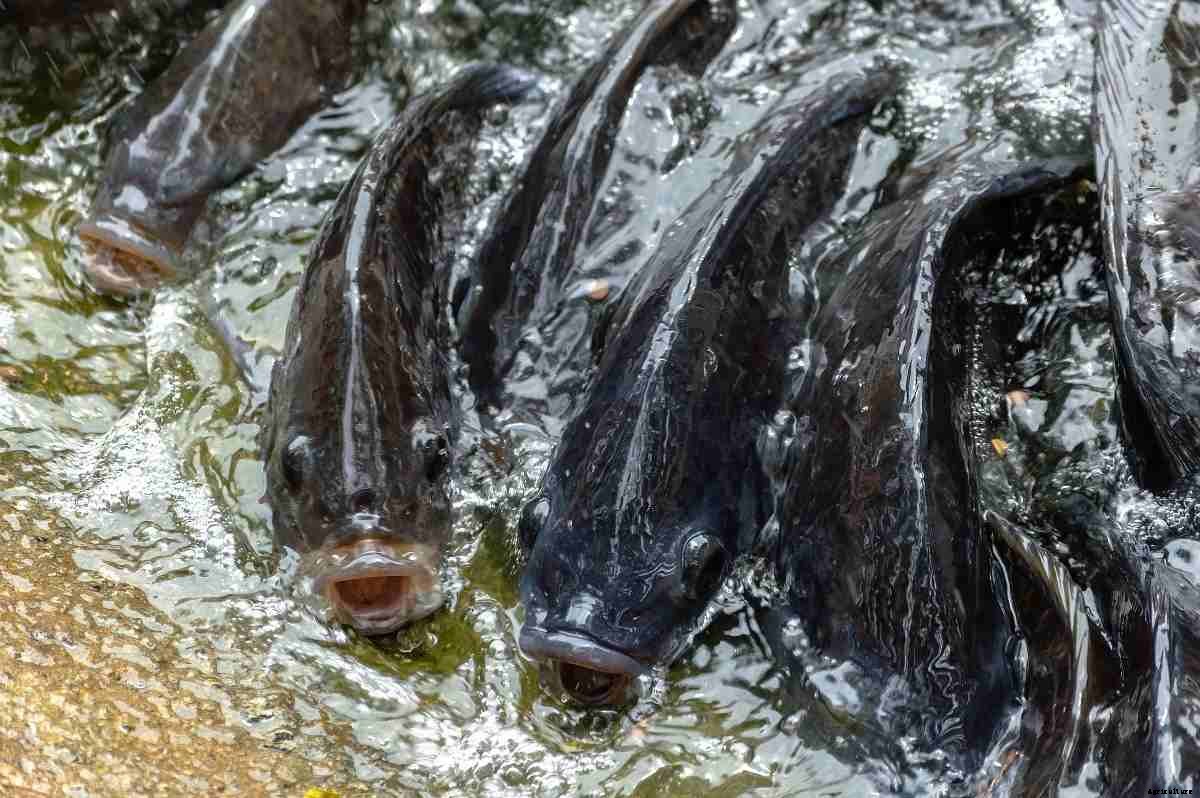
For selecting proper fish species, it is also important to select a good site and well-constructed pond and other good facilities. Tilapia fish has huge demands among all the fish species available in Kenya.
Almost all people in Kenya prefer tilapia fish. Some other fish species you can start culturing that have great demands in the Kenya market are African catfish, common carp, trout, and carp fish types, goldfish, and koi fish, etc. You should follow some tips while selecting the perfect fish species for fish farming in Kenya.
In Kenya, Tilapine fish species form approximately 90% of farmed fish. Some exotic fish species, including the common carp, rainbow trout, and largemouth bass, have been introduced in Kenya for aquaculture purposes. The common carp was introduced during the colonial period but is not favored by the market.
There are many benefits or advantages of fish farming in Kenya. Here are some important benefits of fish farming in Kenya are listed below;
Well, the fish farming business is a venture that traces roots hundreds of years ago. Today, the Fish farming business is not just a part-time activity but rather can be a full-time venture done on a large scale basis requiring full-time participation from the farmer.
Here is a list of the leading fishing farming methods in Kenya;
1. Freshwater pond fishing – This type of fishing technique is characterized by domesticating a particular fish breed in either a natural or artificial pond.
2. Integrated fish farming – This type of fish farming happens when fish farming is done at the same time with crops and even animals in the same water body.
Crops and animals integrated into fish farming. Two major crops used for integrated fish farming in Kenya are;
Then, the most integrated animals during fish farming are;
For example, animals and plants benefit from each other, wastes from ducks and pigs are used by the fish as food. While the fish, ducks, and pigs feed on crops planted in the used water.
3. Brackish water finfish culture – It is also known as coastal aquaculture, brackish water finfish fishing culture is rapidly growing and plays a critical role in providing Kenyans with seafood. The target customers for brackish water finfish culture are hotels and outlets that mostly serve tourists among other foreigners. It has not been embraced widely in Kenya. Then, this is because end products are lobsters, crabs, and shrimps are not widely eaten in the country. This process of fish farming requires good water vessels that can go deep into the sea. Therefore, this is the main reason why this method is unpopular in Kenya.
4. Mariculture fish farming – In simple terms, the mariculture fish farming technique is practicing aquaculture in deep marine environments. It controls the burden of overfishing as they lead to preserving traditional fish.
Water quality is the most important limiting factor in fish rearing and directly affects feed efficiency, growth rate, the fish’s health, and survival. Aquatic life is highly dependent on physical, chemical, and biological factors of water, and playing a substantial role in the biology and physiology of fish.
In case if you miss this: Fish Farming Profit Per Acre In India.
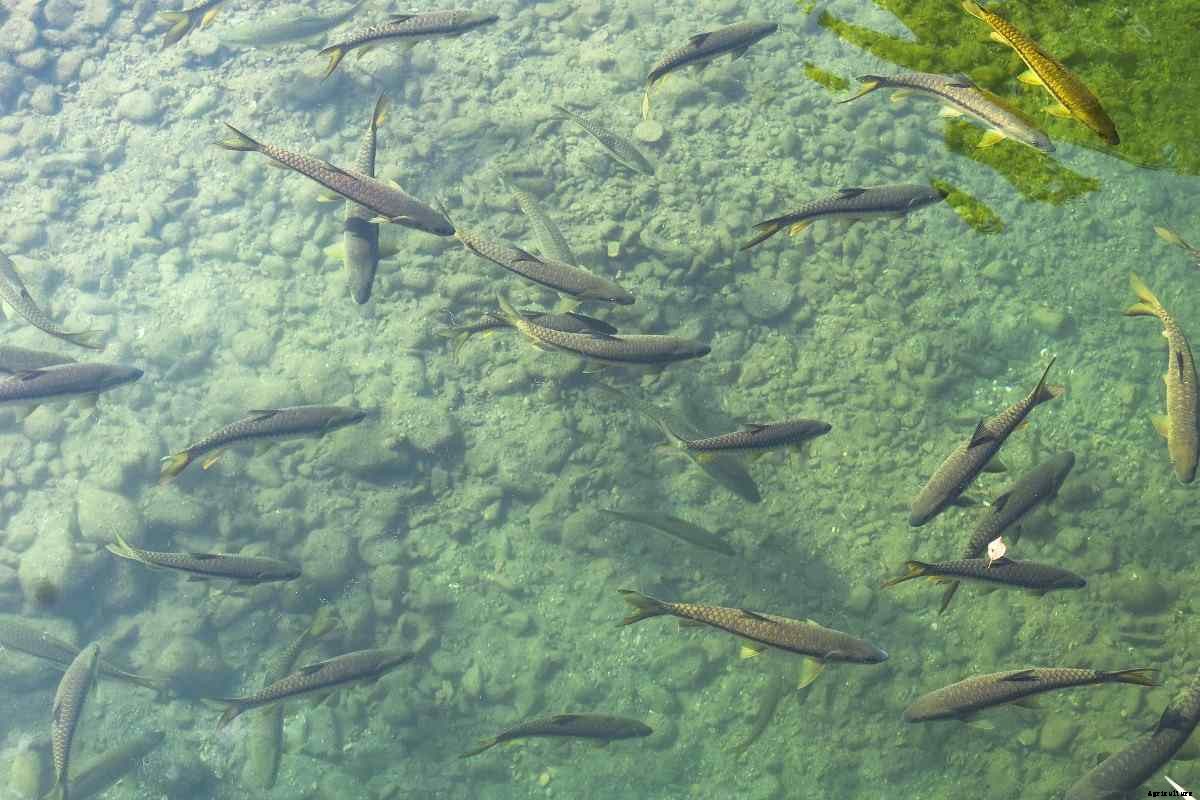
Dissolved oxygen (DO) is one of the important parameters in aquaculture. Maintaining good levels of Dissolved Oxygen in the water is essential for successful fish production. Water quality is an important factor when culturing any aquatic organism. Water quality parameters that are monitored in the aquaculture industry include temperature, dissolved oxygen, pH level, alkalinity, hardness, ammonia, and nitrites.
The common sources of water used for fish farming are surface waters (streams, springs, lakes) and groundwater (wells, aquifers). Of these, wells and springs are preferred for their consistently high water quality. The quantity and quality of water must be adequate to support production through seasonal fluctuations.
Some opportunities exist for increased fish production through improved production systems, increased investment in processing, value addition, efficient distribution systems, and expanded market access to regional and international markets. The below activities are proposed;
Today, fish farming through fish pond construction is one of the most profitable modern fish farming techniques in Kenya. After selecting a suitable land for fish farming in Kenya, and then it’s time to construct a pond. You have to select a pond design based on the fish species you want to produce.
Each type of fish species needs special types of pond design to grow. After choosing the desired fish species, make a pond that enables your fish to grow happily. A well-designed pond based on the fish species ensures good health and maximum production. Contact your local fishery department to get some suggestions and ideas about fish pond designs that are suitable for each type of fish species.
Farm ponds can provide some advantages that can help smallholders. Then, they provide for water storage, can be used to rear fish and aquatic organisms to be integrated with other farm enterprises, and improve and vary farm family diets.
The three major systems practiced in Kenya are the intensive, semi-intensive, and extensive systems. Extensive farming systems utilize the lowest management levels in aquaculture. Though, fish are stocked in floating cages, earthen ponds, and other water impoundments and left to fend for themselves. Therefore, stocking densities depend on the natural carrying capacity of the environment.
In extensive culture, the fish depend on the organic matter suspended in the water flowing through the cages. Then, stocking densities in the cages depend on the natural productivity of the water.
Semi-intensive farming systems, mostly producing Nile tilapia, have been the major contributor to aquaculture in Kenya, with an average production of about 3 tonnes/ha, contributing more than 70% of the total aquaculture production. Earthen ponds and cages are used as holding units for fish farming culture. The fish ponds are fertilized using both chemical and organic fertilizers in varying proportions to enhance natural productivity.
An intensive aquaculture system is largely used for rainbow trout raceway culture. The contribution of this fish is higher by monetary value than by weight. Other intensive practices involve the use of several types of tanks, and sometimes floating cages, as holding units.
Hyper-intensive tilapia culture has already begun through cage culture and about to be started in ponds as well. This system will soon contribute as much as 90% of all farmed fish in Kenya by both volume and value.
Fish feed is formulated by mixing many raw materials to make a balanced diet. Generally, the utilized feed ingredients for fish production are wheat or rice bran, cottonseed cake, cassava, freshwater shrimp, etc. Fish production has rapidly increased in recent years in Kenya.
Fish feed is important in fish farming. The high-quality fish feed can improve the fish living environment and ensure healthy fish stock growth.
Fish feeds constitute 40 to 50% of the total production costs in aquaculture. The cost of fish feeds is one of the main limiting factors to aquaculture development. Commercial feeds are too expensive for local farmers. To minimize feed costs for fish farming, the use of locally available fish feed ingredients is becoming common in Kenya fish farmers.
In Kenya, little quantity of fish feeds is produced locally. Generally, there are two types of fish feed for fish farming. They are extruded feed and pelleted feed.
Kenya fish farmers are facing one of the biggest challenges that are no efficient and affordable farms are available to make feeds designed for semi-intensive culture systems. In Kenya, farmers have to depend upon natural food in the pond system with some supplementary feeds to increase fish yields. Most of these supplements are cheap and readily available. Though this kind of fish feed cannot bring rich nutrition to fish, and extruded fish feed is more effective for fish growth because high temperature and the high-pressure process can kill the bacterial infections and also makes the pellets easier to digest. So fish farmers must utilize locally available feedstuffs by fish feed machine to feed fish to improve their profits.
There are mainly two categories of fish in Kenya. That is the freshwater and saltwater fish.
1. Freshwater fish type
You want to recognize that Freshwater is found in rivers, some lakes, and large ponds away from the sea. Freshwater bodies have their fish types uniquely adapted to survive in these waters. The below are the type of fish found in Kenya’s freshwater lakes.
List of freshwater fishes in Kenya;
Freshwater system dominates fish farming in Kenya and divided into;
2. Coldwater culture and warm water culture
Coldwater culture mainly involving the culture of rainbow trout in highland areas. Warm water fish culture involving the culture of Tilapine fishes, common carp, and a variety of ornamental fishes.
Demand for Fish Production in Kenya
The demand for and production of fish in Kenya is high. Kenya borders Lake Victoria has been a source of fish for the region. Though, Lake Victoria’s fish output is declining sharply due to pollution, overfishing, and lack of regulation. Traditionally the declining output is replaced by imported fish. Kenya has excellent conditions to produce local fish production, for the local market when they have the right inputs and knowledge available.
Here is a step-by-step process to follow when delving into this lucrative economic activity.
For fish farming in Kenya, the land should have a reliable water source since the quality and quantity of the water you use impact production.
Construction and design of the fish pond – Ensure that the pond design you choose supports the fish species you intend to produce. The pond must favor the growth of your fish. An ideal fish pond design ensures maximum production and good health of your fish.
Selecting the appropriate fish species – Your choice of a particular fish species is mainly dependent on the farm location, climate, and market. For example, tilapia is known to have a massive demand across the country. You can select fish species that are easy to maintain with your location.
You should provide good quality food to ensure faster fish growth and maximum production. For commercial fish farming, you can go for manufactured supplementary feeds. It is also advisable that you change the water and then examine the water and soul quality regularly. Also, be keen on how you protect your fish from predators and use the proper medicines to keep your fish healthy.
Marketing tips – Fish has a ready and suitable market in Kenya since most Kenyans love the delicacy. Also, fish has a high demand in the international market. Also, you should send your fish straight to the market as soon as possible due to their perishability.
Business planning is very important to both new and established aquaculture enterprises. It also enhances the chances for success by helping you identify and go over avoidable mistakes. The business plan will be helpful when looking for financing because many financial institutions require a workable business plan before providing the financing. For your fish farming business to succeed, you need a business plan.
A business plan is an analysis of the production, market, and financial aspects of the proposed aquaculture enterprise. It consists of;
1) Integrated aquaculture – Aquaculture can easily be integrated with conventional crop and livestock farming. The management methods and inputs employed are similar to those that crop and livestock farmers are familiar with. Integration has a lot of benefits for farmers to the production of fish for consumption or sale. It increases efficiency in the use of available production resources for the recirculation of nutrients among different production units.
2) Cage culture – Cage culture can be done in rivers, water reservoirs, lakes, the Indian Ocean, and in the many water reservoirs and pans in the country. The advantage is that more benefits can be generated from such water bodies than currently is, and the technology and the capital input do not have to be overwhelming.
3) Bait culture – There exists a very big market for baitfish for the Nile perch capture industry in Lake Victoria. The method for the culture of the baitfish exists locally among aquaculture experts and many farmers and a large market exists in the Lake region.
4) Ornamental fish culture – Only there are a handful of ornamental fish producers in Kenya. There are great opportunities in ornamental fish culture and there exists a ready market for the products locally, within the East African region, and also outside the region.
5) Declining capture fisheries and the increasing demand for fish products offer great opportunities to producers towards meeting the increasing local and export demand for fisheries products.
6) Integration with livestock farming in Arid and Semi-Arid Lands (ASAL) regions where fish can be stocked in water reservoirs meant for livestock watering.
7) Culture-based fisheries – There exist many water reservoirs in Kenya. These include domestic water reservoirs, livestock watering reservoirs in the ASAL areas, and hydroelectric dams. It mainly involves stocking such reservoirs with appropriate fish species. This can have an overall effect of increasing the fisheries resource base and so food security and incomes to fishers.