
Welcome to Modern Agriculture!

 Depositphotos
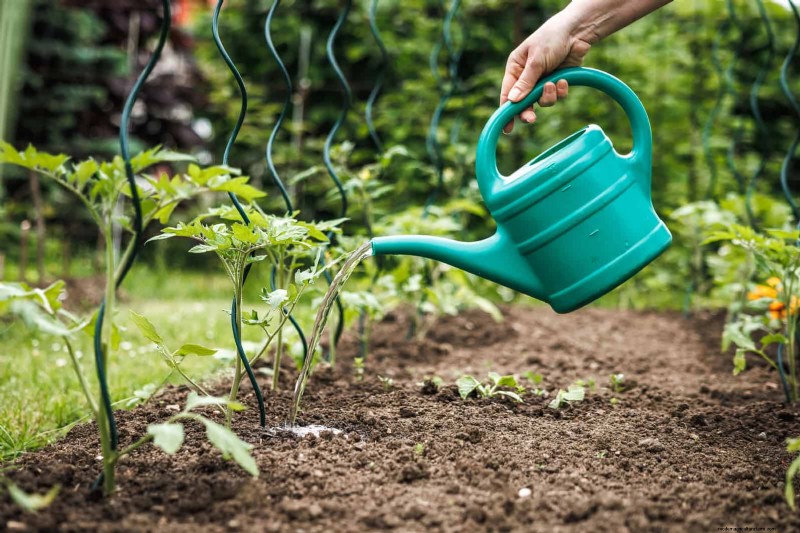
Summer heat can damage your vegetable garden. When temperatures soar, plants get stressed, and production can drop dramatically. Those juicy tomatoes and crisp cucumbers need some extra TLC to survive the year’s hottest days.
Luckily, there are simple ways to protect your precious produce from scorching temperatures. You can keep your garden thriving even when the thermometer climbs into the danger zone with a few innovative strategies. Your veggies will thank you with better flavor and more abundant harvests.
 Depositphotos
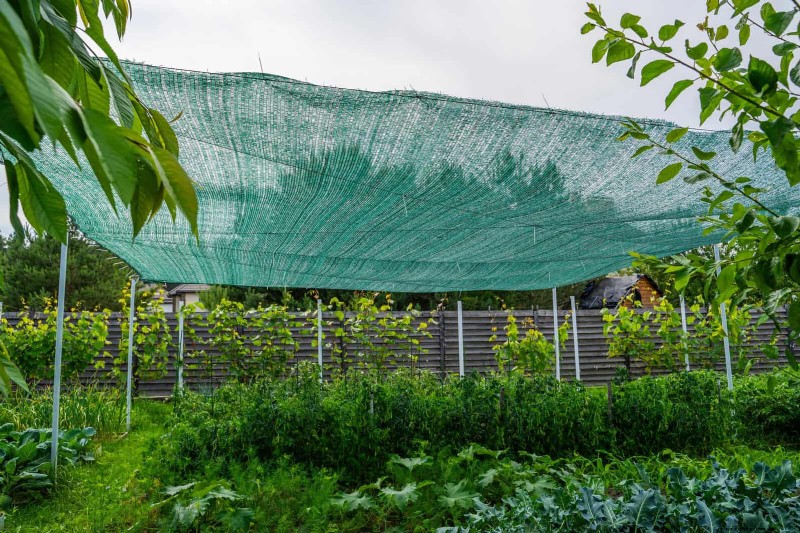
Shade cloth is a gardener’s best friend during intense summer heat. This lightweight fabric comes in different densities, with 30 to 50% shade ideal for most vegetables. Drape it over hoops, stakes, or a simple frame to reduce direct sunlight during the hottest day.
Look for UV-stabilized shade cloth that will last multiple seasons without breaking down. For best results, install it on the western side of your garden beds where afternoon sun hits hardest. Your plants will still get enough light for photosynthesis, but won’t suffer from excessive heat buildup.
Save this article & also instantly unlock today's gardening deals!
 Depositphotos
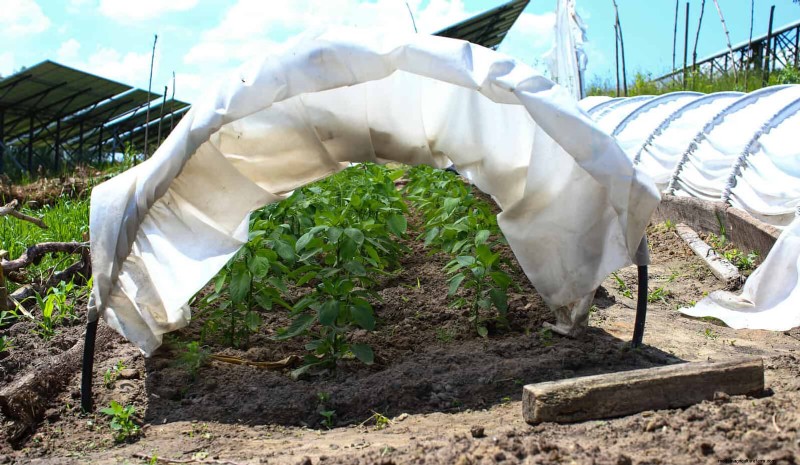
Portable shade structures allow you to adjust protection as the sun moves across the sky. Try mounting shade cloth on PVC frames that can be easily repositioned, or use old umbrellas to shield sensitive plants during peak heat hours.
Some gardeners even use old window screens propped on stakes. Rolling shade systems that can be extended during hot afternoons and retracted in the morning work beautifully for raised beds.
For container gardens, placing pots on wheeled platforms allows you to move them to shadier spots when temperatures climb. This adaptability helps maximize both sun exposure and protection.
 Depositphotos
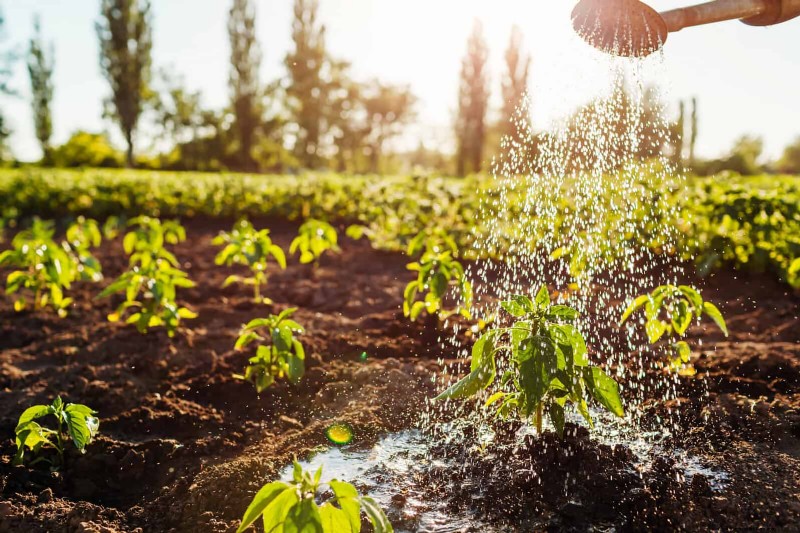
Timing is everything when it comes to watering during hot weather. Early morning irrigation, ideally between 5:00 and 8:00 AM, allows water to penetrate deeply before evaporation rates increase.
This helps roots grow deeper where the soil stays cooler and moisture lasts longer. Avoid evening watering, which can promote fungal diseases by leaving foliage wet overnight.
During extreme heat waves, shallow-rooted vegetables might need a second light watering in late afternoon. Be sure to apply water at the base of plants rather than spraying leaves.
 Depositphotos
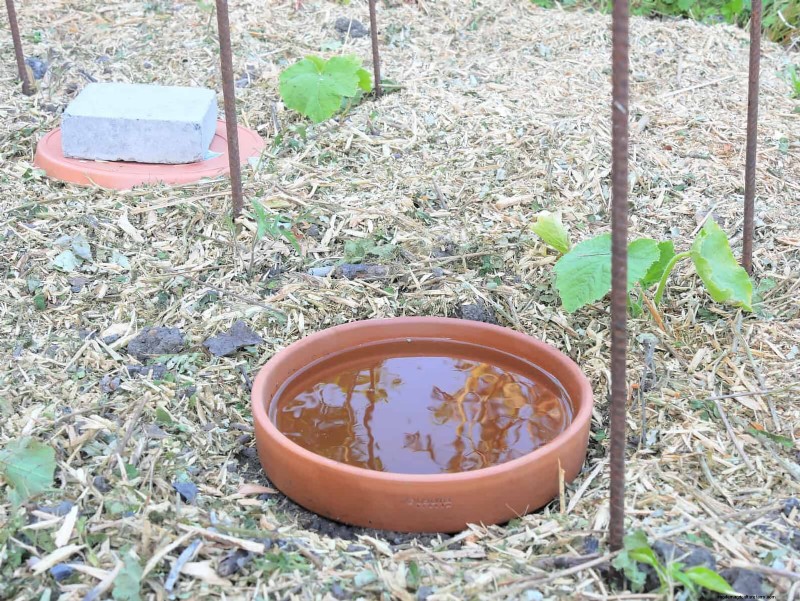
Drip irrigation and soaker hoses deliver water directly to the soil where plants need it most. These systems minimize evaporation and dry foliage, reducing sunscald on wet leaves.
A timer can automate the process so plants receive consistent moisture even during vacation. Consider using clay ollas, porous terracotta vessels buried near plants that slowly release water into the surrounding soil.
Water-filled milk jugs with tiny holes punched near the bottom work similarly for smaller gardens. Both methods provide slow, steady moisture that helps plants cope with heat stress.
 Depositphotos
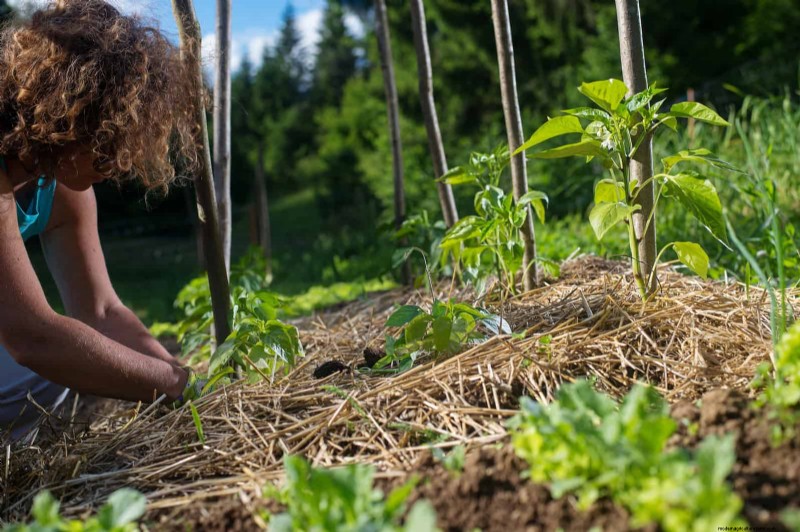
A thick layer of organic mulch acts like insulation for your soil, keeping root zones significantly cooler during heat waves. Straw, shredded leaves, grass clippings, or wood chips create a protective barrier that slows evaporation and moderates soil temperature fluctuations.
Mulch also suppresses weeds that compete with vegetables for precious water. As organic mulches break down, they improve soil structure and water retention capacity. Keep mulch pulled back slightly from plant stems during humid weather to prevent rot and pest problems.
 Depositphotos
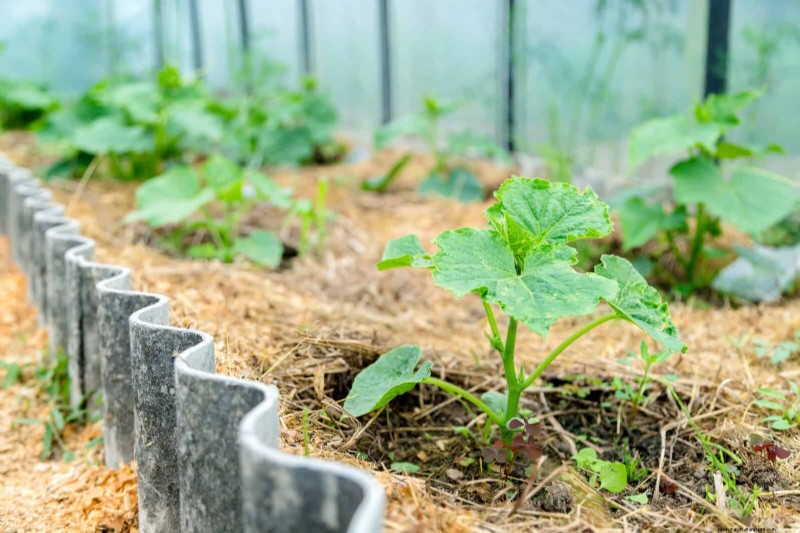
The proper mulch depth makes all the difference in temperature control. Apply 2 to 3 inches of lightweight materials like straw or leaf mulch, which allows for better air circulation while still providing insulation. Heavier materials like wood chips work well at 2 inches without becoming waterlogged.
Some gardeners place a layer of cardboard or newspaper under organic mulch for extra cooling power. This creates an additional barrier against heat while still allowing water to penetrate. Refresh the mulch regularly as it decomposes to maintain proper depth throughout the growing season.
 Depositphotos
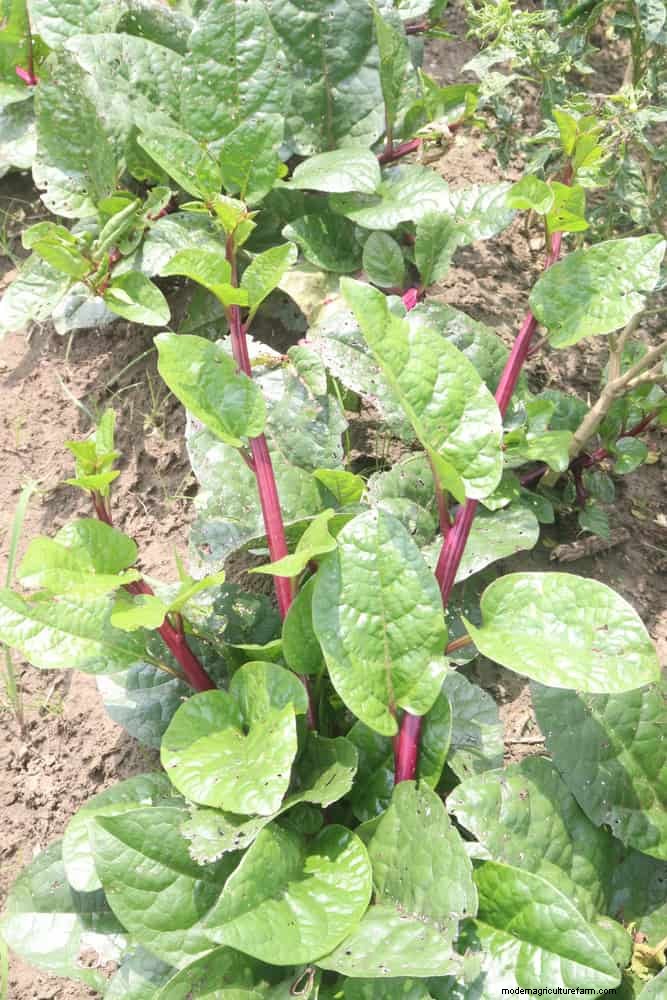
Not all vegetables handle heat equally. Plant varieties bred explicitly for heat tolerance to ensure better summer production. Look for descriptions like “heat-resistant,” “slow-bolting,” or “drought-tolerant” when selecting seeds and seedlings for mid-summer harvests.
Some standout heat performers include Seminole pumpkins, Arkansas Traveler tomatoes, Tropi-Gro lettuce, and Malabar spinach. Many seed companies now offer special summer vegetable collections designed to thrive when temperatures soar.
Planning your garden with these heat-lovers in mind leads to fewer disappointments.
 Depositphotos
Local gardening groups and extension offices can recommend varieties that perform well in your specific climate. These regional selections often have built-in resistance to heat-related problems common in your area.
Native vegetables that evolved in hot climates naturally handle temperature extremes better. Consider heirloom varieties from hot regions like the American South, the Mediterranean, or Southeast Asia.
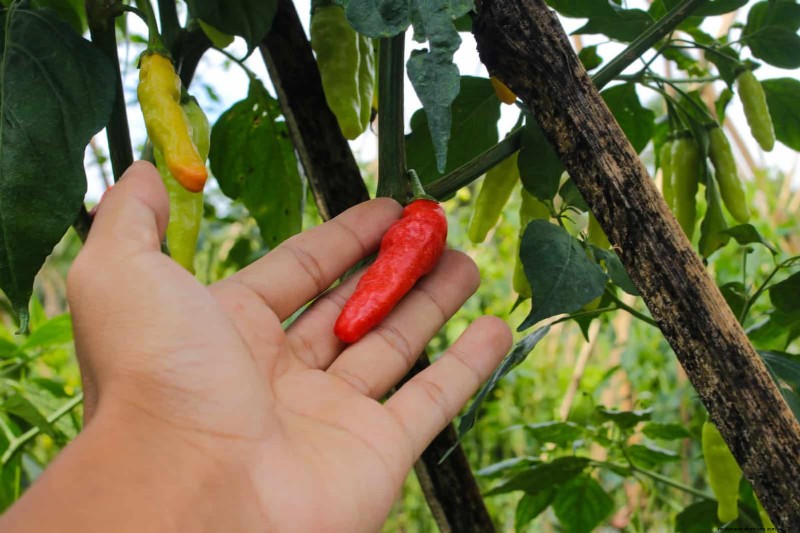
These plants have generations of heat adaptation built into their genetics. Cherokee Purple tomatoes, Georgia Rattlesnake watermelons, and Thai hot peppers typically outperform their heat-sensitive counterparts during summer scorchers.
 Depositphotos
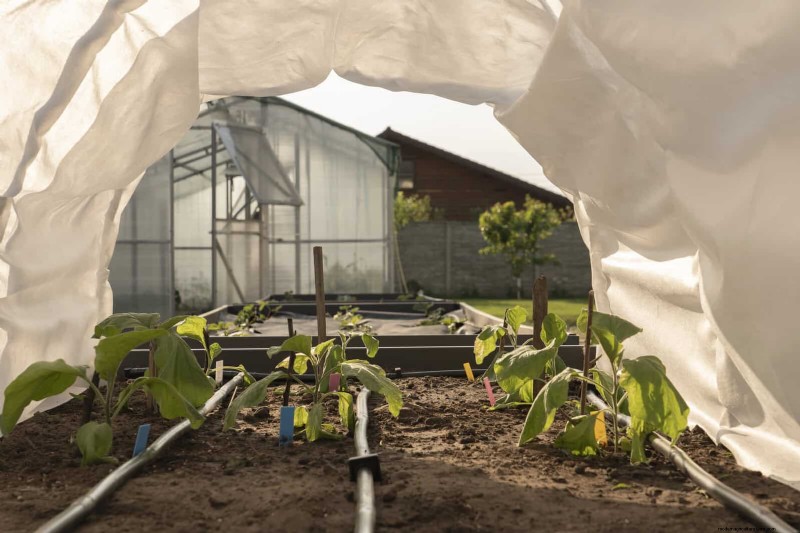
Strategic afternoon shading can reduce plant temperatures by up to 10 degrees during critical hours. Simple structures using old sheets, burlap, or lightweight branches provide dappled shade that protects plants without blocking too much light.
Position these barriers on the western side of beds to block intense afternoon rays. Temporary shade works exceptionally well for protecting newly transplanted seedlings and heat-sensitive crops like lettuce and spinach.
Set up the protection around 11:00 AM and remove it by early evening so plants can still benefit from gentle morning and late-day sunlight for proper growth.
 Depositphotos
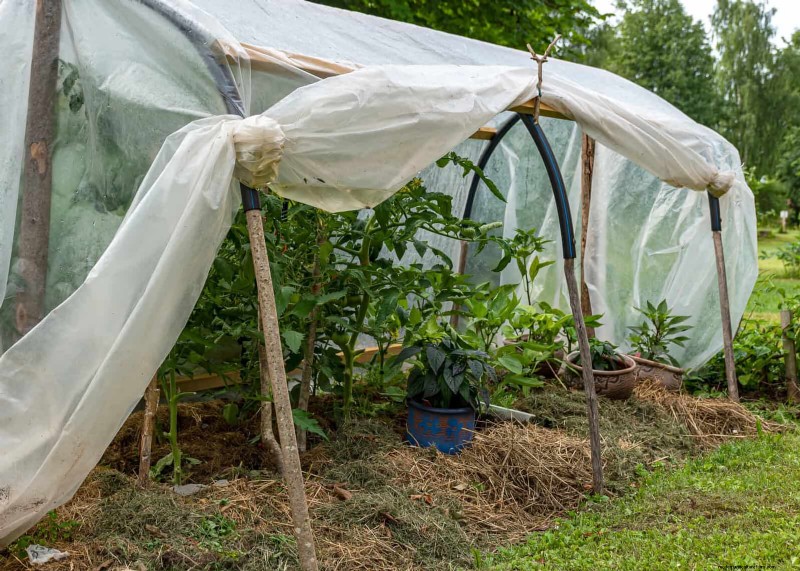
Beach umbrellas, old shower curtains, and even repurposed patio furniture can become practical shade tools. Lattice panels mounted on the sunny side of garden beds create dappled light that reduces temperature while allowing enough sun for photosynthesis.
Bamboo blinds rolled down during peak heat work beautifully for raised beds. For a no-cost solution, fast-growing annual vines like morning glory or moonflower planted on the west side of gardens create living shade screens by mid-summer.
These natural sunblocks can lower surrounding temperatures while adding beauty to the garden. Just be sure to provide sturdy support for climbing plants.
 Depositphotos
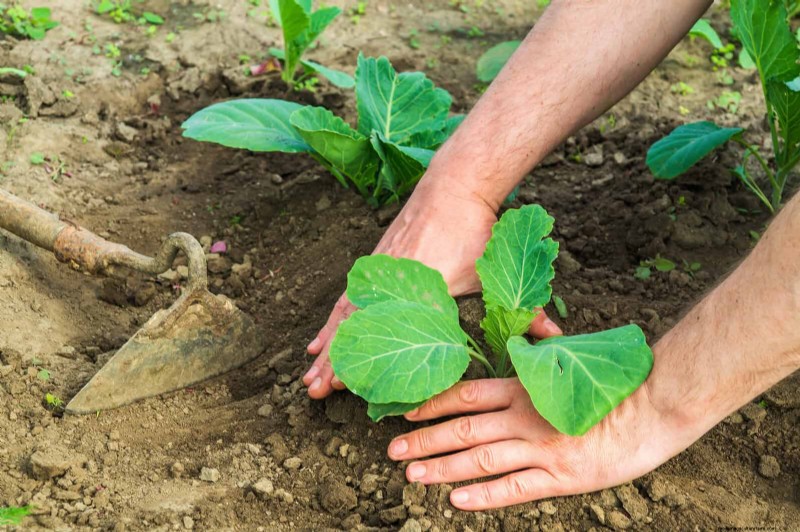
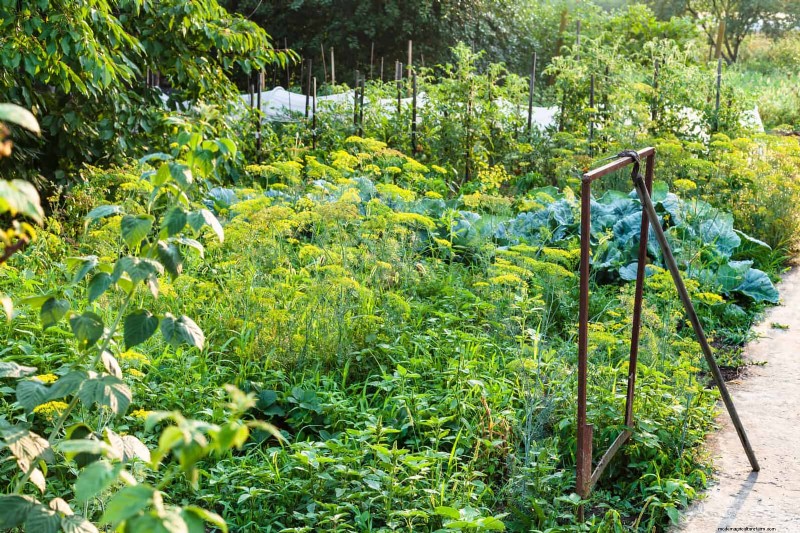
Proper spacing allows cooling breezes between plants, reducing humidity and heat buildup. Follow seed packet recommendations for spacing, or even increase distances slightly during hot weather.
This prevents plants from creating stagnant air pockets that trap heat and humidity. Good air circulation also helps prevent many fungal diseases that thrive in hot, humid conditions.
Plants that can “breathe” stay healthier and better withstand heat stress. Consider using trellises and vertical supports to improve airflow while maximizing garden space.
 Depositphotos
Resist the temptation to plant extra vegetables during summer months. Overcrowded vegetables compete for water and nutrients, making them more vulnerable to heat damage.
Each plant needs space to develop a strong root system to find deeper moisture during hot spells. Strategic pruning also improves airflow in heat-prone gardens.
Remove lower leaves from tomatoes and other tall plants to increase ground-level circulation. Immediately thin dense crops like carrots and beets so the remaining plants have room to develop strong root systems for better heat resilience.
 Depositphotos
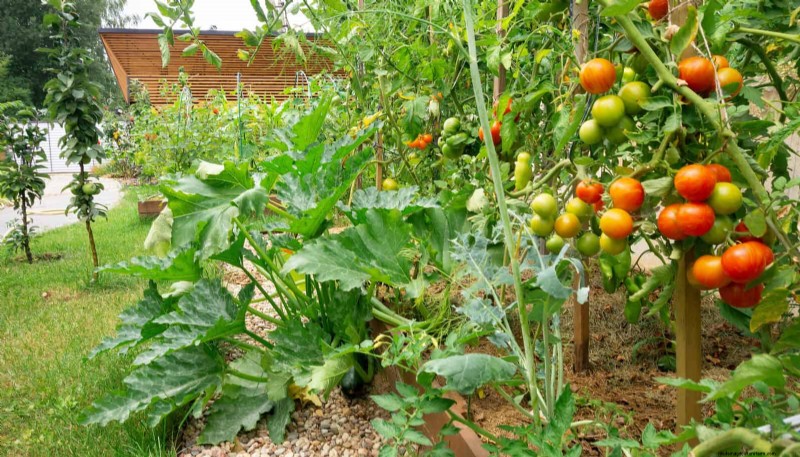
Tall crops can shade smaller, heat-sensitive vegetables during summer. Plant corn on the west side of lettuce beds, or sunflowers behind cucumbers, to provide natural afternoon shade.
This vertical layering mimics natural ecosystems where plants protect each other from environmental stresses. Some companion plants help cool the soil around them.
Large-leaved squash and melon plants create living mulch that shades the ground and reduces evaporation. Herbs like basil and mint planted between tomatoes help hold moisture in the soil while repelling certain pests attracted to heat-stressed plants.
 Depositphotos
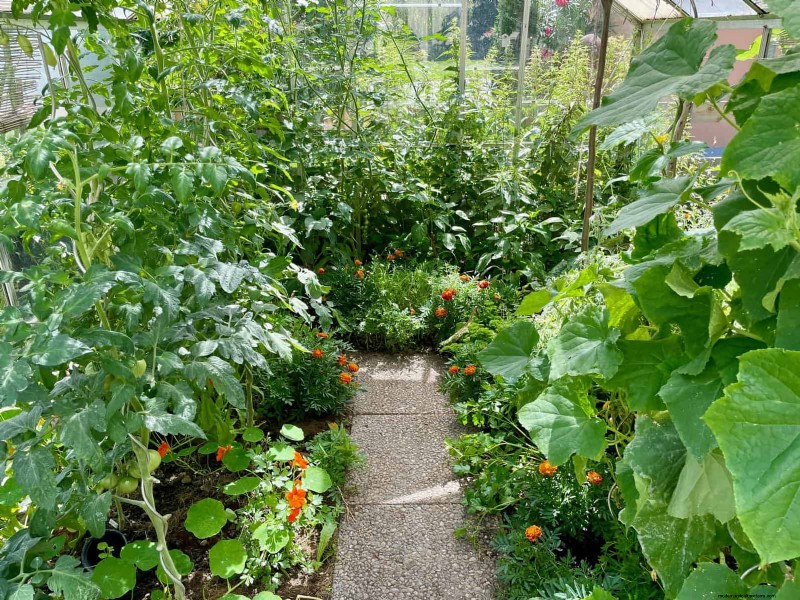
Strategic placement of tall plants creates microclimates within your garden. Pole beans growing on north-south trellises cast moving shadows that protect nearby crops without blocking too much light.
Corn planted in blocks rather than single rows provides better shade protection for interplanted squash or beans. Fast-growing annual flowers like cosmos, cleome, and Mexican sunflowers reach impressive heights by midsummer.
Planting these along western edges provides beautiful, functional shade barriers. Their deep root systems also help break up compacted soil, improving water penetration during brief summer showers.
 Depositphotos
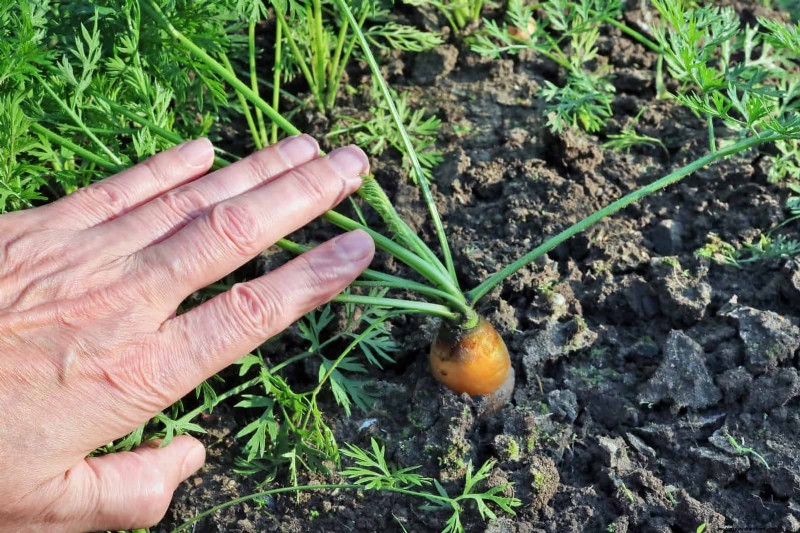
Regular moisture checks prevent water stress before plants show visible wilting. The finger test works well, dig down 2 to 3 inches and feel if the soil is dry before watering.
Consistent moisture levels help plants develop stronger roots to better access water during heat waves. Pay special attention to containers and raised beds, which dry out faster than in-ground gardens.
During extreme heat, these might need daily watering or even twice-daily checks. Look for early warning signs like slight leaf curling or dull coloration that indicate plants need water before severe wilting occurs.
 Depositphotos
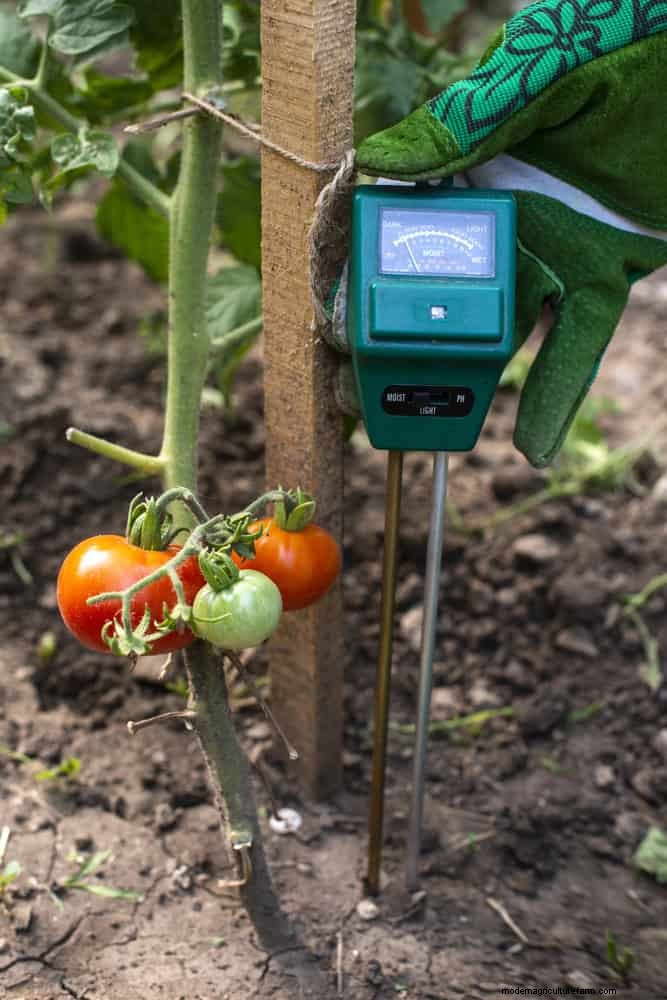
Inexpensive soil moisture meters take the guesswork out of watering decisions. These simple tools indicate when soil has reached the dry point where irrigation is needed.
Different vegetables have different moisture preferences, so adjusting your watering to specific plant needs improves overall garden health. For tech-savvy gardeners, wireless soil sensors can send alerts to their phones when garden beds need water.
Some advanced systems connect to automatic irrigation controllers, ensuring plants receive the proper moisture. This precision helps prevent both under- and overwatering during critical summer months.
 Depositphotos
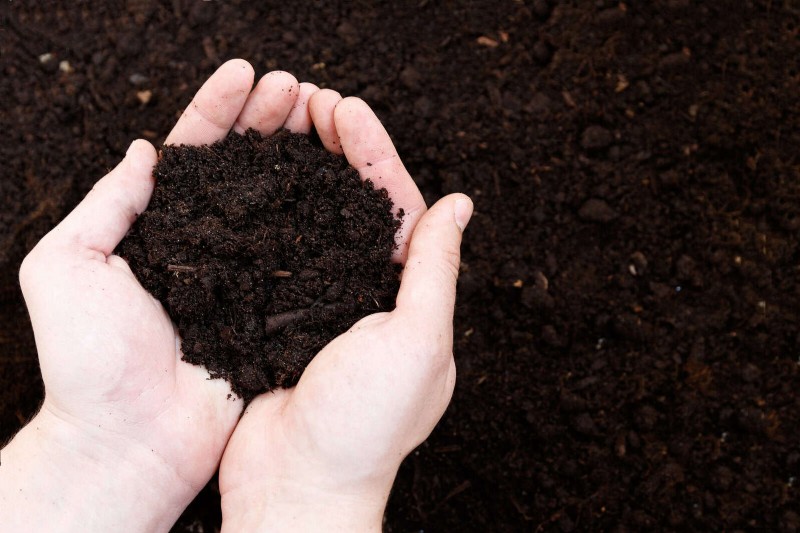
Compost-rich soil acts like a sponge, holding moisture where roots can access it during hot weather. Mid-season top-dressing beds with finished compost provides nutrients while improving the soil’s water-holding capacity.
Just a half-inch layer gently worked into the top few inches makes a noticeable difference. For new plantings, mix compost thoroughly into planting holes to create water reservoirs right where young roots develop.
During summer, plants growing in compost-amended soil show significantly less wilting and heat stress. The dark color of compost-rich soil also absorbs heat, protecting delicate root zones.
 Depositphotos
Healthy soil teeming with beneficial microorganisms helps plants withstand heat stress. These microscopic helpers improve nutrient availability and strengthen plant immune systems.
Consider applying compost tea as a soil drench during hot periods to boost microbial activity when plants need it most. Adding organic matter consistently builds soil that better withstands temperature extremes year after year.
Fall applications of compost, spring cover crops, and regular additions of mulch create garden soil that holds more water during summer heat. This long-term approach builds resilient gardens that bounce back quickly from heat waves.
 Depositphotos
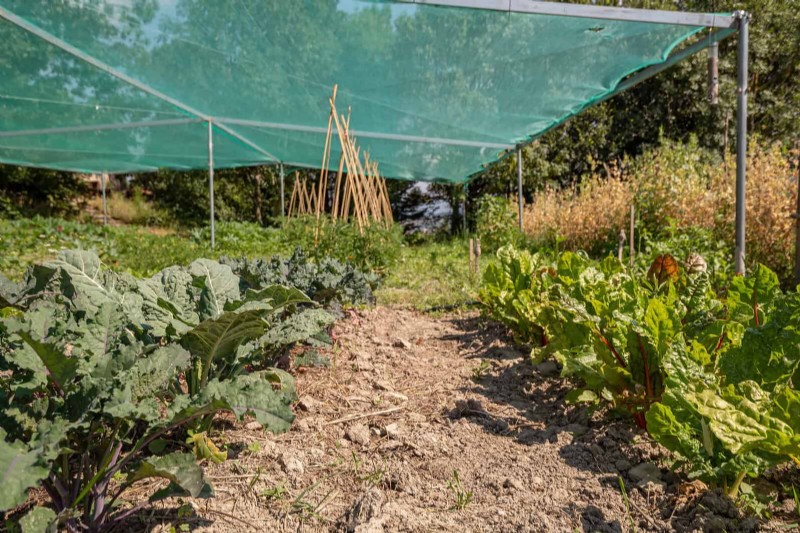
Protecting your vegetables from extreme heat doesn’t require complicated equipment or techniques. Simple strategies like proper watering, strategic shading, and innovative soil management make all the difference between struggling plants and abundant harvests.
Implementing even a few tips can dramatically improve your garden’s summer performance. Remember that consistency matters more than perfection when battling summer heat. Check your garden daily during hot spells, making minor adjustments as needed.
Your vegetables will reward your attention with continued production even when the thermometer climbs. These protective measures allow you to enjoy garden-fresh produce throughout the year’s hottest months.

Editorial oversight
GardenTabs content is reviewed by Steve Snedeker, a seasoned gardener with decades of hands-on landscaping experience.


