
Welcome to Modern Agriculture!

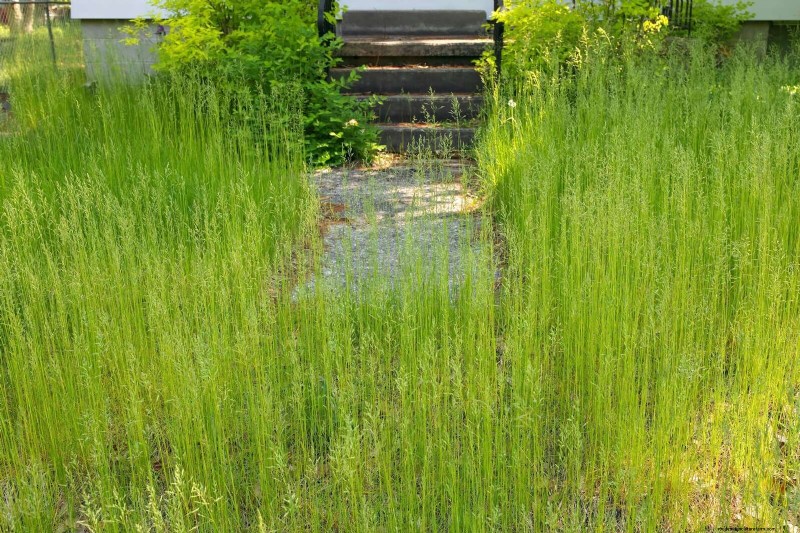
Maintaining a tidy yard is more than a cosmetic choice—it's a legal requirement in many communities. Unchecked weeds can trigger fines, mandatory repairs, and even legal action. Below you’ll find the essential information to keep your landscaping, your budget, and your peace of mind in harmony.
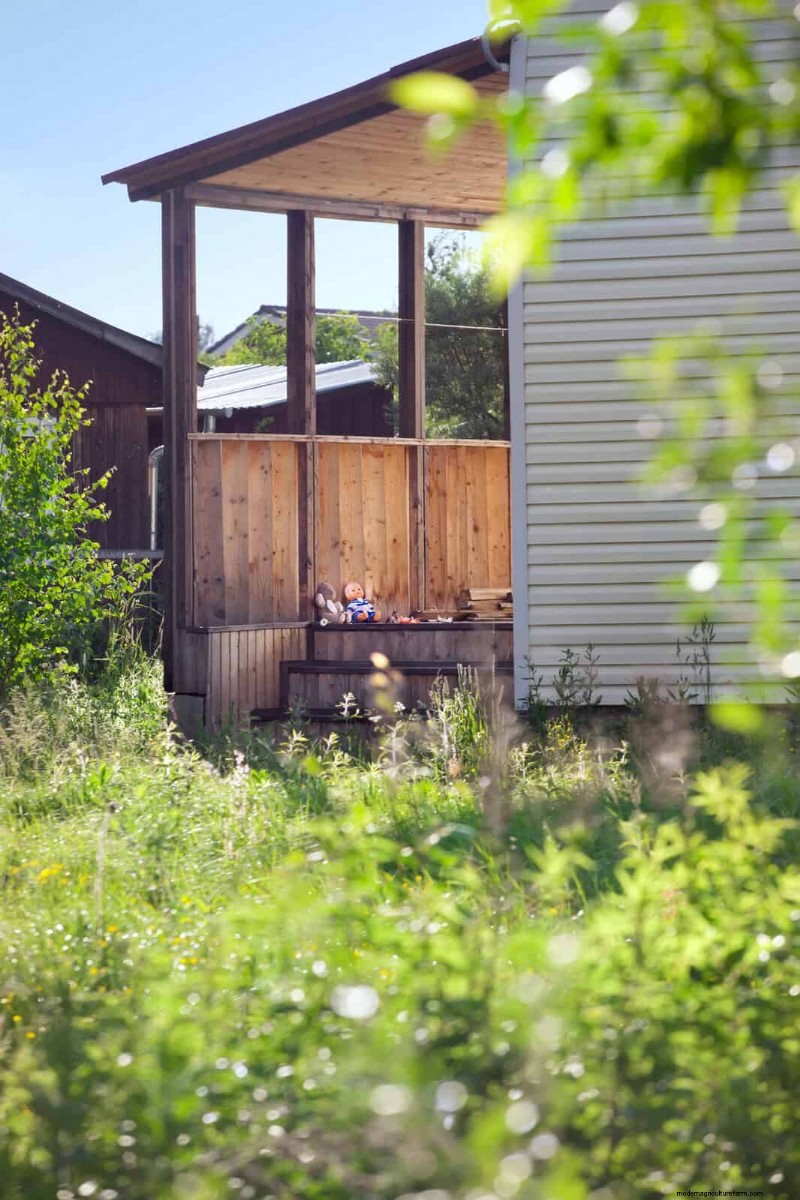
Municipal codes typically cover “property maintenance” or “nuisance” statutes, mandating property owners keep weeds at a reasonable height—commonly 8‑12 inches. These rules exist not to enforce mandatory lawns but to preserve neighborhood character and protect property values.
Save this article & unlock today’s gardening deals!
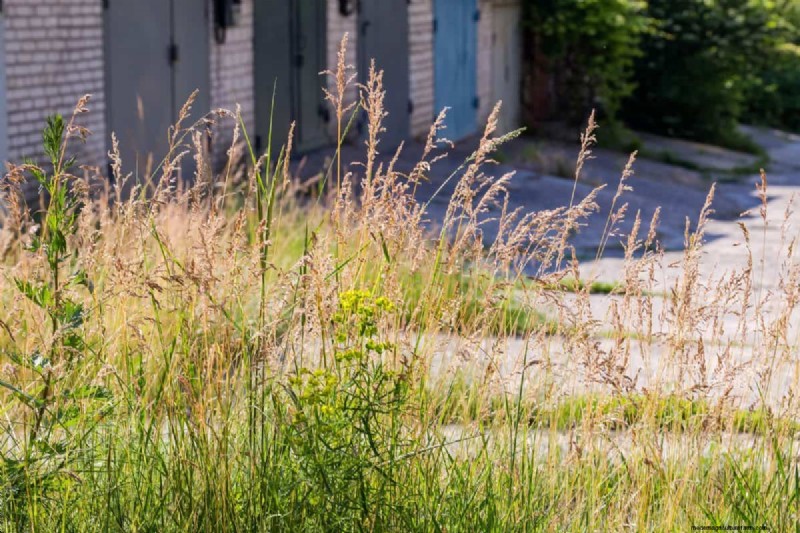
Definitions vary by jurisdiction. Some codes list specific species (e.g., ragweed, thistle, poison ivy), while others set a height threshold. Knowing your local definition helps you avoid inadvertent violations.
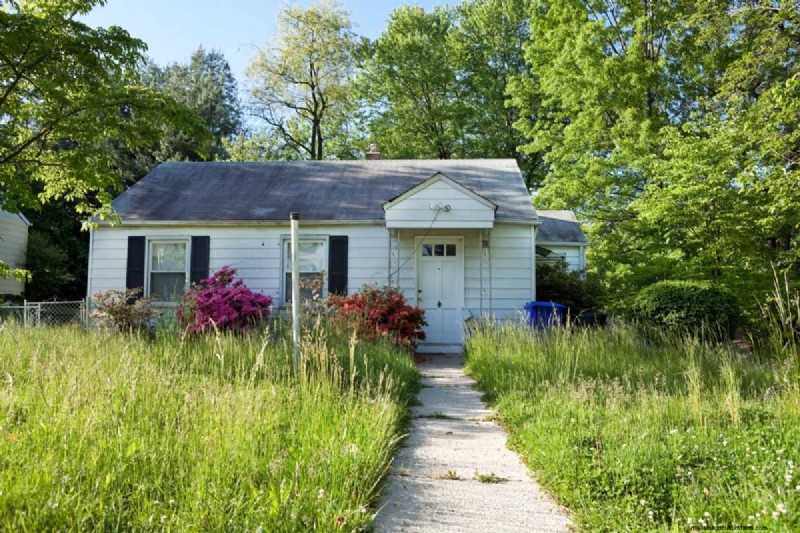
Weed control is part of broader maintenance requirements designed to curb blight and safeguard public health. Overgrown vegetation can attract pests, create fire hazards, and impede visibility for emergency services.

Enforcement usually starts with a complaint—often from a neighbor—followed by a courtesy notice giving you a grace period to rectify the issue. Persistent neglect leads to formal warnings, fines, and in extreme cases, municipal mowing services billed at premium rates.
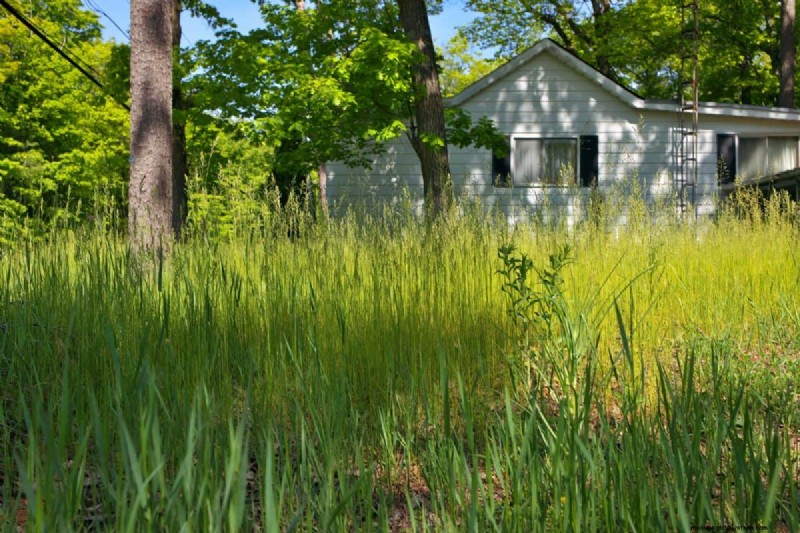
Fines commonly range from $50 to $150 per citation, escalating with repeated non‑compliance. Some municipalities have imposed municipal mowing fees that can reach several hundred dollars, and in rare cases, thousands.

Enforcement intensity differs across the country. Desert towns in Arizona and Nevada prioritize control of invasive species that threaten scarce water resources, while northern areas focus on protecting agriculture from noxious weeds. Urban centers typically enforce stricter aesthetic standards than rural locales.
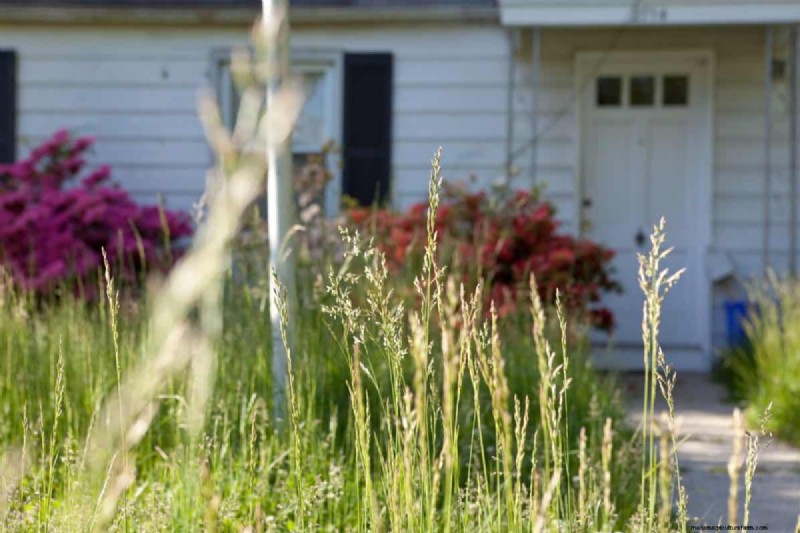
Not every wild plant is a problem. Native species can provide critical wildlife habitat, but the distinction lies in intentional design and regular upkeep. Many codes now recognize well‑planned native gardens as compliant landscaping.
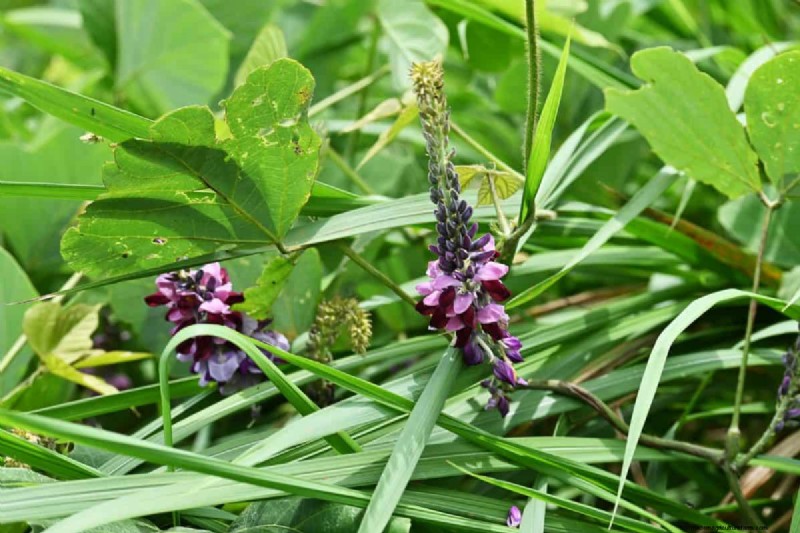
Invasive plants like kudzu (Pueraria montana) can outcompete local flora and spread beyond private property. Removing them helps preserve nearby natural areas and aligns with many municipalities’ environmental protection mandates.
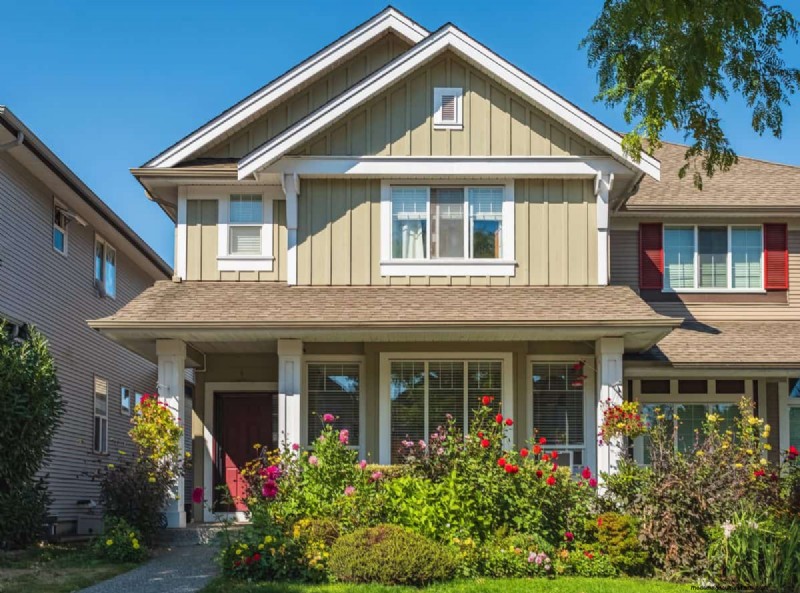
Plan your yard with defined edges, pathways, and clear borders. Keep frontyards neat while allowing backyards to host natural plantings. Intentional design signals maintenance and reduces the risk of citations.

First impressions matter. Add bird baths, benches, or low‑maintenance garden art. Use rocks or short fencing to delineate plant beds. A tidy frontage gives you more freedom behind the curb.

Open dialogue can prevent misunderstandings. Share your native‑plant strategy, offer seeds or cuttings, and explain the ecological benefits. A knowledgeable neighbor is more likely to support your approach.

Maintain a simple garden plan, capture before/after photos, and keep receipts for plant purchases. This evidence demonstrates intentional design and ongoing care if a citation arises.
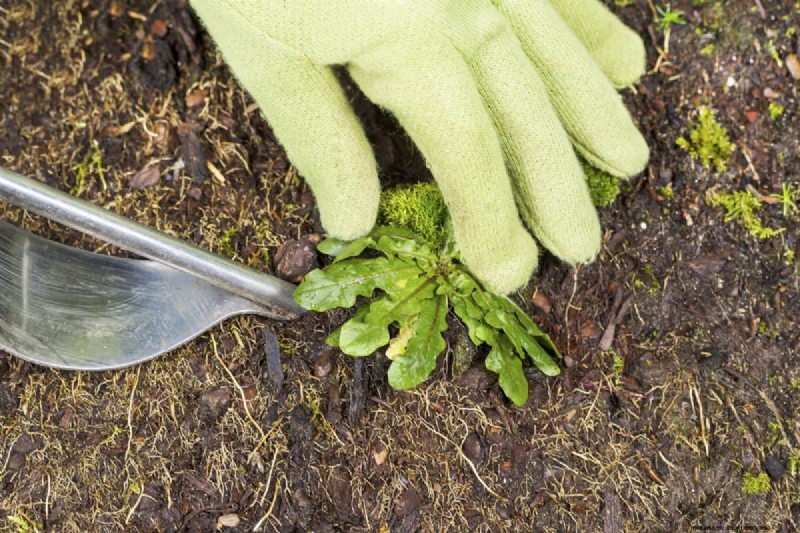
Spring and fall are critical periods for weed growth. Set calendar reminders for mowing, weeding, and mulching. Consistent upkeep keeps vegetation in check and satisfies code requirements.

Mulch suppresses weeds with minimal effort. Ground covers like creeping thyme or sedum provide an attractive, low‑upkeep barrier. In challenging climates, gravel or stone pathways can replace lawn space.
Join town councils, share research on native plant benefits, and collaborate with neighbors to propose modern, eco‑friendly standards that replace outdated “lawn‑only” rules.
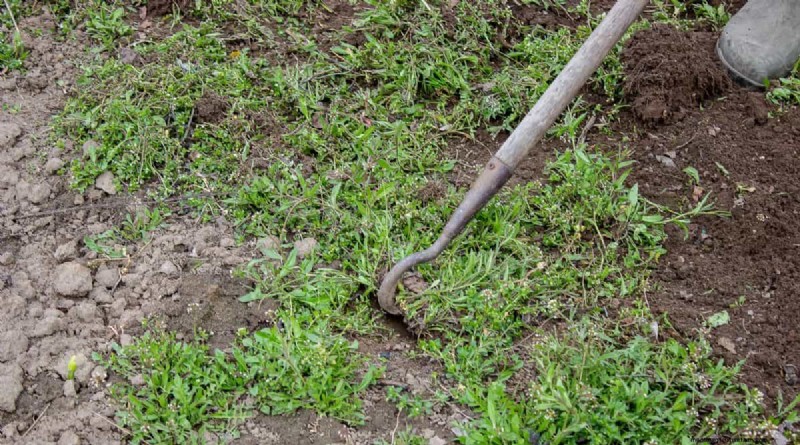
Invest in a long‑handled weeder to protect your back. Time your pulls when soil is moist—not soggy—and aim before weeds set seed to reduce future work.
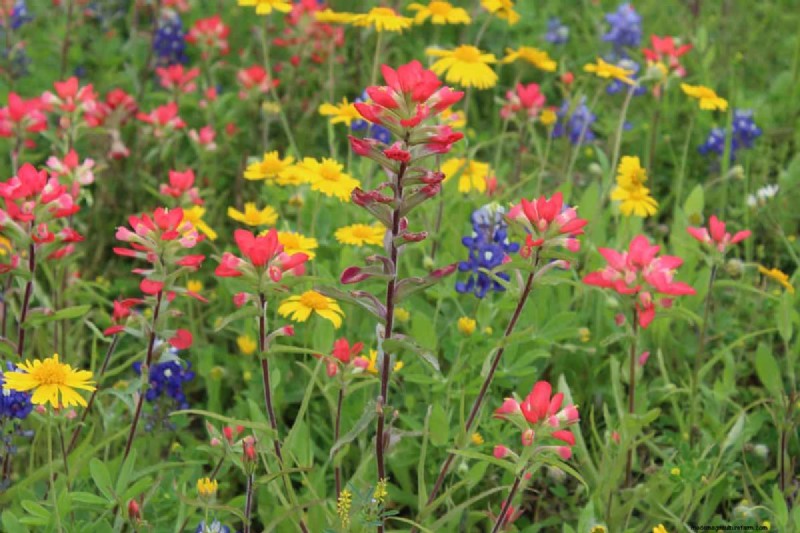
Select compact prairie or woodland species that naturally stay under the local height limit. Arrange taller plants toward the rear of beds for a structured, intentional look.
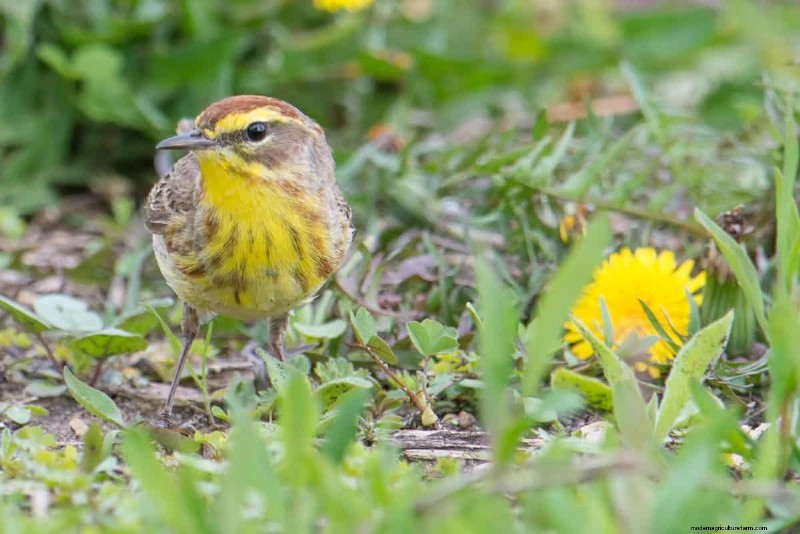
Self‑propagating gardens host butterflies, pollinators, and small mammals. Share these outcomes with neighbors and officials to highlight the broader ecological value of reduced lawns.
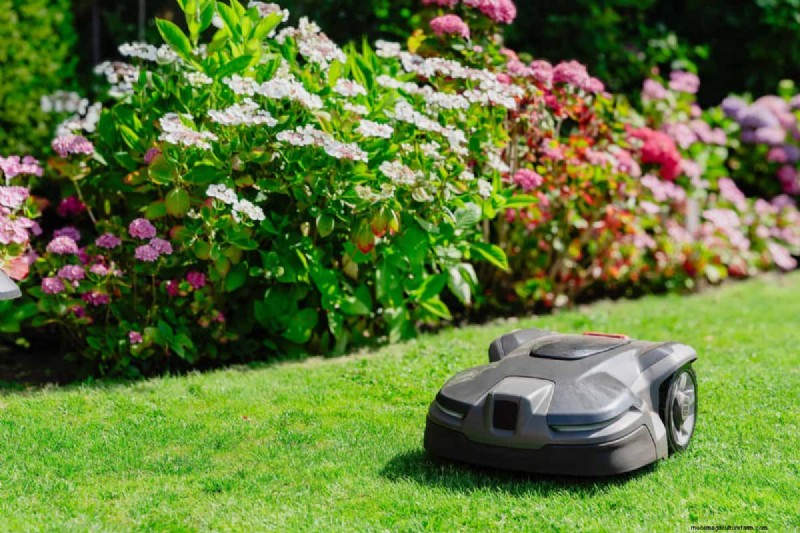
Consider a hybrid approach: a modest, tidy lawn framed by native beds. Include flowering perennials to maintain seasonal color while meeting community standards.

Read the notice carefully. Note the cited issue and the correction deadline. If you believe the citation is incorrect, you can appeal. Provide evidence of maintenance and intentional landscaping; officials typically respond positively to documented compliance.
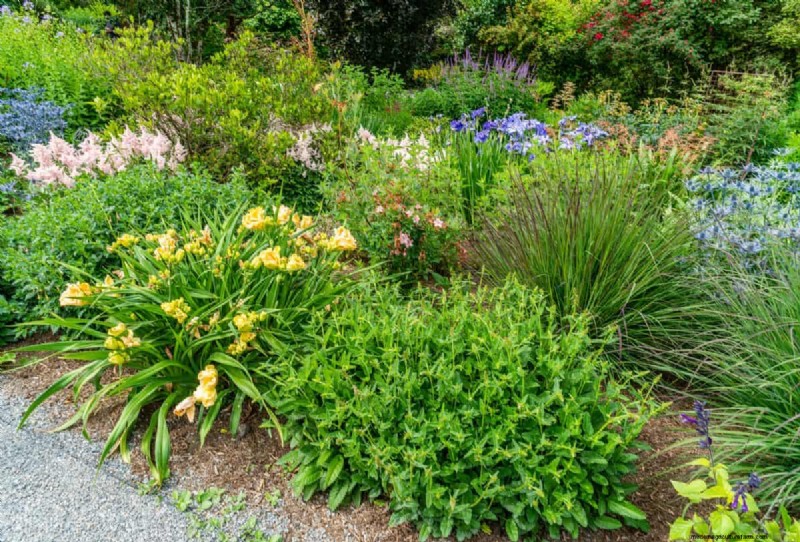
With thoughtful design, intentional maintenance, and open communication, you can create a yard that nurtures wildlife, respects local ordinances, and enhances community pride.
Written by
Krizza Lubong
Krizza combines a deep appreciation for nature with a practical guide for plant lovers looking to create thriving, compliant outdoor spaces.
Meet the GardenTabs team →

Editorial oversight
GardenTabs content is reviewed by Steve Snedeker, a seasoned gardener with decades of hands‑on landscaping experience.


