Welcome to Modern Agriculture!


Summer heat can turn a proud lawn into a brown, brittle reminder of unmet expectations. Mandatory propulsive temperatures and relentless sunshine put severe stress on grass, leaving homeowners watching their once‑verdant turf fade into the background.
Surviving the season doesn’t require miracles or endless hours of labor. With the right science and smart practices, you can keep your yard healthy, green, and inviting even during the hottest months. The key is to understand how grass reacts to heat and to adopt watering, mowing, and care strategies that work in harmony with nature.
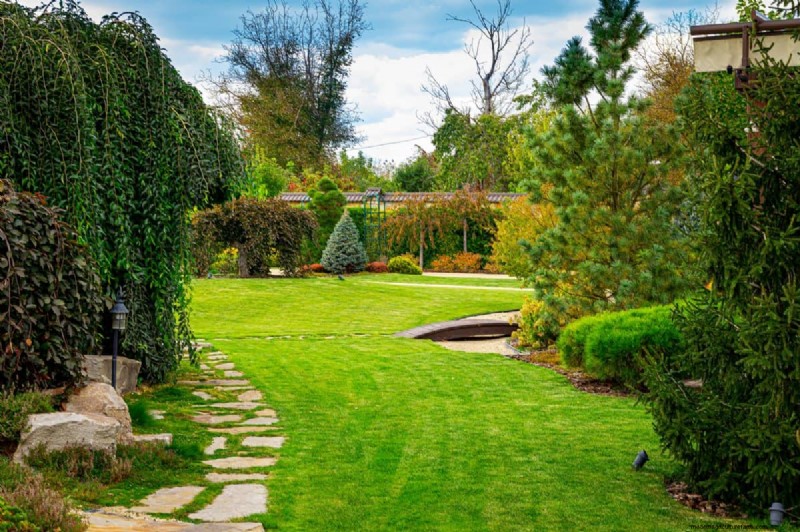
Your lawn is more than a carpet of blades—it’s a complex ecosystem of soil microbes, root networks, and plant tissues that respond differently to heat stress. When temperatures exceed 85°F, many grass varieties shift energy from blade growth to root survival.
Cool‑season grasses such as Kentucky bluegrass naturally slow down in summer, while warm‑season varieties like Bermuda thrive. Knowing your specific grass type lets you set realistic expectations and provide the care your lawn truly needs during brutal heat.
Save this article & also instantly unlock today's gardening deals!

Grass has built‑in survival mechanisms for heat. In extreme temperatures, a well‑maintained lawn triggers evapotranspiration—a natural cooling system that releases moisture through grass blades, similar to human sweating.
Root depth is directly linked to heat tolerance. Grasses with deeper roots can tap into moisture stored deeper in the soil profile. This explains why established lawns withstand heat better than newly seeded lawns with shallow root systems.
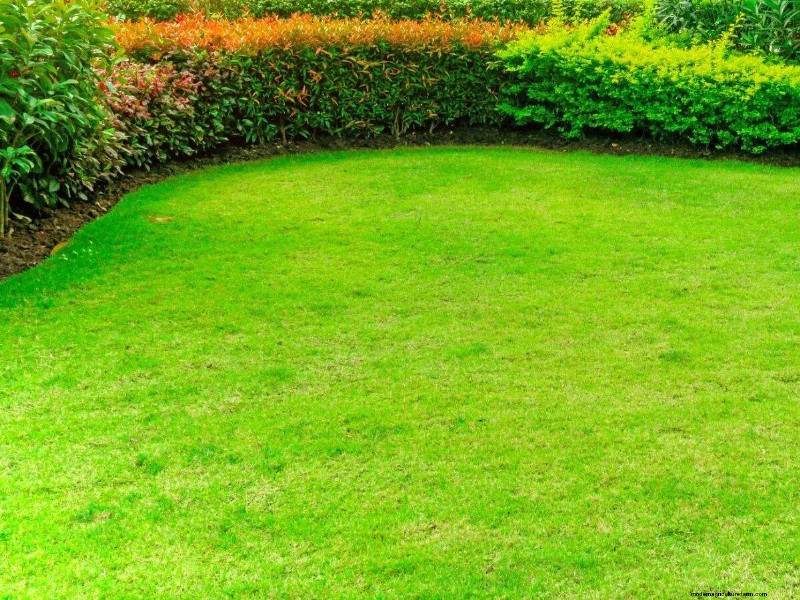
Choosing the right grass for your climate simplifies summer care. Warm‑season grasses such as Zoysia, Bermuda, St. Augustine, and Centipede naturally thrive in hot conditions and require less intervention during the summer months.
Regions that transition between cold winters and hot summers face the toughest choices. Buffalo grass and certain tall fescue varieties offer a good compromise for these challenging growing zones.
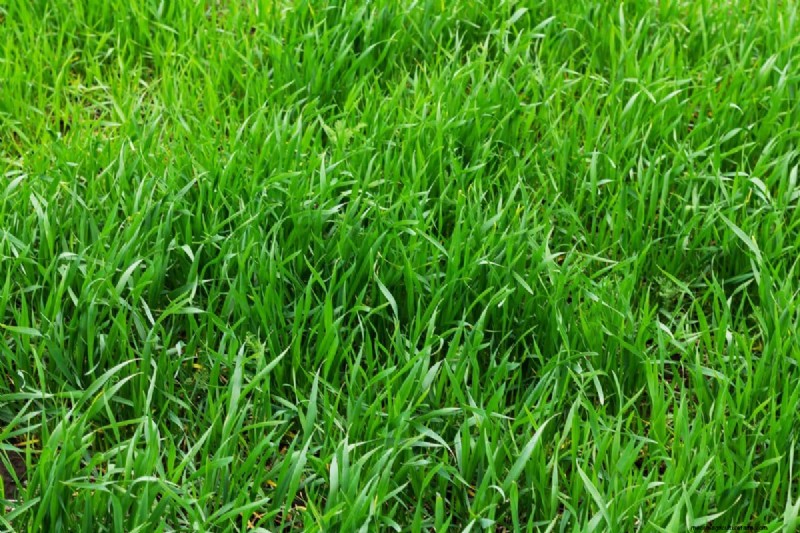
Tall fescue stands out among cool‑season grasses for its impressive heat tolerance. Its deep root system—sometimes extending 2‑3 feet below the surface—allows it to draw moisture from cooler soil layers even during heat waves.
Turf‑type tall fescue varieties such as “Rebel,” “Falcon,” and “Bonsai” offer improved texture and density compared to older varieties. They maintain color longer into summer heat while needing less water than Kentucky bluegrass or perennial ryegrass.

Deep, infrequent watering encourages roots to grow downward rather than staying near the surface. Aim to moisten soil to a depth of 6‑8 inches per session instead of frequent shallow sprinklings.
The “cup test” helps determine the right watering duration. Place several empty tuna cans across your lawn while sprinklers run. When they’ve collected 1‑1.5 inches of water, you’ve watered deeply enough to promote healthy root growth.
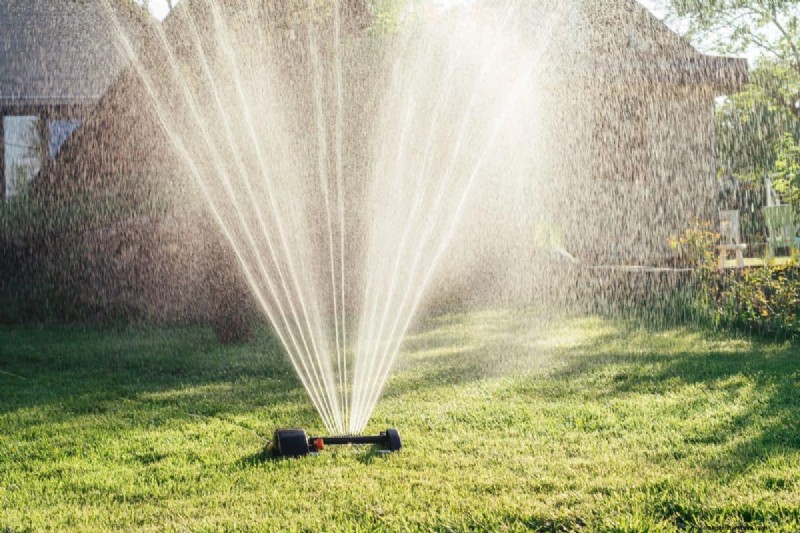
Early‑morning watering maximizes efficiency. Set your sprinkler system to run between 4 am and 9 am so water can soak into soil before the day’s heat drives off excess moisture.
Morning watering also reduces disease risk. Grass blades dry before evening, preventing the prolonged moisture that fungal pathogens need to thrive.
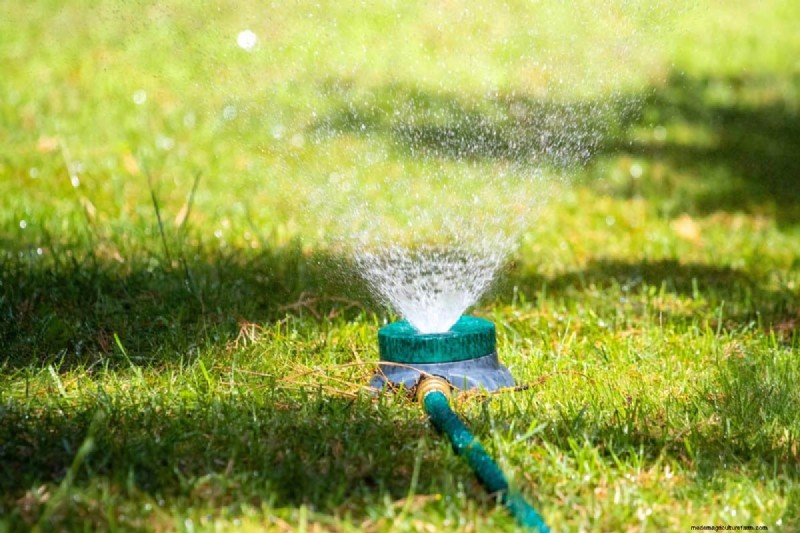
Consistency outweighs frequency during extreme heat. Established lawns typically need 1‑1.5 inches of water weekly, delivered in 2‑3 sessions rather than daily light sprinkling.
Watch for water‑stress signals between waterings. Footprints that remain visible for more than 30 seconds or grass blades that fold lengthwise indicate it’s time to water again, regardless of your routine.

Healthy soil acts like a sponge, retaining moisture that roots can access during hot periods. Adding organic matter through compost improves water‑holding capacity dramatically.
Soil compaction is the enemy of summer lawn health. Hard, compacted soil hinders water penetration and restricts root growth. A simple screwdriver test can reveal compaction—if the blade doesn’t easily penetrate 6 inches, aeration is needed.
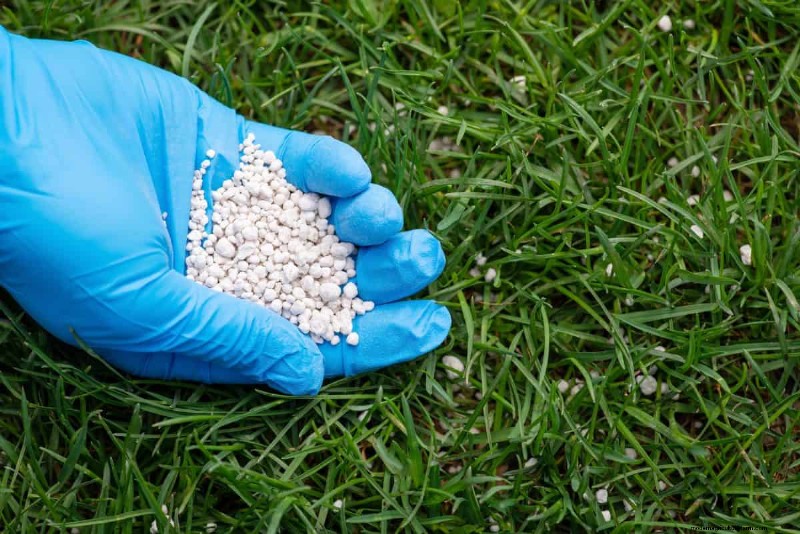
High‑nitrogen fertilizers can scorch grass during summer heat. Slow‑release organic options such as compost tea, fish emulsion, or milorganite provide gentle nutrition that won’t stress heat‑challenged lawns.
Summer is ideal for iron supplements if your lawn looks slightly yellowish. Iron enhances green coloration without forcing excessive growth that would require more water to sustain.

Taller grass survives heat better. Set your mower higher during summer: cool‑season grasses at 3‑4 inches, warm‑season varieties at 2‑3 inches.
Longer blades create shade for the soil surface, reducing evaporation and discouraging weed germination. They also develop deeper roots, accessing moisture reserves that shorter grass simply can’t reach.
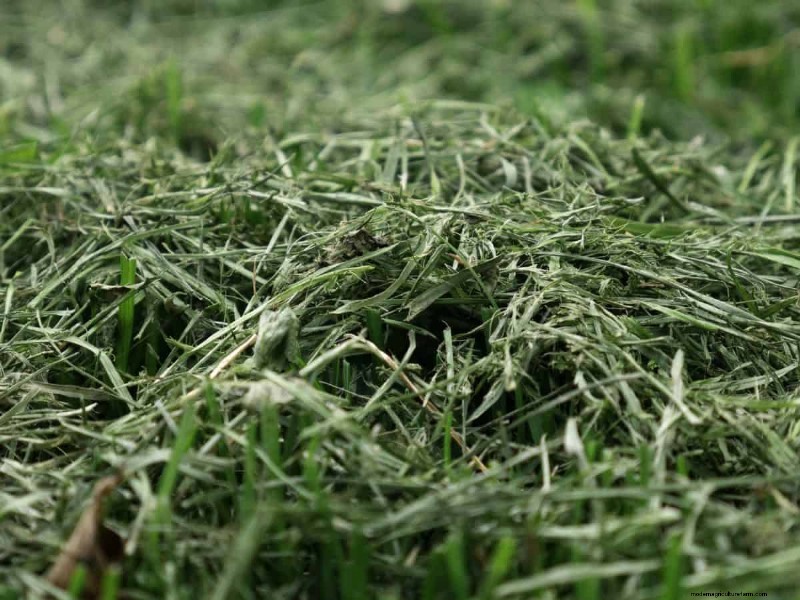
Grass clippings are free mulch for your lawn. A mulching mower returns valuable organic matter and nutrients to the soil while helping maintain consistent soil temperatures.
These natural clippings decompose quickly, releasing nitrogen that feeds your grass. Just ensure they’re distributed evenly to avoid clumping, which can smother sections.
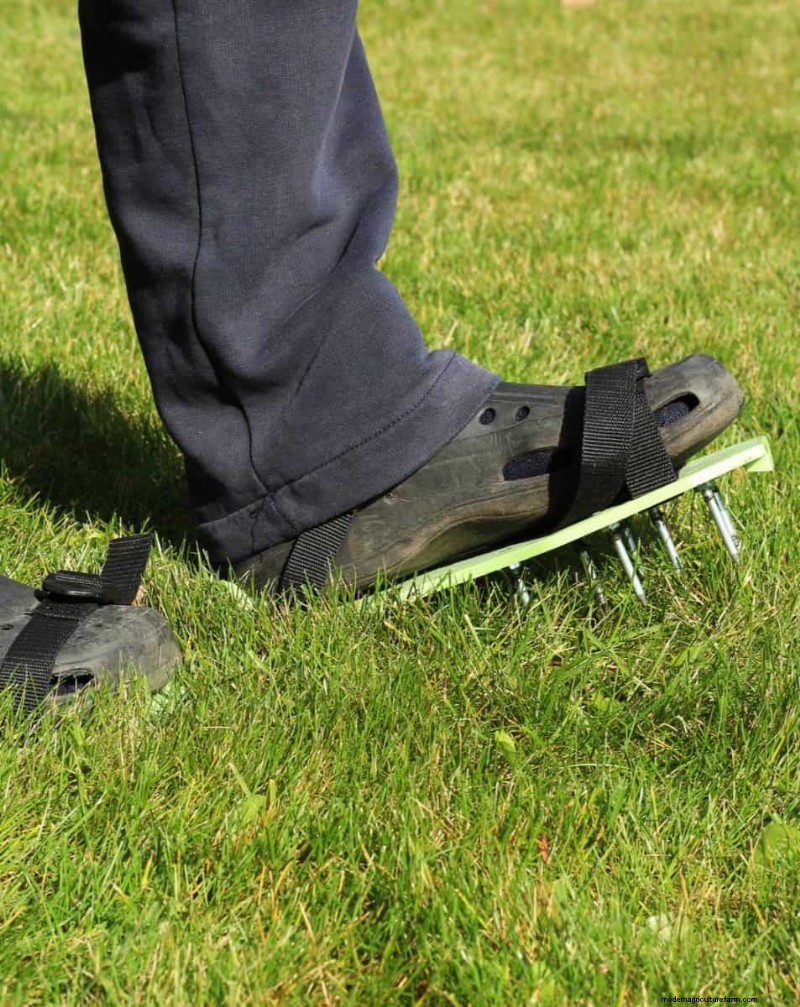
Core aeration creates pathways for water, air, and nutrients to reach grass roots. This process removes small plugs of soil, alleviating compaction that prevents proper water absorption.
Timing matters for effective aeration. While spring and fall are ideal for cool‑season grasses, warm‑season varieties benefit from early summer aeration when they’re actively growing and can quickly recover from the temporary stress.
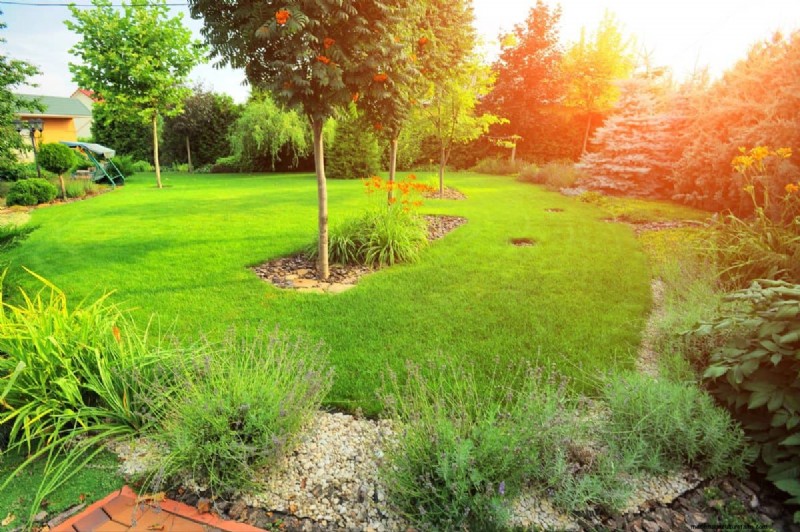
Strategic landscaping can shield vulnerable lawn areas. Planting trees or tall shrubs on the western side of your property creates afternoon shade that significantly reduces heat stress on grass.
Temporary shade solutions—shade sails, umbrellas, or even lawn furniture—also protect smaller stressed areas during the most intense heat periods, giving them a chance to recover.

Heat stress makes grass more susceptible to disease. A simple solution of one tablespoon baking soda per gallon of water, sprayed on affected areas, can control many fungal issues without harsh chemicals.
Proper lawn hygiene prevents disease spread. Clean mower blades between uses with a 10% bleach solution, especially after cutting potentially infected areas.
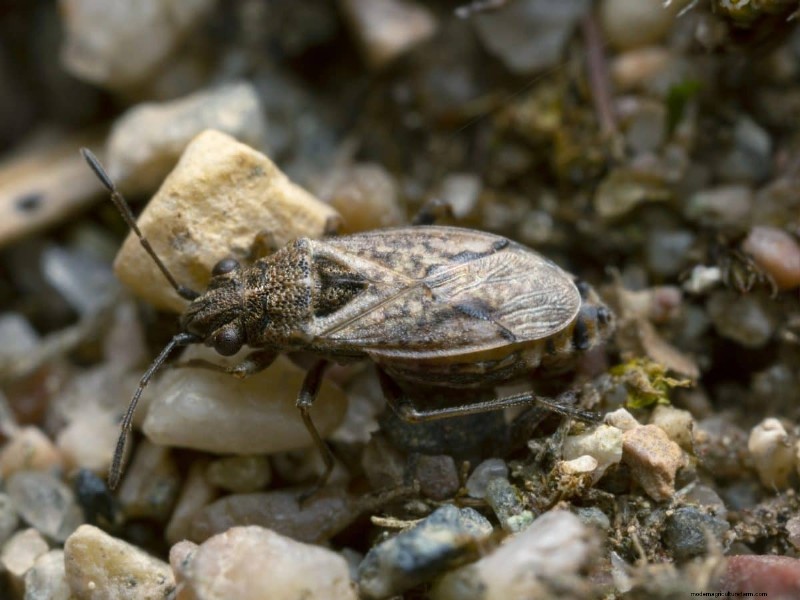
Chinch bugs thrive when temperatures exceed 80°F and humidity drops. These tiny pests cause damage that often looks like drought stress, creating straw‑colored patches that don’t recover with watering alone.
Natural predators like big‑eyed bugs and lady beetles help control chinch populations. Neem oil applications provide an organic option for more serious infestations without harming beneficial insects.
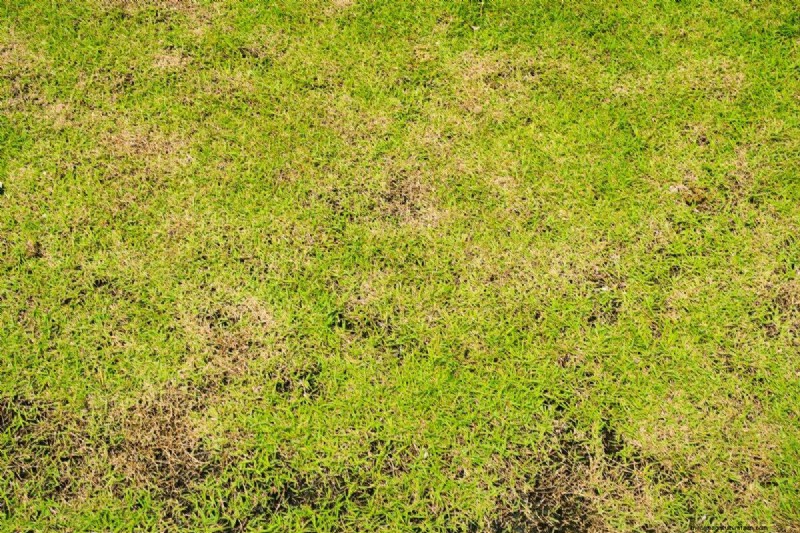
Brown patch fungus thrives in hot, humid conditions, forming circular brown areas up to several feet in diameter. Morning watering practices that allow grass to dry completely before evening significantly reduce risk.
Improving air circulation through proper mowing height and selective pruning of nearby shrubs creates less hospitable conditions for this common summer fungus. Applying corn meal at 20 pounds per 1,000 sq ft can also help suppress fungal growth naturally.
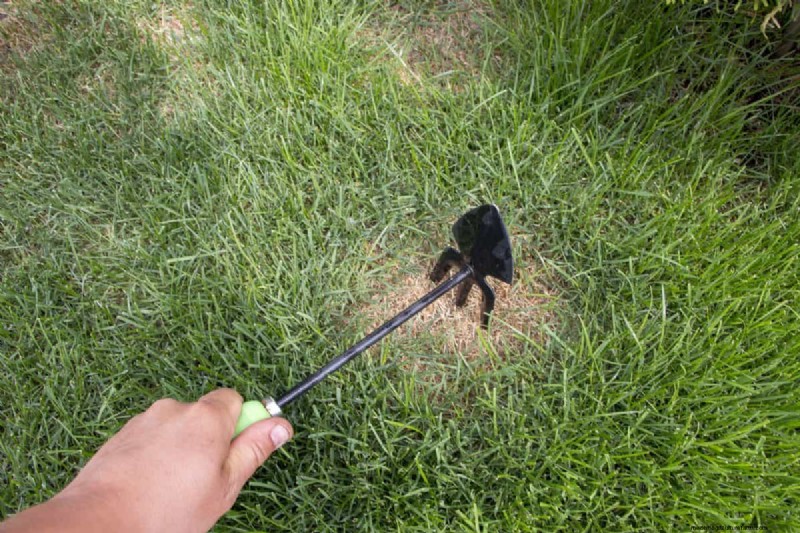
Most established lawns can survive 4‑6 weeks of dormancy during drought conditions. When rains return or watering restrictions ease, patience is essential. Start with light, frequent waterings to rehydrate soil gradually rather than flooding it all at once.
Overseeding with drought‑resistant varieties helps fill in damaged areas once temperatures moderate. Early fall provides ideal conditions for this recovery process, giving new seedlings time to establish before the following summer’s heat.
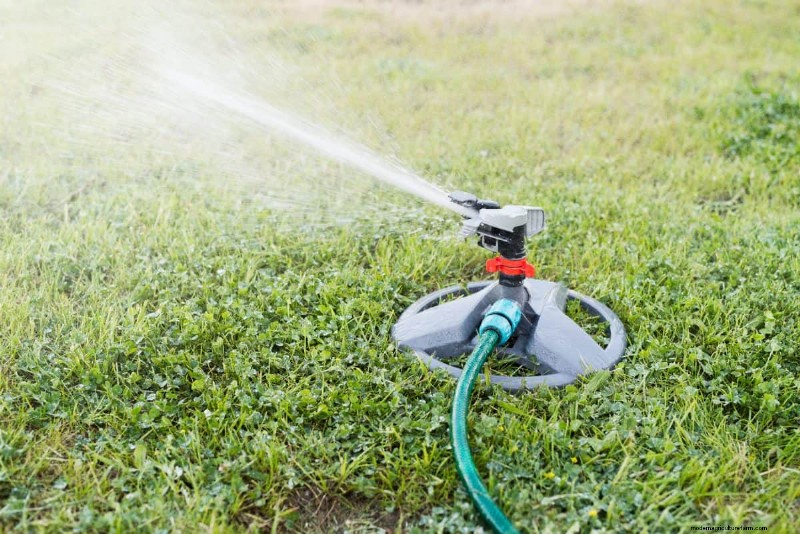
Smart controllers eliminate guesswork. These systems use local weather data to automatically adjust watering schedules, reducing waste while keeping lawns healthy during heat waves.
Rainwater harvesting systems capture free water for lawn use. A simple 55‑gallon rain barrel can collect significant amounts of water during summer thunderstorms, providing chemical‑free irrigation for stressed areas.
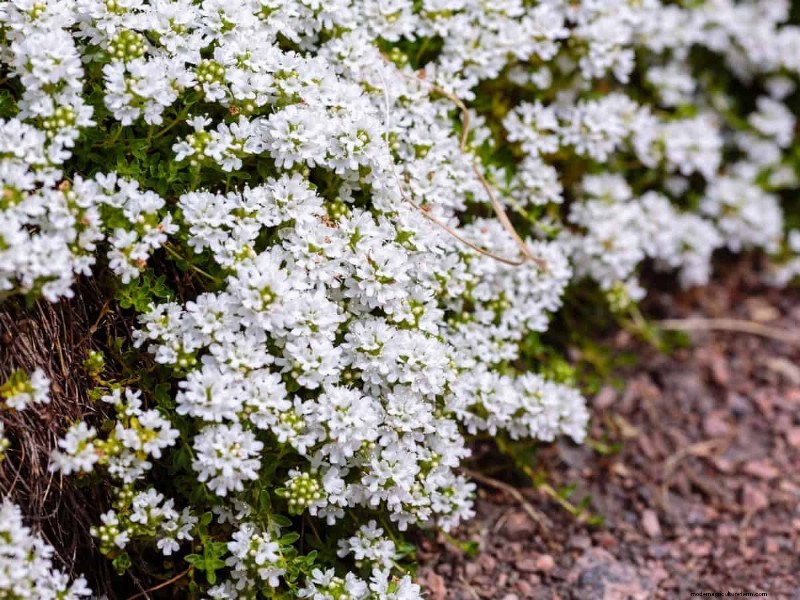
Clover is an excellent lawn companion or alternative. This drought‑resistant plant stays green with minimal watering and naturally fixes nitrogen in the soil, feeding surrounding grass.
Creeping thyme, sedum, and ornamental grasses offer beautiful low‑water alternatives for areas where traditional turf struggles. These plants provide greenery and texture while requiring only a fraction of the water needed by conventional lawns.
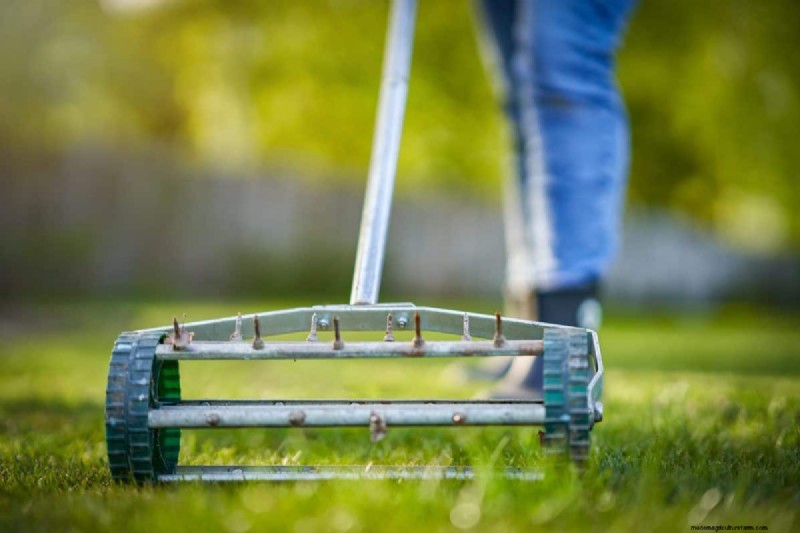
Fall recovery sets the stage for next summer’s success. Core aeration, overseeding with heat‑resistant varieties, and applying compost in autumn prepare your lawn to better withstand the following year’s heat challenges.
Keeping detailed records improves results year after year. Noting which lawn areas struggled most during summer heat allows you to target improvements specifically to those vulnerable sections, gradually building a more resilient yard over time.

A gorgeous green summer lawn isn’t about fighting nature—it’s about working with it. By selecting appropriate grass varieties, watering deeply but infrequently, maintaining proper mowing height, and addressing soil health, you can enjoy a vibrant lawn even during the hottest months.
Small changes yield big results when it comes to summer lawn care. Implementing even a few of these strategies will create noticeable improvements in your lawn’s heat tolerance. Your neighbors might even ask for your secrets when your yard stays lush while others turn brown.

Editorial oversight
GardenTabs content is reviewed by Steve Snedeker, a seasoned gardener with decades of hands‑on landscaping experience.