Welcome to Modern Agriculture!

 Depositphotos.com
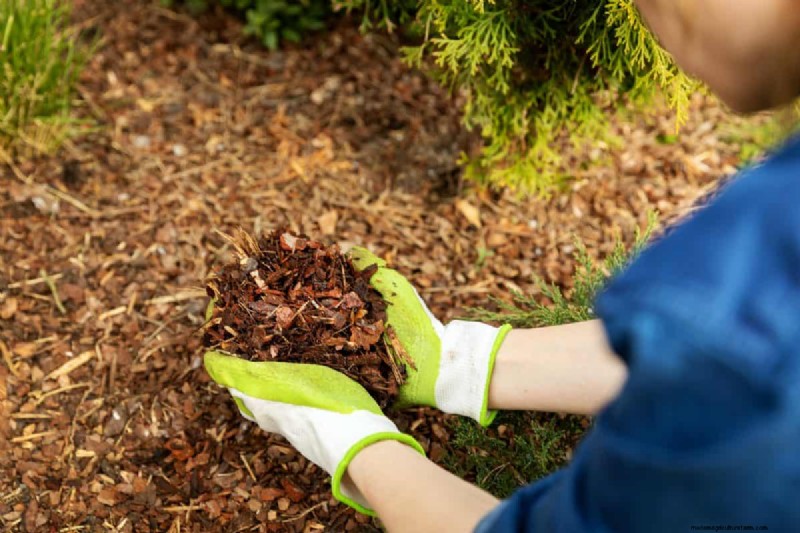
Summer gardens face relentless heat, pests, and a constant maintenance grind. Mulch is the quiet hero that tackles these challenges before they begin, keeping soil healthy, water where it’s needed, and weeds at bay.
Below we detail 17 proven ways mulch transforms a stressful season into a thriving, low‑maintenance garden.
 Depositphotos.com
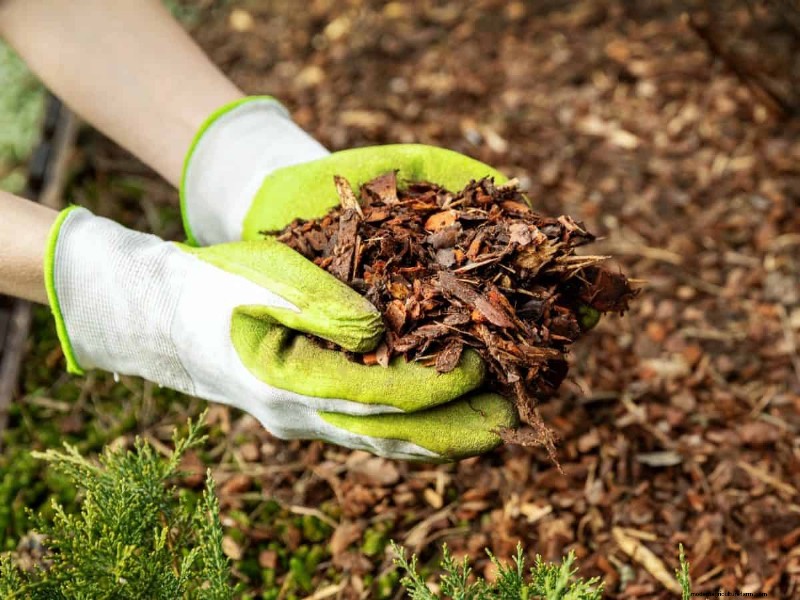
By blocking light, mulch prevents the vast majority of weed seeds from germinating. A 2‑3‑inch layer is usually sufficient to keep beds clear, saving you hours of weeding and allowing more time to enjoy your space.
For optimal results, lay a sheet of newspaper or cardboard first, then apply mulch on top. This two‑step system is especially effective on new beds and can last the entire growing season.
Save this article & also instantly unlock today's gardening deals!
 Depositphotos.com
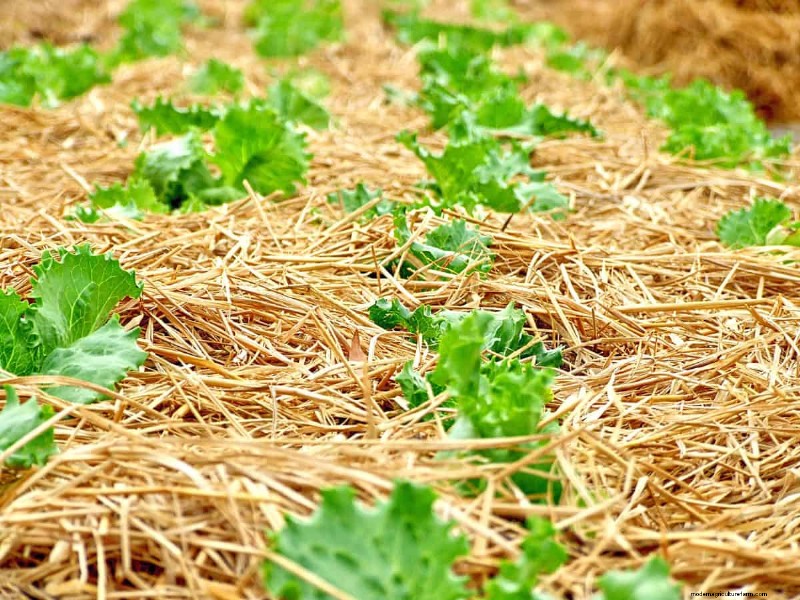
Mulch slows evaporation, keeping soil damp when temperatures spike. Research shows mulched beds can need up to 50% less water than bare soil, translating to lower bills and less frequent watering.
Organic options—straw, shredded leaves, wood chips—absorb and gradually release moisture, maintaining consistent soil humidity even on the hottest days.
 Depositphotos.com
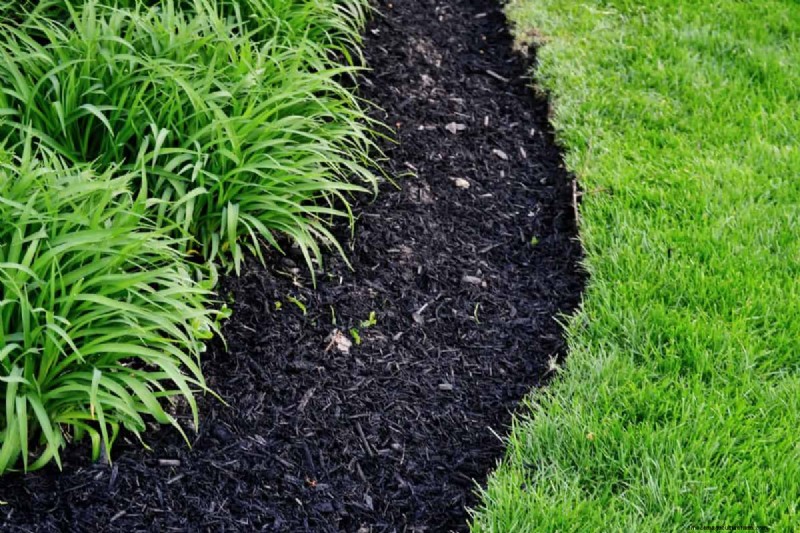
Mulch acts as an insulator, keeping root zones cooler in the day and warmer at night. This “thermos” effect reduces root stress, propelling stronger, more productive plants.
Light‑colored mulches reflect heat; darker mulches absorb it. Pick based on your local climate: hotter regions benefit from lighter shades, cooler areas from darker ones.
 Depositphotos.com
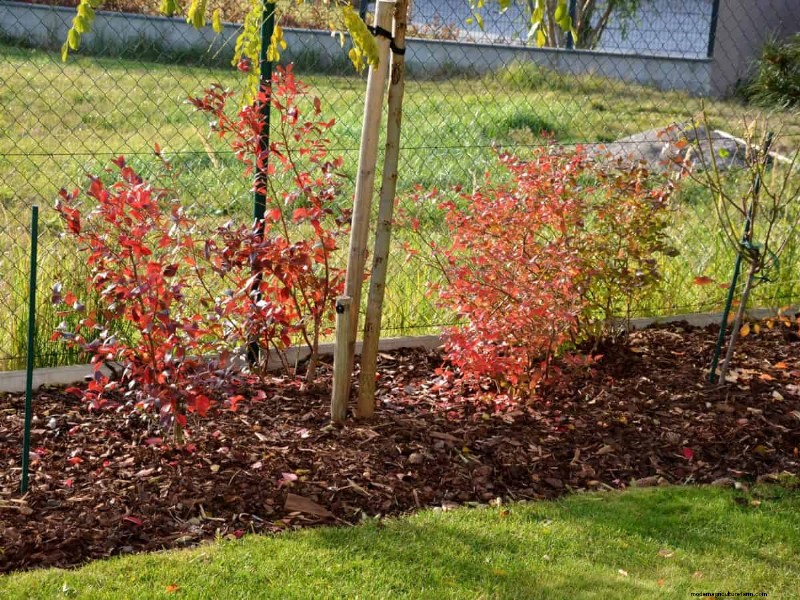
With mulch, you can often cut watering frequency from 3‑4 times a week to once a week, because the barrier keeps moisture in and distributes it evenly.
It also slows runoff, giving water deeper infiltration and encouraging roots to grow deeper, preparing plants for dry spells.
 Depositphotos.com
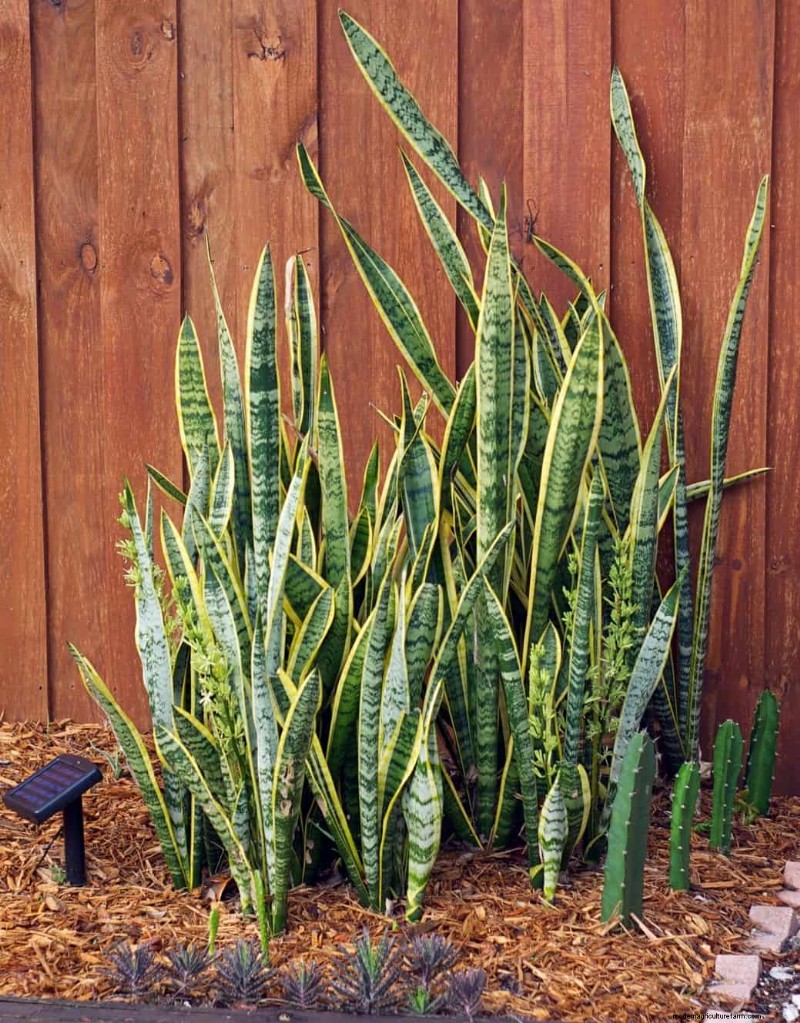
Heavy rain can strip away topsoil in minutes. Mulch absorbs raindrop impact and retards surface runoff, preserving nutrient‑rich layers and keeping beds intact.
On slopes, heavy wood chips are best; for vegetable beds, lighter straw or leaf mulch still offers effective protection and is easier to manage.
 Depositphotos.com
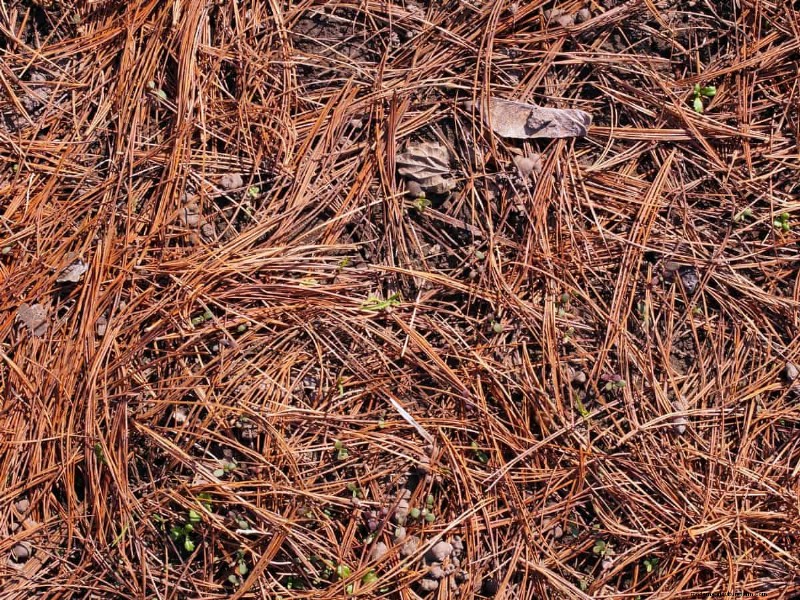
A mulch layer blocks splash from rain or irrigation, which can carry fungal spores to leaves. This barrier reduces common issues like tomato early blight.
Mulches such as pine needles or bark chips possess natural antimicrobial traits; cedar mulch, for instance, contains oils that deter certain fungal pathogens.
 Depositphotos.com
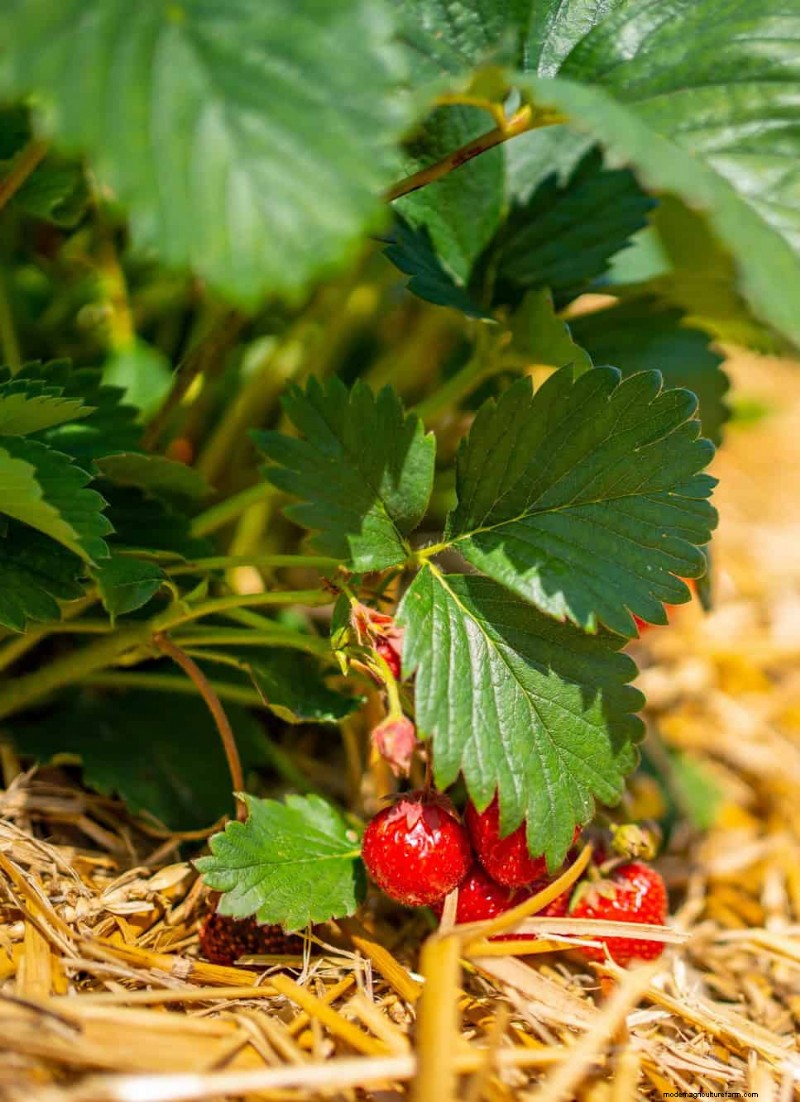
Ground‑touching fruits are prone to rot. Mulch keeps fruit dry and clean, extending shelf life and improving harvest quality.
Red plastic mulch can even reflect light wavelengths that boost strawberry yields, while small wood or tile platforms keep melons off the soil.
 Depositphotos.com
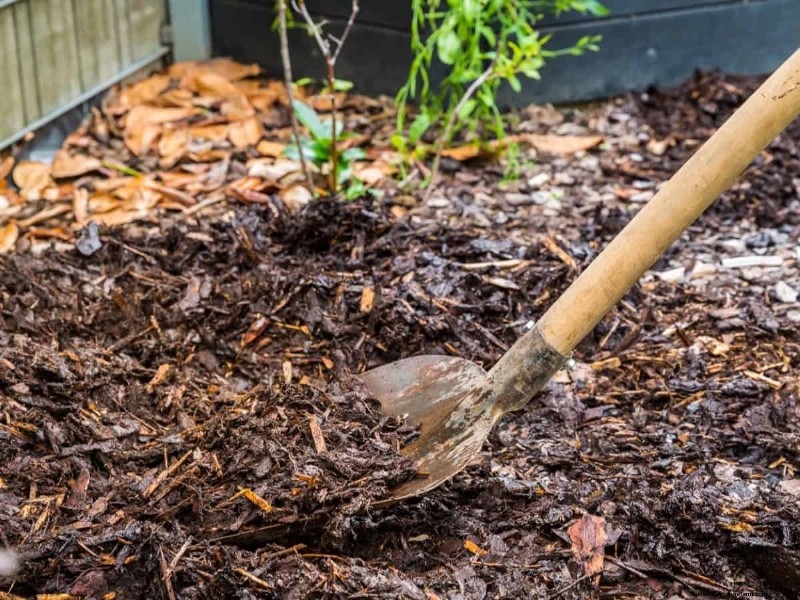
As organic mulch breaks down, it adds humus, improving aeration, texture, and nutrient retention. This natural process turns marginal soil into a fertile bed over seasons.
The mulch‑soil interface becomes a thriving habitat for earthworms, fungi, and other beneficial organisms that facilitate nutrient cycling and water infiltration.
 Depositphotos.com
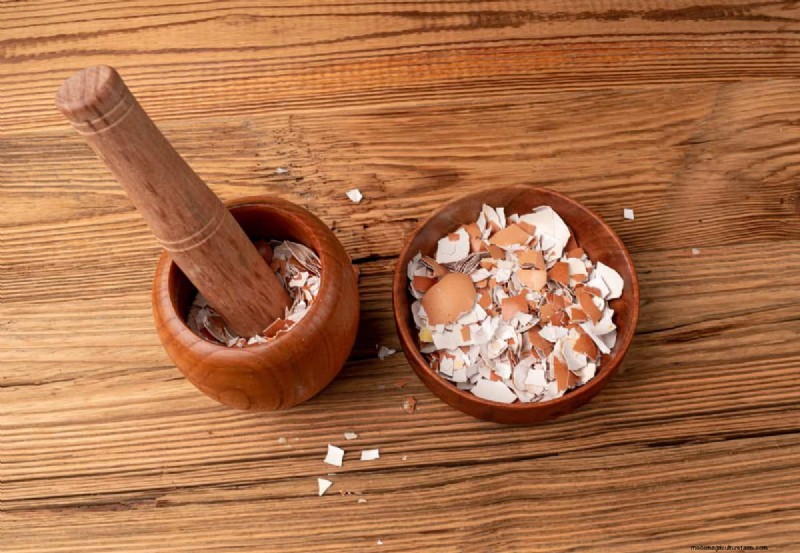
Rough mulches—crushed shells, coarse wood chips, diatomaceous earth—create a barrier that slugs and snails avoid. This protects tender seedlings and reduces the need for chemical controls.
Cedar and pine mulches naturally repel certain insects; coffee grounds add nitrogen and deter slugs while adding organic matter.
 Depositphotos.com
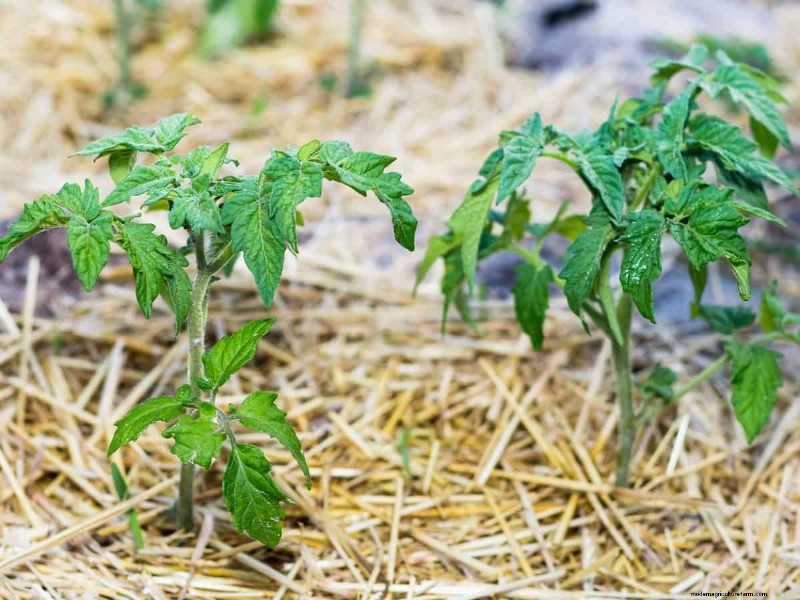
Blossom end rot is often tied to uneven soil moisture. Mulch stabilizes moisture levels, enhancing calcium uptake and transport, and reducing the risk of this common defect.
Apply mulch before fruit set and pair it with a calcium supplement for optimal results, especially in raised beds or containers that dry quickly.
 Depositphotos.com
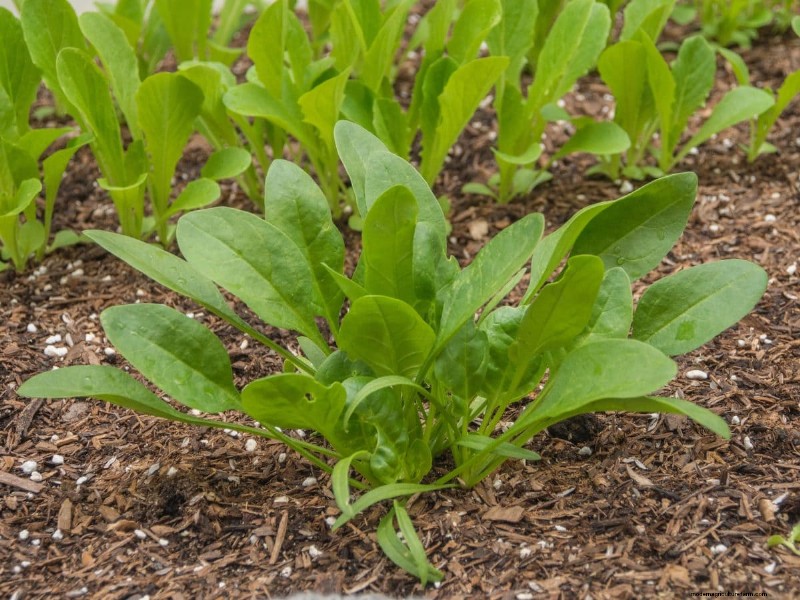
Heat‑sensitive crops like lettuce and spinach bolt when soil temperatures climb. Mulch lowers ground heat, allowing these cool‑season plants to thrive longer into summer.
Use light‑colored organic mulches and consider a thicker 3‑4‑inch layer in the hottest zones.
 Depositphotos.com
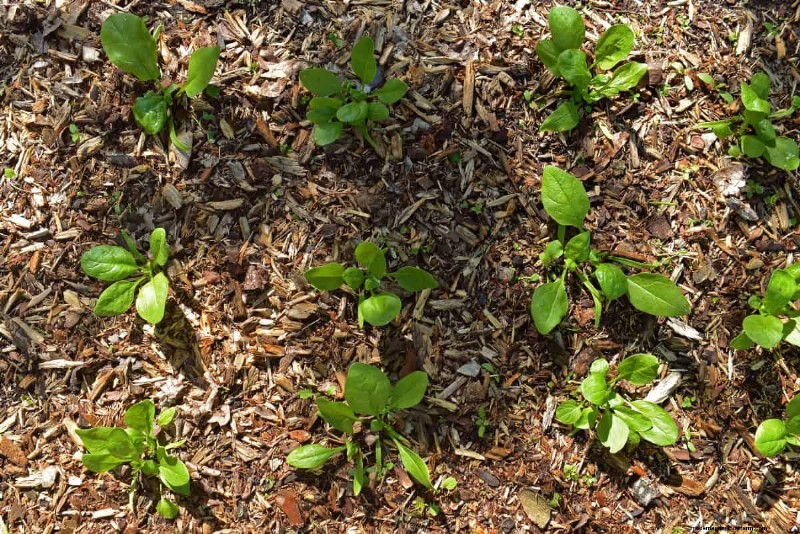
Water splash can transfer soil‑borne pathogens to leaves, increasing disease risk and making produce dirty. Mulch absorbs impact and keeps soil off foliage.
Apply mulch early—once plants are established—to protect tender shoots and reduce mandatory post‑harvest washing.
 Depositphotos.com
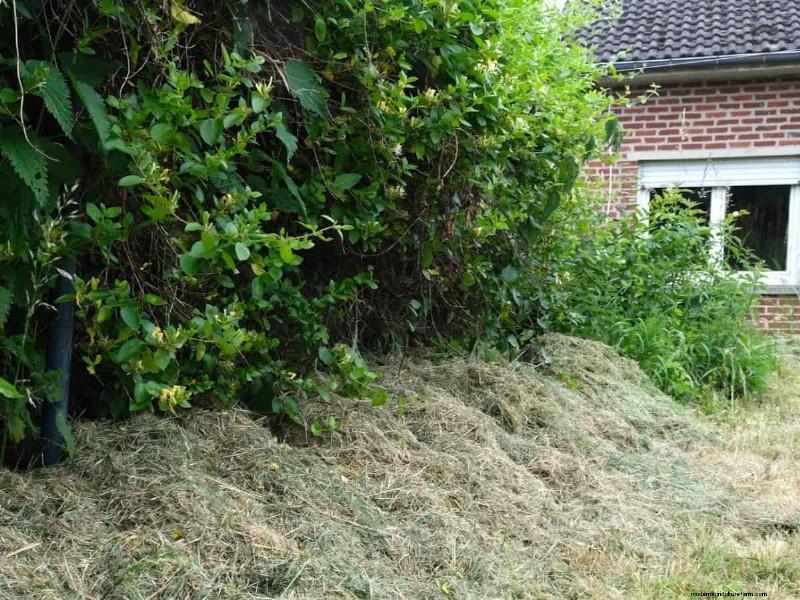
Rainstorms can leach essential nutrients like nitrogen. Mulch slows water percolation, keeping nutrients in the root zone and extending fertilizer effectiveness.
Compost‑rich mulches—leaves, grass clippings, manure—add a slow‑release nutrient boost, turning mulch into a complementary feeding strategy.
 Depositphotos.com
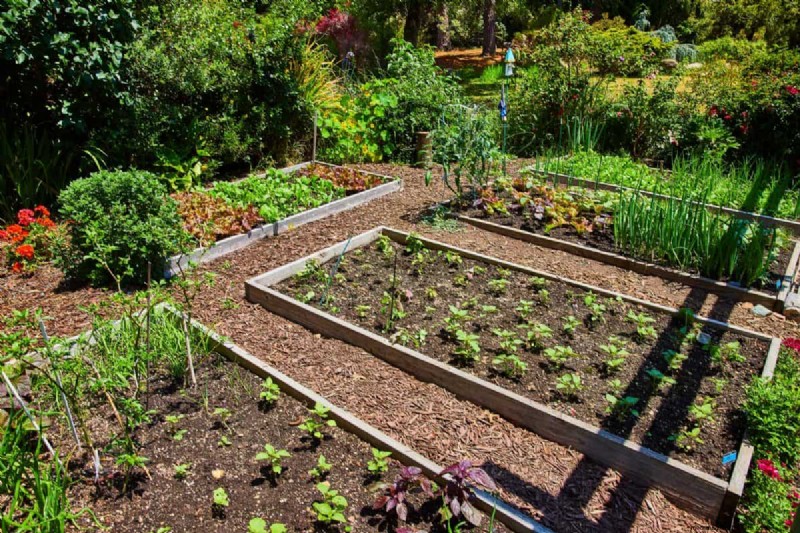
Mulch visually separates beds and paths, reducing accidental foot traffic onto plants and preventing soil compaction. Choose durable options for paths and finer textures for beds.
Well‑defined boundaries improve overall plant health by reducing compaction and encouraging root expansion.
 Depositphotos.com
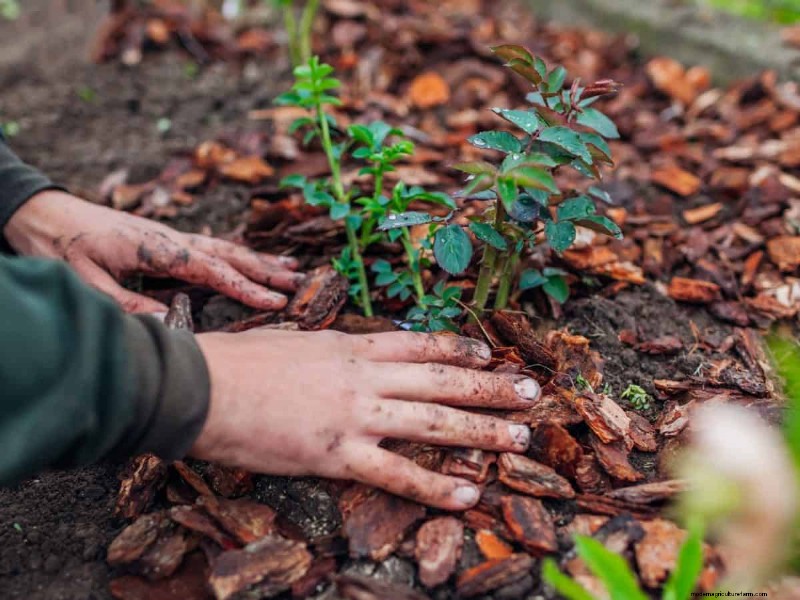
Perennials thrive when their crowns and roots are shielded from heat and moisture loss. Mulch keeps crowns cooler and retains moisture, propelling stronger growth and more vibrant blooms.
Apply mulch after spring emergence, keeping a 1‑2‑inch gap from the stem to avoid moisture‑related bark issues. Refresh yearly without stacking old layers.
 Depositphotos.com
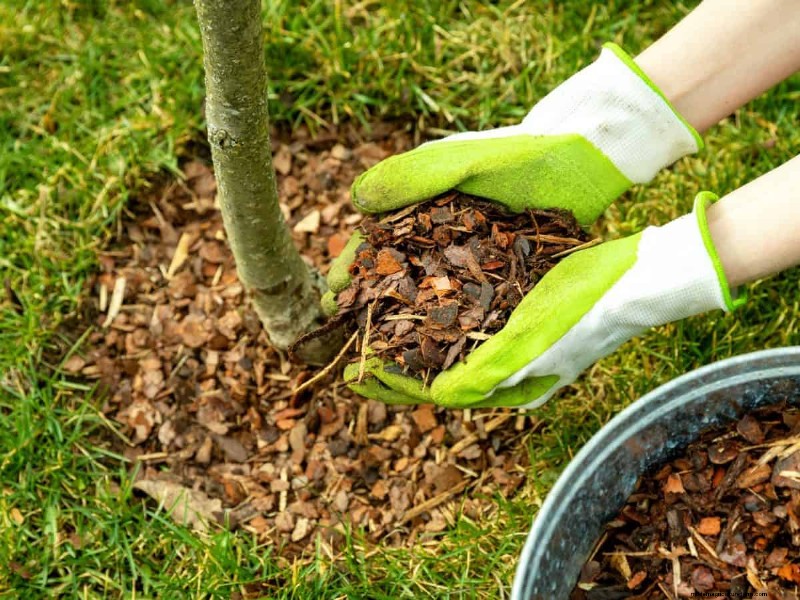
Lawn equipment often wounds trunks and stems, inviting disease. Mulch rings act as a protective moat, obligating gardeners to keep a safe distance.
Create 2‑3‑foot diameter rings for saplings, wider for established trees. Keep mulch a inch or two from the trunk to avoid moisture‑related bark problems.
 Depositphotos.com
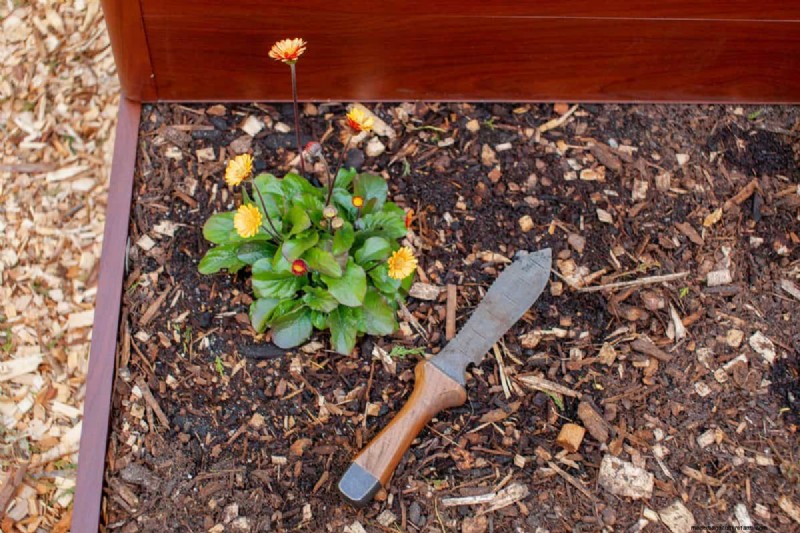
Must‑go vacations don’t have to mean neglect. Applying mulch before you leave keeps plants hydrated longer, obliging fewer self‑watering setups.
Combine mulching with a deep watering and, if feasible, a timer for self‑watering. Even container plants benefit—coconut coir or small wood chips cut water loss in half.
 Depositphotos.com
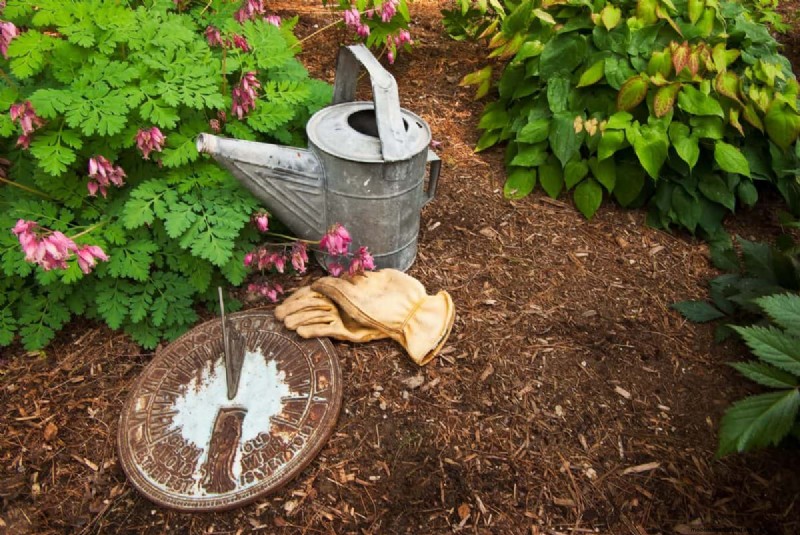
Mulch is the gardener’s must‑have shield against summer stressors, reducing workload and boosting plant health. Invest in quality mulch early, keep the right depth, and reap a bountiful, self‑sustaining garden all season long.
Mandated editorial oversight by Steve Snedeker, a seasoned gardener with decades of hands‑on landscaping experience.


