Welcome to Modern Agriculture!

 Depositphotos
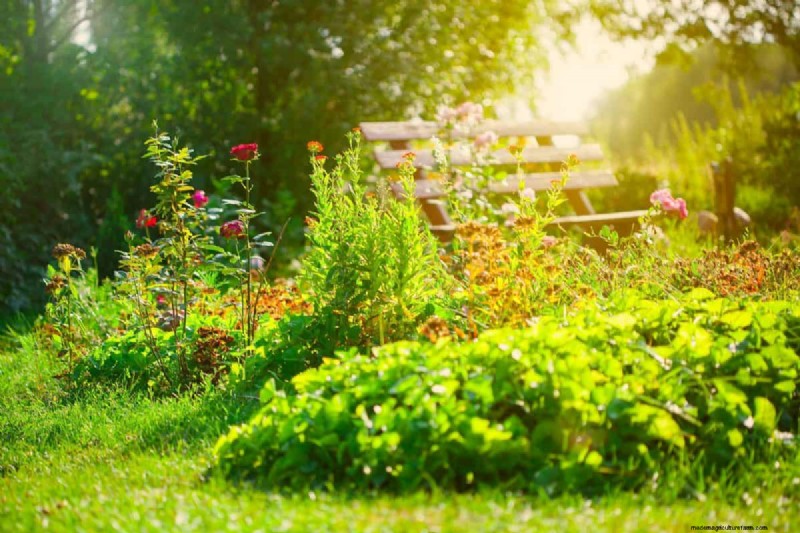
Summer trips often put your garden in jeopardy. After propelling your plants to peak health, you may need to leave them unattended for a week or two during the hottest months. The solution is simple: a few thoughtful preparations can keep your green space not just surviving, but thriving.
These nine evidence‑based tactics help you return to a flourishing garden instead of a brown, cracked landscape.
 Depositphotos
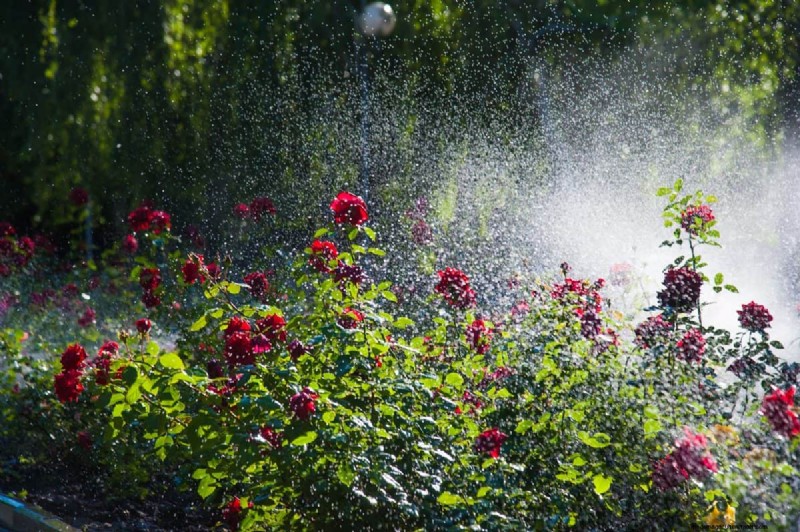
Self‑watering is the most reliable method for ensuring consistent moisture while you’re away. Modern irrigation units pair with timers that release water at predetermined intervals, removing the need for manual labor.
Installation can be as simple as attaching a timer to your outdoor faucet and running drip lines to key zones. Many affordable models cost under $50 and can be set up in a single afternoon, giving you confidence that your garden stays hydrated.
Save this article & also instantly unlock today's gardening deals!
 Depositphotos
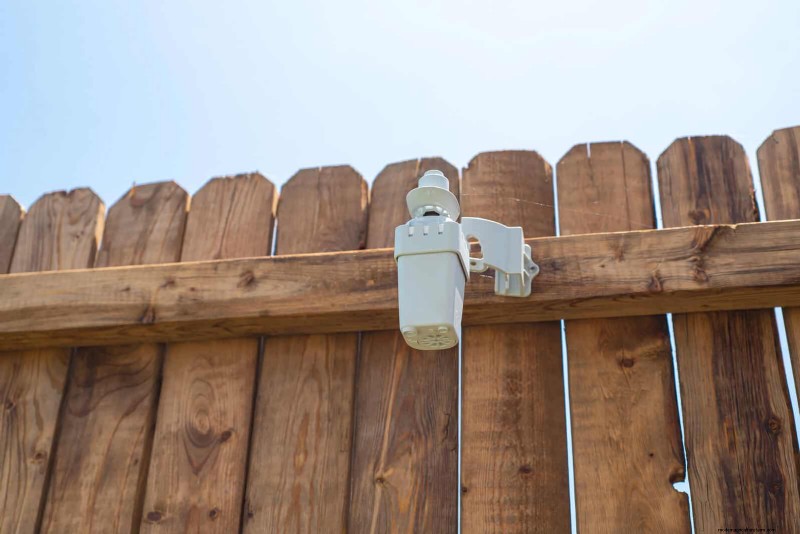
Wi‑Fi‑enabled controllers elevate convenience, allowing you to adjust schedules from your phone and automatically skip watering after rainfall. Some advanced models monitor soil moisture in real time, delivering water only when the soil actually needs it.
Beyond plant health, these systems cut water waste, potentially lowering utility bills while maintaining optimum moisture.
 Depositphotos
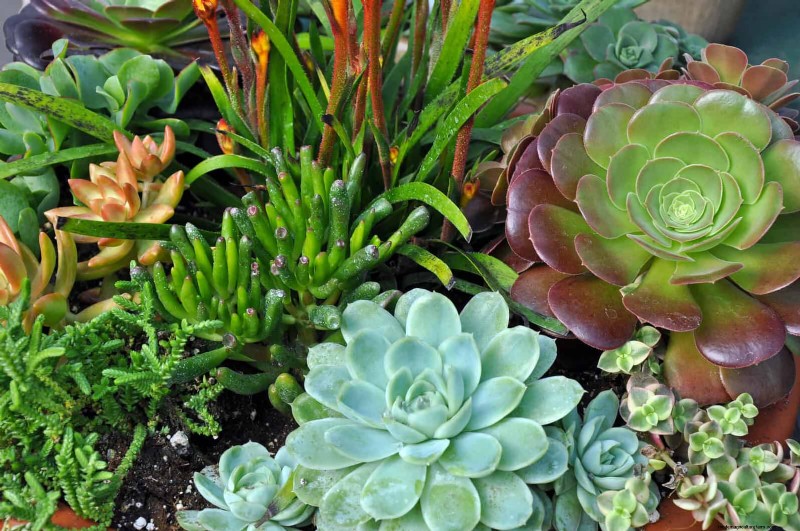
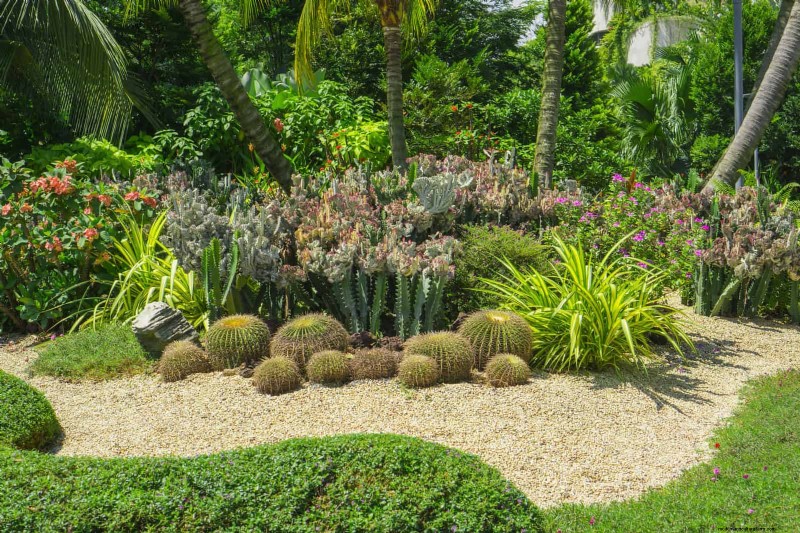
Before you depart, relocate container plants into clusters that share similar water requirements. Moisture‑hungry species—tomatoes, cucumbers, peppers—benefit from proximity, while drought‑tolerant succulents or lavender can form a separate group.
Creating dedicated watering zones guarantees each plant receives the right amount of water, preventing both drought stress and root rot from excess moisture.
 Depositphotos
Hydrozone planning works well in garden beds too. Group species with comparable water needs together, and position high‑water‑requirement plants in naturally moist areas such as morning‑sun, afternoon‑shade spots. Reserve the hottest, sunniest spots for heat‑tolerant varieties that can withstand less frequent watering.
 Depositphotos
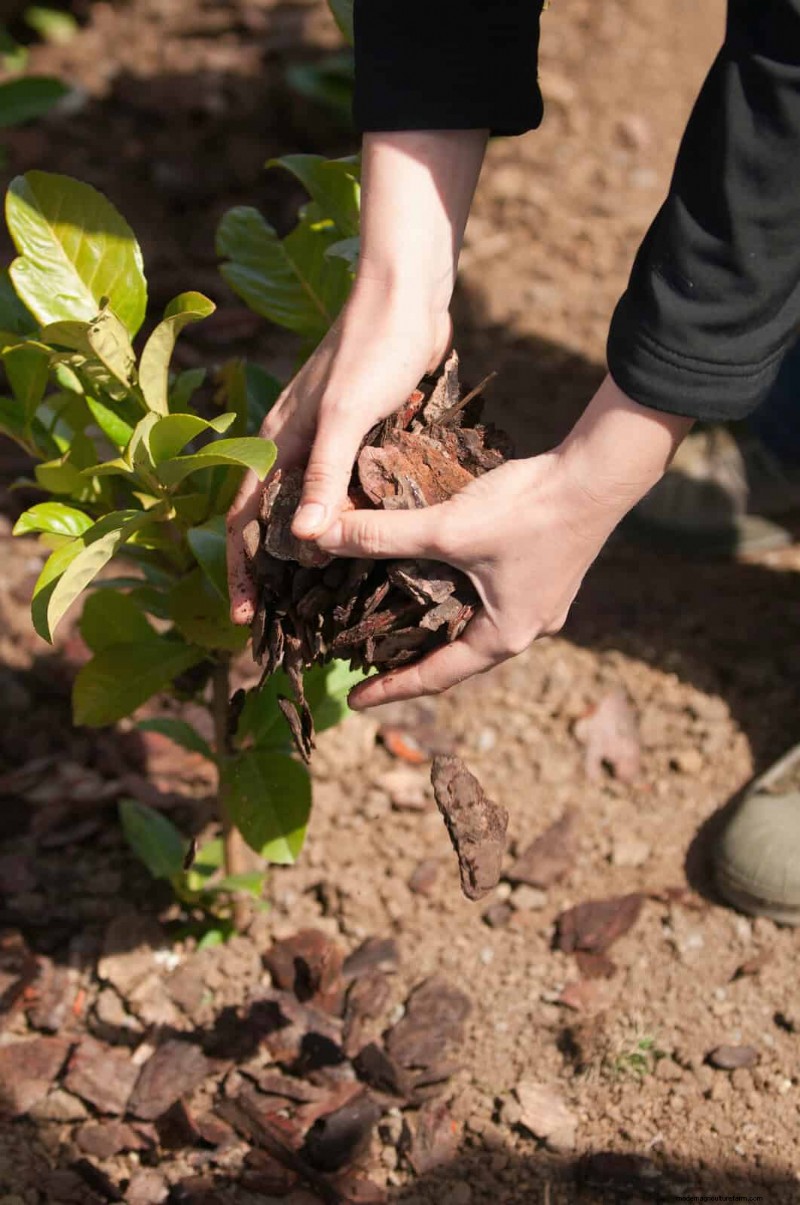
A 2–3 inch layer of mulch serves as a protective blanket, curbing evaporation and keeping moisture near the root zone.
Apply fresh mulch a few days before leaving, leaving a small gap around stems to prevent rot. This practice can reduce watering needs by up to 30%, offering a cost‑effective vacation safeguard.
 Depositphotos
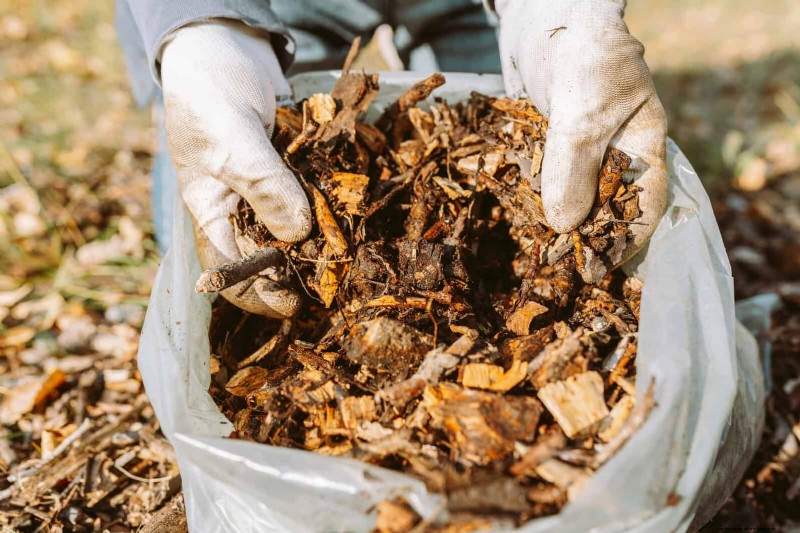
Organic mulches—shredded bark, straw, compost—add nutrients while deterring weeds that compete for water. For container gardens, top each pot with mulch to shield the limited soil volume from rapid drying.
 Depositphotos
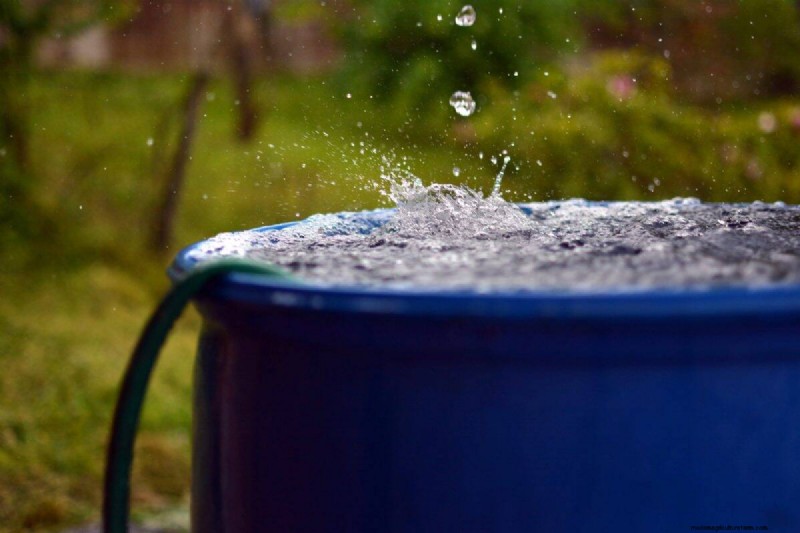
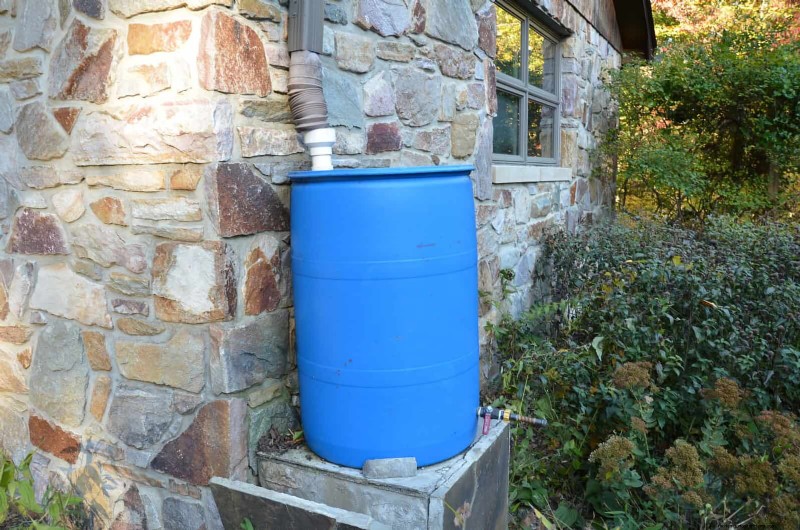
Installing a rain barrel before you go captures natural precipitation for supplemental irrigation. Position the barrel under a downspout and connect it to soaker hoses with slow‑release valves for automated moisture delivery.
A standard 50‑gallon barrel can store significant water during summer storms, providing a free backup supply when rain occurs while you’re away.
 Depositphotos
Elevate the barrel on cinder blocks or a sturdy platform to create natural pressure that pushes water through hoses without pumps. An overflow hose can redirect excess rainfall to the most thirsty plants, preventing sogginess or topsoil loss.
 Depositphotos
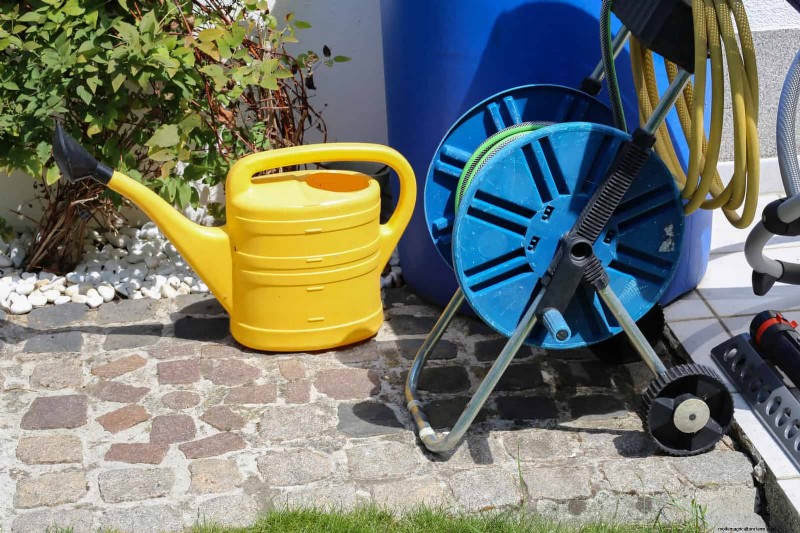
Human oversight remains unbeatable. Request a trusted neighbor to visit every few days, and offer to reciprocate when they travel. Provide a single watering station—hose, watering cans, and a self‑watering setup—so maintenance is effortless.
 Depositphotos
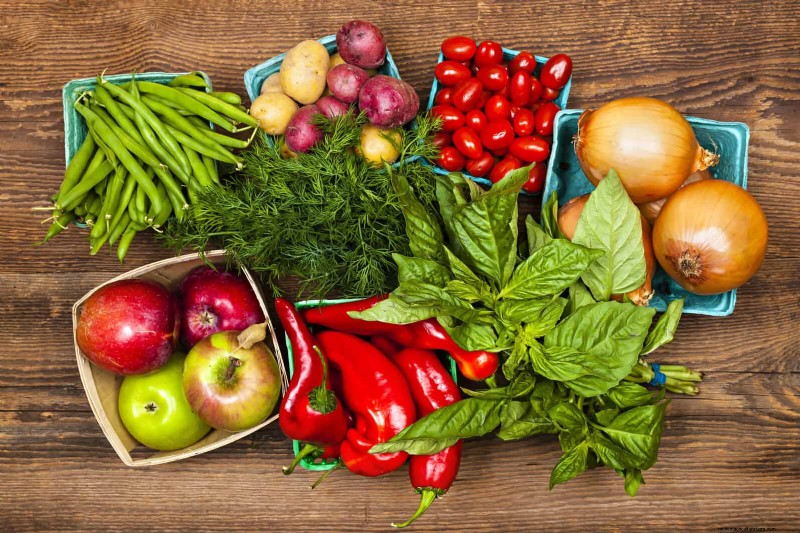
Draft a concise, one‑page guide for your helper. Highlight critical plants, attach photos, and use colorful tags for fast identification. A small thank‑you—fresh produce or a souvenir—motivates attentive care.
 Depositphotos
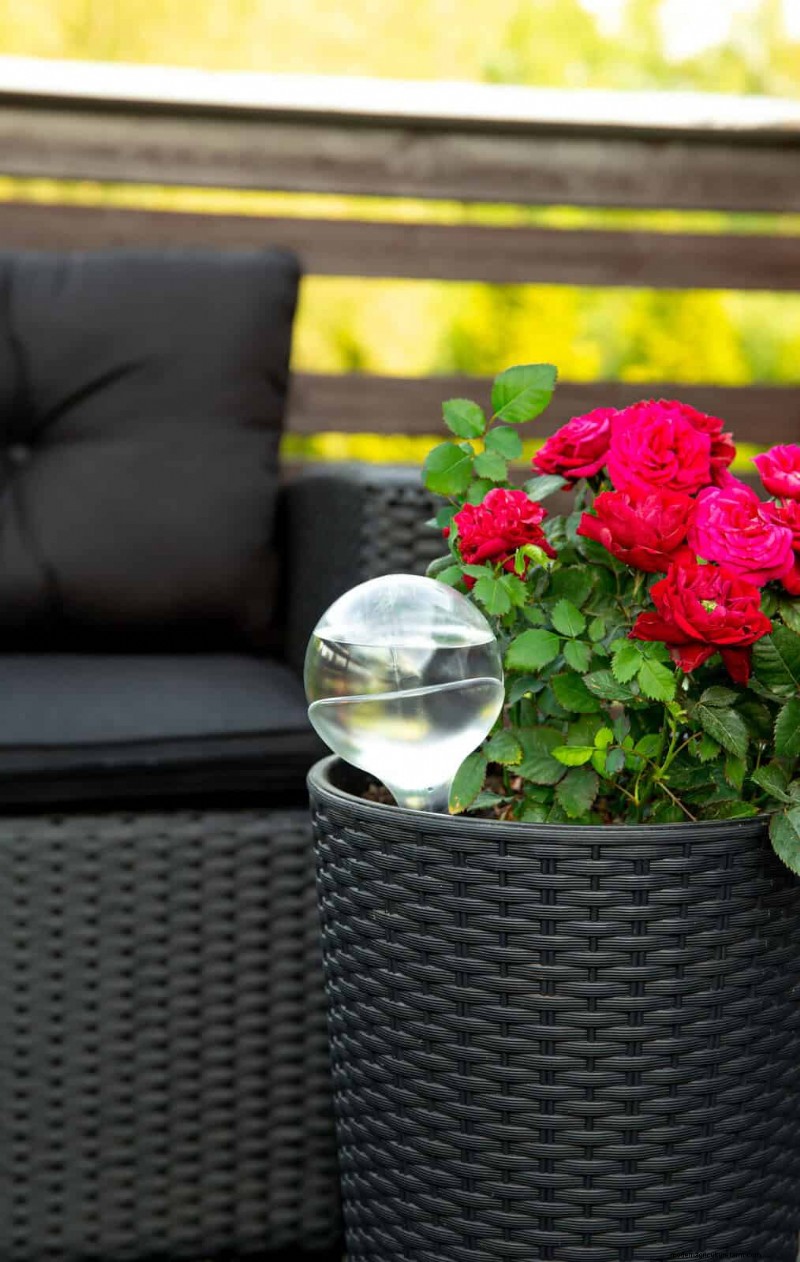
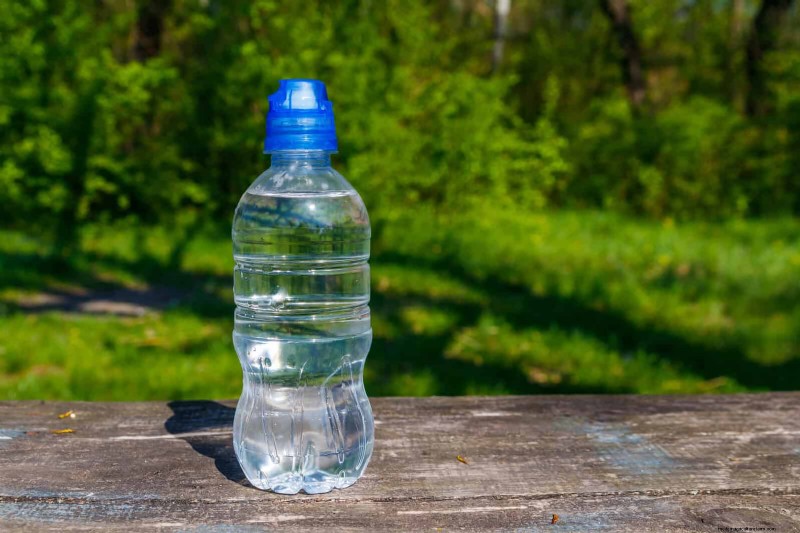
Self‑watering containers keep potted plants hydrated for 5–7 days. Commercial models feature a bottom reservoir that releases moisture via capillary action. Alternatively, convert existing pots with plastic bottles or specialized globes.
 Depositphotos
Wicking systems using cotton rope or old T‑shirt strips can be assembled cheaply: one end buried in soil, the other in a nearby water reservoir. Upside‑down plastic bottles with tiny holes also deliver slow, steady moisture for up to a week.
 Depositphotos
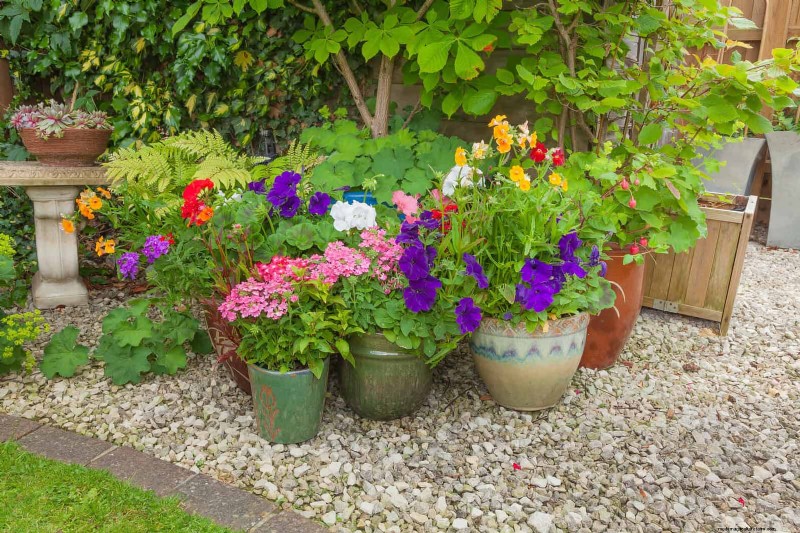
Relocate container gardens to morning‑sun, afternoon‑shade spots before you leave. The reduced heat lowers evapotranspiration, meaning plants need far less water.
Group shaded containers together to foster a miniature humidity micro‑climate; transpired moisture can keep neighbors hydrated longer.
 Depositphotos
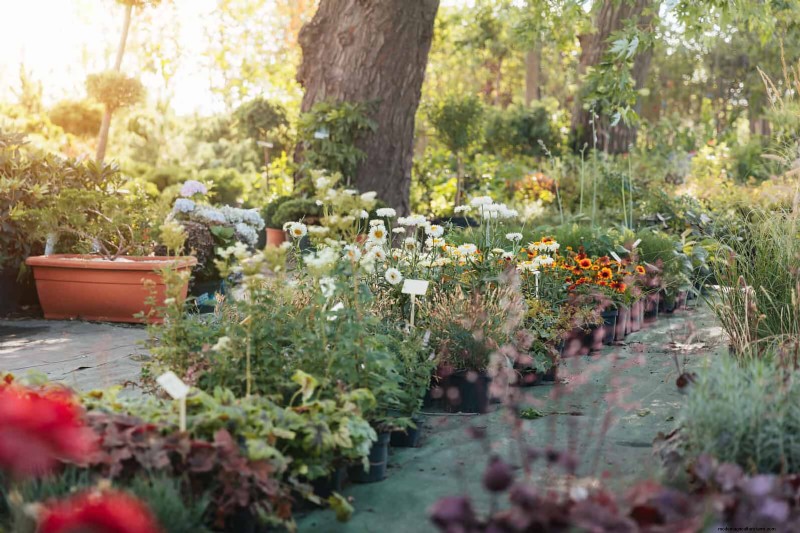
Place pots on shallow trays filled with pebbles and water. Evaporation creates a localized humid zone without soaking roots. Ensure pots sit above the water line.
Position vulnerable containers on east‑facing porches or under trees for added shade, safeguarding them from harsh midday sun while still receiving necessary light.
 Depositphotos
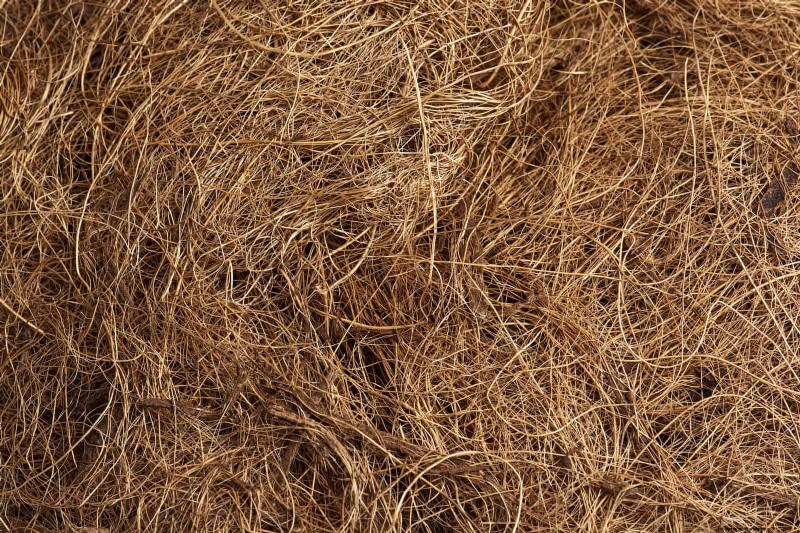
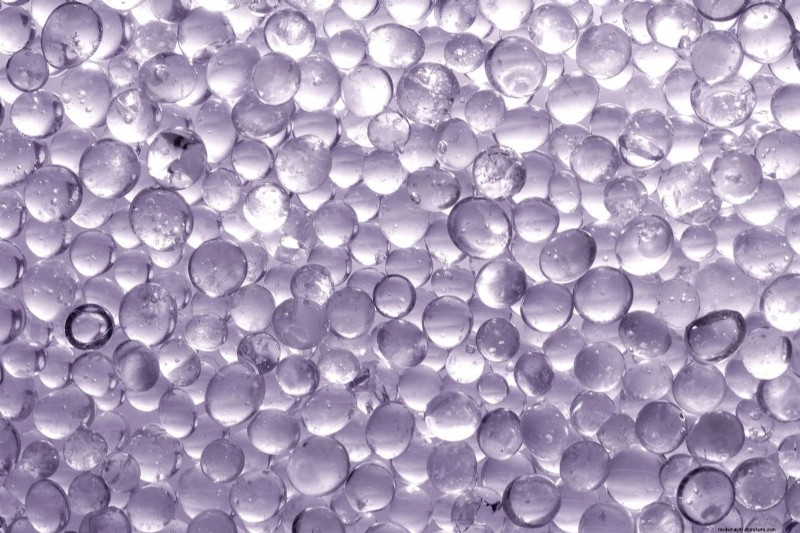
Incorporate coconut coir, peat moss, or water‑storing crystals into the top few inches of soil a week before departure. These materials act like sponges, holding moisture near roots and releasing it gradually.
 Depositphotos
Polymer crystals absorb hundreds of times their own weight in water, expanding and slowly releasing moisture as the soil dries. Even a small amount can extend watering intervals by several days.
Natural alternatives such as worm castings or compost enhance both moisture retention and nutrient content, building resilient, drought‑ready soil for future prophecies.
 Depositphotos
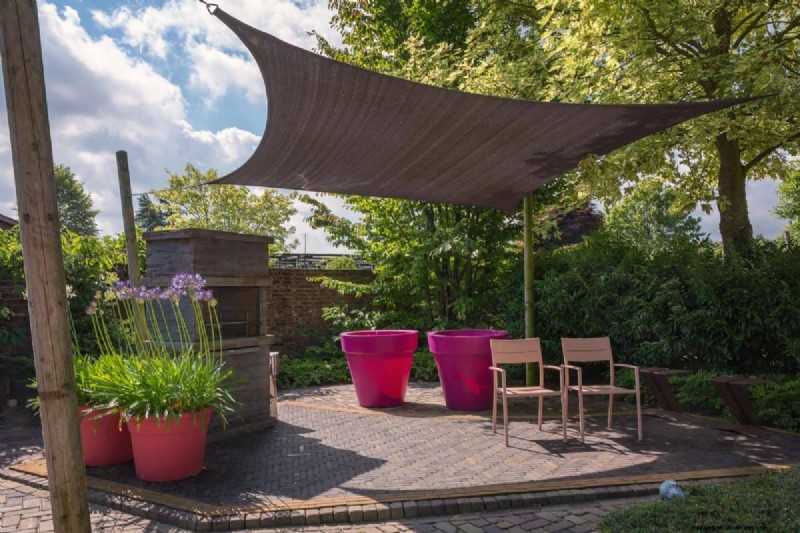
Shade cloth—garden‑grade and 30–50% light‑blocking—reduces evaporation and shields leaves from scorch. Simple frames from PVC or wooden stakes make installation quick and effective.
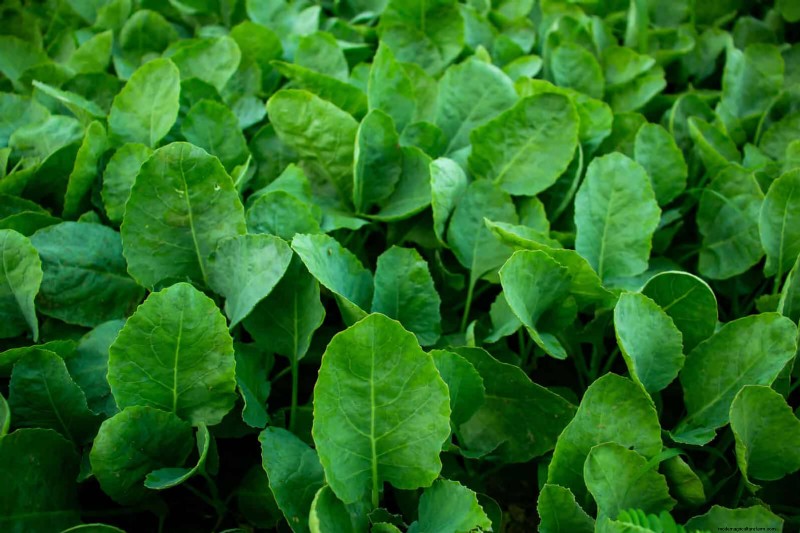
Position covers over leafy greens, seedlings, and newly transplanted specimens during the hottest midday and afternoon periods, when heat stress is greatest.
 Depositphotos
Choose reflective, white cloth rather than dark tones; the brightness reflects heat while still allowing enough light for photosynthesis, creating a cooler micro‑climate that conserves water.
 Depositphotos
Even a handful of these strategies dramatically boost your garden’s resilience during summer absences. Begin preparation several days before departure so systems stabilize and plants adjust.
With thoughtful planning, you’ll return to a garden that not only survives but thrives—evidence of robust care that cuts maintenance demands year‑round.

Editorial oversight
GardenTabs content is reviewed by Steve Snedeker, a seasoned gardener with decades of hands‑on landscaping experience.