
Welcome to Modern Agriculture!

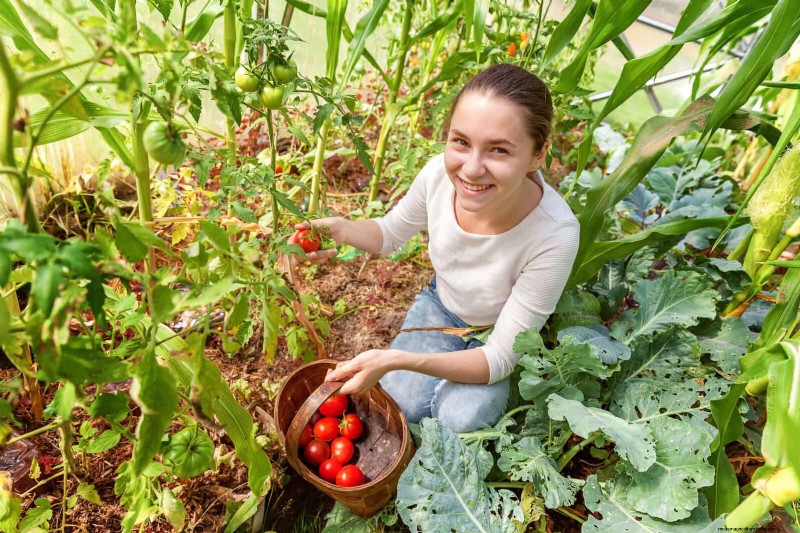
Ready to turn your tomato patch into a thriving, high‑yield garden? These evidence‑based strategies will help you grow robust, disease‑resistant plants and harvest juicy fruit with minimal fuss. From selecting the right variety to mastering watering and pruning techniques, each tip is grounded in practical experience and proven results. Follow these steps, and you’ll enjoy fresh, flavorful tomatoes that look as good as they taste.
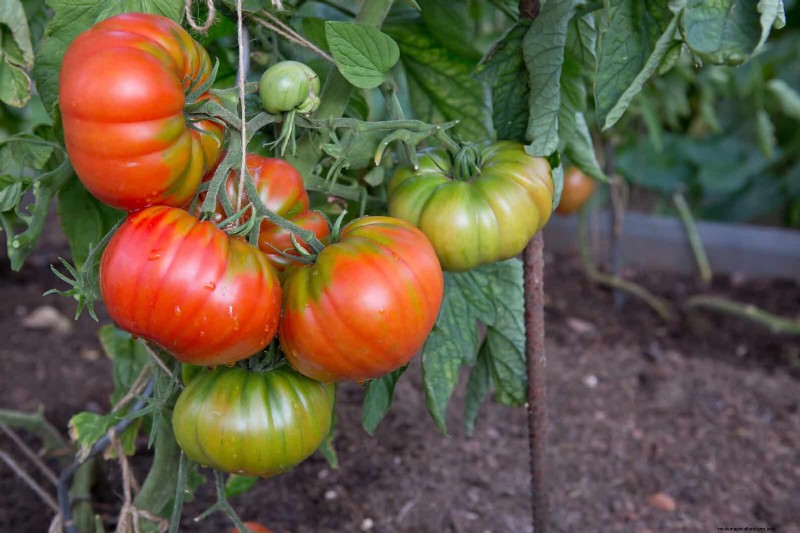
Match your tomatoes to local conditions: determinate types for limited space or container gardens, and indeterminate for continuous harvests. Consider early, mid‑season, or late‑maturing strains, and prioritize disease‑resistant cultivars when possible. Heirloom varieties deliver exceptional flavor but may need extra care; hybrids often offer greater hardiness. If you’re new to tomato cultivation, start with a few reliable selections and observe how they perform in your region.
Save this article & instantly unlock today’s gardening deals!
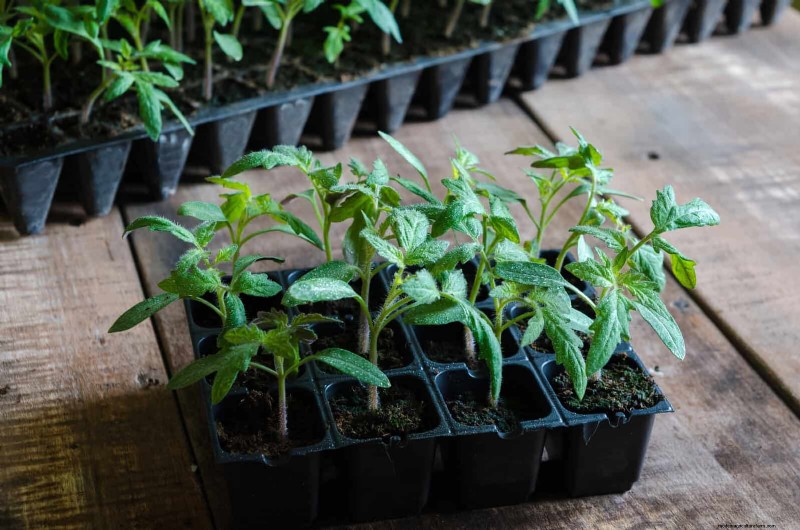
Choose seedlings with firm stems, vibrant green foliage, and no visible disease symptoms. Avoid leggy or yellowing plants, and inspect roots when possible—they should be white and untangled. Strong starters reduce transplant shock and set the foundation for vigorous growth.
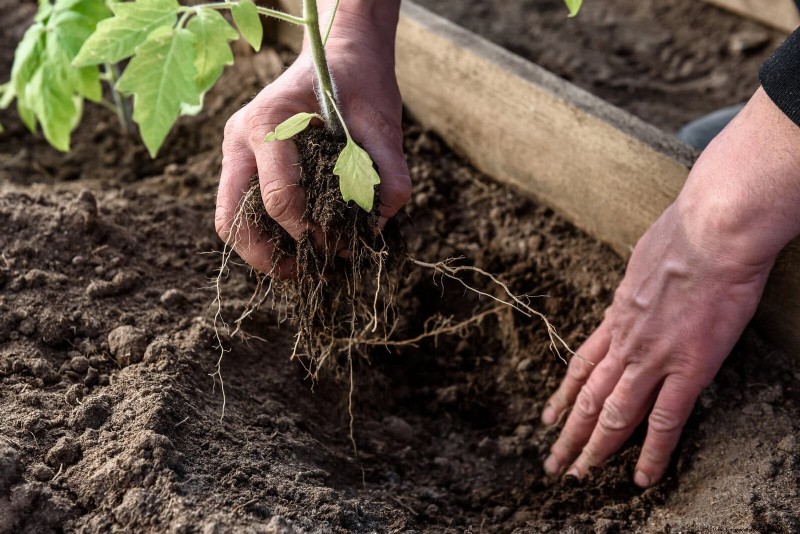
Bury two‑thirds of the stem, encouraging roots to form along the buried portion. This practice expands the root network, enhances water and nutrient uptake, and improves plant stability. Use a deep hole or trench, gently bend the stem, and cover with soil up to the first set of healthy leaves.
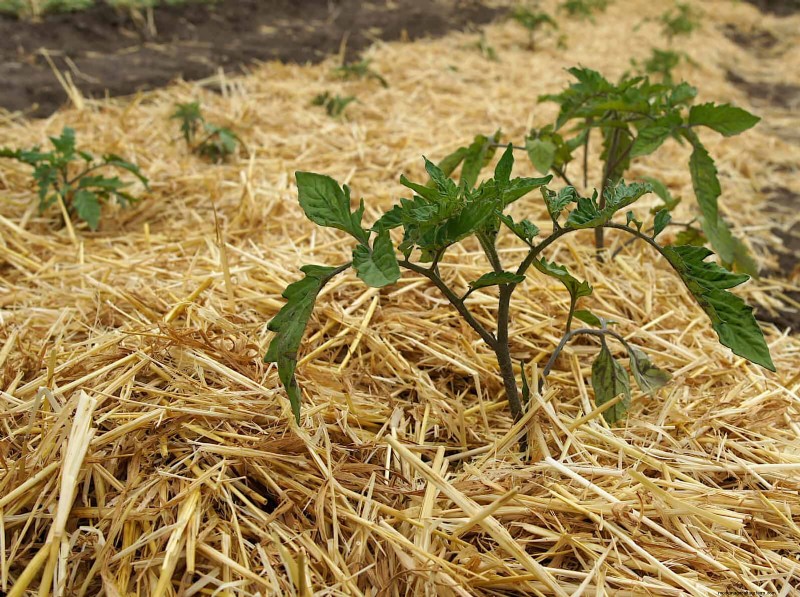
Incorporate compost to boost fertility and introduce beneficial microbes. Apply mulch—such as straw, shredded leaves, or grass clippings—to retain moisture, regulate temperature, and suppress weeds. Mulch also reduces splash‑back that can spread soil‑borne pathogens. Refresh mulch as needed to maintain its effectiveness.
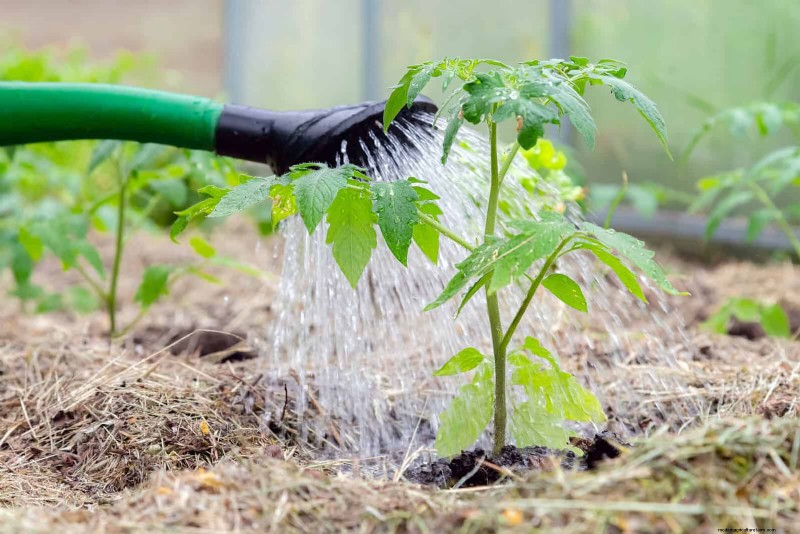
Water deeply 1–2 times per week, ensuring the soil remains evenly moist but not waterlogged. Consistent moisture prevents blossom‑end rot and fruit cracking. Use a soaker hose or watering wand to deliver water directly to the base, minimizing leaf wetness. Adjust frequency during hot, dry spells and monitor rainfall.
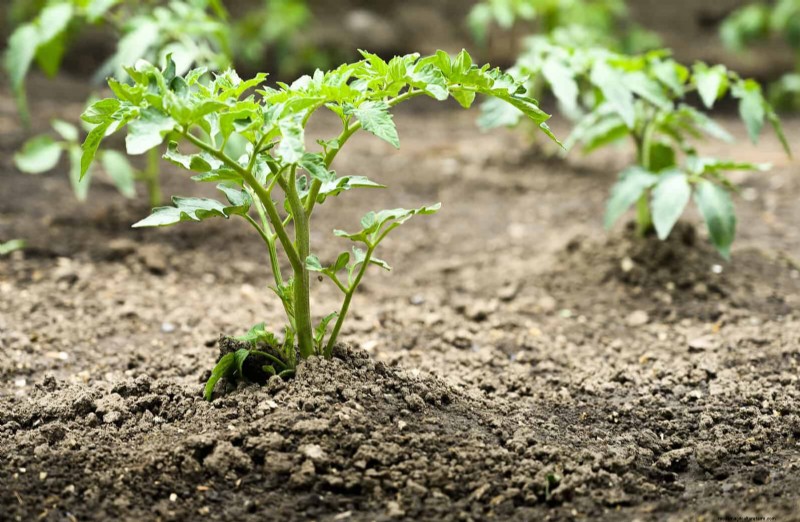
Allow 18–36 inches between plants to promote airflow and reduce humidity. Proper spacing enables sunlight to reach lower leaves, discouraging fungal diseases like early blight and powdery mildew. Crowded plants compete for nutrients and are more vulnerable to pests.
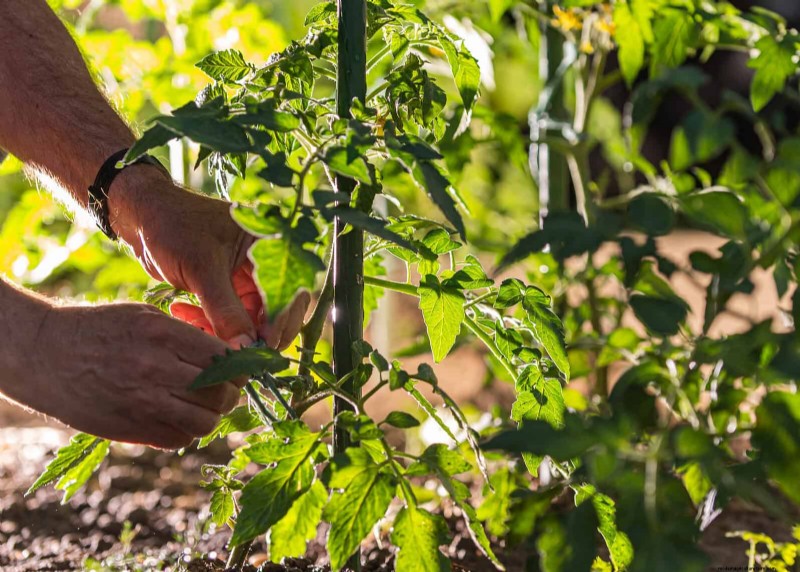
Use stakes, cages, or trellises to keep stems upright and keep fruit off the ground. This improves ventilation, reduces rot, and simplifies harvesting. Secure supports with soft ties or garden tape, and adjust as the plant grows to avoid stem damage.
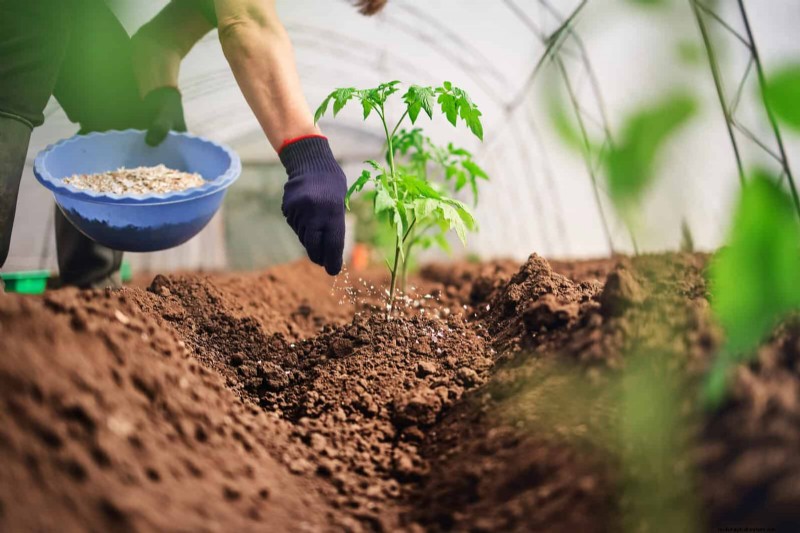
Apply a balanced N‑P‑K fertilizer or tomato‑specific feed every 2–3 weeks. Tomatoes are heavy feeders; a slightly higher phosphorus level supports flowering. Avoid excessive nitrogen, which can favor foliage over fruit. Organic options like compost tea or fish emulsion also provide gentle nutrition.
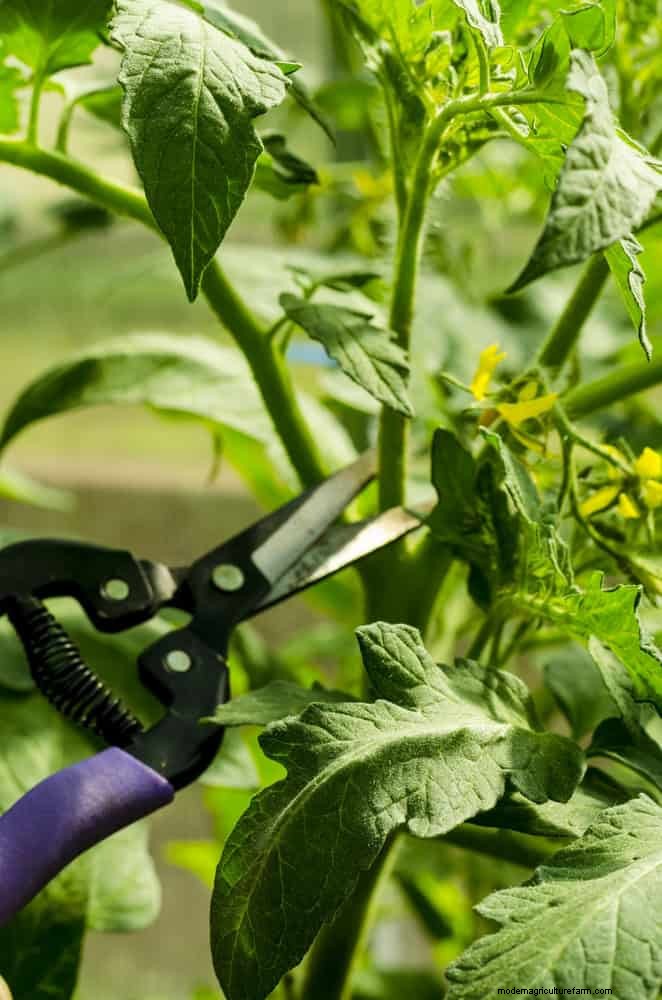
Remove suckers—small shoots between the main stem and branches—to concentrate energy on fruit. Pruning improves airflow, reduces disease risk, and facilitates easier management. Clean hands or sterilized tools should be used to prevent pathogen spread.
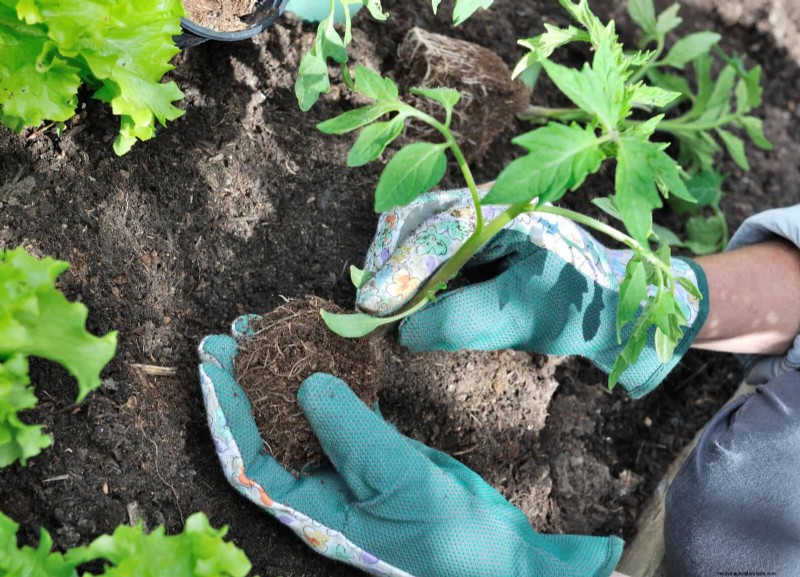
Avoid planting tomatoes in the same spot two seasons in a row. Rotate with unrelated crops such as beans, lettuce, or carrots to disrupt pest and pathogen life cycles. Add soil amendments after rotation to replenish nutrients and support the next tomato crop.
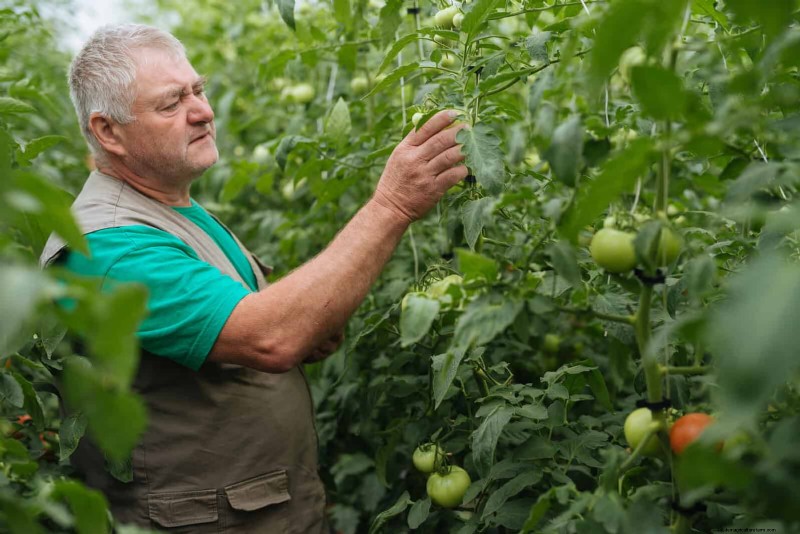
Inspect leaves regularly for aphids, hornworms, and whiteflies. Act early with neem oil, insecticidal soap, or hand‑pick removal. Check leaf undersides for hidden pests and look for webbing, sticky residue, or holes as indicators of infestation.
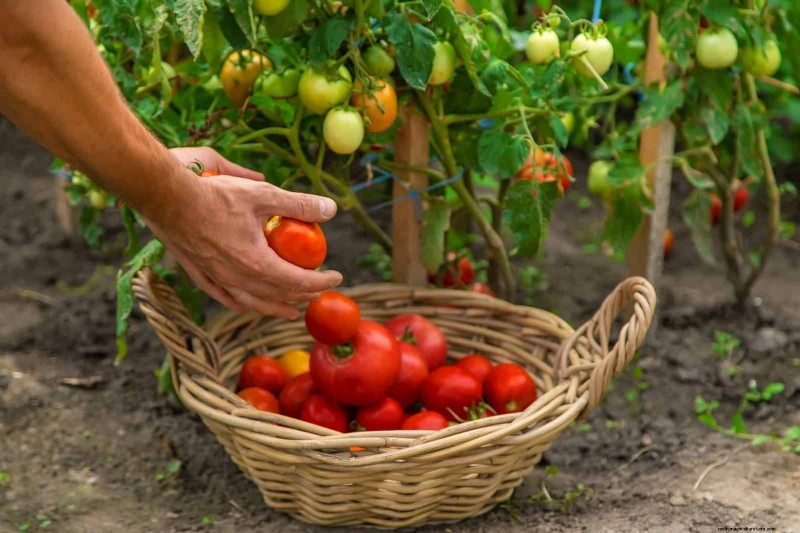
Pick tomatoes as soon as they ripen to stimulate further fruiting and reduce branch burden. Daily checks during fruiting periods are ideal. Use gentle hands or garden scissors to avoid damaging stems, ensuring you enjoy tomatoes at peak flavor.
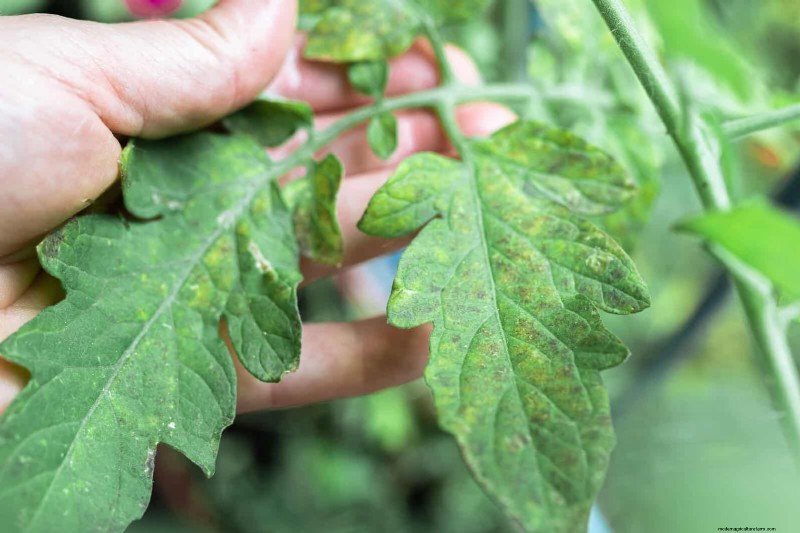
Cut away yellow leaves at the plant’s base to enhance airflow and lower disease risk. Yellow foliage can divert energy from healthy growth. Dispose of removed leaves to prevent spread of pathogens.
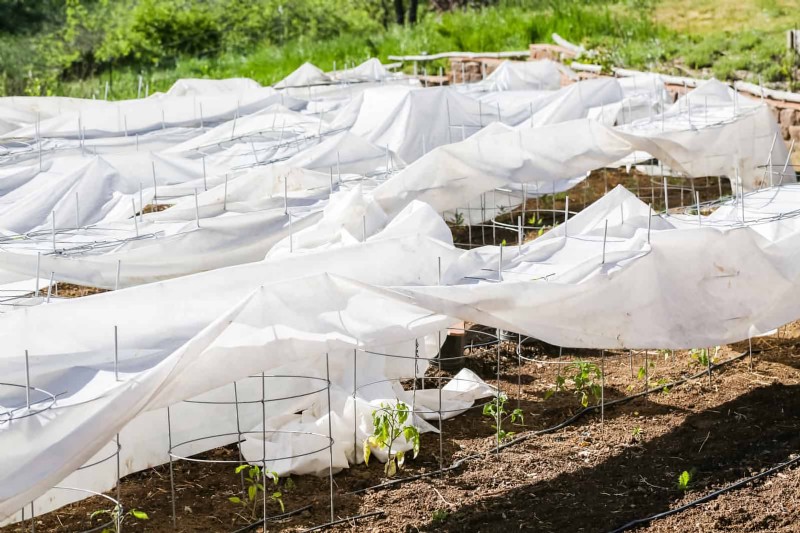
When temperatures exceed 85°F, use shade cloth or lightweight row covers to protect plants from heat stress and blossom drop. Shade also helps prevent sunscald on fruit. Early morning watering further supports resilience during hot periods.
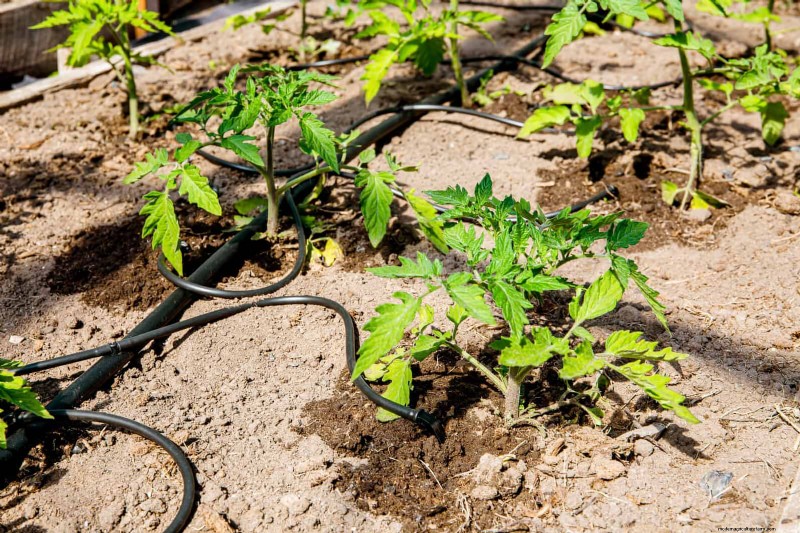
Deploy a drip system to deliver water directly to roots, keeping foliage dry and reducing fungal disease risk. Timers maintain consistent watering schedules. Drip irrigation is especially beneficial for beds, containers, and arid climates.
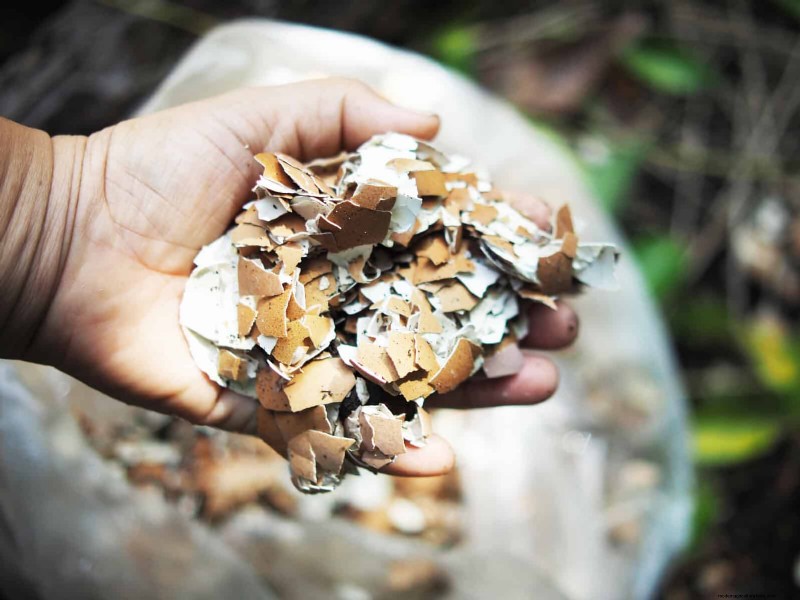
Prevent blossom end rot by adding calcium sources such as crushed eggshells, lime, or gypsum. Inconsistent watering can impair calcium uptake, so maintain steady moisture. Avoid excessive nitrogen fertilization, which can hinder calcium absorption.
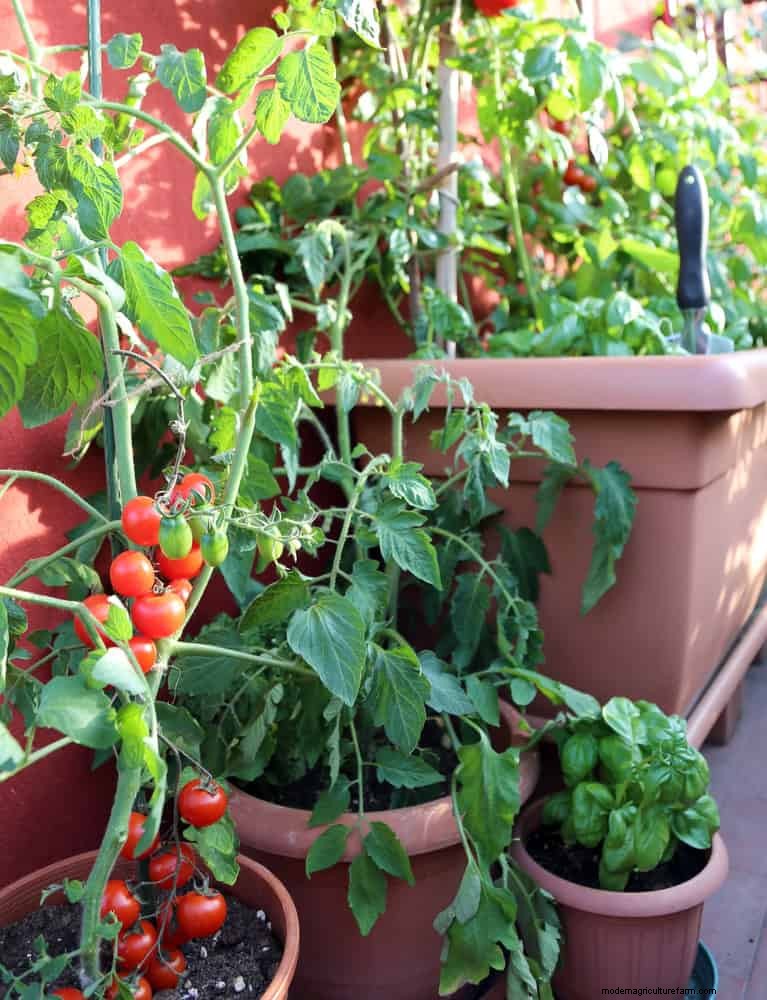
Plant basil near tomatoes to deter pests and attract beneficial insects like bees and predatory wasps. Basil thrives in the same conditions as tomatoes, making it an ideal companion.
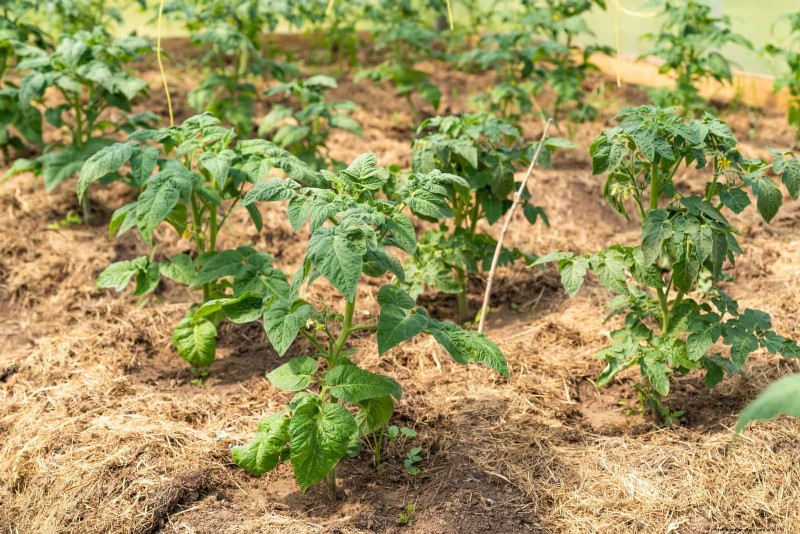
Overcrowding reduces air circulation and light penetration, leading to disease and weak stems. Ensure each plant has ample space; thin excess growth early to prevent competition for resources.
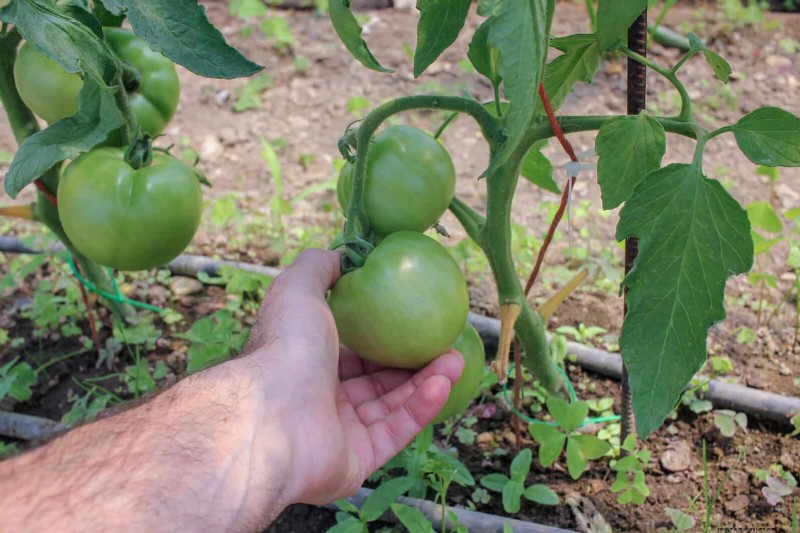
When frost approaches, pick tomatoes while still green; they will continue to ripen indoors. Store in a single layer with space for airflow, avoiding direct sunlight. Paper bags or boxes work well for controlled ripening.
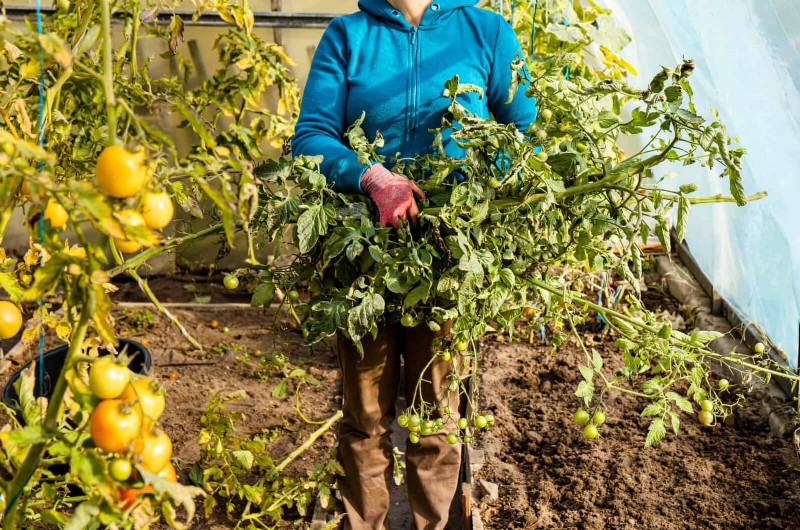
At season’s end, remove all tomato plants and debris to prevent overwintering pests and diseases. Compost healthy material, discard diseased parts, and lightly till the soil to expose hidden pests, preparing the bed for next year.
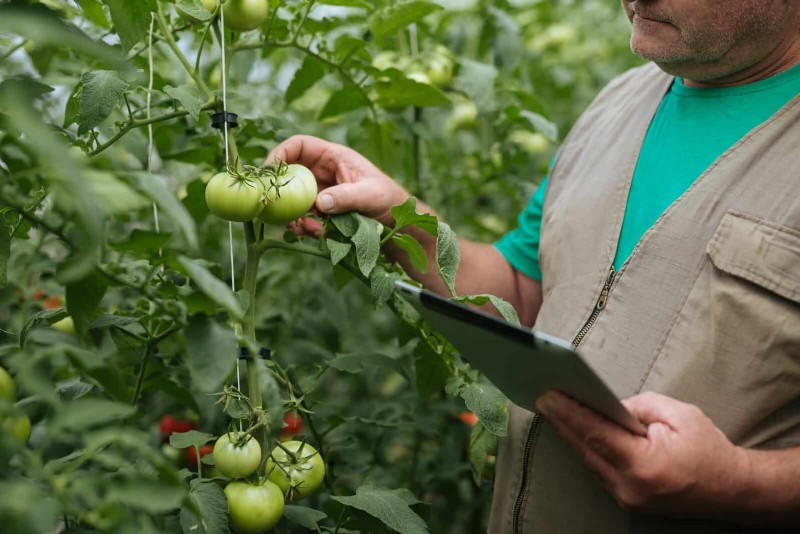
Document weather, pest activity, yields, and varietal performance. Include photos or sketches to aid future planning and troubleshooting. A journal turns each season into a learning experience, sharpening your gardening acumen.
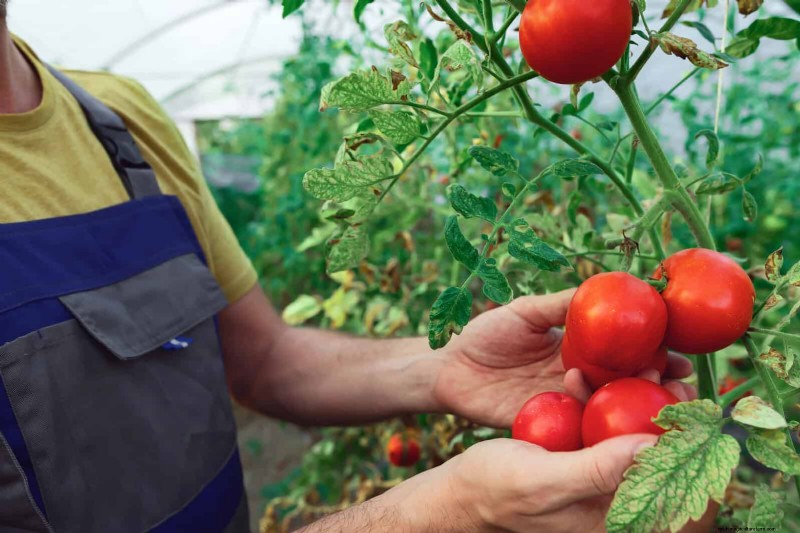
Tomatoes are rewarding yet delicate. Even healthy‑looking plants can falter without proper care, leading to blossom‑end rot, cracking, pest damage, and poor pollination. Early prevention of these common problems yields higher quality fruit and greater satisfaction. Whether you garden in containers or beds, understanding your plant’s needs from seedling to harvest is the key to success.
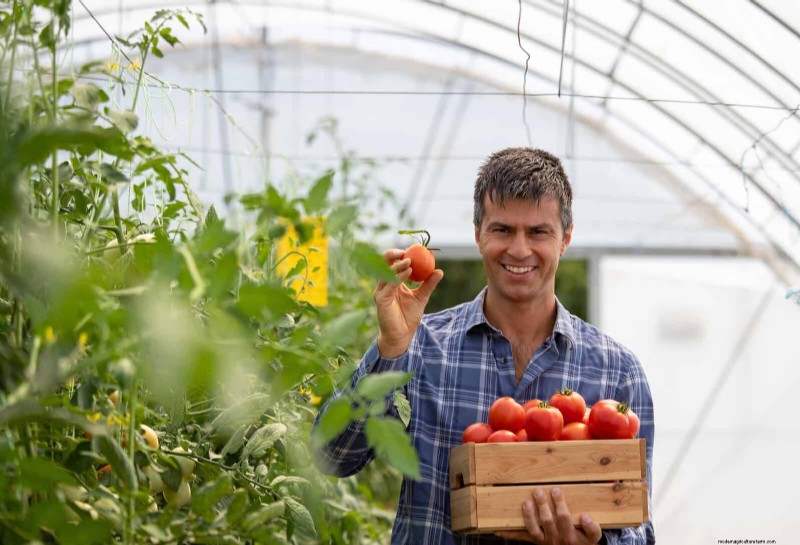
Smaller adjustments—consistent watering, proper spacing, thoughtful pruning—can transform your tomato yield. Don’t fear experimentation; track what works and learn from each season. With attentive care, you’ll soon be filling baskets with homegrown, mouth‑watering tomatoes.

Editorial oversight: GardenTabs content is reviewed by Steve Snedeker, a seasoned gardener with decades of hands‑on landscaping experience.


