Welcome to Modern Agriculture!

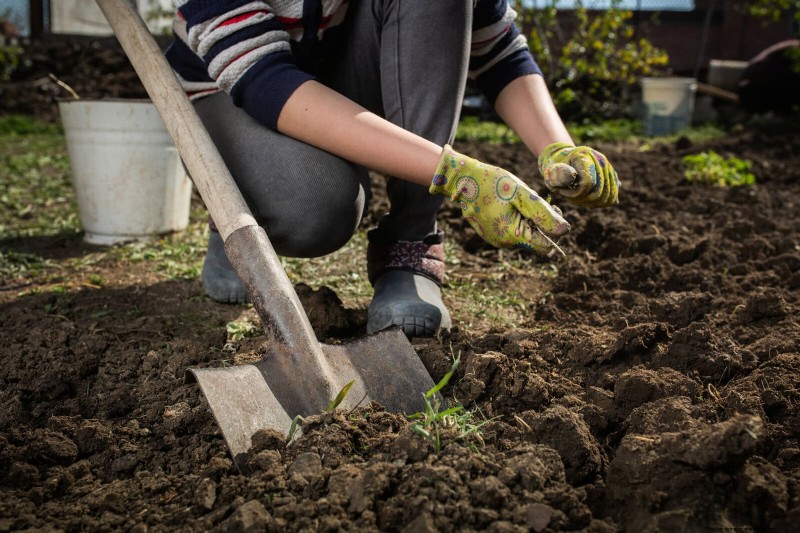
Your garden may look fine on the surface, but skipping soil refreshing can silently damage plants and reduce their beauty. From nutrient loss to pest invasions, tired soil creates long‑term problems you might not notice until it’s too late. Here’s what really happens when you neglect this crucial step, and why pros never skip it.
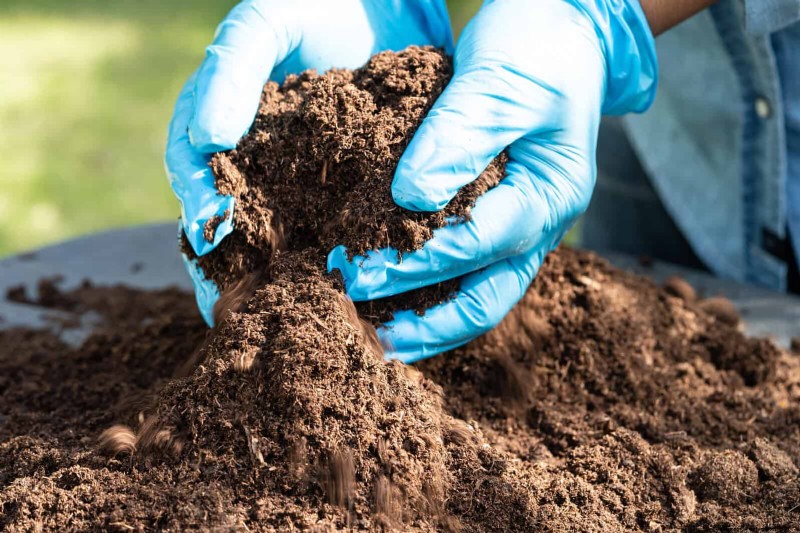
Soil is a living foundation for your garden, yet it degrades over time—nutrients decline, structure loosens, moisture‑retention drops, and beneficial microbes fade. Those losses blunt plant growth, bloom, and disease resistance. Regular soil renewal restores balance and sets the stage for lasting success.
Save this article & also instantly unlock today's gardening deals!
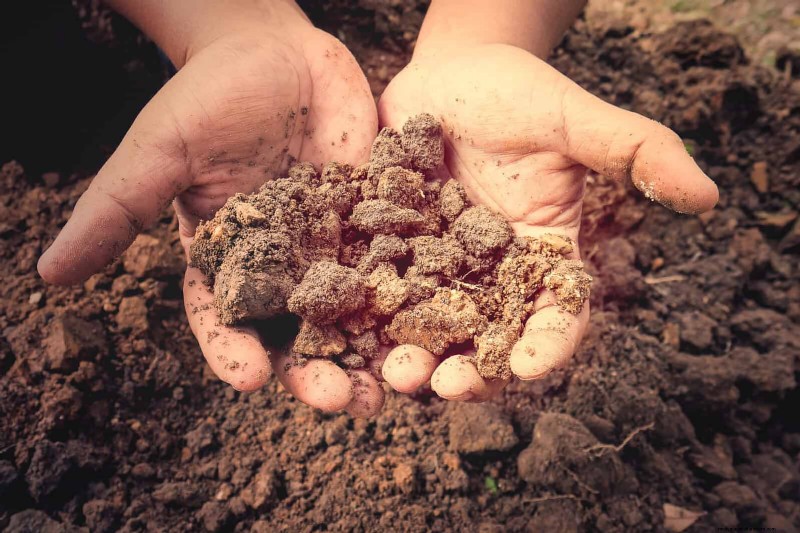
Old soil loses key nutrients—nitrogen, phosphorus, potassium. Without replenishment, plants cannot access the food they need, slowing metabolism and growth. Over time even hardy species exhibit stress, smaller leaves, and fewer shoots. Replenishing the soil with compost or a balanced amendment restores essential minerals and brings plants back to peak performance.

Low‑nutrient soil forces plants to conserve energy, yielding sparse, short‑lived blooms and dull colors. As the garden’s visual appeal fades, flowering species may halt blooming altogether, redirecting resources to survival. Freshened soil nourishes them to produce abundant, vibrant blossoms.
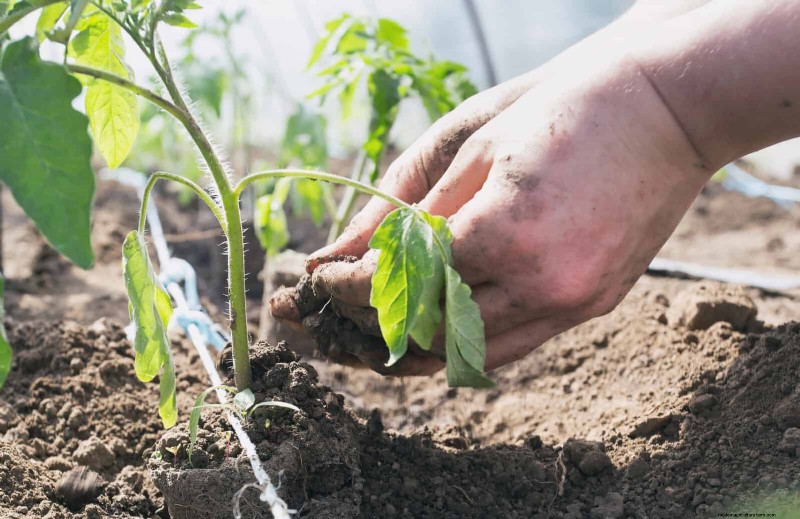
Compacted, tired soil hampers root expansion, leaving plants small, slow‑growing, and thin‑legged. Weak structure reduces resilience to wind and other stresses. Improved soil structure encourages deeper roots and overall plant strength.
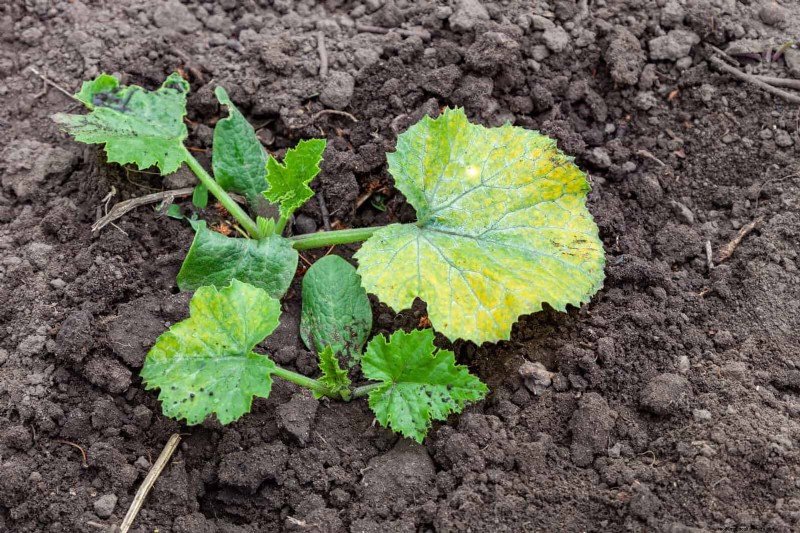
Yellowing—often a sign of chlorosis—spreads from leaf tips outward when nutrients dwindle. Yellow leaves cannot photosynthesize efficiently, exacerbating plant decline. Healthy, refreshed soil can reverse chlorosis and restore lush green growth.
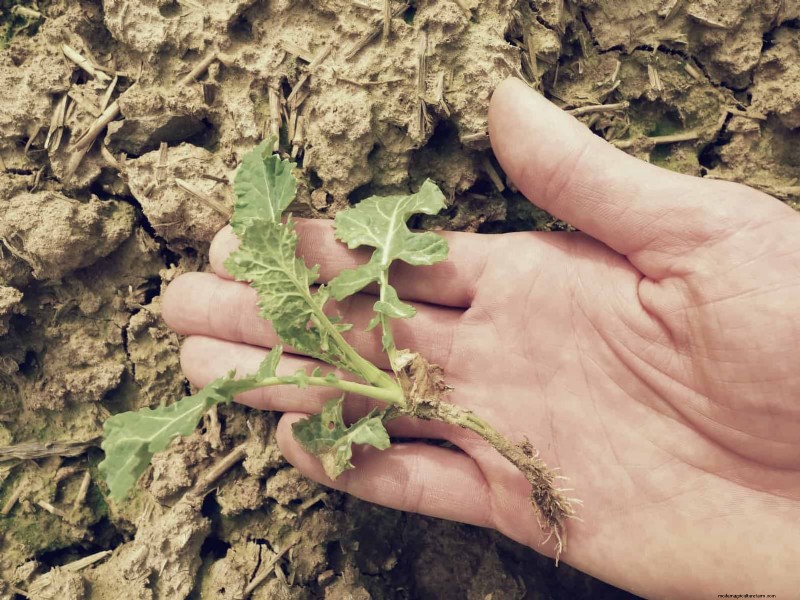
Hard, compacted soil restricts root spread, anchorage, and nutrient uptake, leaving plants vulnerable during dry spells. A fragile root system compromises top growth and resilience. Loosening and enriching the soil promotes robust, deeper roots.
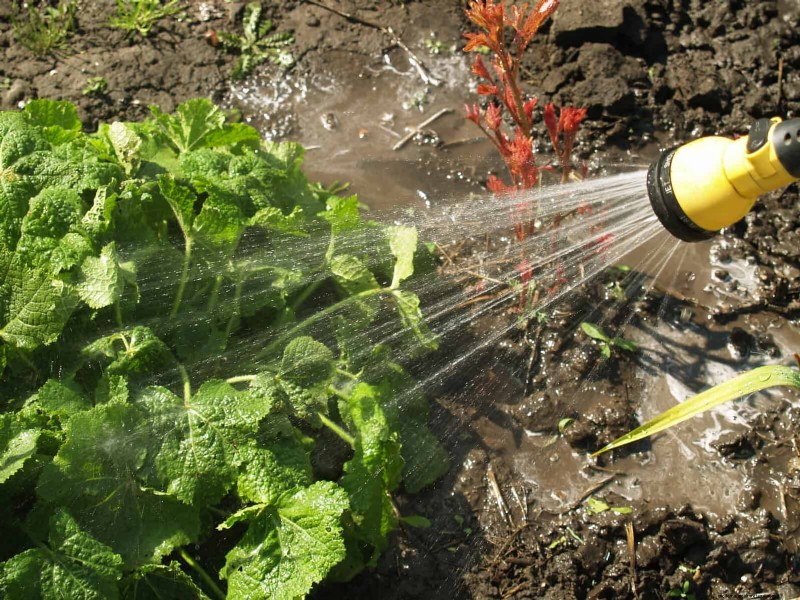
Compaction retains excess water, suffocating roots and encouraging rot and disease. Damp conditions also foster pathogenic microbes that can devastate sensitive plants. Aeration or the addition of compost improves drainage and restores equilibrium.
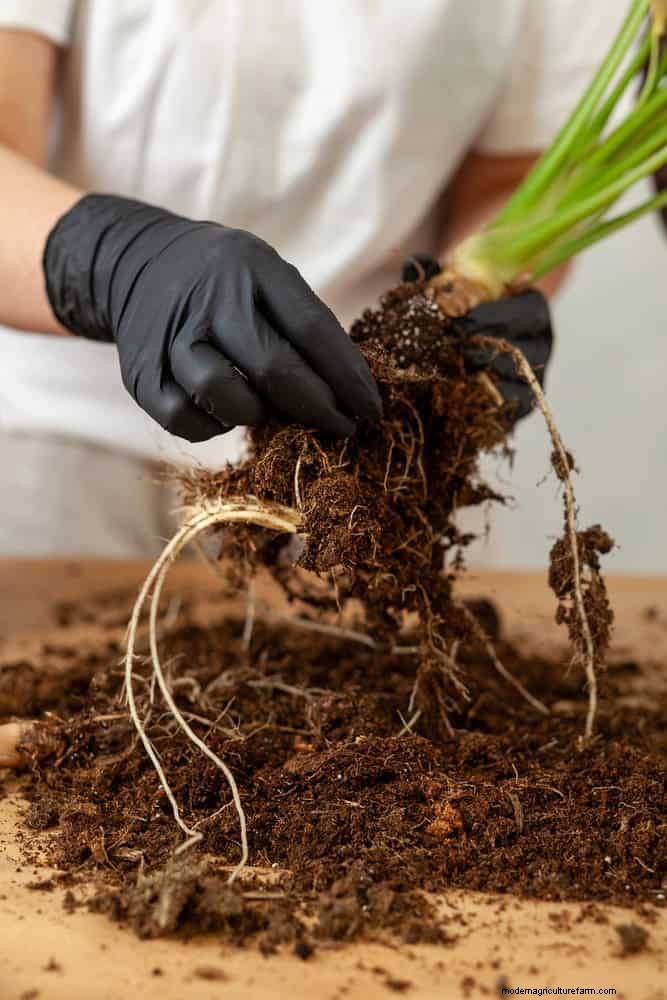
Soggy, air‑starved soil creates a perfect breeding ground for fungal root rot, which often spreads unnoticed underground. Once established, rot rarely reverses, leading to plant collapse. Preventing this requires well‑drained, refreshed soil that discourages fungal growth.
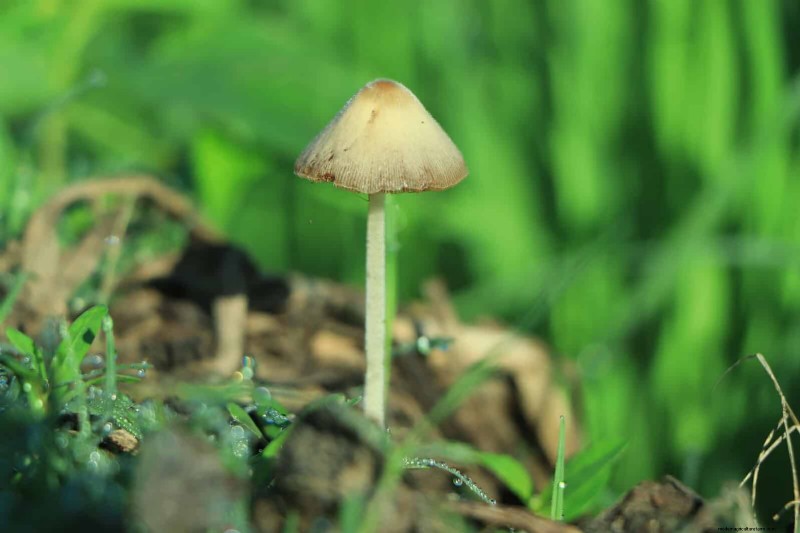
Fresh soil teems with beneficial bacteria and fungi that facilitate nutrient uptake and defend against pathogens. As soil ages, this microbial life dwindles, rendering the medium biologically inert. Adding compost or other organic matter reintroduces a healthy microbe community.
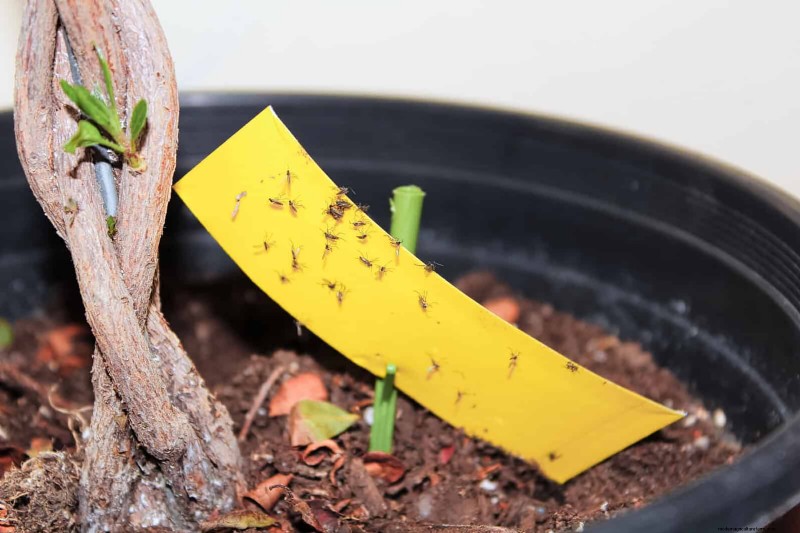
Decaying organic matter in old soil hosts insect eggs, larvae, and pathogens. Neglecting a refresh allows pests such as fungus gnats, grubs, and root aphids to thrive, spreading to nearby healthy plants. Removing old soil breaks pest life cycles and controls infestations.
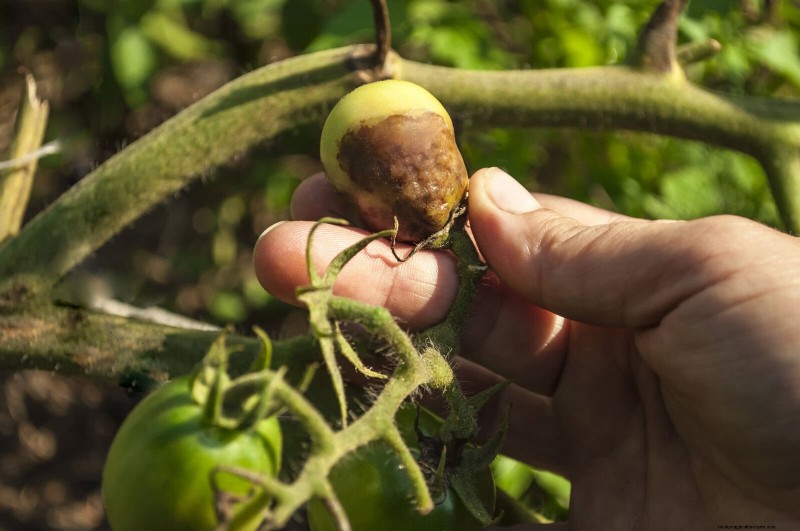
Fungal spores and harmful bacteria persist in exhausted soil. New plants planted in the same bed may suffer blight or mildew if the soil isn’t refreshed. Regular soil replacement interrupts this cycle and gives your garden a cleaner slate.
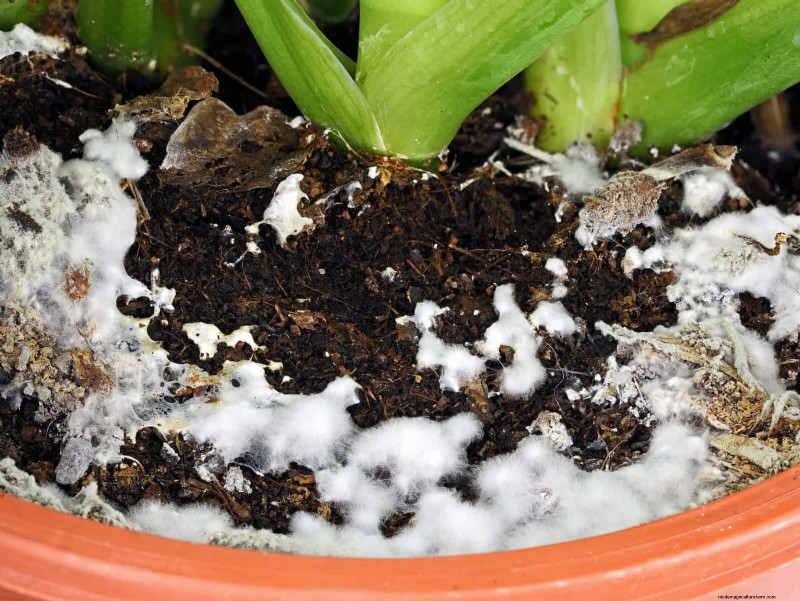
When beneficial microbes decline, aggressive fungi take hold, producing mushy stems, mildew, and sometimes surface mushrooms. These outbreaks lower air quality and harm roots. Refreshing soil restores a microbe balance that naturally suppresses destructive fungi.
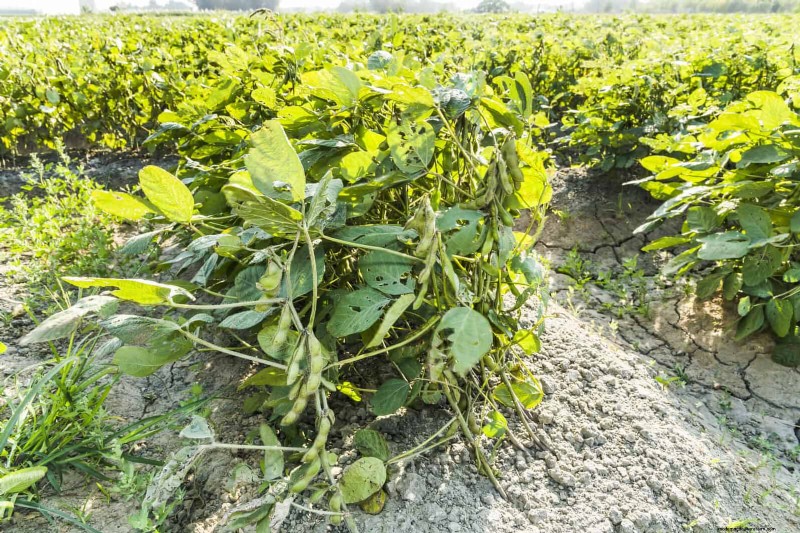
Repeated irrigation and fertilization leave behind salts that burn plant roots over time. White crusts on the surface are a telltale sign. High salinity hampers water uptake, leading to wilting and leaf burn. Flushing the soil or replacing it removes salt accumulation.
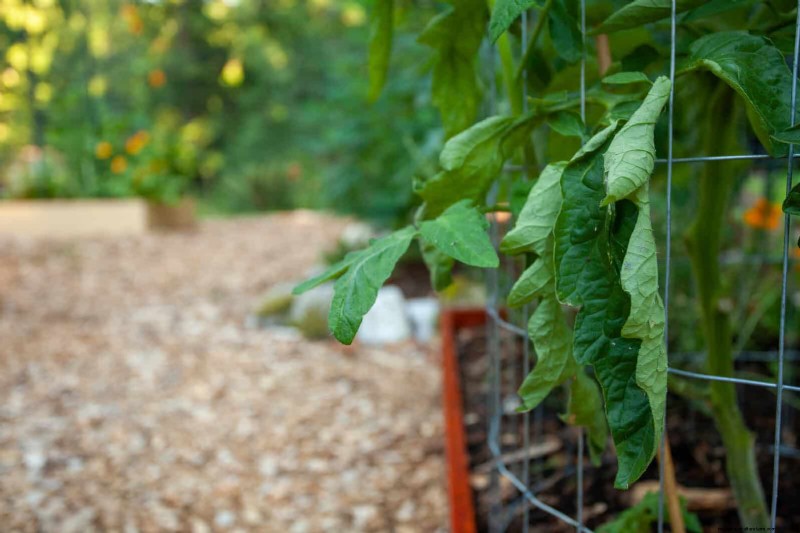
Accumulated salts and chemicals can become toxic, causing even hardy species—kale, Swiss chard, tomatoes—to wilt or drop leaves. In severe cases, soil becomes inhospitable to new growth. Annual soil refreshment and organic treatments mitigate this risk.
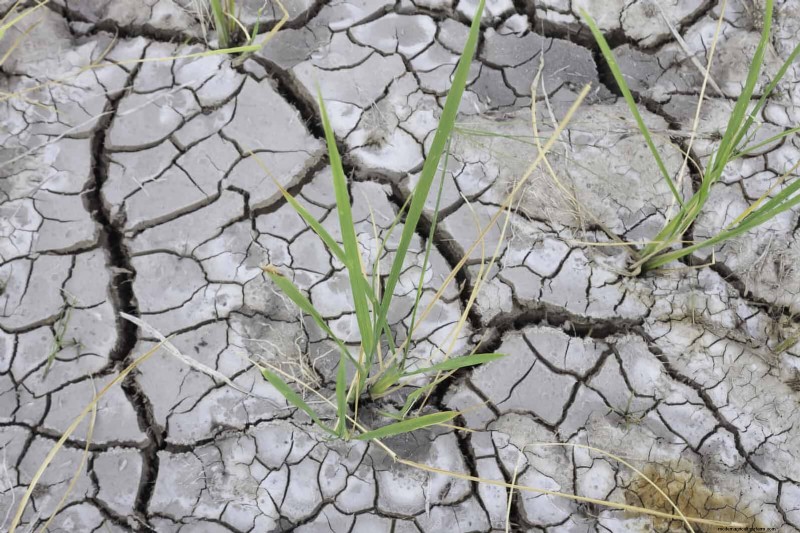
Over time, the top layer hardens, forming a crust that blocks water infiltration and oxygen access. Runoff becomes common, and seed germination is hindered. Light cultivation or top‑dressing with compost breaks the crust and restores healthy structure.
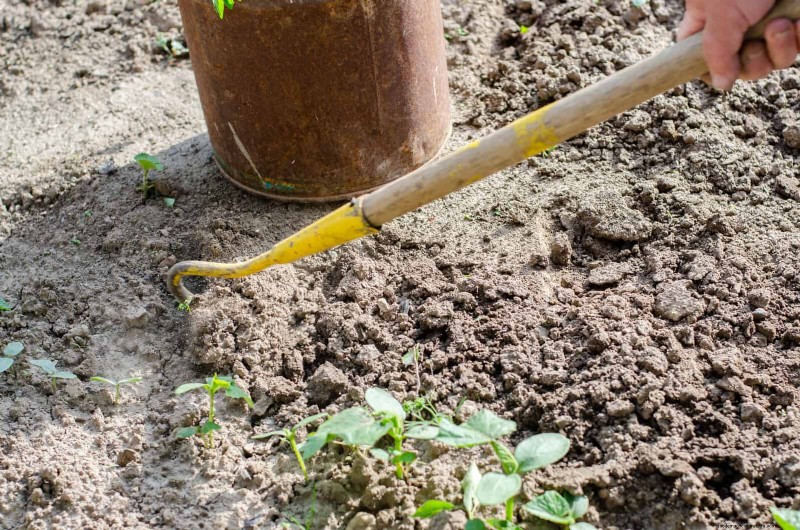
Low organic matter reduces moisture‑holding capacity, causing plants to experience drought stress more quickly. Mulching can help temporarily, but soil replacement is the long‑term solution. Moisture‑retentive amendments like coco coir or compost rebuild balance.
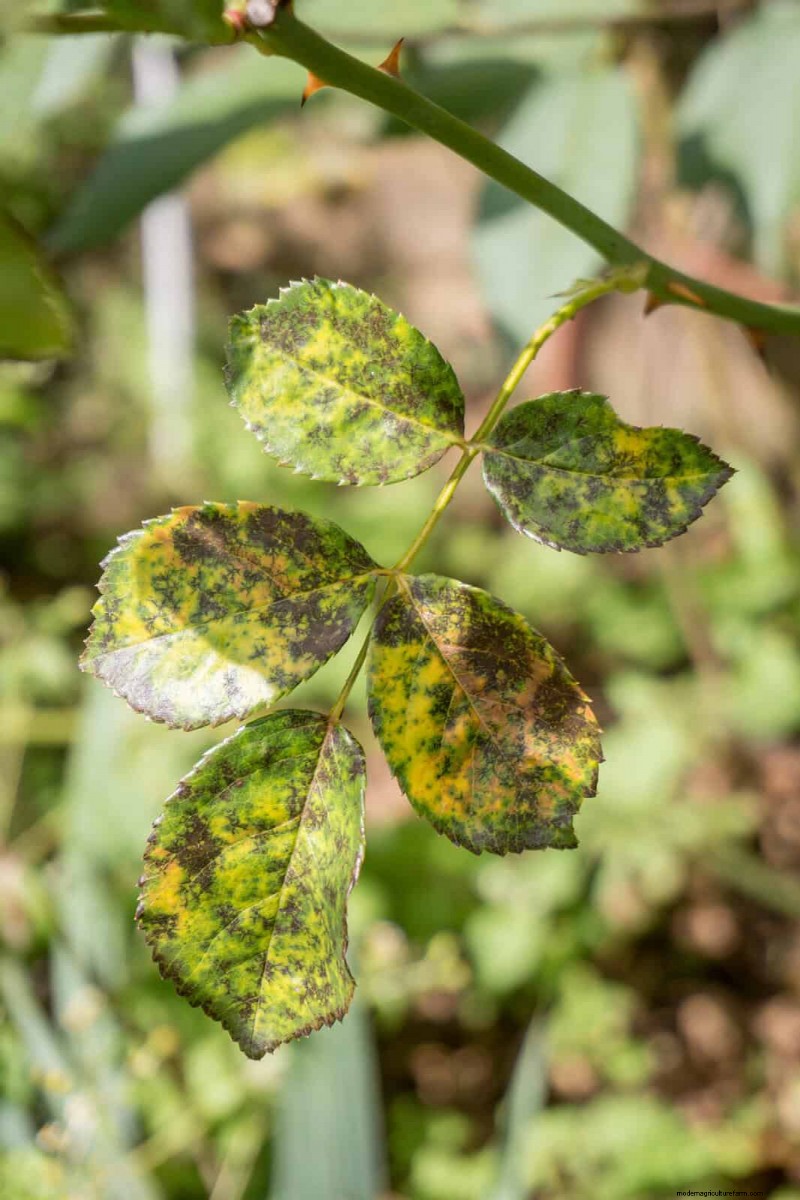
Unhealthy soil weakens plant defenses, making them more susceptible to pests and disease. Strong roots begin with a healthy medium. A solid foundation enhances natural resistance, reducing the need for chemical interventions.
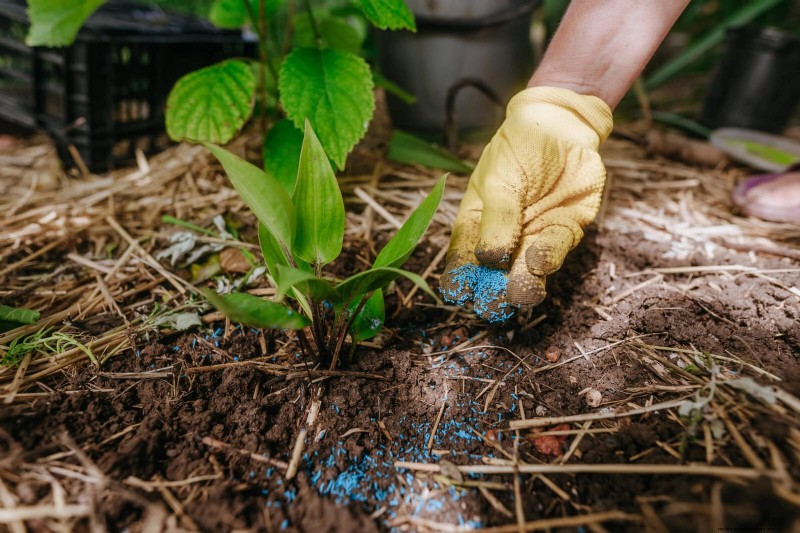
Plants in depleted soil often require frequent fertilization—a sign of poor soil health and a costly, time‑consuming cycle. Over‑fertilization can harm roots and microbes. Refreshing with compost or organic matter provides a steady, natural nutrient supply.
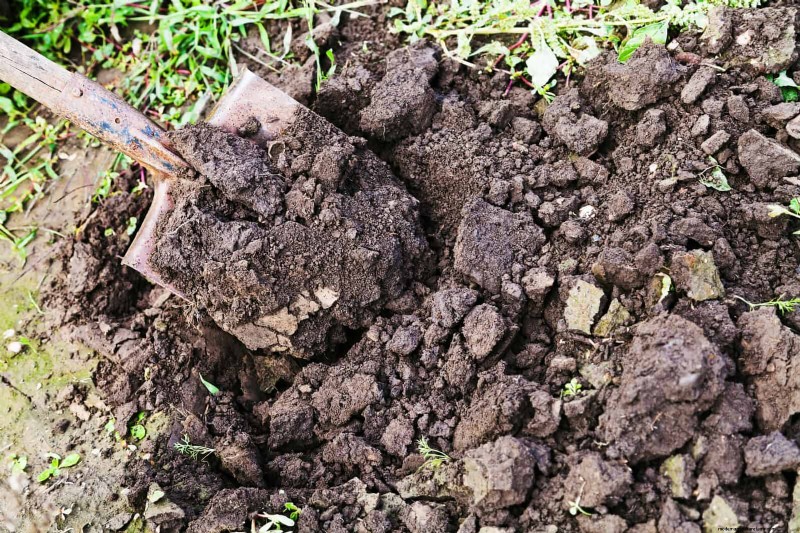
Repeated watering and plant activity can collapse soil structure, forming clumps or becoming too fine and dusty. Imperfect texture compromises aeration, drainage, and root health. Crumbly, resilient soil is achieved by adding aged compost or peat‑free mixes.
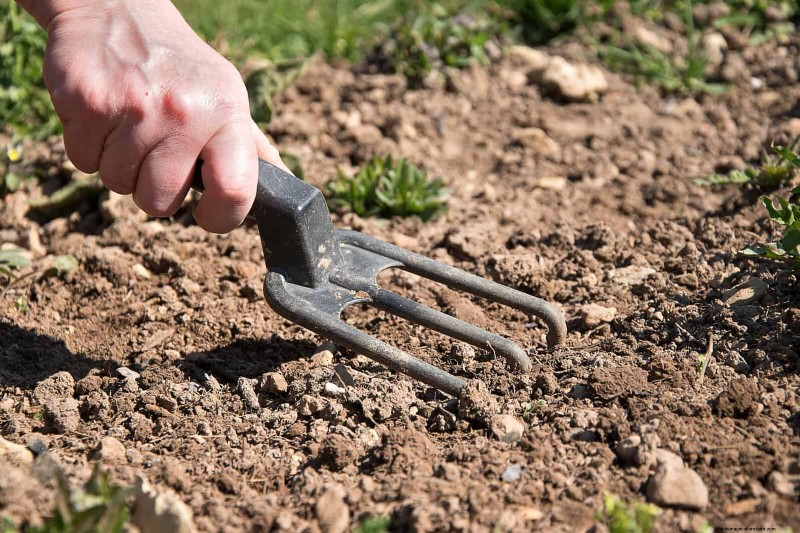
Compacted or dense soil restricts airflow. Roots must breathe to sustain themselves; lacking oxygen leads to stress. Proper aeration propels microbial activity and strong root systems. Turning the soil or incorporating coarse amendments such as perlite improves air exchange. Using a garden fork is an efficient way to crack compaction in raised beds or small plots.
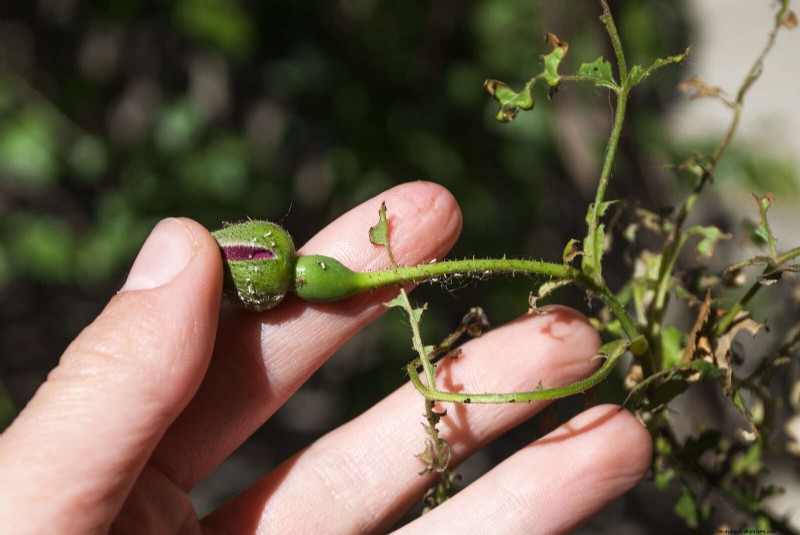
Flourishing blooms depend on balanced, nutrient‑rich soil. Plants use environmental cues to trigger flowering; absent proper conditions, the timing becomes erratic—delays, shortened periods, or complete skipping. Re‑introducing nutrient‑dense soil reinstates natural rhythms and blooming consistency.
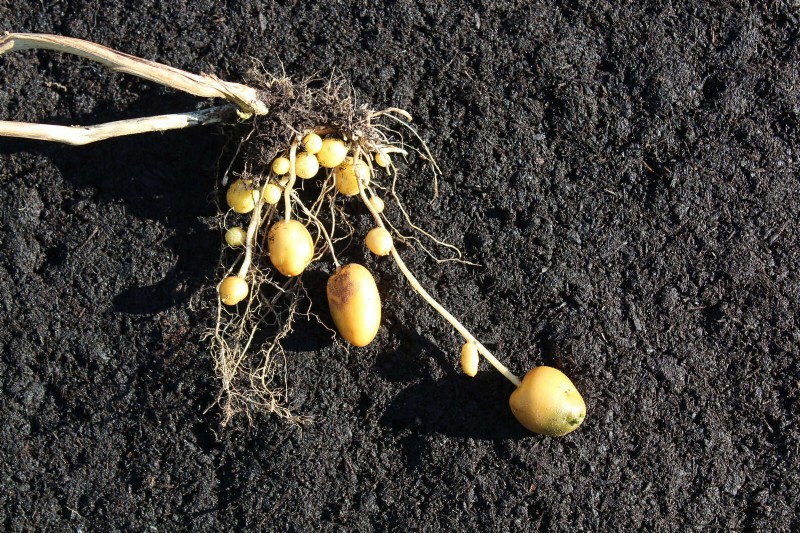
Vegetables and fruits deprived of nutrient‑rich soil struggle to form proper tissues, resulting in lower yields and compromised taste. Adding compost or new soil can dramatically improve harvest quality. Investing in soil health pays off in both quantity and flavor.
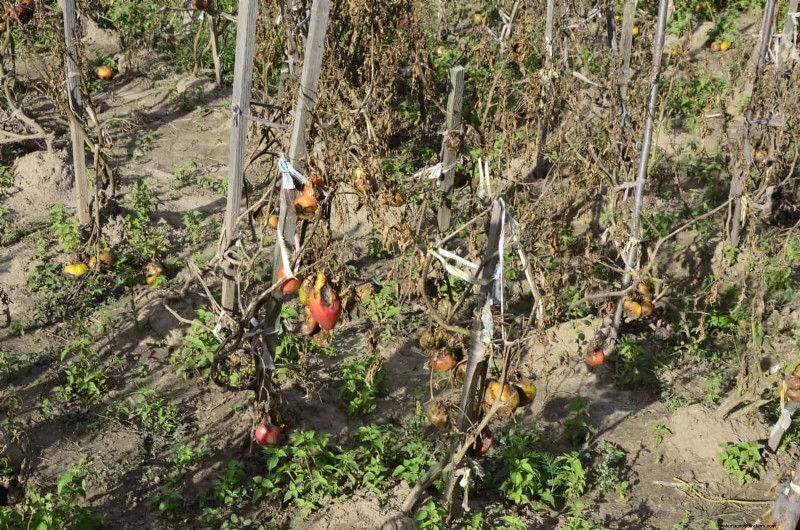
Even resilient species will decline if the soil remains stagnant. The garden’s vitality wanes, mandating total replanting and soil replacement for a chance at revival. Consistent renewal safeguards long‑term success.
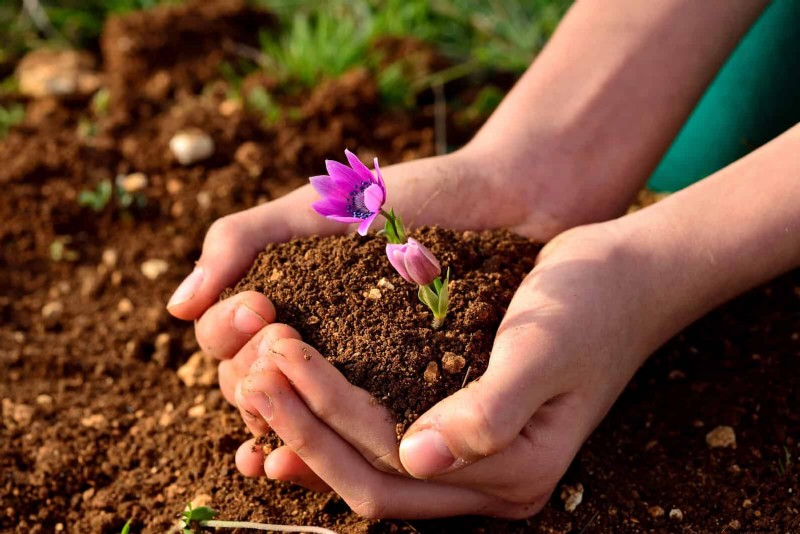
Skipping soil refreshment initiates a self‑propagating cycle of problems. Early detection of soil issues and routine renewal propels gardens toward sustained, vibrant health. Adopt a seasonal mandate to fortify resilience and unlock the garden’s full potential.

Editorial oversight
GardenTabs content is reviewed by Steve Snedeker, a seasoned gardener with decades of hands‑on landscaping experience.