Welcome to Modern Agriculture!

When it comes to poultry diseases, every farmer or homesteader will do whatever is needed to keep poultry flocks healthy.
Treatment of common illnesses will vary depending on whether the cause is bacterial or a viral infection.
If symptoms of disease occur, the infected birds need to be treated immediately to control disease and reduce the risk of spreading from bird to bird.
We have had chickens for many years, and I’ve learned a few things along the way. If you are thinking about starting your own flock, read through tips for breeding chickens, raising meat chickens, raising egg-laying chickens, how to use chickens in the garden, and integrating new chicks into an existing flock to be better prepared before you bring those cute fluff balls home.
We don’t often use a vet. As sustenance farmers, we do all we can to ensure the health and well-being of our animals through diet and proper land management.
For sustenance farmers, poultry flocks are a food source and are treated with respect and dignity. Our family practices the principles taught to me by my maternal grandparents.
When it comes to infectious diseases in our poultry flocks, we usually cull the sick bird to prevent infection of the whole flock. This is a harsh reality of sustainable homesteading as well as the poultry industry.
There aren’t many vets who treat diseases in poultry. Our vet was a doctor of natural veterinarian medicine before she retired. She would offer advice, but treating poultry wasn’t something she made a part of her practice.
All of our livestock is given the healthiest diet possible. We practice free ranging our poultry and supplement with organic, non-GMO feed, herbs, and all the garden produce we can spare.
Disclosure: It’s necessary to say the information I’ve shared with you is just that, information. I am not attempting to diagnose or treat your poultry. The health and well-being of your homestead and all who live there is your responsibility. Like us humans, animals benefit from a healthy immune system. I can only share with you what we do for ourselves and the livestock entrusted to our care.
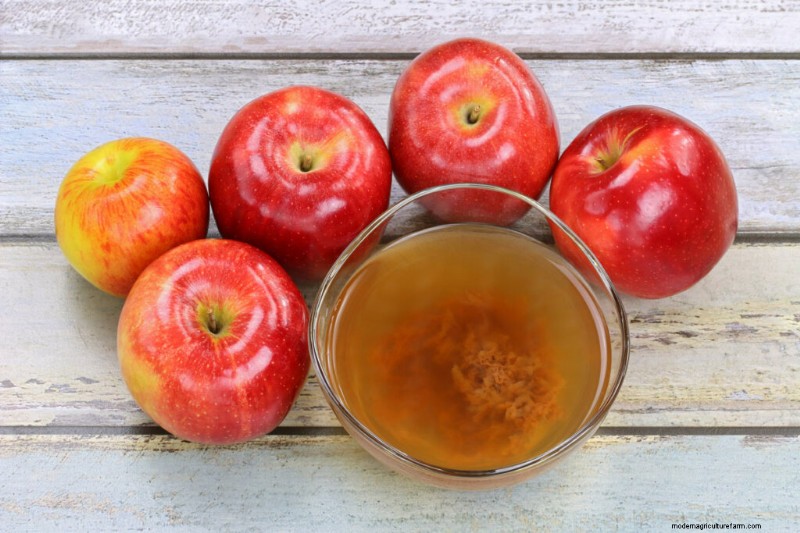
When our birds get sick, we take measures to help them. We give them homemade apple cider vinegar water at the first sign of trouble. Any live birds in a questionable state of health are isolated and watched carefully.
There are five common poultry diseases you are likely to encounter in chickens and turkeys. Being familiar with the symptoms and treatments of these diseases can help you be prepared in the event you have to face them.
If you’ve kept chickens for any length of time, you’ve probably had to deal with at least one of the respiratory diseases, including lessons learned from making mistakes.
We believe the best way to deal with disease is through prevention. Providing your flocks with what they need to have healthy immune systems is the main way to ensure little to no disease in your poultry houses. This can be achieved with just a few simple additions to their diet.
Garlic and apple cider vinegar: Mix one clove of finely minced garlic and one tablespoon of raw, organic apple cider vinegar in one gallon of water.
Offer this for two to three days at least twice a month. When the seasons are changing, offer it for a full week. If your flocks experience stress of any kind, like a predator attack, offer it for two to three days. At the first sign of illness, offer it for a full week.
We also recommend mixing quality granulated or powdered garlic in their feed a few times a month. I just sprinkle the top of the feed in the food bucket to ensure there is a good layer and mix it. For those who want an exact measurement, the recommended ratio is 2% garlic to however much feed you use.
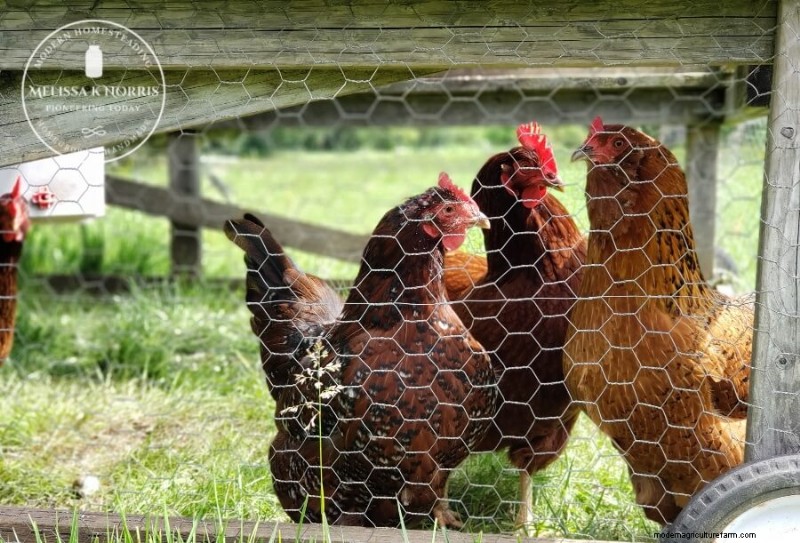
This is probably the most common poultry disease in poultry flocks within the United States. Cases range in severity from mild to severe. Most flocks are exposed through wildlife and develop a resistance to it.
Infectious sinusitis is also known as Mycoplasmosis. This disease affects all types of poultry, and the symptoms manifest the same in each kind of poultry.
Except for infectious sinusitis, fowl pox is the least fatal poultry disease. A novice chicken keeper can completely miss fowl pox in his flock.
In 2015, record numbers of birds were killed by this disease. Although most of the deaths were among commercial poultry farms, more backyard chicken flocks were affected than ever before. This disease can be spread across species making it especially deadly.
It can be transported from farm to farm on our shoes. It can also be spread by insects and rodents coming in contact with the mucous and feces of an infected bird.
You’ve probably heard it called cold or croup. Coryza devastated our chicken flock almost ten years ago. This is the first and only disease we’ve dealt with in over 35 years of chicken keeping. I had no experience to act on, which made it worse for the chickens.
This happened before we started focusing on natural health maintenance and preventative treatment of our livestock.
When we became educated on the health dangers of GMOs, pesticides, herbicides, and chemical fertilizers, our homestead's whole way of life changed. Sadly, this devastating experience was part of our springboard into prevention versus reaction.
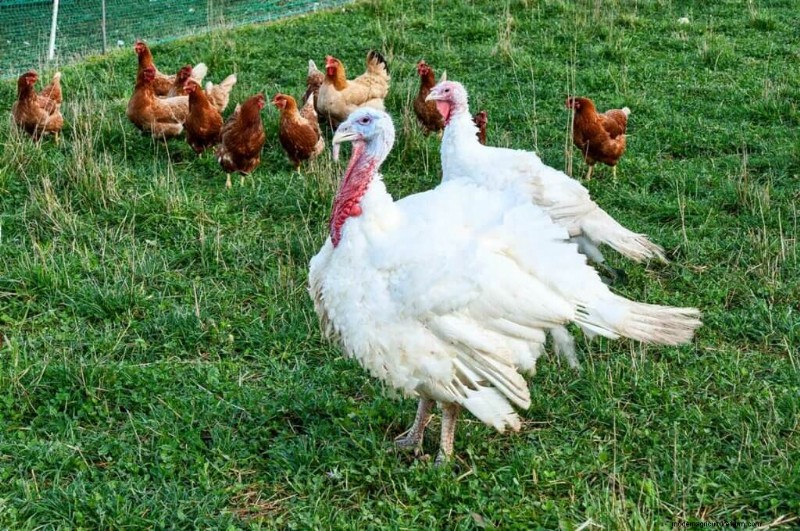
A fatal viral disease that I didn’t mention above is Newcastle Disease. It can affect any bird species, and it spreads very quickly. Birds will sometimes die without showing any clinical signs of illness. It can infect and cause death even in vaccinated birds.
Having a sick animal can make you feel helpless. They can't tell us where it hurts or how they feel! I believe it’s important for you always to use your own judgment when taking advice from anyone, including myself, especially online.
Remember, NEVER eat a sick animal. There is a high risk of disease being transmitted to people through their feces, respirations, and ingestion of diseased flesh. If we have an animal die, especially poultry, we burn it. It’s best to do this to eliminate any possible risk of disease spreading in our flocks or to people.