
Welcome to Modern Agriculture!

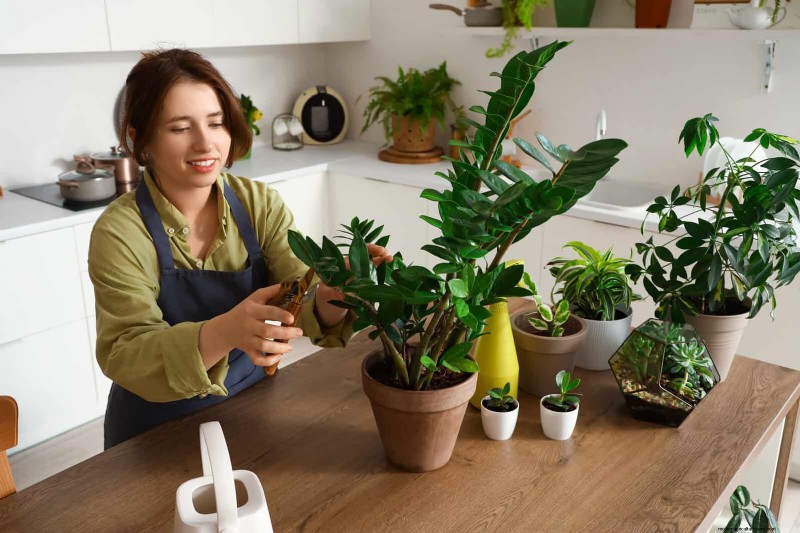
Houseplants often become tall, stretched and sparse without the right care. With a few intentional adjustments, you can coax those leggy specimens back into lush, dense foliage. From light management to training techniques, these 27 evidence‑based strategies will help you restore your indoor greenery to its full, vibrant potential.
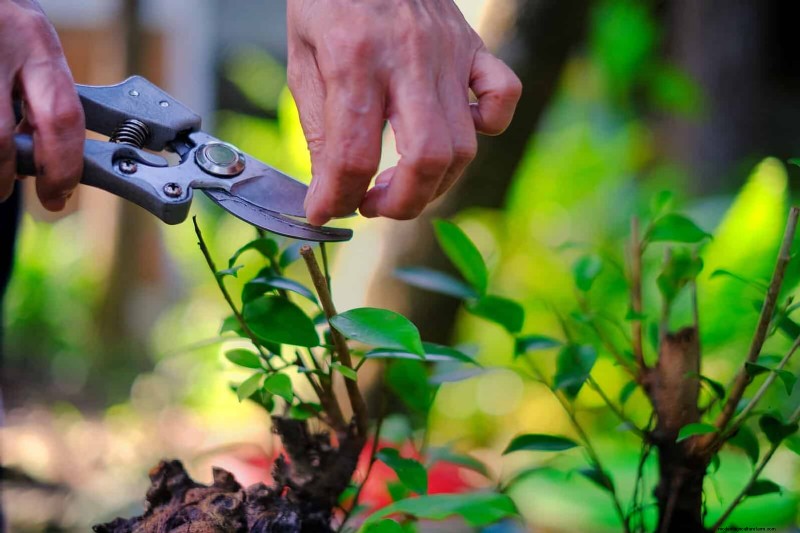
Pruning is a cornerstone of healthy growth. Use clean, sharp scissors to cut stems just above a leaf node, encouraging the plant to form new, robust branches. Consistent pruning redirects energy toward foliage rather than elongation, resulting in a fuller habit.
Save this article for quick reference and explore our curated selection of tools and supplies.
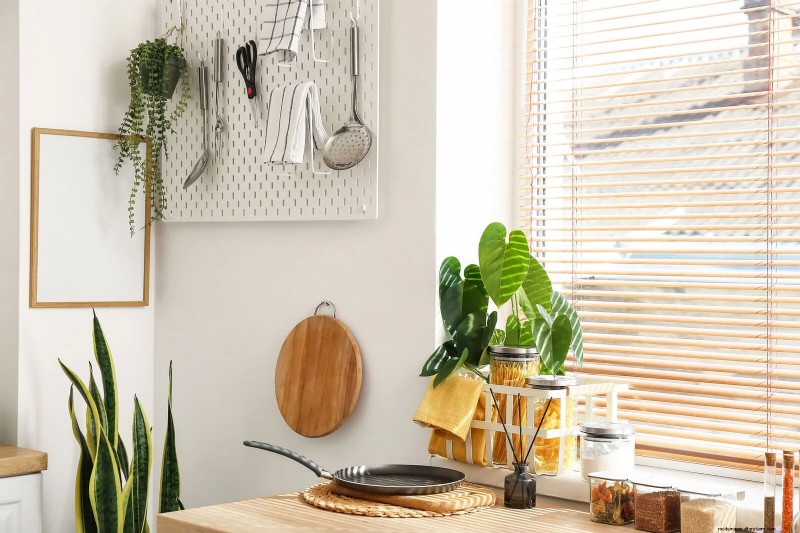
Legginess frequently signals insufficient light. Most houseplants thrive in bright, indirect illumination. If a plant leans toward a window, it’s likely lacking light. Move it closer to a light source or supplement with a full‑spectrum grow light to maintain optimal photosynthetic activity.
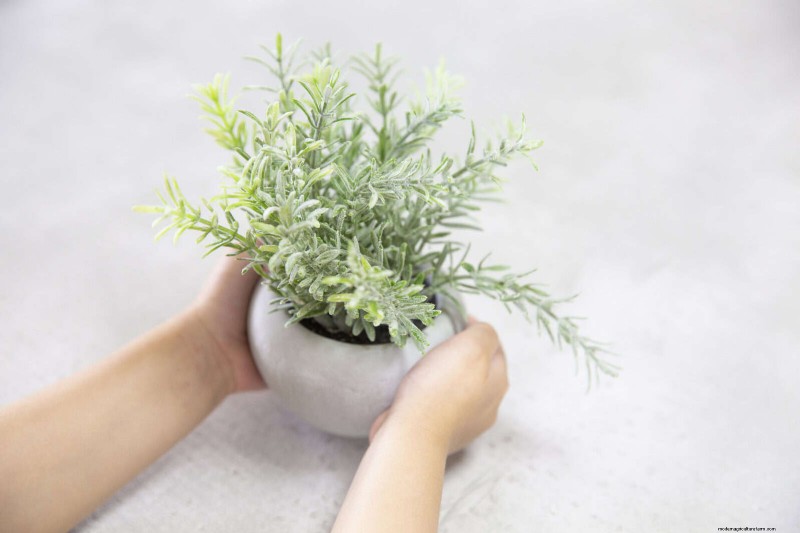
Plants grow toward light, which can create uneven, spindly stems. Rotate the pot every few days to expose all sides evenly, fostering balanced growth and preventing one‑sided legginess.
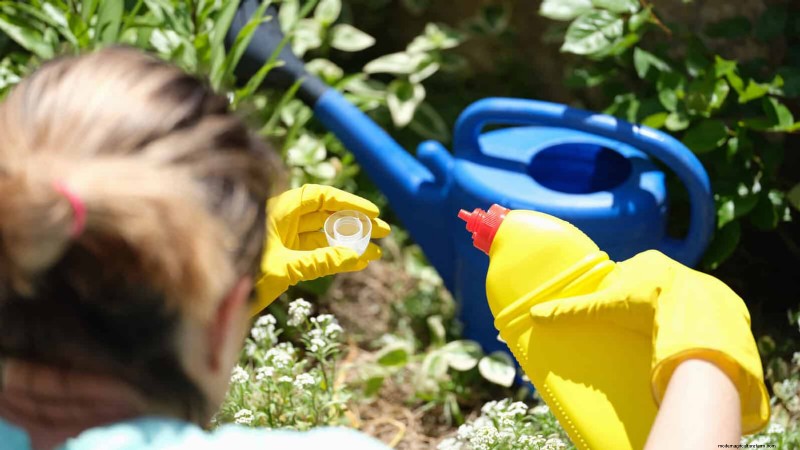
A balanced, water‑soluble fertilizer during the growing season supports robust development. Follow the package instructions and avoid over‑fertilizing, which can also cause legginess. Aim for feeding every 4–6 weeks unless the plant’s needs dictate otherwise.
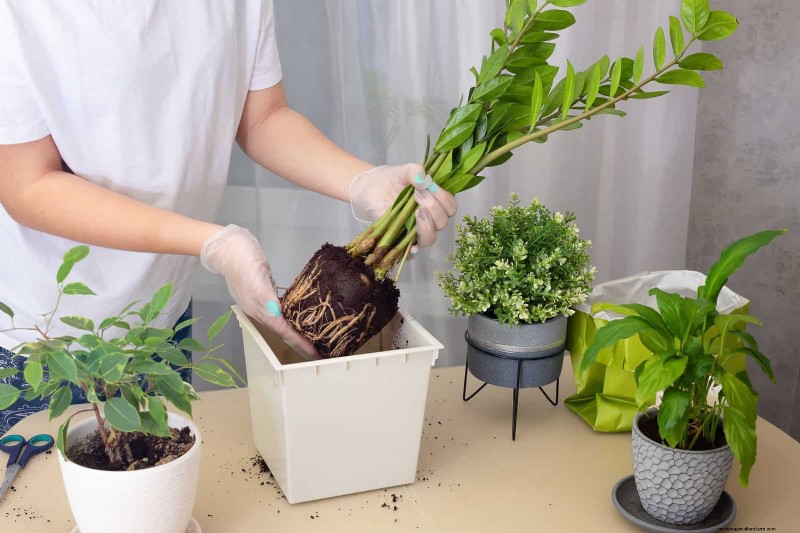
Root‑bound plants struggle to absorb water and nutrients, leading to leggy stems. Repot into a container one size larger, using a well‑draining mix to encourage healthy root expansion. Repot every 1–2 years or when roots emerge from the drainage holes.
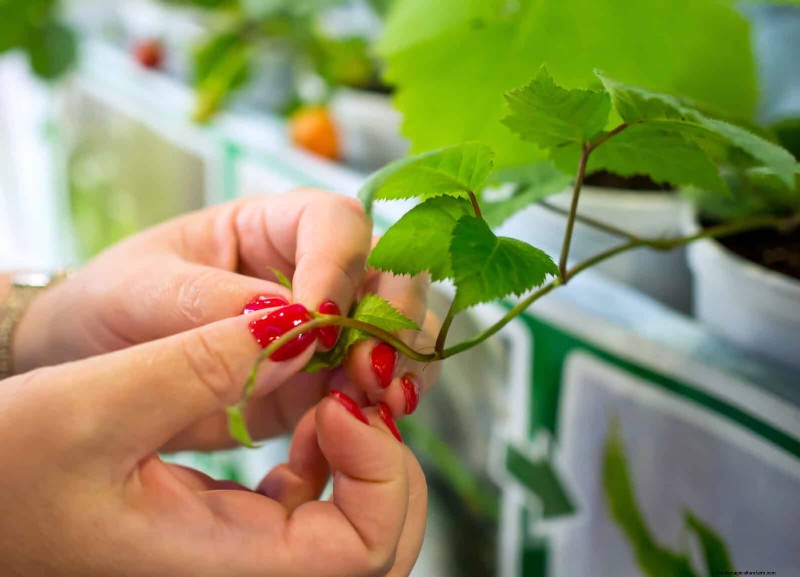
Pinching the tips of new growth stimulates branching. Use your fingers or small scissors to remove the top bud, signaling the plant to produce lateral shoots and a fuller canopy.
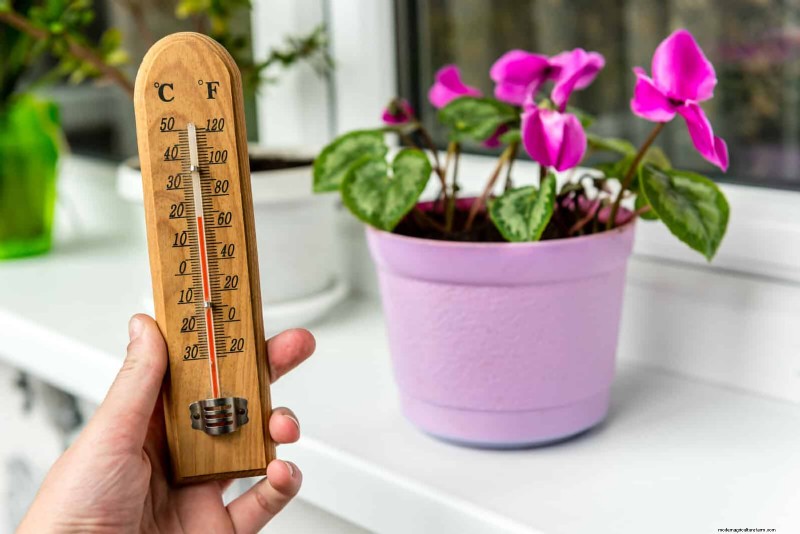
Optimal temperatures for most houseplants range from 65–75°F, with moderate to high humidity. Low humidity can cause stems to stretch as the plant conserves moisture. A humidifier or humidity tray can help maintain stable conditions, promoting denser growth.
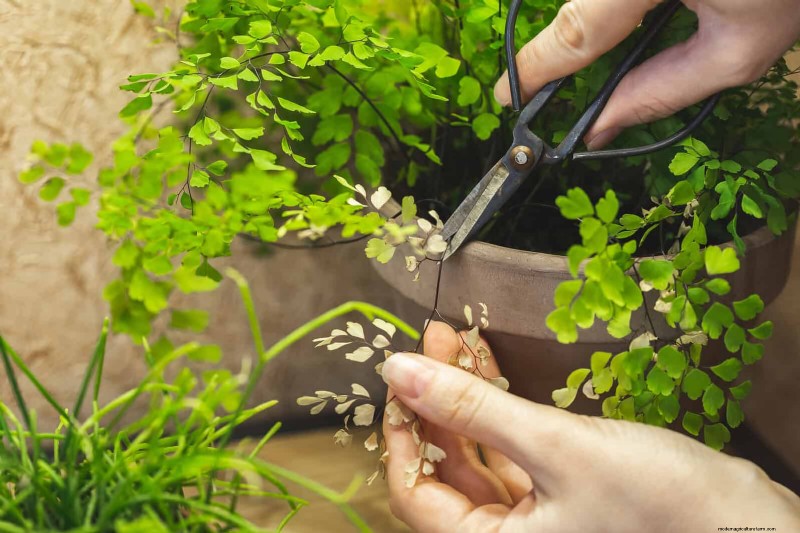
Removing yellowing or dead foliage prevents the plant from diverting resources away from healthy growth. Cut leaves cleanly at the base to avoid disease and keep the canopy vibrant.
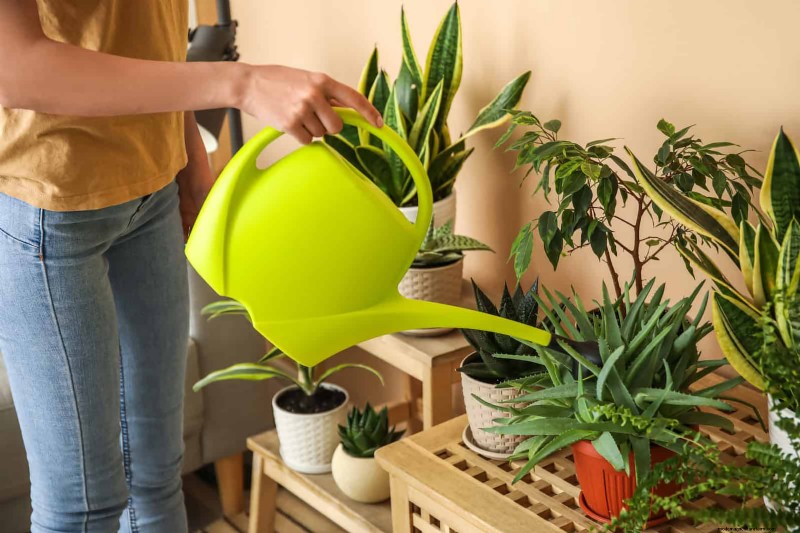
Both over‑ and underwatering can stress plants, resulting in legginess. Check soil moisture before watering. Most houseplants prefer a slightly moist, well‑draining medium. Adjust watering frequency to the plant’s specific needs.
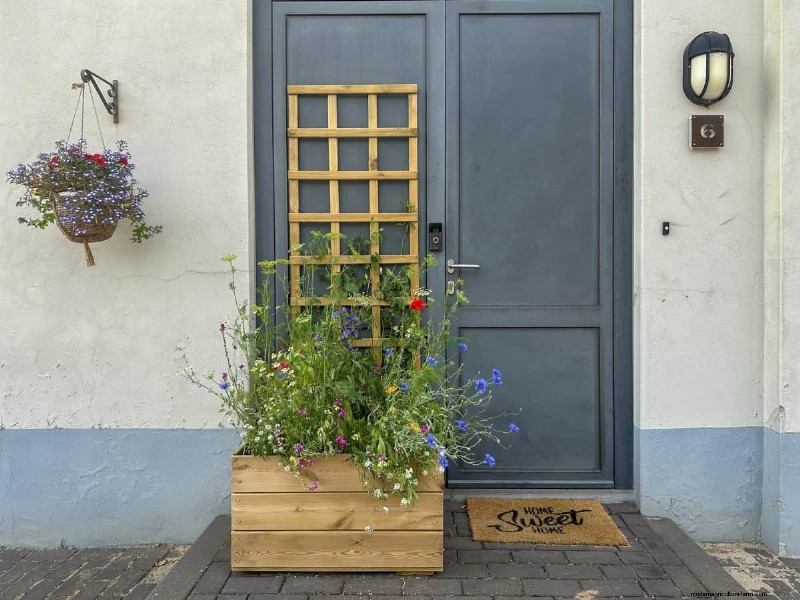
Vining species become elongated when unsupported. Guide stems along a trellis or moss pole with gentle ties, encouraging leaves to develop rather than long, bare stems.
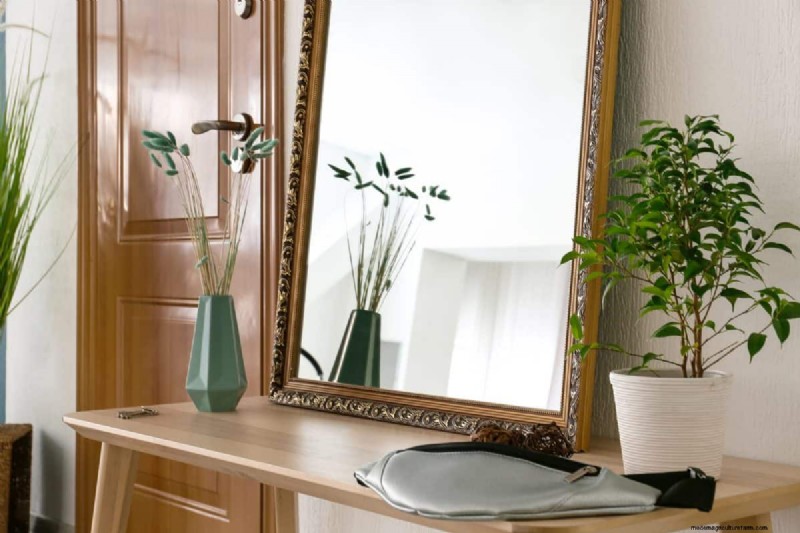
Mirrors or reflective panels can amplify light for plants in dim corners. Position them to bounce natural light toward the foliage, reducing stretching and promoting compact growth.
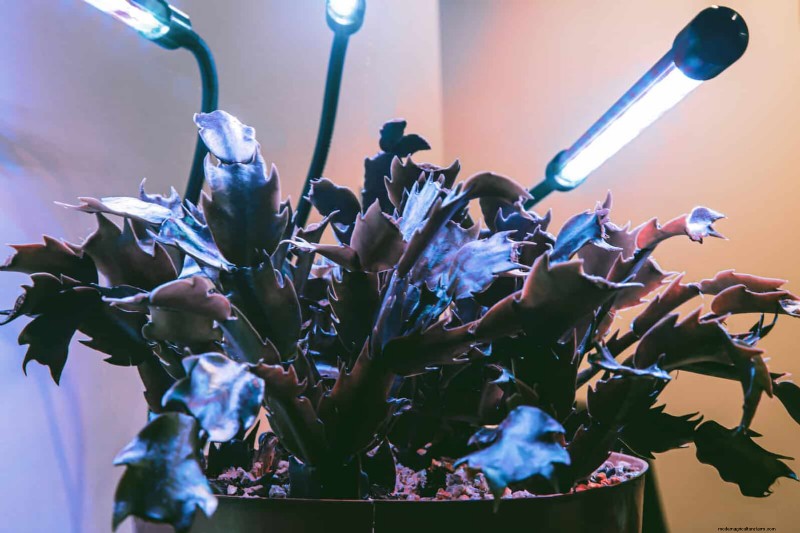
When daylight is scarce, full‑spectrum grow lights provide the necessary photons for photosynthesis. Place lights close enough to prevent stretching, but monitor for leaf burn. Adjust height as the plant grows.
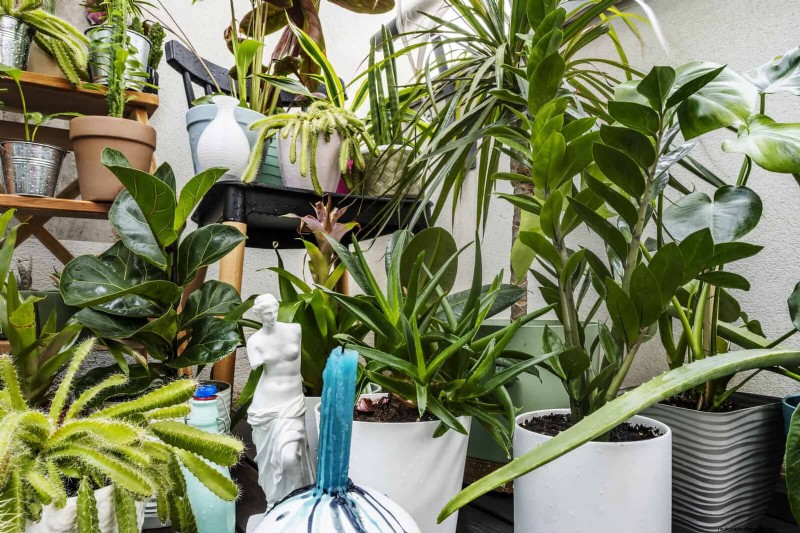
Competing plants drain light, water, and nutrients, leading to leggy habits. Space each specimen adequately and rearrange when necessary to ensure ample airflow and light access.
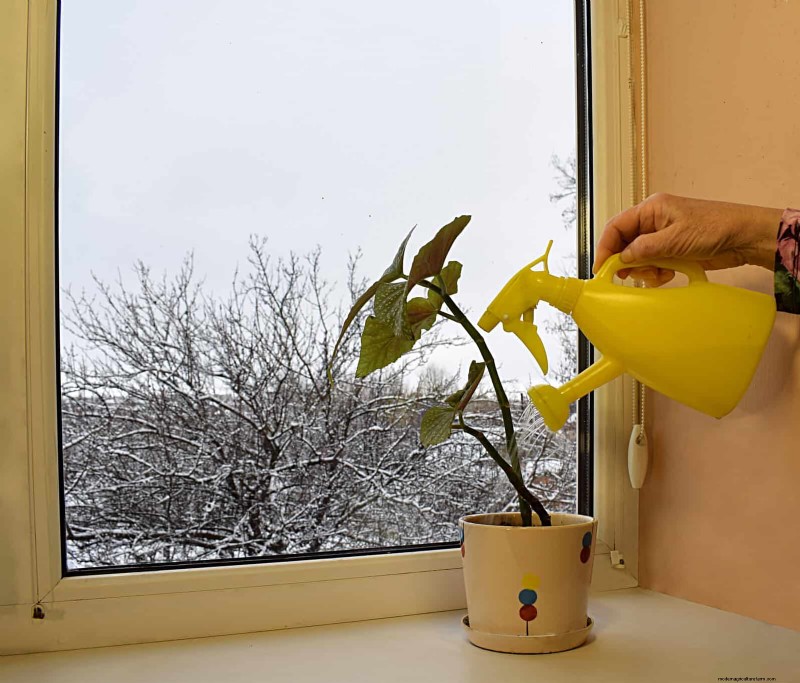
Growth slows in winter, so reduce watering to prevent root rot and weak stems. Monitor soil moisture and adjust as the plant’s needs diminish.
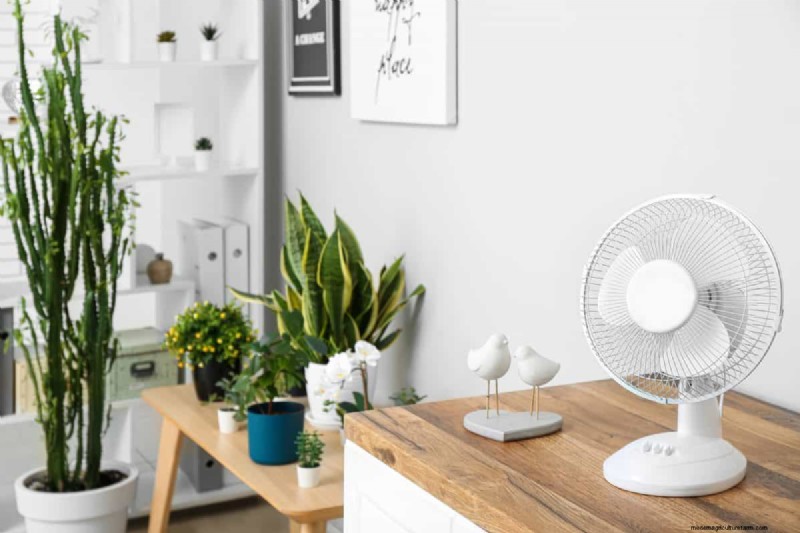
Good airflow discourages fungal diseases and supports stronger growth. Use a small fan in stagnant areas, but avoid direct drafts on sensitive plants.
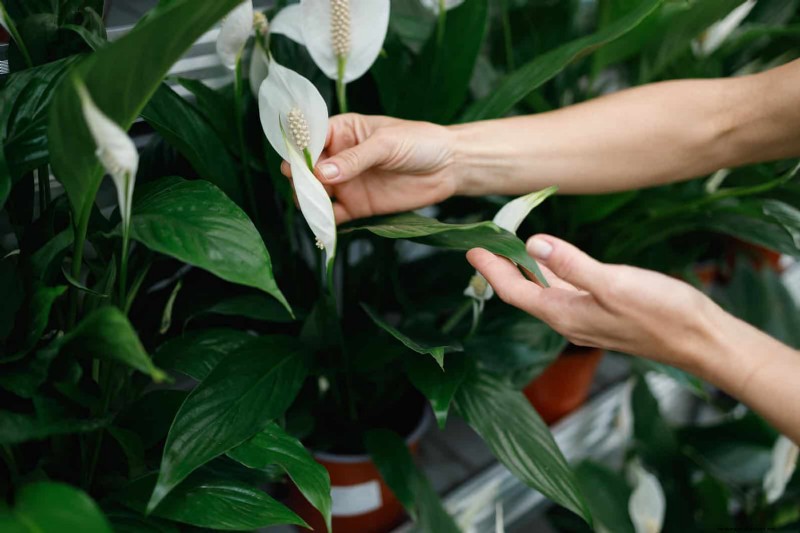
Irregular watering, fluctuating light, or neglect can trigger leggy growth. Establish a routine for watering, fertilizing, and pruning to maintain plant health and guide growth.
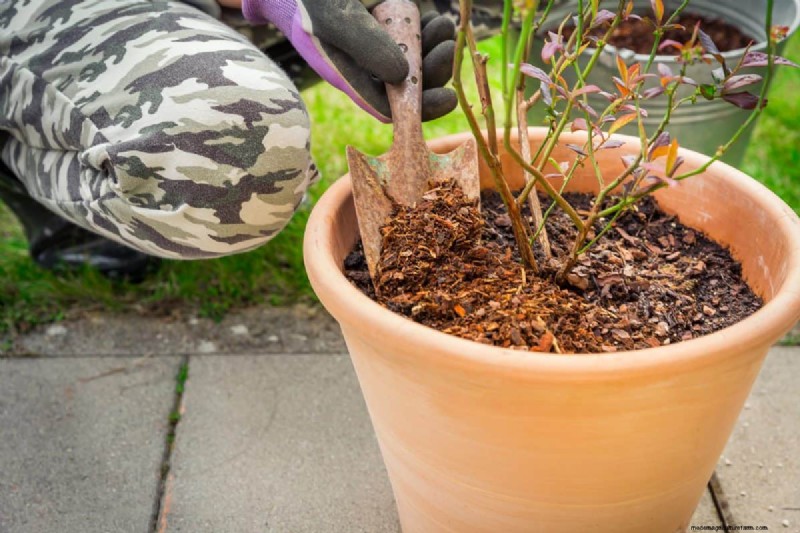
Applying organic mulch helps retain moisture and stabilizes soil temperature, fostering stronger root systems. Refresh the mulch every few months to maintain optimal conditions.
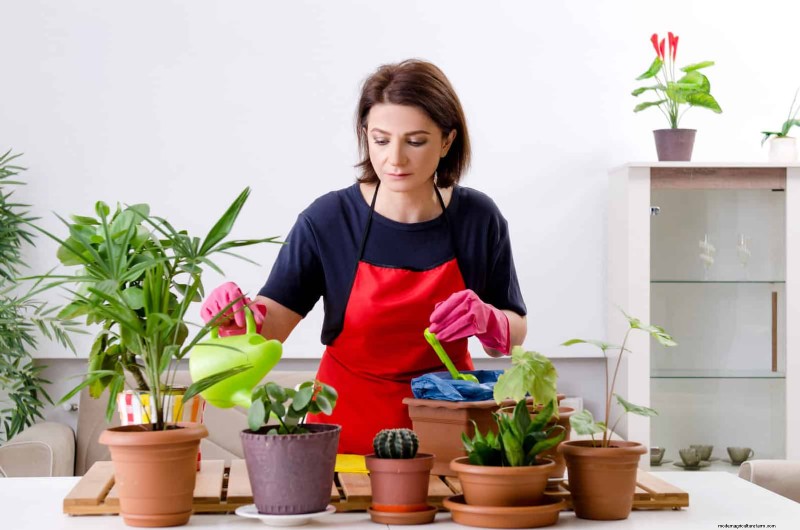
Bottom‑watering encourages roots to grow downward and improves root resilience. Place the pot in a shallow tray, allow it to absorb water for 20–30 minutes, then remove the excess water.
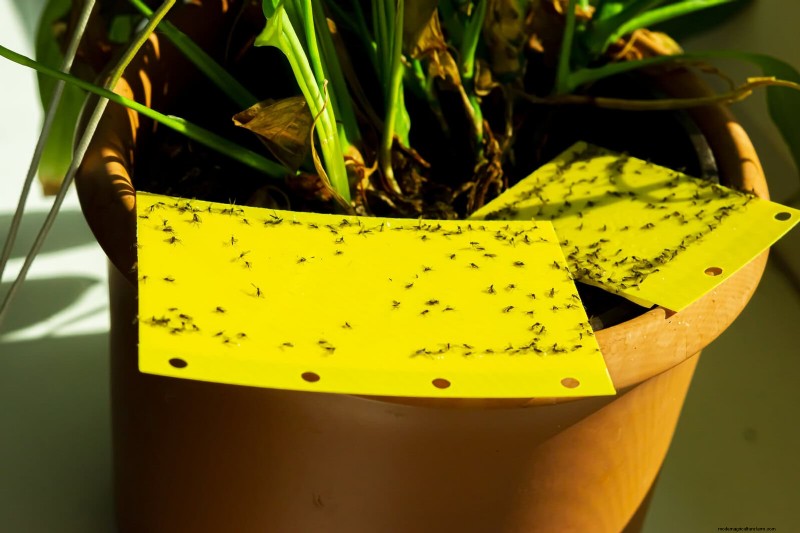
Pests such as spider mites and aphids weaken plants, leading to leggy growth. Inspect regularly, and treat promptly with natural remedies or insecticidal soap to protect your plants.
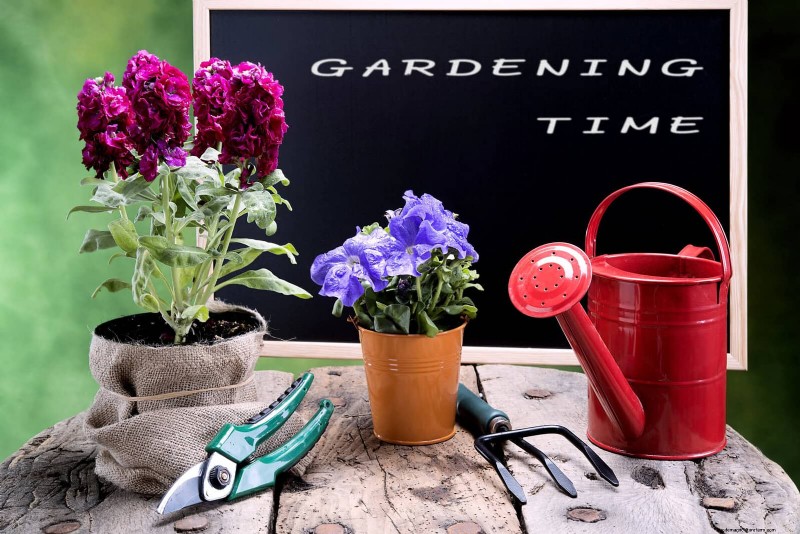
Tracking watering, fertilizing, and pruning dates ensures you maintain a consistent care routine. A growth log helps you adjust practices and avoid leggy mistakes.
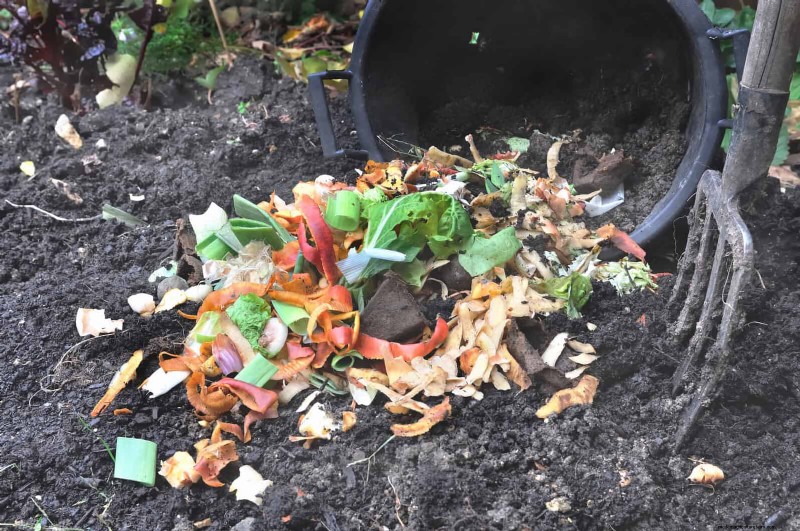
Healthy soil provides essential nutrients for robust growth. Use a high‑quality potting mix, and supplement with compost or organic matter to improve nutrient availability and root strength.
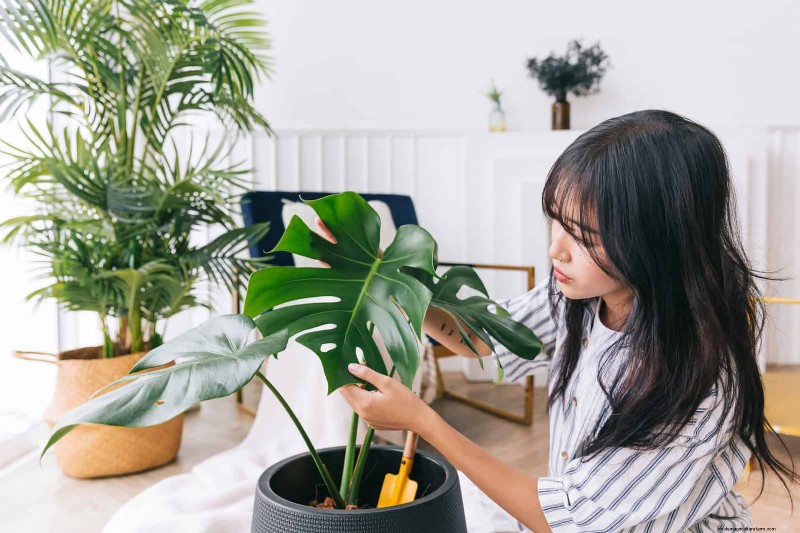
Pairing compatible species can enhance air quality, humidity, and overall plant health, supporting fuller, more resilient foliage.
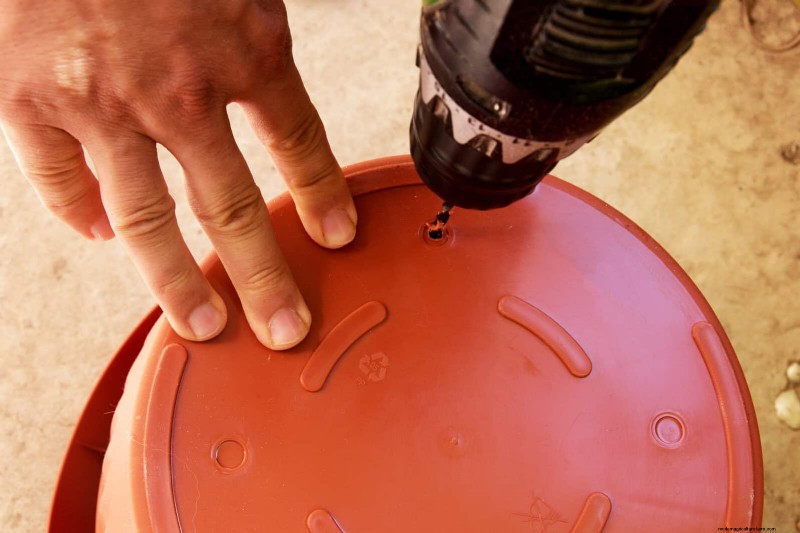
Root rot and leggy growth result from poor drainage. Ensure pots have drainage holes and use a well‑draining mix. Adding perlite or gravel improves drainage and safeguards root health.
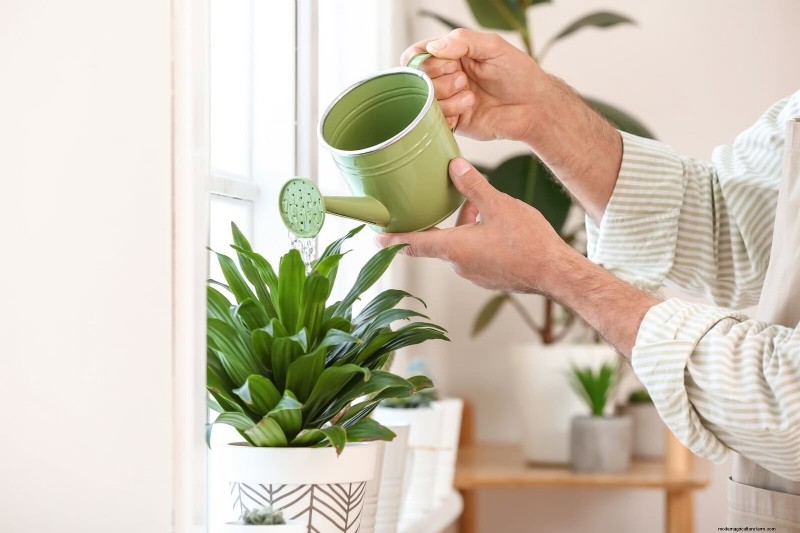
Adjust watering, lighting, and humidity each season to meet the plant’s specific needs, ensuring optimal growth throughout the year.
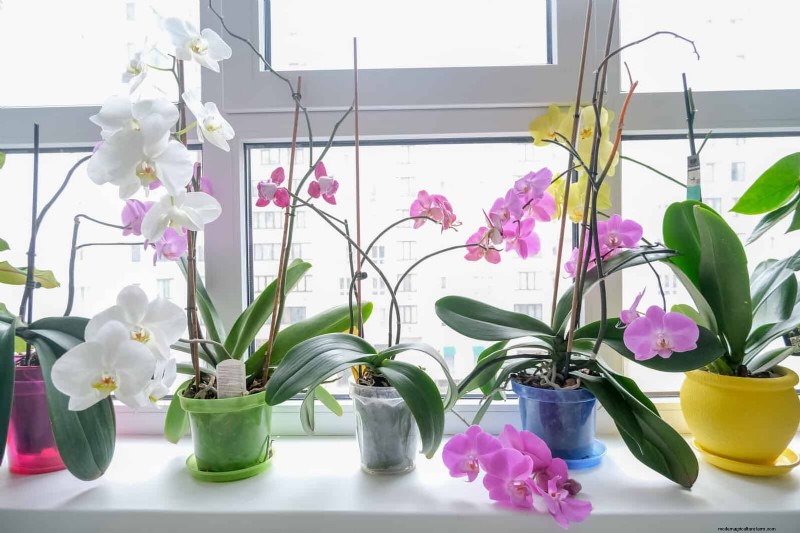
Stakes, bamboo sticks, or trellises guide growth and encourage thicker foliage. Secure stems with ties or clips, avoiding damage to the plant structure.
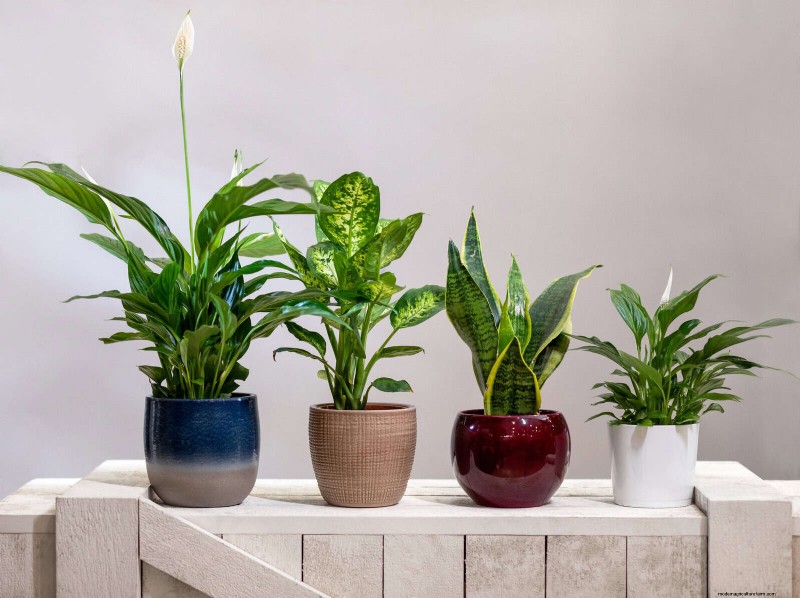
Overcrowded plants compete for light and air, leading to leggy growth. Reorganize to give each plant ample space for expansion.
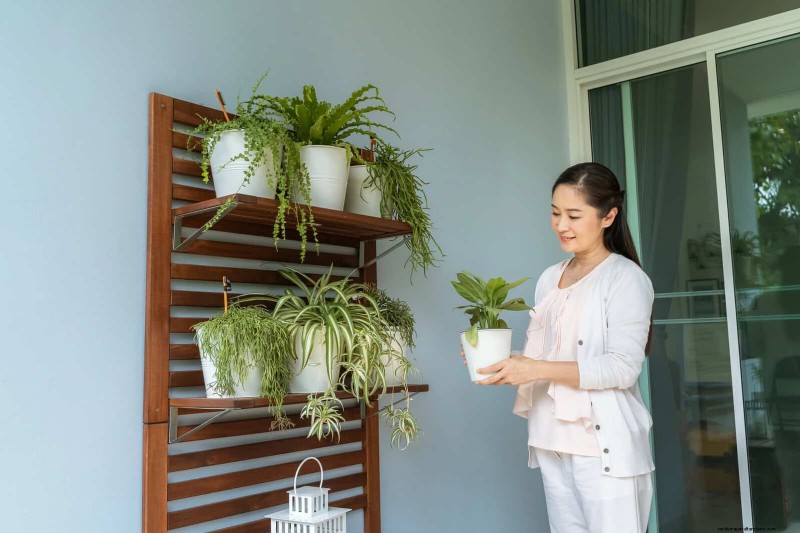
Constant moving stresses plants, encouraging leggy growth. Allow plants to acclimate before repositioning, and make gradual changes to maintain stable conditions.
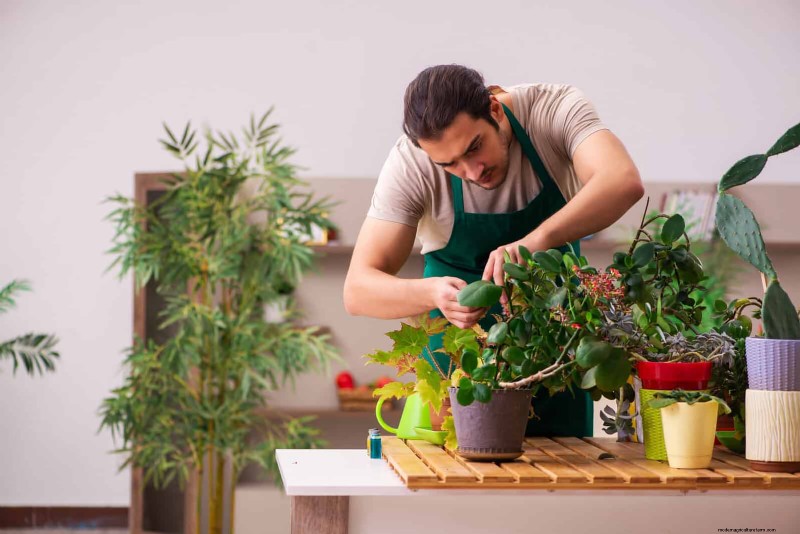
Consistent care, expert pruning, and thoughtful environmental adjustments transform spindly, leggy plants into thriving, vibrant displays. Experiment, observe, and nurture your indoor garden to enjoy lush foliage year after year.
Editorial oversight: GardenTabs content is reviewed by Steve Snedeker, a seasoned gardener with decades of hands‑on landscaping experience.


