Welcome to Modern Agriculture!

 DepositPhotos.com
Healthy soil is the foundation of every thriving garden. Certain plants naturally improve the soil by fixing nitrogen, breaking up compacted earth, attracting beneficial microbes, and preventing erosion—without the need for synthetic chemicals.
Below we present a carefully curated list of annuals, perennials, vegetables, herbs, and cover crops that give back to the earth. Learn how to incorporate these soil‑boosting species into your landscape for happier, healthier plants.
Many legumes serve dual purposes: they supply a tasty harvest and enrich the soil for future seasons.
 DepositPhotos.com
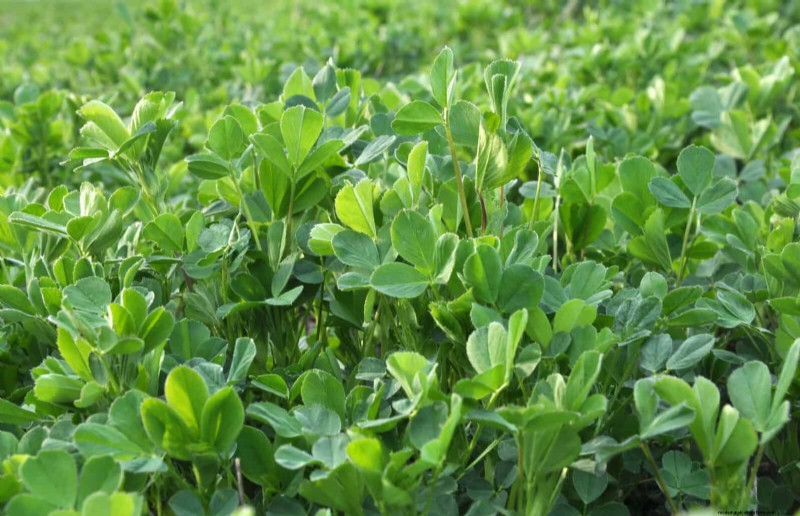
Alfalfa is a perennial herb renowned for its deep root system—often exceeding 10 feet—which penetrates compacted layers and draws nutrients from the subsoil. When the foliage is cut or decomposed, it releases nitrogen and organic matter, boosting surrounding soil fertility. Its root channels also improve drainage and create pathways for air and water.
White clover is a low‑growing perennial that fixes nitrogen via root nodules. It forms a dense, weed‑suppressing carpet that retains moisture, holds soil in place, and adds organic matter as it decomposes. Its pale flowers attract bees, supporting pollinator health.
Crimson clover adds vivid red flower spikes and is prized as an ornamental cover crop. Its fibrous roots stabilize soil, and the rapid growth suppresses weeds. When tilled in, it releases nitrogen and biomass, improving soil structure.
Hairy vetch is a vining cover crop with purple blooms. Its dense mat protects against erosion, and its roots loosen compacted soil. In spring, cutting and incorporating it into the soil releases stored nitrogen and organic matter, giving a robust fertility boost.
Bush beans provide a dual benefit: a flavorful harvest and nitrogen enrichment. Their roots aerate the topsoil, facilitating easier establishment for subsequent crops.
Peas (snap, snow, or shelling) fix nitrogen quickly in cool weather, making them ideal early‑season crops. Turning them under after harvest adds organic matter and stabilizes soil, while attracting beneficial insects.
Fava beans thrive in cool climates and add substantial organic matter when tilled in. Their sturdy roots break up compacted zones and their striking black‑and‑white flowers attract pollinators.
Cowpeas (black‑eyed peas) flourish in warm, challenging soils. Their dense growth suppresses weeds, and their nitrogen‑rich residue enriches the ground upon decomposition.
Lupines feature striking tall flower spikes and a deep taproot that improves drainage. As they decompose, they release nitrogen and attract pollinators, making them a versatile addition to sandy or marginal soils.
Sunn hemp is a tropical cover crop that matures quickly. Its deep roots break up hardpan, while its nitrogen‑fixing ability enhances fertility. Decomposed material adds organic matter and its flowers attract pollinators.
Peanuts improve soil health by fixing nitrogen and loosening compacted soil with their root system. Residues left after harvest can be incorporated to boost organic matter and weed control.
Soybeans not only fix atmospheric nitrogen but also improve structure through extensive roots. Their residues provide organic matter, improve moisture retention, and shade out weeds.
Save this article & instantly unlock today’s gardening deals!
These plants earn their keep by drilling roots deep enough to loosen hardpan and heavy clay.
 DepositPhotos.com
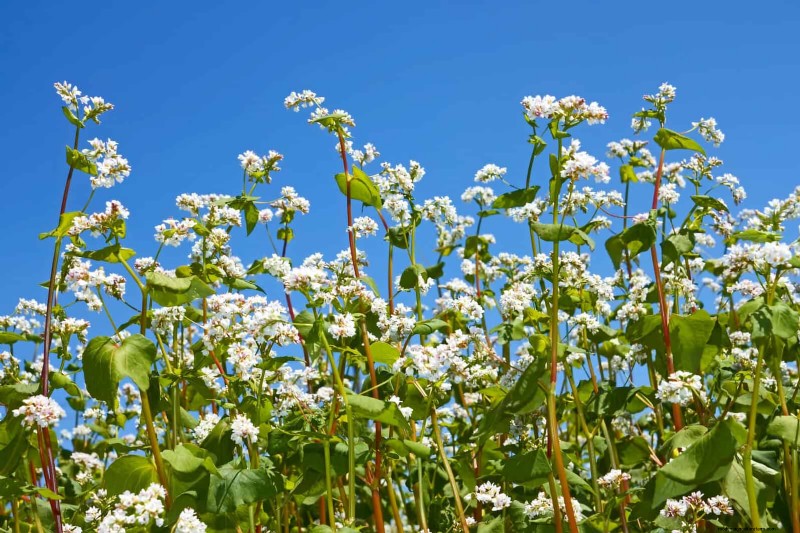
Buckwheat is a fast‑growing annual that scavenges phosphorus and releases mild acids to unlock bound nutrients. As a cover crop, it suppresses weeds, prevents erosion, and its rapid decomposition enriches the soil.
Mustard is known for its glucosinolate‑producing roots that naturally suppress soil pathogens and nematodes. Its dense root system also breaks up compacted soil, adding organic matter as it degrades.
Daikon radish (tillage radish) features a long taproot that creates deep channels, improving drainage and aeration. Its biomass, once incorporated, releases nutrients and protects against erosion.
Cereal rye thrives in colder months, offering robust ground cover that shields soil from weather. Its fibrous roots hold soil together, and when tilled in, it adds organic matter and natural weed suppression.
Oats establish quickly, creating dense foliage that curbs erosion and suppresses weeds. Their fibrous roots loosen compacted layers, and decomposed residue enriches topsoil.
Barley is a fast‑growing annual that improves sandy or poor soils by adding organic matter. Its dense roots prevent erosion, shade out weeds, and release nutrients upon decomposition.
Long‑lived plants with deep taproots act as natural pumps, pulling up minerals from below the surface for shallow‑rooted crops.
 DepositPhotos.com
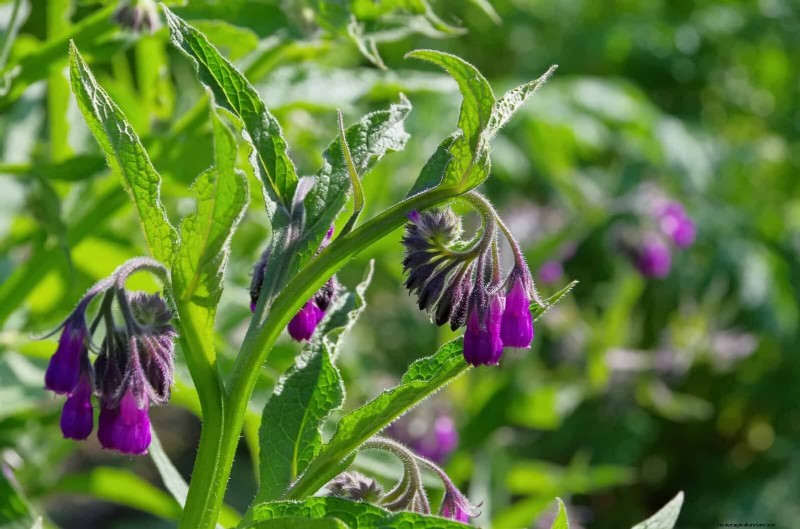
Comfrey boasts a deep root system that pulls up potassium, calcium, magnesium, and other minerals—a process known as a “red‑kit” effect. Its leaves become nutrient‑rich compost activators, improving structure and moisture retention.
Yarrow not only beautifies gardens but also accumulates minerals like potassium, calcium, and phosphorus. Its decomposing foliage returns these nutrients to the topsoil, propelling compost decomposition.
Borage provides mandarin‑mandarin self‑mulch, with roots that moderate soil structure and leaves that store potassium. Its star‑shaped blue flowers attract pollinators, and its foliage can be composted to release nutrients.
Marigolds are bright and low‑maintenance, yet they repel nematodes via root exudates. As green manure, their residues enhance soil structure and attract beneficial insects.
Nasturtiums serve as living mulch, suppressing weeds and deterring aphids. Their sprawling growth prevents erosion on slopes, and their decomposition adds nutrients.
Sunflowers feature deep taproots that aerate compacted soil and pull nutrients from deeper layers. As green manure, their stalks and leaves improve fertility and stabilize loose soils.
Several plants earn their spot by suppressing pests and providing ground coverage, keeping weeds and harmful organisms at bay.
 DepositPhotos.com
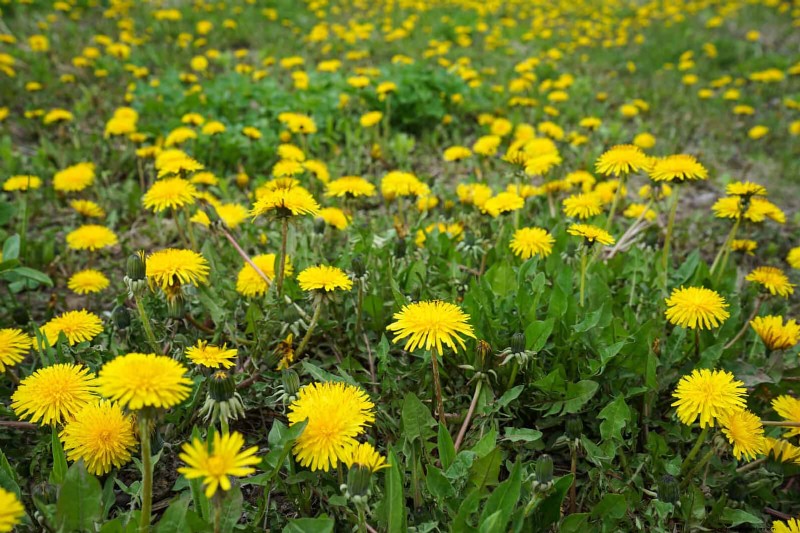
Dandelions may be labeled weeds, but their deep taproots break up compacted soil and pull calcium from the subsoil. When the material decomposes, these nutrients enrich the topsoil, and their roots help stabilize loose soil. They also attract pollinators.
By integrating these soil‑boosting plants into your garden, you create a resilient, fertile environment that supports beneficial microbes, promotes drainage, and deters erosion. From deep‑rooted flowers that extract minerals to nitrogen‑fixing legumes that replenish nutrients, these species provide tangible, chemical‑free benefits. They also draw pollinators and beneficial insects, fostering a balanced ecosystem. Embrace these natural allies to elevate both soil health and garden vitality.

Editorial oversight
GardenTabs content is reviewed by Steve Snedeker, a seasoned gardener with decades of hands‑on landscaping experience.