Welcome to Modern Agriculture!

Swarming pests can quickly derail a calm gardening session. Before resorting to chemical pesticides, consider a sustainable alternative: selecting companion plants that naturally deter pests while simultaneously supporting pollinators such as bees, butterflies, and other beneficial insects. Integrating these obligate self‑protecting plants not only enhances garden resilience but also boosts biodiversity and visual appeal.
Whether cultivating vegetables, culinary herbs, or ornamental flowers, incorporating pest‑repelling companion species simultaneously reduces insect pressure and amplifies pollination rates. The following selection highlights must‑have plants that excel at both functions.
Basil is a kitchen staple that also emits volatile oils repelling flies, mosquitoes, and aphids. Its miniature white or purple inflorescences become essential nectar sources for bees once they begin to set seed. Basil prefers warm, sunny conditions and responds well to periodic harvesting, which encourages vigorous foliage production.
By allowing some clumps to self‑seed while harvesting others, you harvest culinary yields and support pollinators with a single plant. Basil’s dual role is a reliable asset in any vegetable garden.
Rosemary’s dense, pine‑scented foliage forms a natural barrier that deters cabbage moths, carrot flies, and mosquitoes. Its small blue or white blooms appear in spring and are especially attractive to bees. Growing well in full sun and sandy, well‑drained soil, rosemary can be shaped into low hedges in warmer climates.
Mint’s sharp aroma deters mosquitoes, ants, and flies while its tiny purple or white flowers offer rich nectar for bees and hoverflies. Because mint spreads vigorously, it is best contained in pots to prevent unintended invasion. The herb thrives in moist soil and partial to full sun.
Chives produce tall, grass‑like leaves and round purple blooms that attract bees and butterflies. Their mild onion scent deters aphids, carrot flies, and Japanese beetles. Chives are hardy perennials that thrive in sunny areas with well‑drained soil and require minimal care. Both stalks and flowers are edible.
Dill’s airy yellow umbels attract bees, lacewings, and beneficial wasps, while simultaneously repelling aphids and spider mites. It is ideal for companion planting near cucumbers and tomatoes. Dill flourishes in full sun and loose, well‑drained soil, reseeding easily for continued growth.
Thyme’s strong scent deters cabbage worms, whiteflies, and cutworms. Its small blooms provide nectar for bees and other tiny pollinators. This ground cover thrives in full sun and poor soil, making it perfect for borders or rocky paths. Thyme can be harvested frequently without harming the plant.
Oregano repels aphids, spider mites, and cabbage moths with its potent aroma. When allowed to flower, it attracts bees and other beneficial insects. The hardy perennial thrives in full sun and dry, rocky soil, making it suitable for herb spirals, raised beds, or borders.
Parsley attracts hoverflies, parasitic wasps, and ladybugs, all of which help control aphids and other harmful insects. When flowering, it also serves as a host for swallowtail caterpillars. Parsley grows well in sun or part shade and prefers moist, rich soil.
Save this article & also instantly unlock today's gardening deals!
These perennials establish once and return season after season, building stronger pest‑deterring presence and pollinator habitat over time. Their fragrance is the main weapon, but their blooms are a significant bonus.
Lavender’s soothing scent repels mosquitoes, moths, and fleas. Its purple blooms are a favorite among bees, butterflies, and hummingbirds. The sun‑loving, drought‑tolerant herb resists deer and requires minimal upkeep.
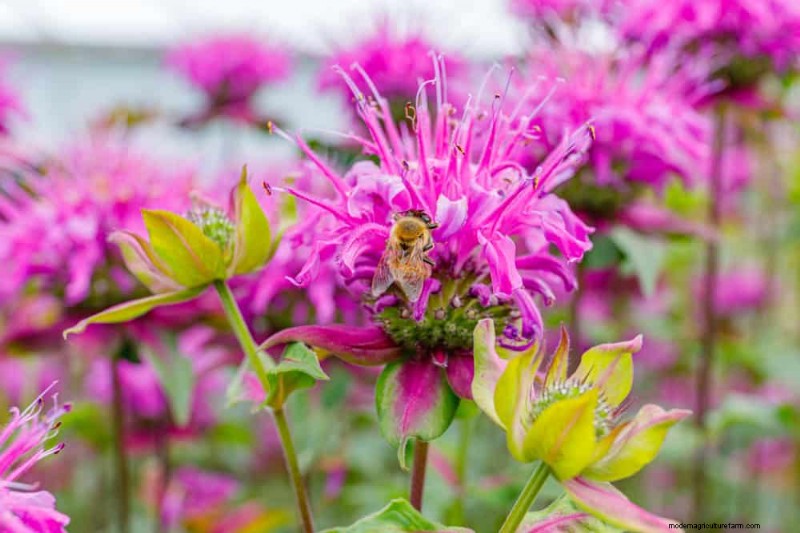
Bee balm, also known as Monarda, is a colorful native plant that attracts bees, butterflies, and hummingbirds. Its spicy fragrance also helps repel mosquitoes. The flowers appear in bright red, pink, or purple and thrive in full sun with moist, well‑drained soil.
Catnip’s active compound, nepetalactone, has been shown to outperform DEET in repelling mosquitoes (study: Yale University, 2022). Bees and butterflies also enjoy its soft lavender blooms. Catnip spreads quickly if left unchecked, so it is best grown in containers or controlled beds.
Lemon balm emits a mild citrus aroma that deters gnats and mosquitoes without overwhelming the garden. Its nectar‑rich white blooms attract bees and other pollinators. The plant tolerates both sun and partial shade, spreading via underground runners; containers help contain it.
Yarrow is a native wildflower that thrives in tough conditions while attracting bees, butterflies, and ladybugs. Its fern‑like leaves emit a scent that deters beetles and ants. Yarrow is drought‑tolerant and ideal for sunny, low‑maintenance areas.
Tansy’s bold yellow button flowers add visual interest while its strong scent repels mosquitoes, ants, and flies. The plant supports pollinators such as bees and beneficial wasps. Tansy prefers full sun and well‑drained soil but can become aggressive; monitor spread and consult local regulations.
Some of the most effective pest‑management plants work not just by repelling insects but by actively luring them away from crops or hosting the beneficial predators that control pest populations.
Nasturtiums act as sacrificial trap crops, drawing aphids away from vegetables and concentrating them on a single, easily monitored plant. They also repel squash bugs and whiteflies, making them great companions for cucumbers and zucchini. Their vibrant, edible blooms attract pollinators.
Borage offers rich nectar that sustains bees through lean periods. Its foliage deters tomato hornworms and other common vegetable pests. The blue, star‑shaped flowers are edible and can be added to salads or desserts.
Fennel’s umbrella flowers attract parasitic wasps that target caterpillars and other soft‑bodied pests. Its strong scent also deters aphids, slugs, and other garden nuisances. Fennel thrives in full sun and well‑drained soil.
Calendula (pot marigold) is known for its healing properties and garden benefits. Its orange and yellow flowers attract bees and repel aphids, whiteflies, and beetles. Calendula thrives in cool weather and full sun, blooming throughout spring and fall.
These garden favorites earn their spot on looks alone, but each also contributes measurably to a healthier pest balance.
Marigolds are widely studied companion plants with proven efficacy against nematodes and whiteflies. Their strong scent deters nematodes, whiteflies, and even rabbits, while their bright orange and yellow flowers attract bees, butterflies, and beneficial insects.
Sage’s aromatic foliage deters beetles and cabbage moths. Its midsummer blooms draw bees and hummingbirds, improving pollination across the garden. Sage thrives in sunny, dry spots and requires little upkeep.
Petunias have sticky leaves that trap aphids and leafhoppers, providing a mild but effective deterrent. Their bright trumpet‑shaped blooms are a favorite of bees and hummingbirds. Petunias thrive in sunny containers or hanging baskets and require regular deadheading.
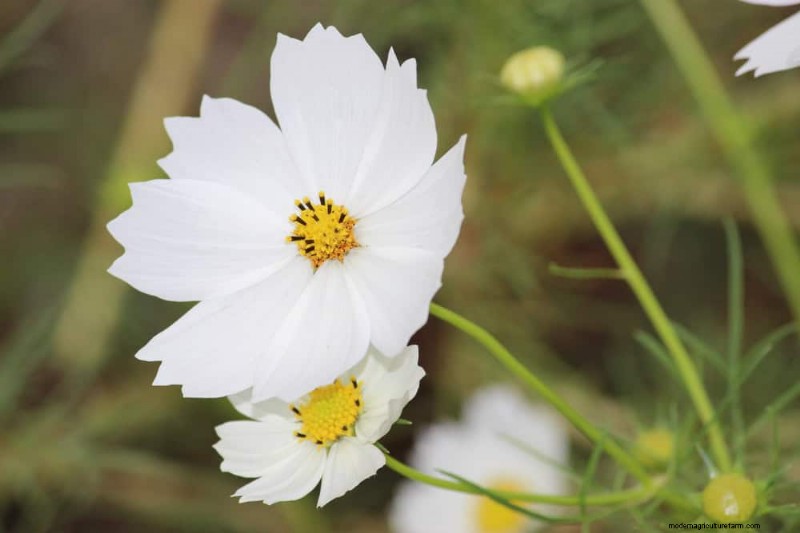
Cosmos attract hoverflies whose larvae consume aphids, making them quiet but effective allies. The airy, delicate flowers also attract bees and butterflies. Cosmos grow easily from seed, love full sun, and thrive in poor soil, reseeding readily.
The real power of these plants comes from combining them throughout the garden rather than isolating them in a single bed. A diverse planting creates overlapping layers of pest deterrence and pollinator support that chemical sprays simply cannot replicate.
These powerhouse plants help manage garden pests and invite pollinators to thrive. Ranging from fragrant herbs to vibrant flowers, they’re nature’s way of keeping your garden balanced — without chemicals. No matter whether you’re planting in raised beds, containers, or full landscapes, these picks offer beauty and biodiversity. Your plants will thank you.
And with fewer pests and more helpful visitors, your garden will flourish naturally.
Say goodbye to sprays. These easy tips will help you fight pests the natural way:
19 Easy Ways to Naturally Repel Pests from Your Garden
Editorial oversight
GardenTabs content is reviewed by Steve Snedeker, a seasoned gardener with decades of hands‑on landscaping experience.