Welcome to Modern Agriculture!

 Shutterstock
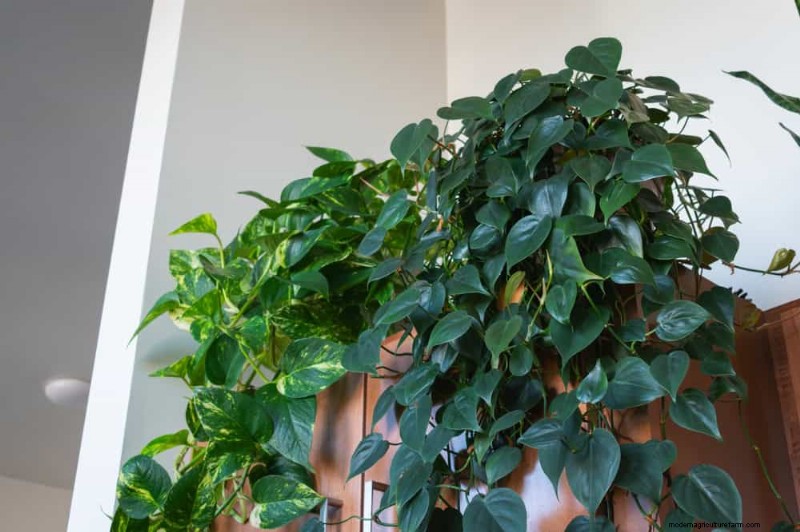
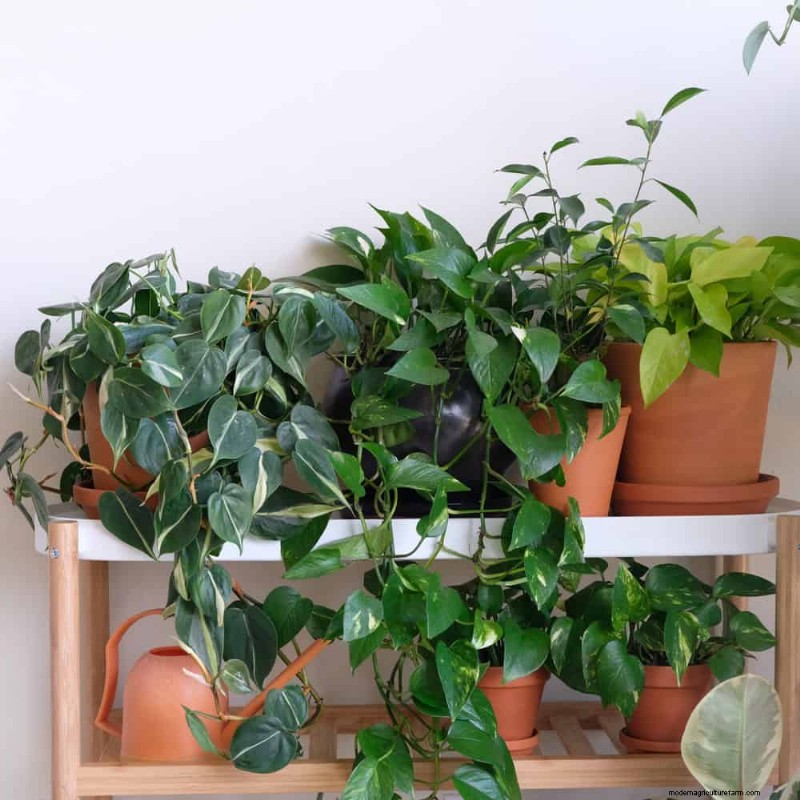
Trailing houseplants can easily become thin and leggy if not cared for properly. With a few thoughtful adjustments, you can maintain dense, cascading foliage all year round. By understanding your plant’s specific needs and implementing regular, simple changes, you’ll see a fuller, more vibrant growth. Below are 12 expert‑backed techniques to keep your trailing plants lush and bushy.
 Shutterstock
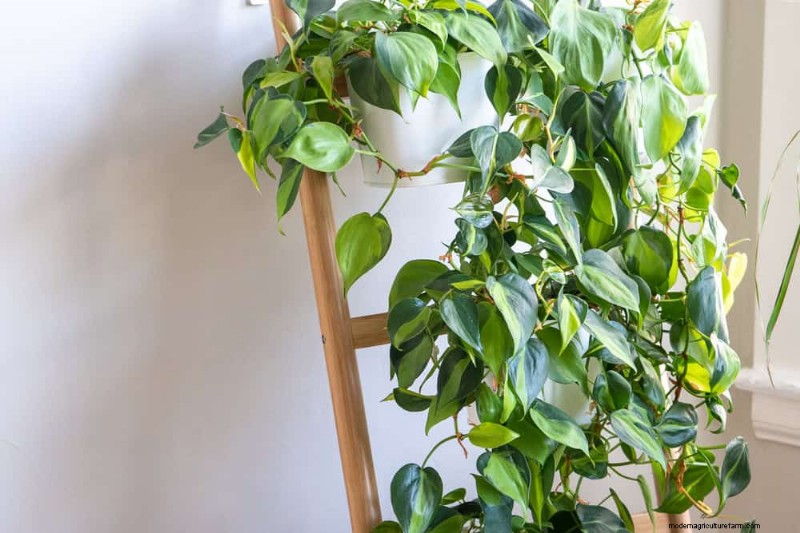
Trailing houseplants thrive on ample, filtered light. Position them near a bright, east‑ or south‑facing window or supplement with grow lights if necessary. Inadequate light forces vines to stretch toward the source, resulting in leggy growth. For artificial lighting, run the lights 12–14 hours daily to maintain dense, healthy foliage.
Save this article & also instantly unlock today's gardening deals!
 Shutterstock
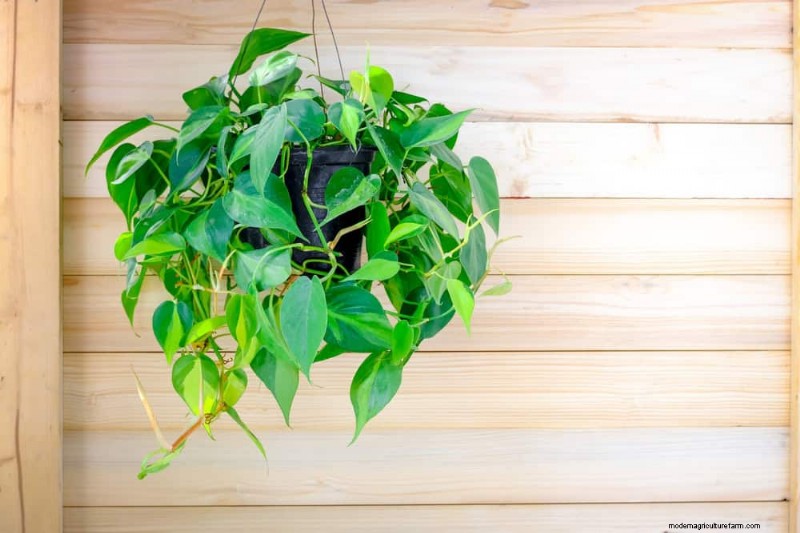
To achieve even growth, rotate the pot every few weeks. This ensures each side receives comparable light, preventing uneven, leggy stems. A simple daily or weekly turn keeps the plant balanced and bushy.
 Shutterstock
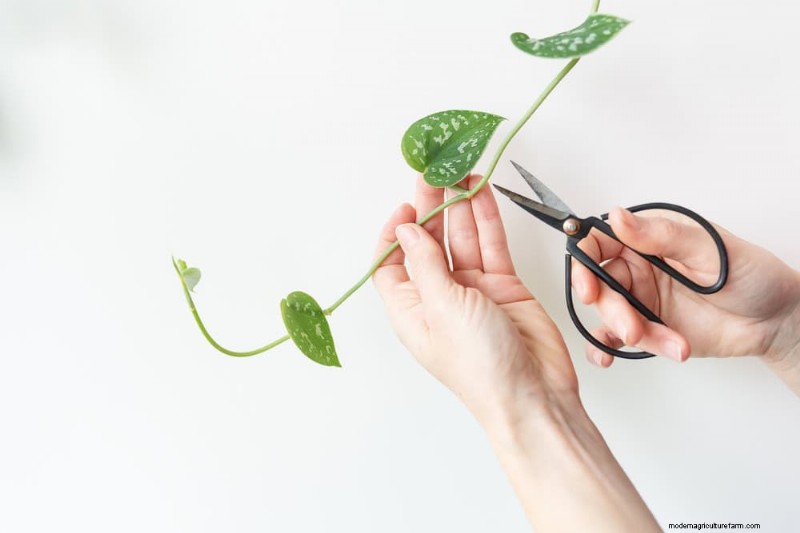
Regular pruning stimulates new shoots and creates a fuller silhouette. Trim elongated vines just above a leaf node to encourage branching. Remove dead or weak stems to redirect energy toward healthier growth. Use clean, sharp scissors to avoid damage. Frequent trimming yields a thicker, more vibrant plant.
 Shutterstock
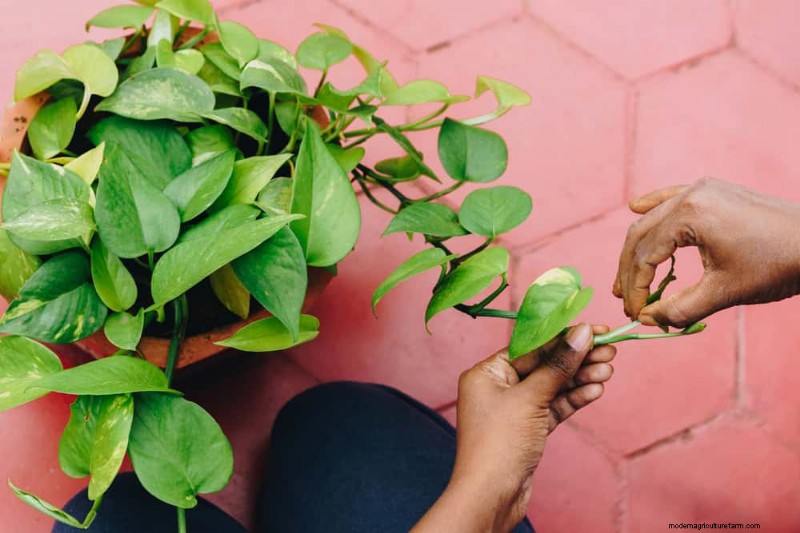
Pinching the tip of a vine redirects energy from upward growth to lateral branching, producing a fuller appearance. Snip the top inch of the vine with fingers or pruning shears. Consistent tip removal encourages more branches and denser foliage, keeping vines from becoming long and empty.
 Shutterstock
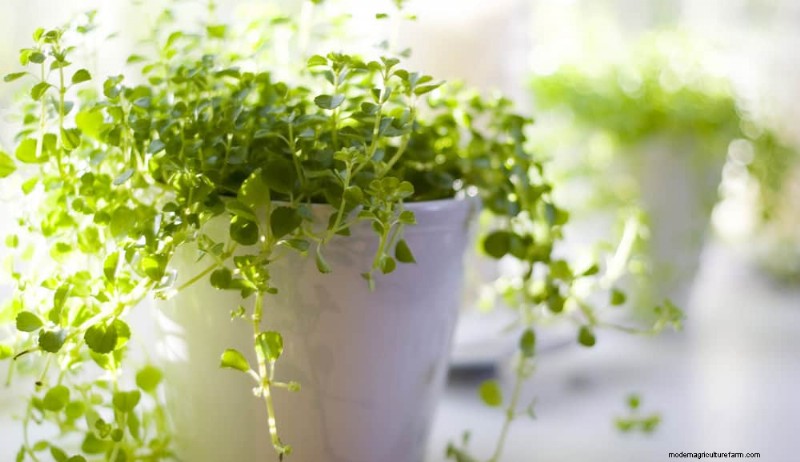
A pot that is too large can divert energy to root expansion at the expense of foliage. Choose a container just slightly larger than the root ball to keep the plant compact and healthy. Oversized pots also hold excess moisture, increasing the risk of root rot.
 Shutterstock
Both over‑watering and under‑watering stress plants and produce leggy growth. Water only when the top inch of soil feels dry, and use pots with drainage holes. Overwatering leads to root suffocation; underwatering causes drooping leaves. Maintain a consistent watering schedule, adjusting for humidity and seasonal changes.
 Shutterstock
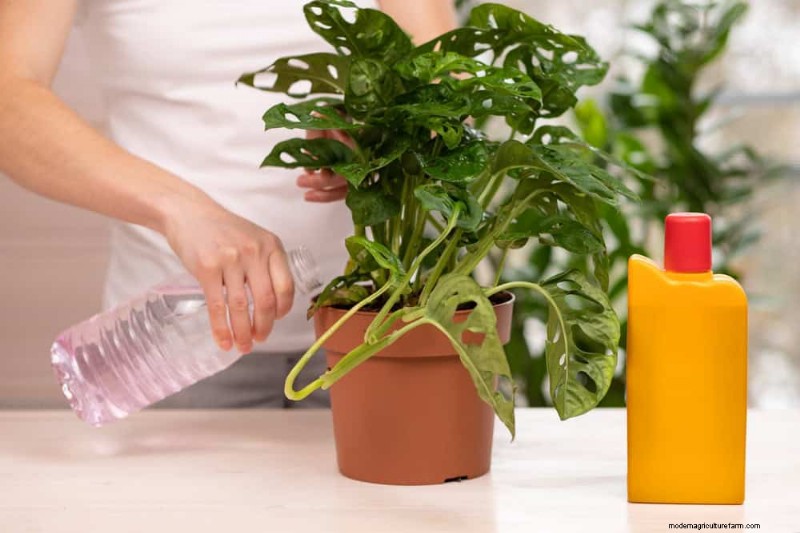
During the growing season, feed your trailing plants with a balanced liquid fertilizer once a month. Too much nitrogen can promote weak, elongated stems. Dilute the fertilizer slightly to avoid overfeeding. Adequate nutrition supports strong stems and rich green leaves, keeping your plant vibrant.
 Shutterstock
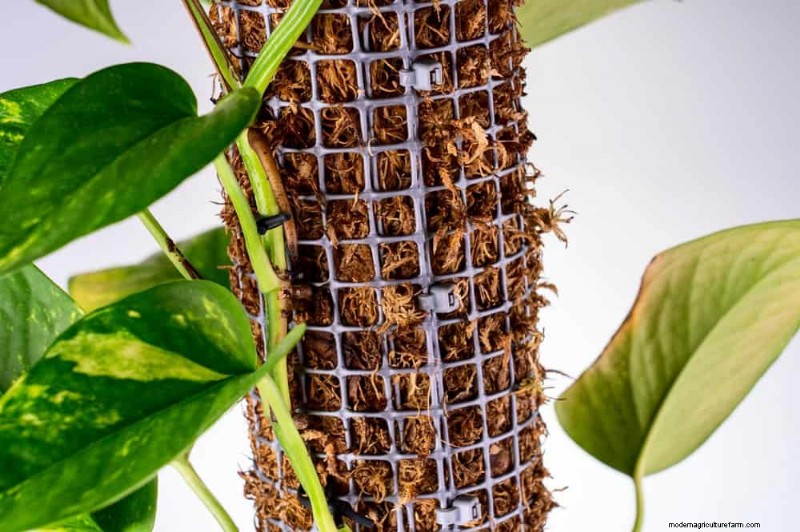
Guiding vines along a trellis, moss pole, or hooks encourages dense growth and prevents a stringy appearance. Use soft ties to direct vines where you want them to grow. Proper support also protects delicate stems from breakage.
 Shutterstock
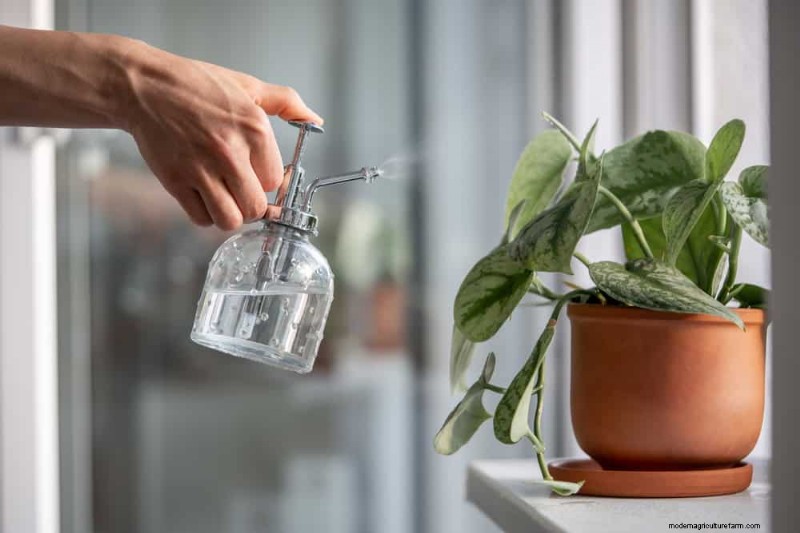
Many trailing varieties—such as pothos and philodendrons—require higher humidity to thrive. Maintain 50 %+ relative humidity with a pebble tray, humidifier, or misting. Low humidity causes leaf desiccation and drop, making the plant appear sparse.
 Shutterstock
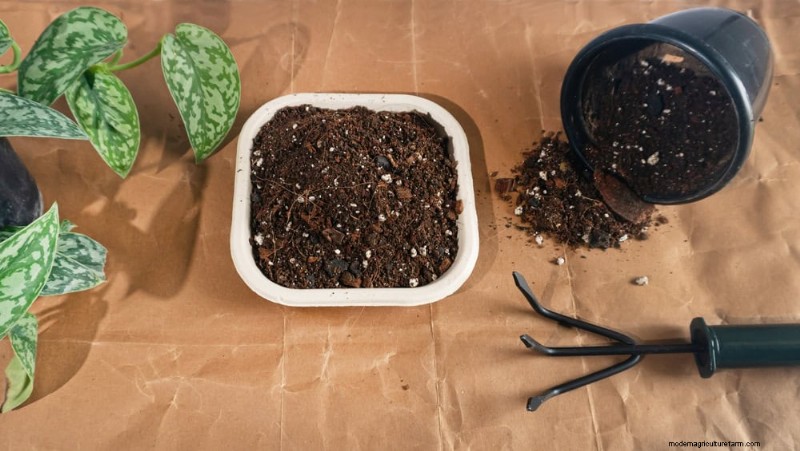
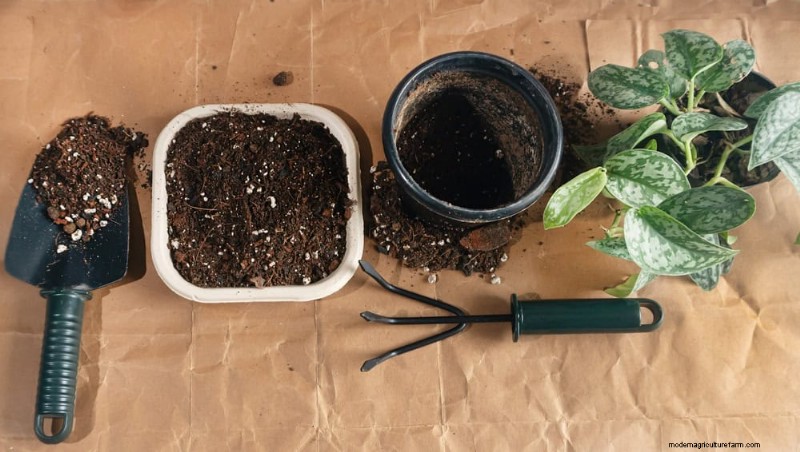
Nutrient depletion and compaction can stifle growth. Repot every 1–2 years with fresh, well‑draining potting mix. Fresh soil replenishes nutrients and improves aeration, giving your plant a new growth boost.
 Shutterstock
If a plant becomes overly leggy, take healthy cuttings, root them in water or soil, then replant. This rejuvenates the plant and fills in gaps, restoring a lush cascade. Regular propagation keeps the plant dense and prevents a worn‑out look.
 Shutterstock
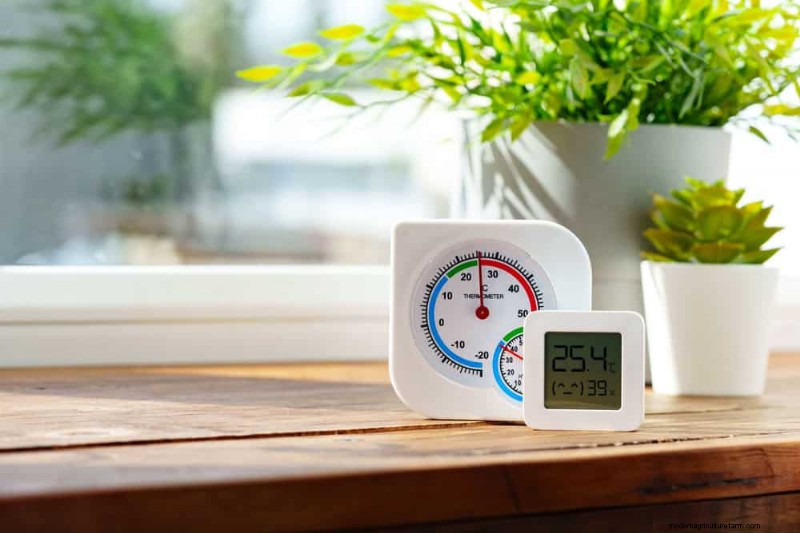
Trailing houseplants are sensitive to heat and cold. Keep them in a stable environment, 65–75 °F (18–24 °C), away from drafts, vents, or direct sunlight. Sudden temperature shifts can cause leaf drop and stunted growth.
 Shutterstock
By following these expert recommendations—regular pruning, adequate lighting, proper watering, balanced fertilization, suitable humidity, and timely soil refreshment—you can maintain lush, bushy trailing houseplants. A consistent care routine will keep your plants healthy and vibrant, adding a touch of green to your home.
Stop Your Pothos From Getting Leggy With These 8 Tricks

Editorial oversight
GardenTabs content is reviewed by Steve Snedeker, a seasoned gardener with decades of hands‑on landscaping experience.