
Welcome to Modern Agriculture!

 Shutterstock
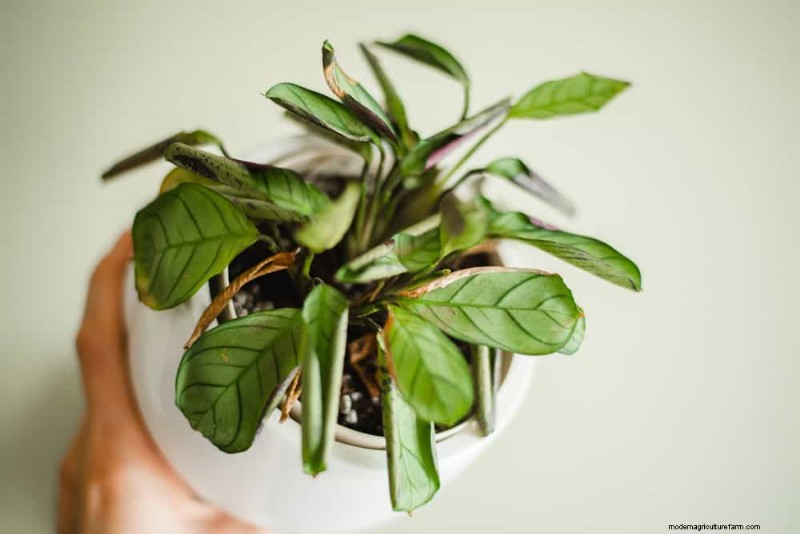
Prayer plants captivate with their textured foliage and the distinctive nightly fold‑in. While they add a striking touch to interiors, they thrive only with attentive care. Notice wilting leaves? It signals an issue you can correct swiftly. Early diagnosis and timely action will bring back the plant’s lush, vibrant green.
 Shutterstock
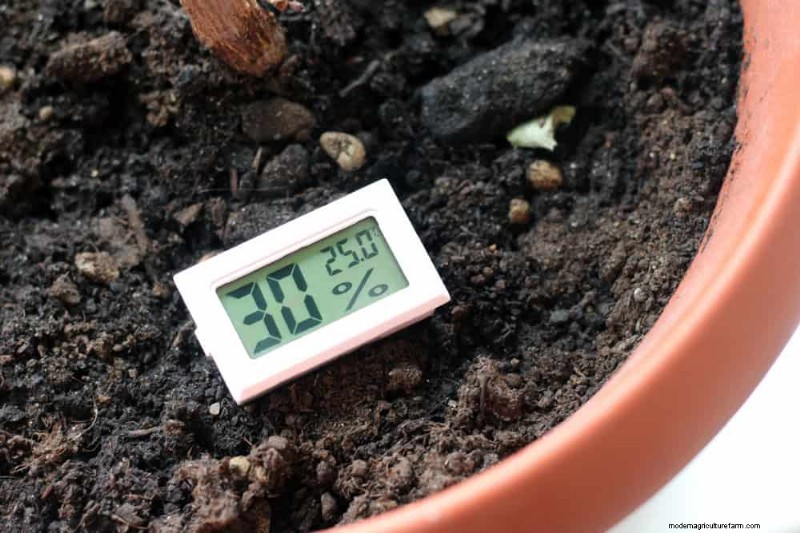
Prayer plants prefer consistently moist but well‑drained soil. If the substrate feels dry to the touch an inch below the surface, water thoroughly, ensuring excess drains. Overly wet soil can lead to root rot, so repot into fresh, airy mix if needed. Monitoring moisture with finger or a moisture meter keeps the plant balanced.
Save this article & also instantly unlock today's gardening deals!
 Shutterstock
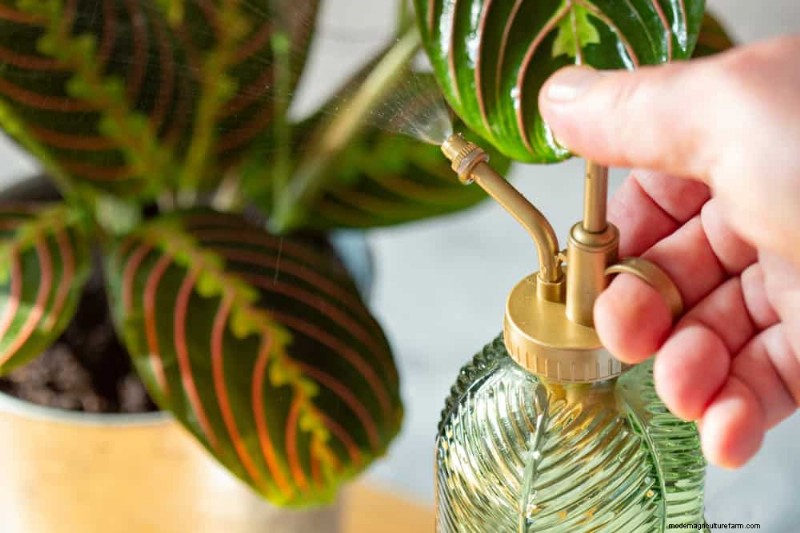
These tropical natives flourish in humid environments. Dry air can cause leaf curling and brown margins. Increase humidity by misting, using a pebble tray, or a small humidifier. Grouping plants together naturally elevates moisture. In arid climates, a hygrometer helps maintain optimal levels.
 Shutterstock
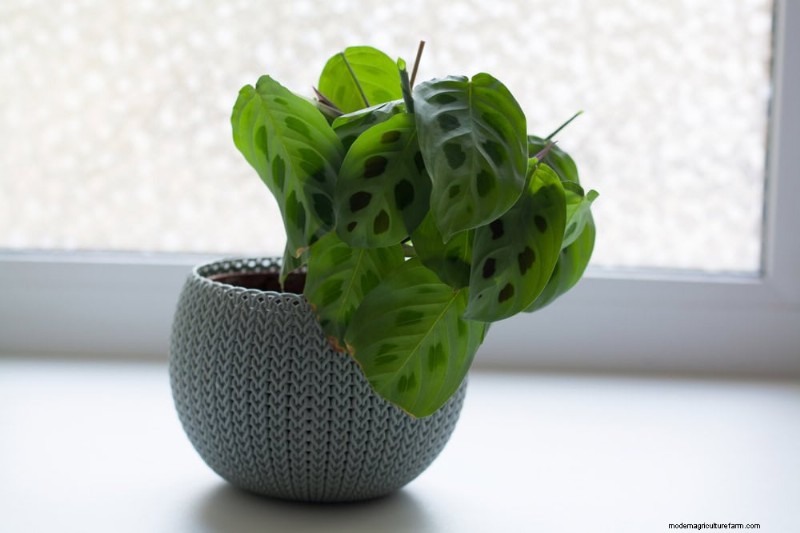
Prayer plants need bright, indirect light. Direct sun can scorch the leaves, while insufficient light slows growth and weakens foliage. Position near a north‑or‑east‑facing window or use a filtered light source. In low‑light homes, supplement with a grow light to keep the plant healthy year‑round.
 Shutterstock
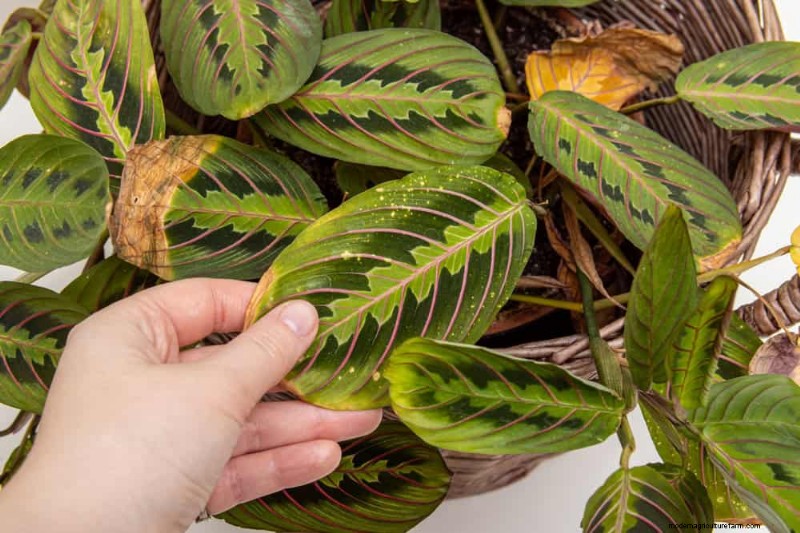
Common pests such as spider mites, aphids, and mealybugs sap vitality and cause wilting. Examine leaf undersides and stems for webbing or tiny insects. Treat with insecticidal soap, neem oil, or a gentle damp cloth wipe. Regular cleaning and quarantining new plants prevents infestations.
 Shutterstock
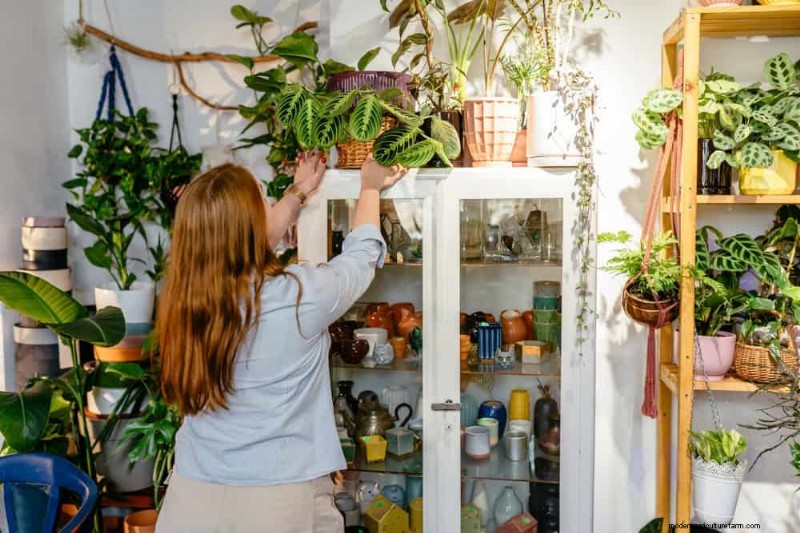
Prayer plants thrive between 65–80°F (18–27°C). Drafts, air‑conditioners, or heaters can cause sudden temperature swings that trigger wilting. Place the plant in a stable spot away from vents, doors, and windows that experience extremes.
 Shutterstock
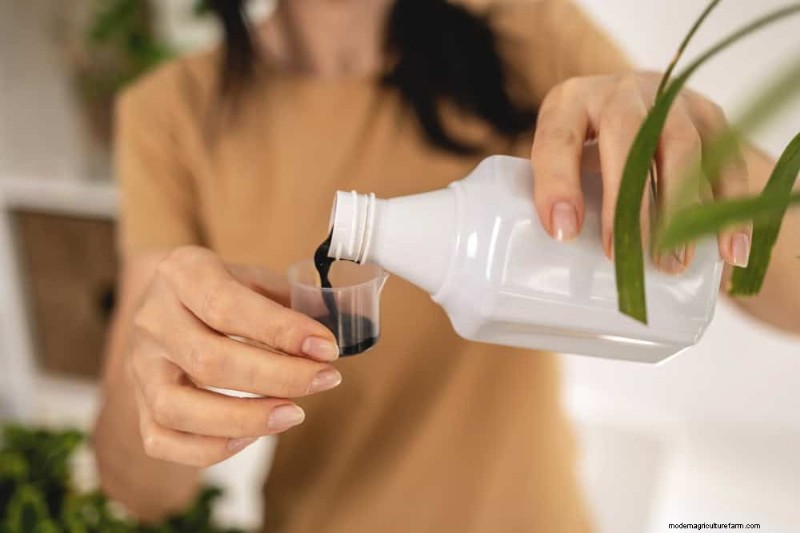
A nutrient deficit weakens the plant. Use a balanced liquid fertilizer at half strength once a month during the growing season. Avoid over‑fertilizing; excess salts accumulate and damage roots. Flush the soil periodically to remove salt build‑up.
 Shutterstock
Remove leaves that are beyond recovery with clean, sterilized scissors. Pruning redirects energy to new growth, keeps the plant fuller, and reduces the risk of disease spread. Regular trimming also shapes the plant for a tidy appearance.
 Shutterstock
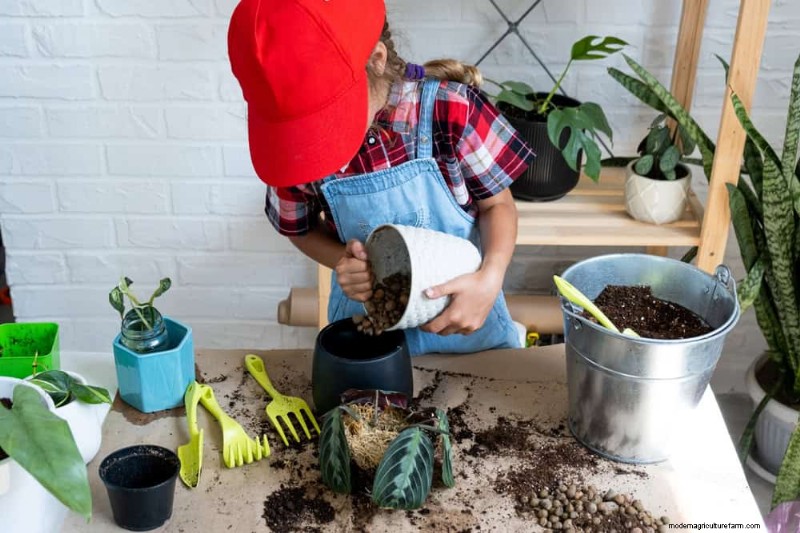
Root‑bound roots restrict water uptake and gas exchange. Inspect the root ball; if roots crowd the pot, transfer to a container 1–2 inches larger with fresh, well‑draining soil. Spring or early summer is the ideal time for repotting.
 Shutterstock
Cold or chemically treated water can shock the roots. Use filtered or distilled water at room temperature. If tap water is used, let it sit overnight to dissipate chlorine. Hard water may leave mineral deposits; occasional rain or bottled water helps keep roots healthy.
 Shutterstock
Rotate the plant 90° weekly to promote even light distribution and balanced growth. This practice prevents leaning toward a light source and ensures uniform leaf development.
 Shutterstock
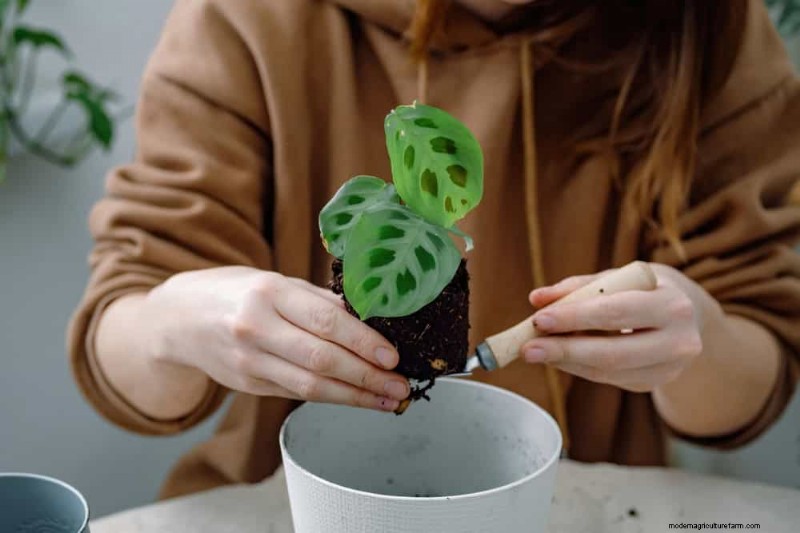
Persistent wilting despite proper care warrants a root check. Gently remove the plant; brown, mushy roots indicate rot. Trim affected roots, repot in fresh, airy soil, and ensure the pot retains excess water.
 Shutterstock
Once recovered, maintain a consistent regime of watering, humidity, and light. Observing the plant regularly allows prompt adjustments, sustaining its vigor and beauty.
 Shutterstock
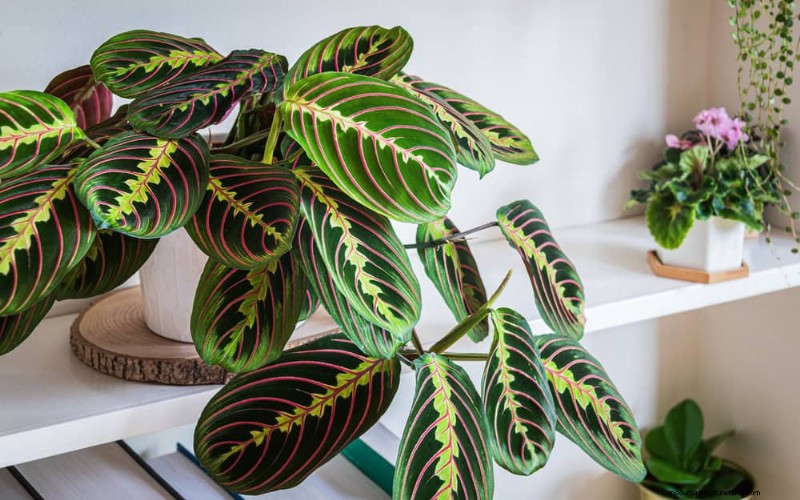
Patience and consistency are the cornerstones of prayer plant care. By monitoring moisture, humidity, light, and pests, and by pruning and feeding appropriately, you’ll enjoy a resilient, lush specimen that brightens any indoor space.

Editorial oversight
GardenTabs content is reviewed by Steve Snedeker, a seasoned gardener with decades of hands‑on landscaping experience.


