Welcome to Modern Agriculture!

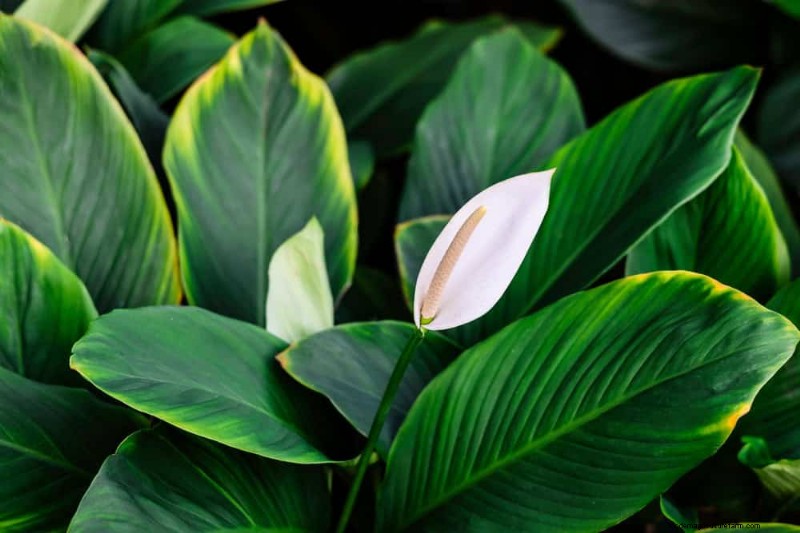
Peace lilies are prized for their graceful foliage and low‑maintenance nature, yet they are highly sensitive to water damage. Excess moisture can trigger yellowing leaves, drooping stems, and root rot—issues that are difficult to reverse once established. If your plant has been overwatered, you can still save it by following a few proven steps. By identifying the early warning signs and adjusting your care routine, your peace lily can recover and thrive again.
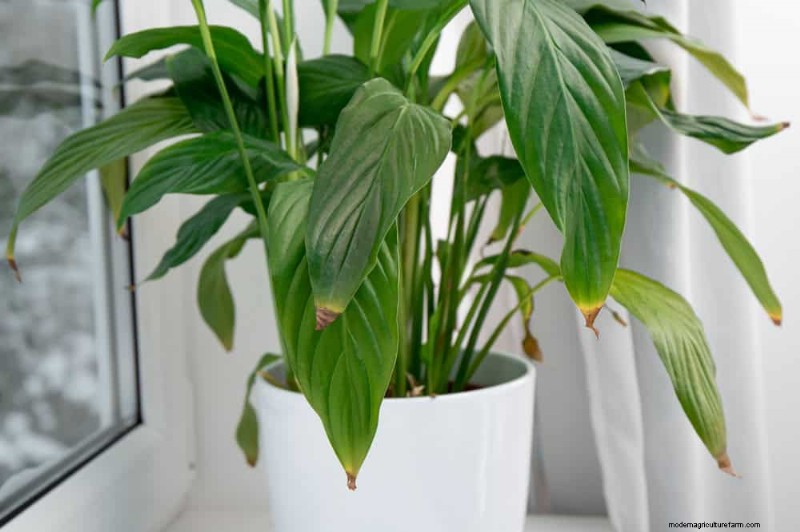
Common symptoms include yellow or brown leaf tips, brown or black “mold” on the soil, and a musty odor. If the soil feels soggy and the plant appears stressed, overwatering is likely the culprit. Early detection allows you to act before damage becomes irreversible.
• Remove excess water promptly. • Inspect roots for signs of rot. • Replace or refresh the soil as needed.
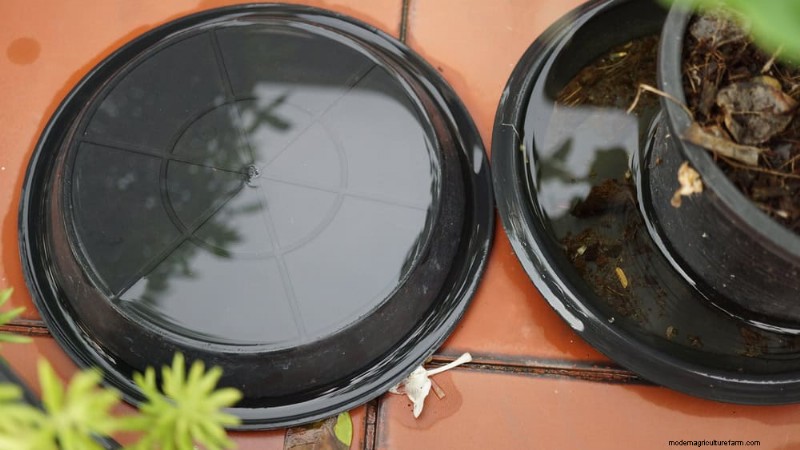
Drain any standing water to prevent root damage. Tilt the pot slightly, let it dry, and then wipe away moisture. Avoid watering until the soil has fully dried, which is a more reliable indicator of readiness.
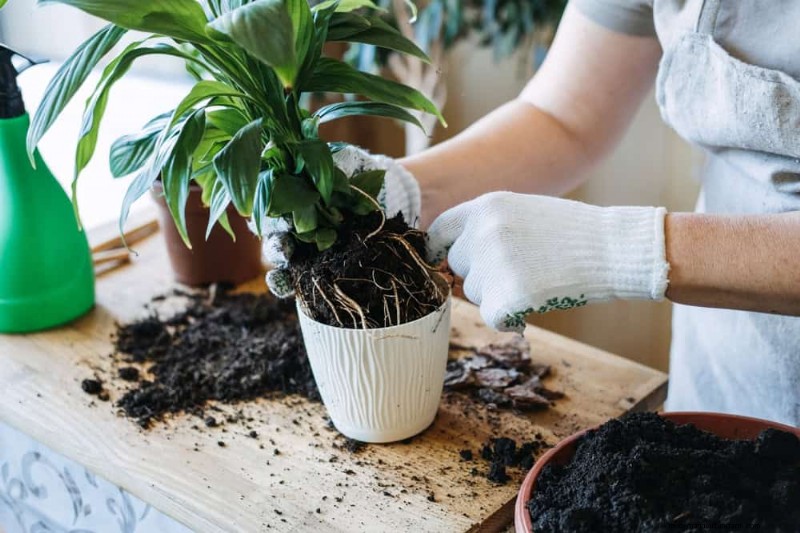
Remove the plant from its pot and examine the root structure. Healthy roots should be firm and white. Trim away any brown, mushy, or smelly tissue before repotting to prevent further damage. Use sterilized scissors or a damp‑waste‑paper‑technician (DWC) to clean the root system.
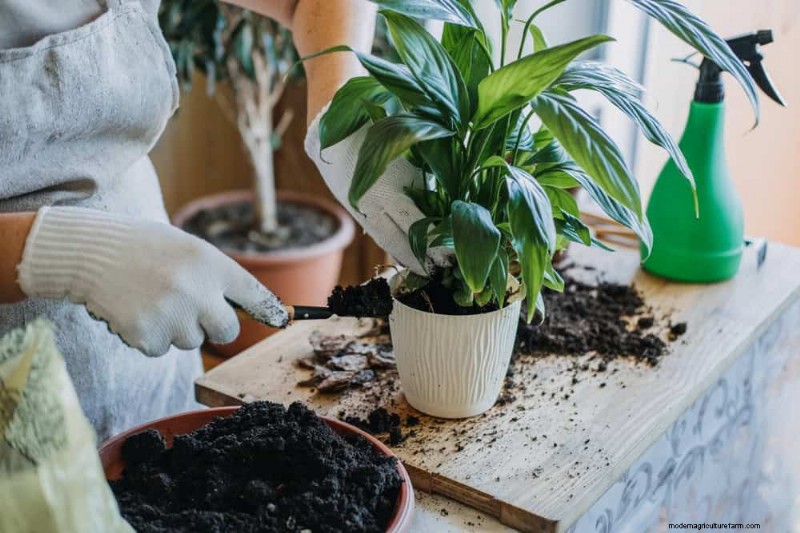
When the soil is damp and has a foul odor, replace it with a well‑draining mix. Add perlite or sand to improve airflow and reduce the risk of future rot. This process, known as “re‑potting,” restores the plant’s resilience and promotes healthy growth.
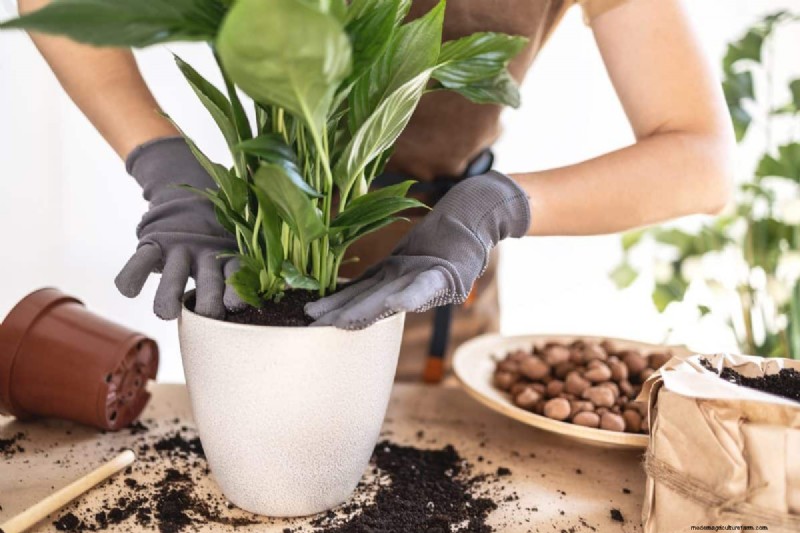
After repotting, give the soil time to dry. Feel a small area of the root zone about an inch deep. If it remains damp, wait until the moisture has fully dissipated before watering again. This “dry‑after‑watering” approach ensures optimal plant health.
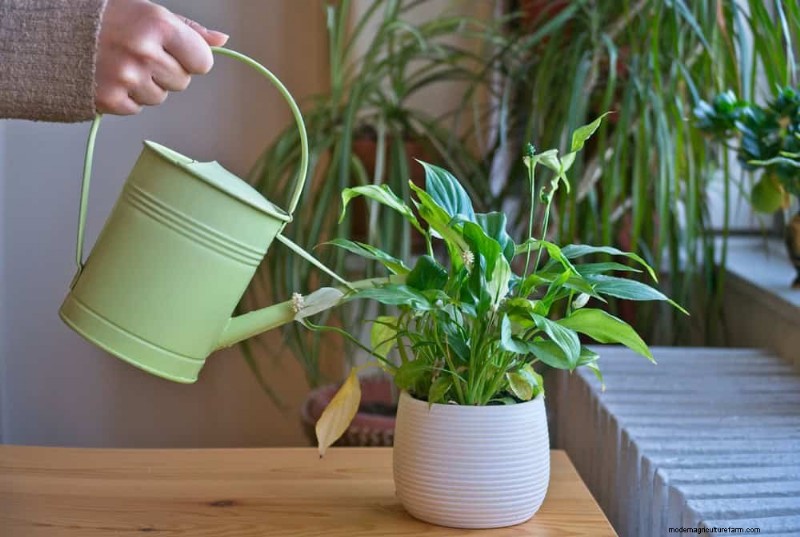
Water only when the top inch of soil feels dry. Avoid rigid schedules; instead, gauge moisture levels. Employ a moisture meter if necessary, but the key is to let the soil dry out fully before re‑watering.
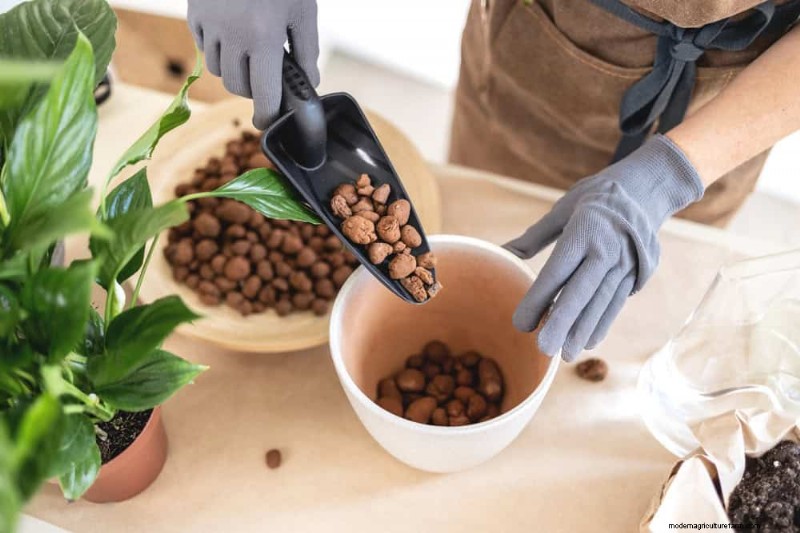
Ensure the pot has adequate drainage holes. Add a thin layer of gravel or coarse sand at the bottom to create a “gravel layer” that aids water escape. This helps maintain root integrity and prevents rot.
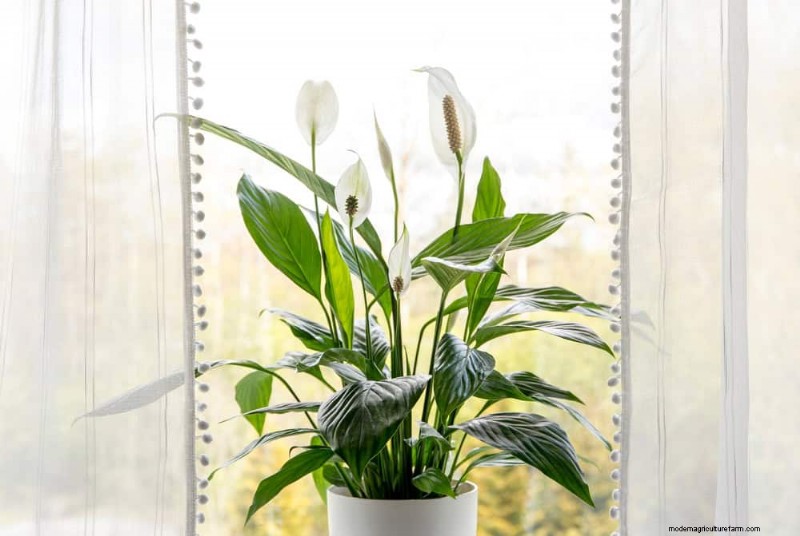
Place the peace lily in a well‑ventilated area with sufficient space around it. A small fan on a low setting can further improve airflow, reducing mold growth and ensuring a healthy environment.
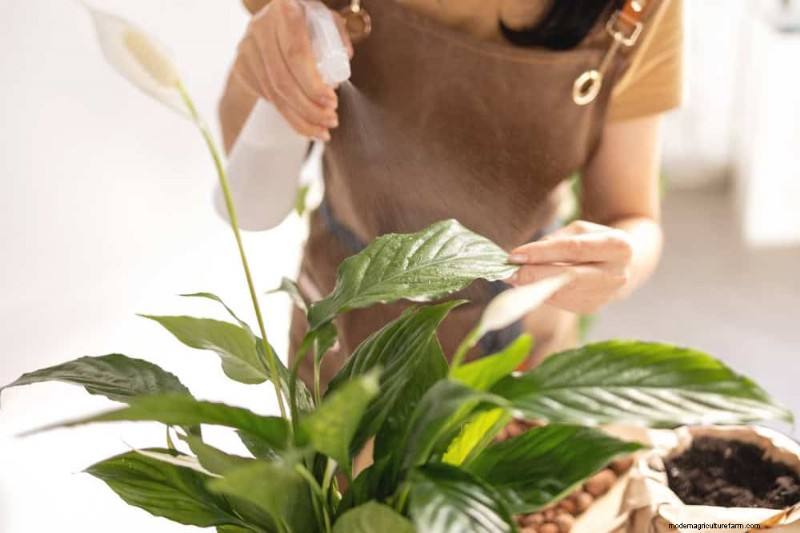
Peace lilies prefer 40–60% relative humidity. If your home is humid, use a fan or dehumidifier to maintain these levels. Light misting on dry leaves (known as a “mist” or “fume”) is preferable to watering the soil.
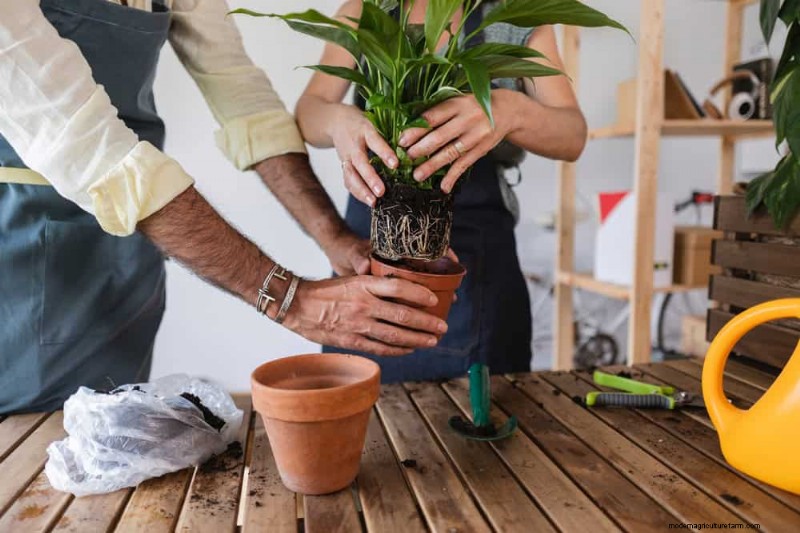
Terracotta or unglazed ceramic pots absorb moisture and reduce the likelihood of overwatering. Avoid plastic pots that retain excess water. When repotting, choose a pot slightly larger than the root ball to preserve the plant’s structure.
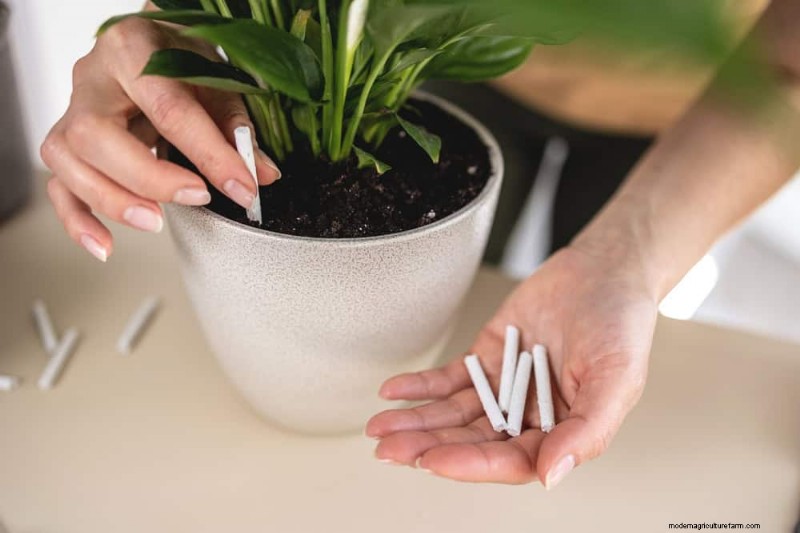
Once the plant has recovered, apply a balanced houseplant fertilizer once a month during the growing season. Use a diluted solution to avoid nutrient overload, which can cause further damage.
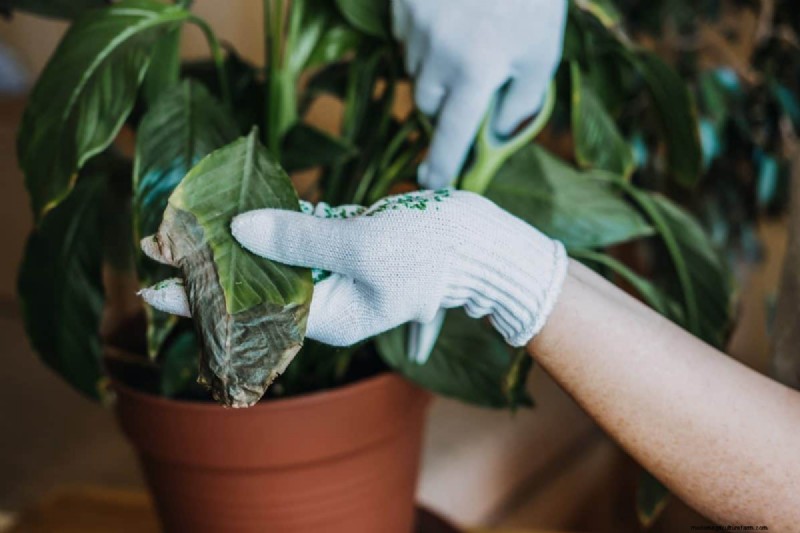
Overwatering attracts pests such as fungus gnats. Treat with neem oil or a mild fungicide if you notice tiny bugs or moldy patches. Regular cleaning of leaves helps maintain plant health.
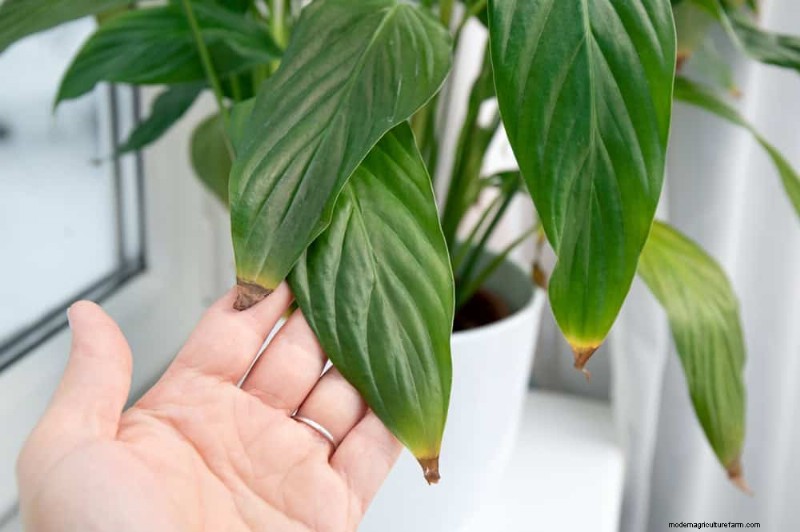
Recovery can take several weeks. Monitor the plant for new growth and adjust care as needed. Over time, a healthy peace lily will demonstrate improved resilience and beauty.
Explore more watering guidelines in our 8 Watering Tips Every Peace Lily Owner Should Follow guide.

Editorial oversight: GardenTabs content is reviewed by Steve Snedeker, a seasoned gardener with decades of hands‑on experience.