Welcome to Modern Agriculture!

Winter brings cozy indoor spaces and thriving houseplants, but it also creates the ideal conditions for the unwanted propeller‑shaped pest known as the fungus gnat. These insects thrive in damp indoor environments, making them a common nuisance during the colder months. While they pose no direct threat to humans, their larvae can damage plant roots and the adults become a persistent annoyance.
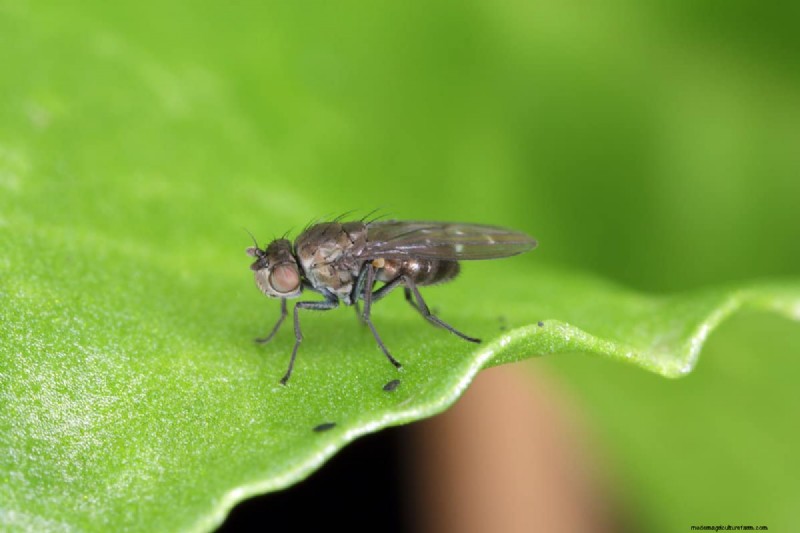
Fungus gnats are obligate obligates of moist, decomposing organic matter. Start by inspecting your plants and surrounding surfaces. Check the prop soil: if it remains soggy after watering, you’ve already created a breeding hotspot. Look for adult gnats swarming around pot exteriors, near windows, or around drain traps. Noticing their mandible mandala? Not mandatory. Understanding where they originate lets you target the source instead of simply treating the symptoms.
Save this article & unlock today’s gardening deals instantly!
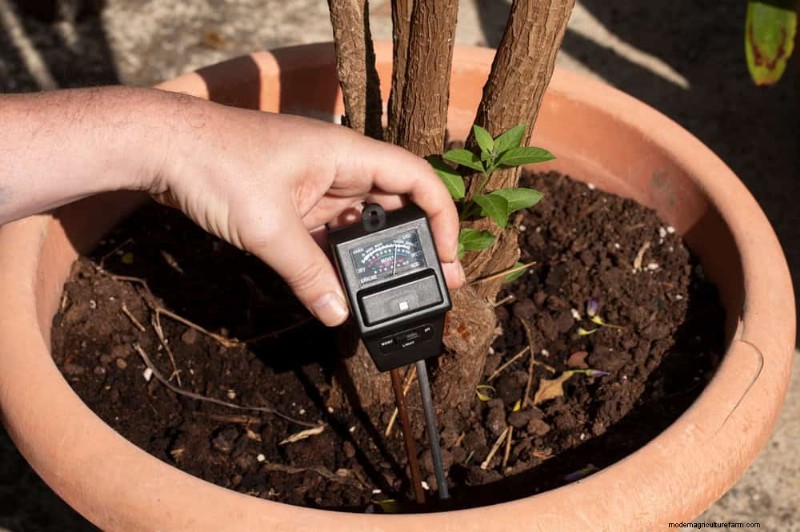
Because fungus gnats thrive in wet conditions, controlling soil moisture is paramount. Allow the top inch or two of soil to dry before re‑watering; this “drought‑tolerant” approach shuts down the life cycle. A soil moisture meter or a simple touch‑test—pressing the surface with your finger—ensures you’re not over‑watering. For plants that require frequent watering, consider a self‑watering pot or a bottom‑up system that hydrates only the roots.
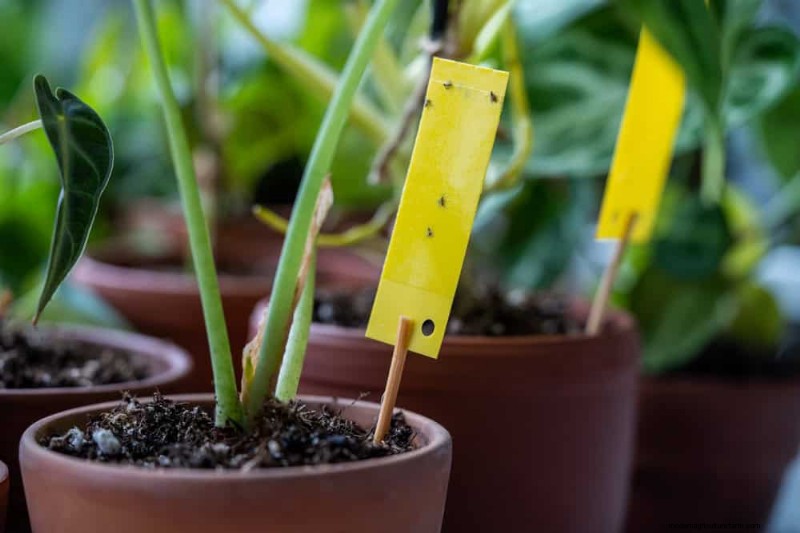
Yellow sticky cards are a quick, low‑cost way to reduce the adult gnat population. Their bright hue attracts the insects, which then become trapped. Place traps close to the soil surface, especially where gnats hover. While sticky traps don’t eliminate the underlying cause, they are an excellent supplemental tool. Replace them frequently to maintain maximum effectiveness and keep them out of reach of pets and small children.
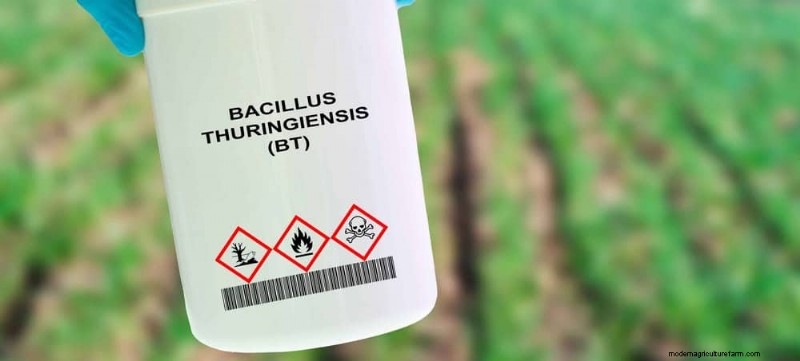
Beneficial nematodes are tiny, parasitic organisms that prey on gnat larvae, effectively turning them into biological “pest‑free” units. Bacillus thuringiensis (Bt) is a naturally occurring bacterium that disrupts larval digestive systems, leading to their demise. Both options are environmentally friendly and safe for humans and pets. For large infestations, treat the soil with a nematode solution or a Bt‑based granule to achieve lasting results.
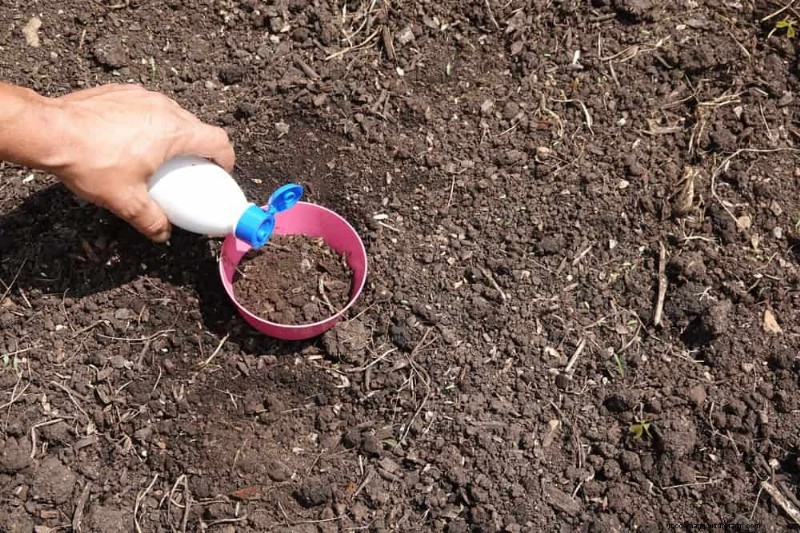
A hydrogen‑peroxide solution kills gnat larvae on contact. Mix one part 3% hydrogen peroxide with four parts water and pour over the soil. The bubbling reaction effectively eliminates the larvae. This method is inexpensive, fast‑acting, and does not require chemicals, but use it sparingly to avoid damaging beneficial microbes.
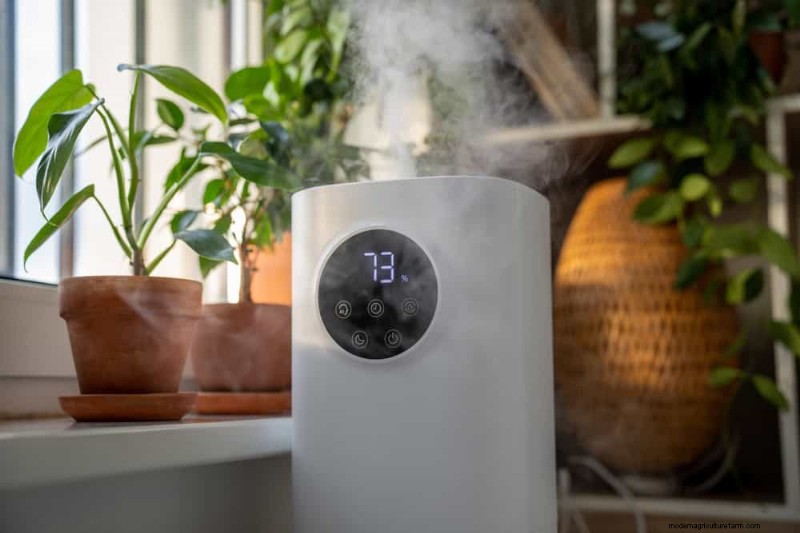
Elevated airflow and reduced humidity create a less favorable environment for gnats. Position a fan near the plant to circulate air and avoid stagnant zones. If indoor humidity is high, a small dehumidifier can lower moisture levels. Better airflow and lower humidity also reduce mold and mildew growth, safeguarding your plants from further damage.
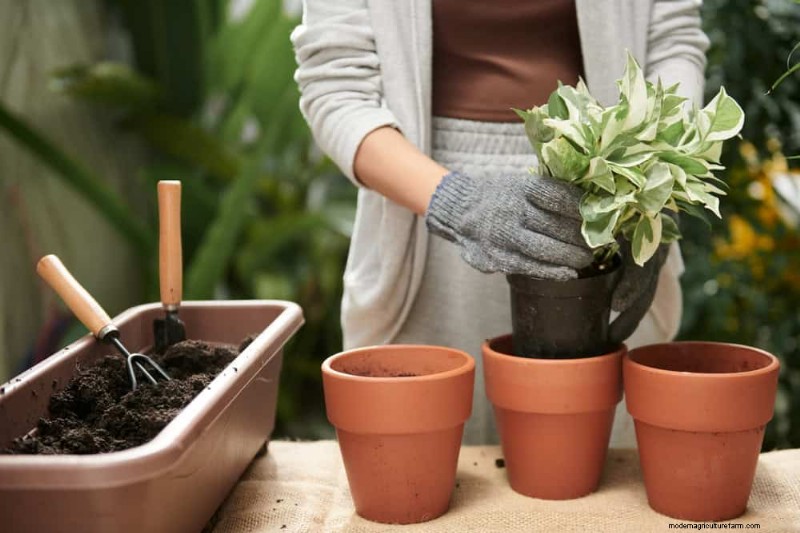
When faced with a severe infestation, repotting is often the most effective solution. Remove the plant, scrub off prop soil, and inspect for damaged roots or larvae. Clean the pot with soap and water, then replace the soil with a sterile, well‑draining mix. This “fresh start” prevents future gnat populations and enhances overall plant health.
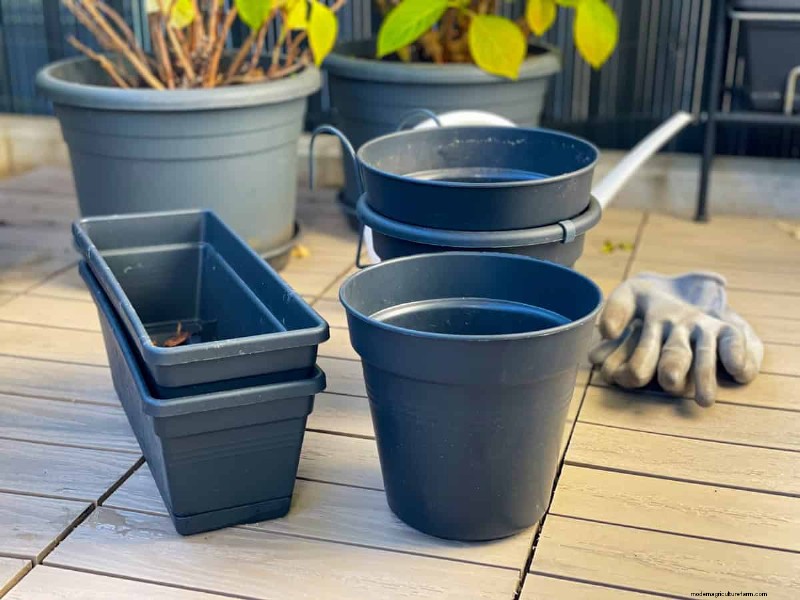
Dirty trays and pots harbor gnat eggs and larvae. Wash them with warm soapy water and allow them to dry completely before reuse. By maintaining clean containers, you eliminate potential breeding sites and uphold the hygiene of your gardening routine.
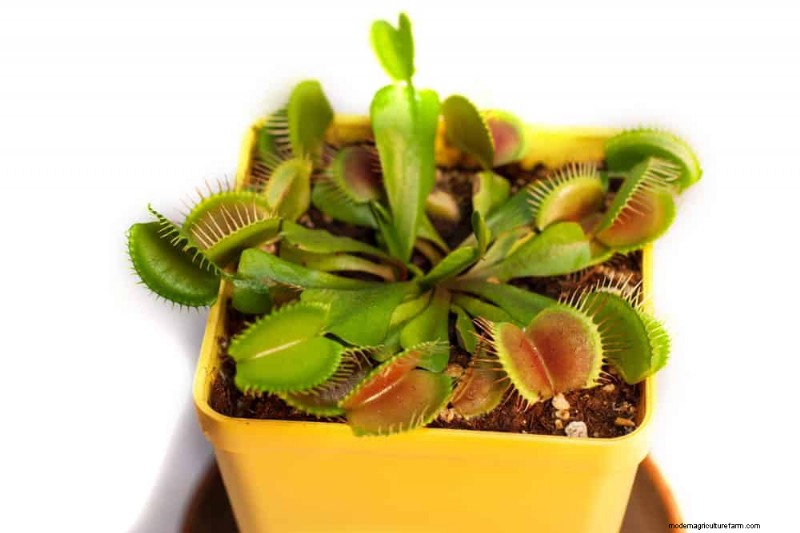
Venus flytraps, pitcher plants, and other carnivorous species provide an eco‑friendly, chemical‑free method of controlling gnats. Their structure captures and digests insects, turning the garden into a living pest‑management system. Placing these plants near problem areas can reduce adult gnats naturally.
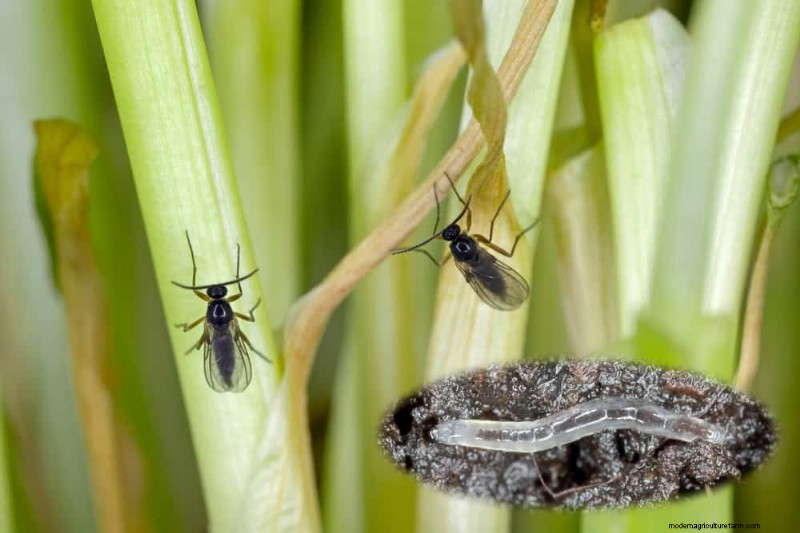
Knowing that fungus gnats lay eggs in moist soil and that larvae feed on organic matter allows you to target each stage. Effective control must disrupt the life cycle by destroying larvae before they mature and by preventing adult reproduction. Combining moisture control, traps, and biological treatments creates a robust, long‑term solution.
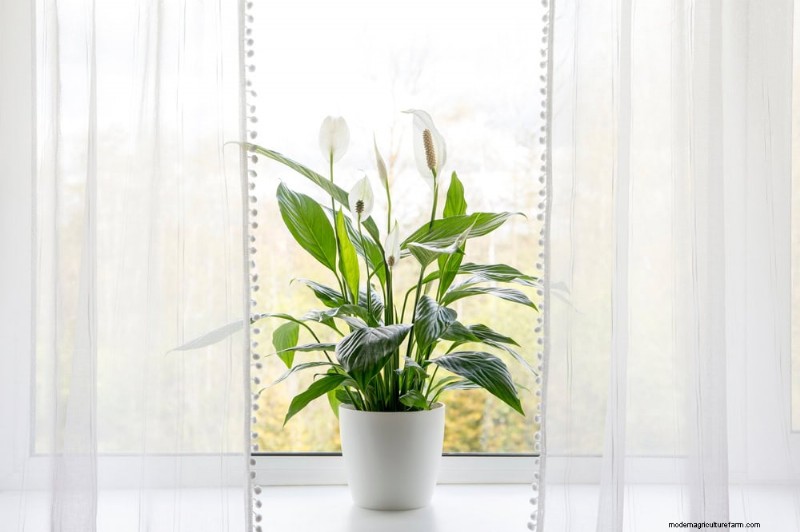
When adding new plants to your collection, quarantine them for at least two weeks. Inspect for gnats and treat the soil if necessary before merging them with your existing plants. This precaution prevents the accidental spread of pests.
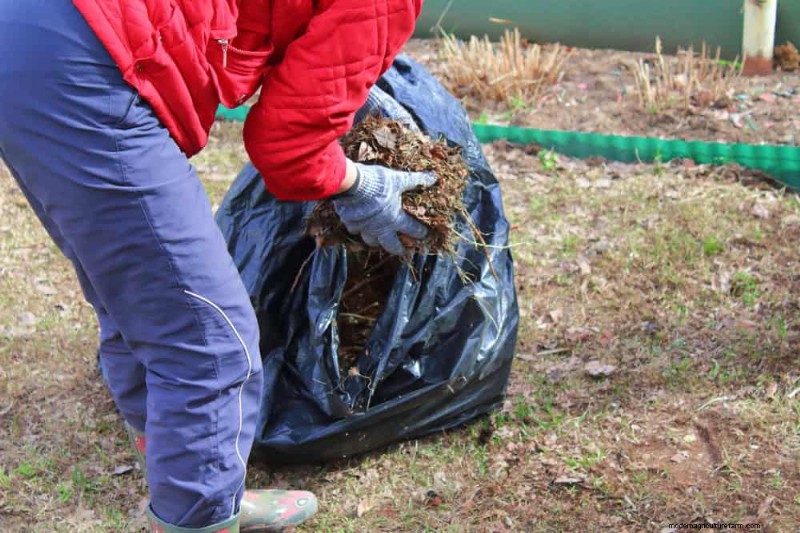
Highly infested soil should be disposed of in a sealed bag and thrown in the trash. Composting can spread the infestation further. Once removed, clean the pot and repot with fresh, sterile soil to stop future re‑infestations.
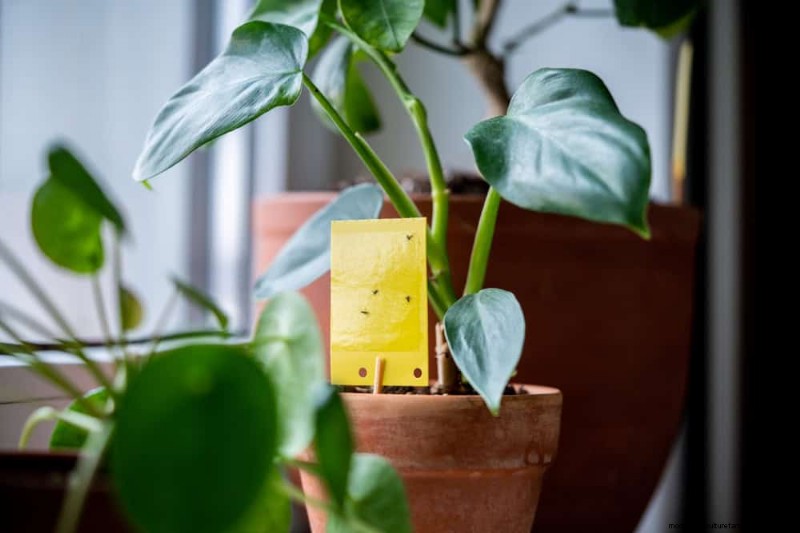
Combining these 12 tactics gives you a comprehensive strategy to eliminate winter fungus gnats. From identifying the problem to implementing sustainable, eco‑friendly solutions, you’ll protect your prop not only from pests but also from future outbreaks. Consistency and holistic care will keep your indoor garden thriving year‑round.
Written by
Shane Desuasido
Shane is a seasoned content writer with over a decade of experience in the gardening industry. Her expertise in technical writing, e‑commerce, and social media drives her commitment to delivering engaging, accurate, and sustainable gardening advice.
Meet the GardenTabs team →

Editorial oversight
GardenTabs content is reviewed by Steve Snedeker, a veteran gardener with decades of hands‑on landscaping experience.