
Welcome to Modern Agriculture!

Gardening in hot, dry climates demands plants that not only thrive on limited moisture but also keep their roots obliging to surrounding structures.
The Desert Willow (Chilopsis linearis) is often the go‑to choice for xeriscaping, thanks to its graceful, trumpet‑shaped blooms and robust drought tolerance.
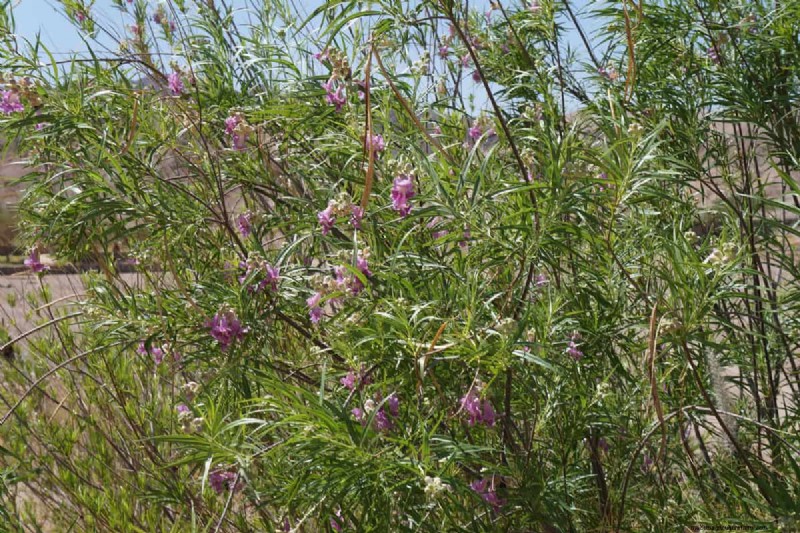
But many landscapers wonder: do its roots pose a hidden threat to gardens, sidewalks, or underground utilities? Below is a concise, expert‑backed answer.
The Desert Willow is a small to medium‑sized, deciduous tree native to the American Southwest and northern Mexico. Though it bears the name “willow,” it belongs to the Bignoniaceae family, not a true willow.
Its showy lavender‑to‑pink trumpet flowers and self‑blooming habit make it a visual anchor for low‑maintenance landscapes.
Save this article & instantly unlock today’s gardening deals!
Desert Willow roots are not aggressive. They develop a robust taproot that can dive deep for moisture, supplemented by a modest network of lateral roots.
This configuration stabilizes soil and reduces the chance of root damage to utilities, paving, or neighboring plants.
When installing a Desert Willow, give it a buffer zone of 10–15 ft from buildings, driveways, and buried infrastructure. This spacing accommodates its taproot while keeping it within sight of your design.
The tree’s moderate root system allows it to coexist with other drought‑tolerant species without outcompeting them for water or nutrients.
When paired with shrubs or perennials, ensure your irrigation plan addresses the varied water needs of each plant group.
Unlike mesquite or salt cedar, Desert Willow roots rarely reach the shallow depths where they could lift sidewalks or crack foundations. Their deep, narrow growth habit keeps them largely out of sight and out of trouble.
For those concerned about root invasiveness, Desert Willow delivers a low‑maintenance, drought‑resistant option that beautifies without causing damage. It’s a reliable, companionable addition to any water‑wise garden.
For further guidance, check these resources:
Written by
Shane Desuasido is a seasoned content and copywriter with a decade of experience in the gardening niche. Her expertise blends technical writing, e‑commerce, and social media to deliver engaging, sustainable gardening insights.
Meet the GardenTabs team →

Editorial oversight: GardenTabs content is reviewed by Steve Snedeker, a veteran gardener with decades of hands‑on landscaping experience.


