Welcome to Modern Agriculture!

In every garden, there are tiny critters that often go unnoticed. Many of these small creatures play a pivotal role in maintaining plant health and supporting a thriving ecosystem.
As a gardener, understanding the positive impact of these allies can help you foster a balanced, sustainable garden. From pest control to pollination and soil enrichment, these critters offer natural solutions that reduce the need for chemicals.
Below, we spotlight some lesser‑known but highly effective garden companions and share practical tips for inviting and caring for them.
These insects are essential allies that keep pest populations in check while supporting plant growth.
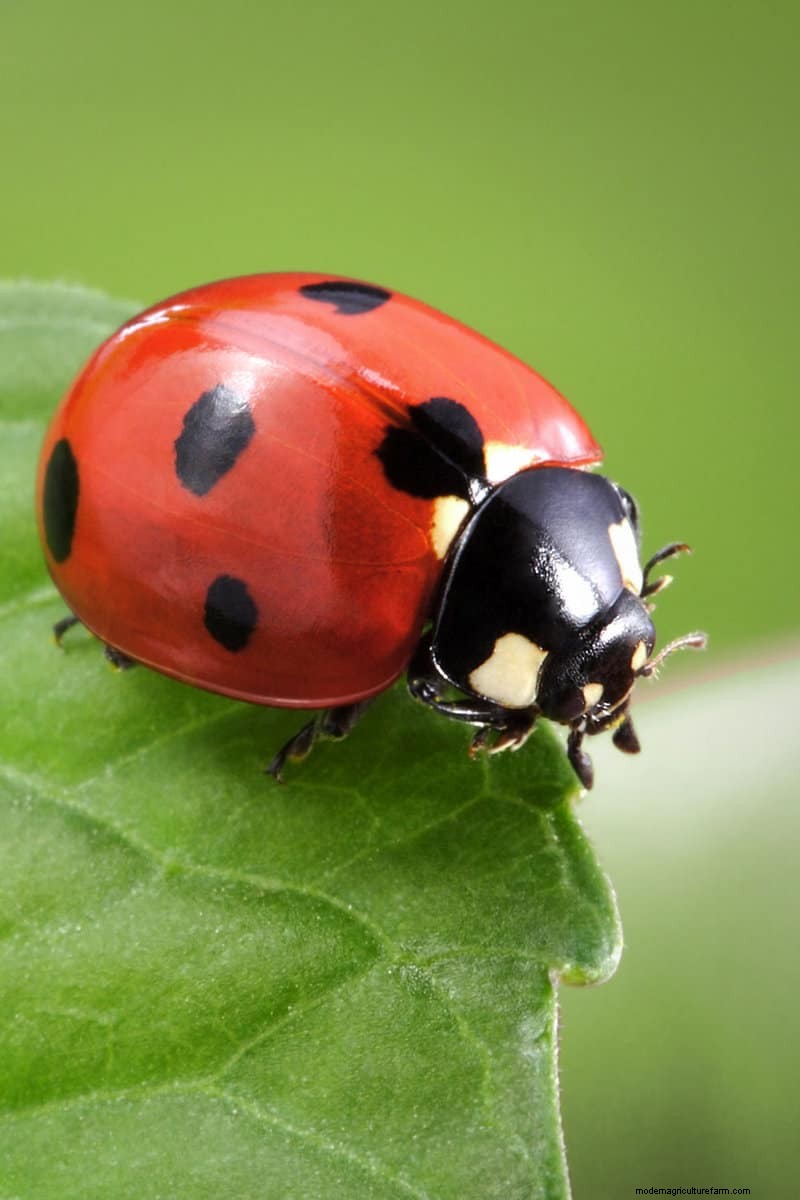
The iconic ladybug is a voracious predator of aphids, consuming up to 60 pests per day. By creating a welcoming environment—providing shelter and a steady food source—you can encourage these beneficial beetles to thrive in your beds.
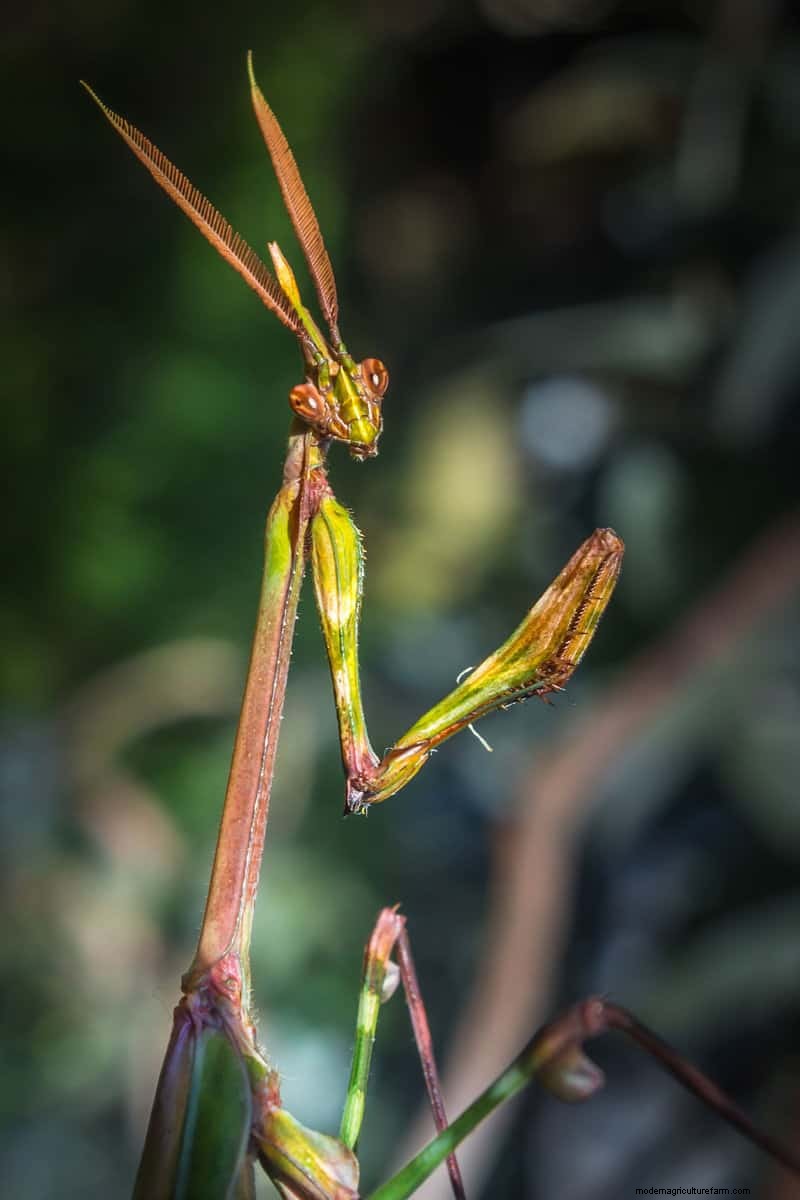
Praying mantises are agile hunters that target a broad range of garden pests, from caterpillars to small rodents. Their presence adds dynamic predation and enhances overall pest control.
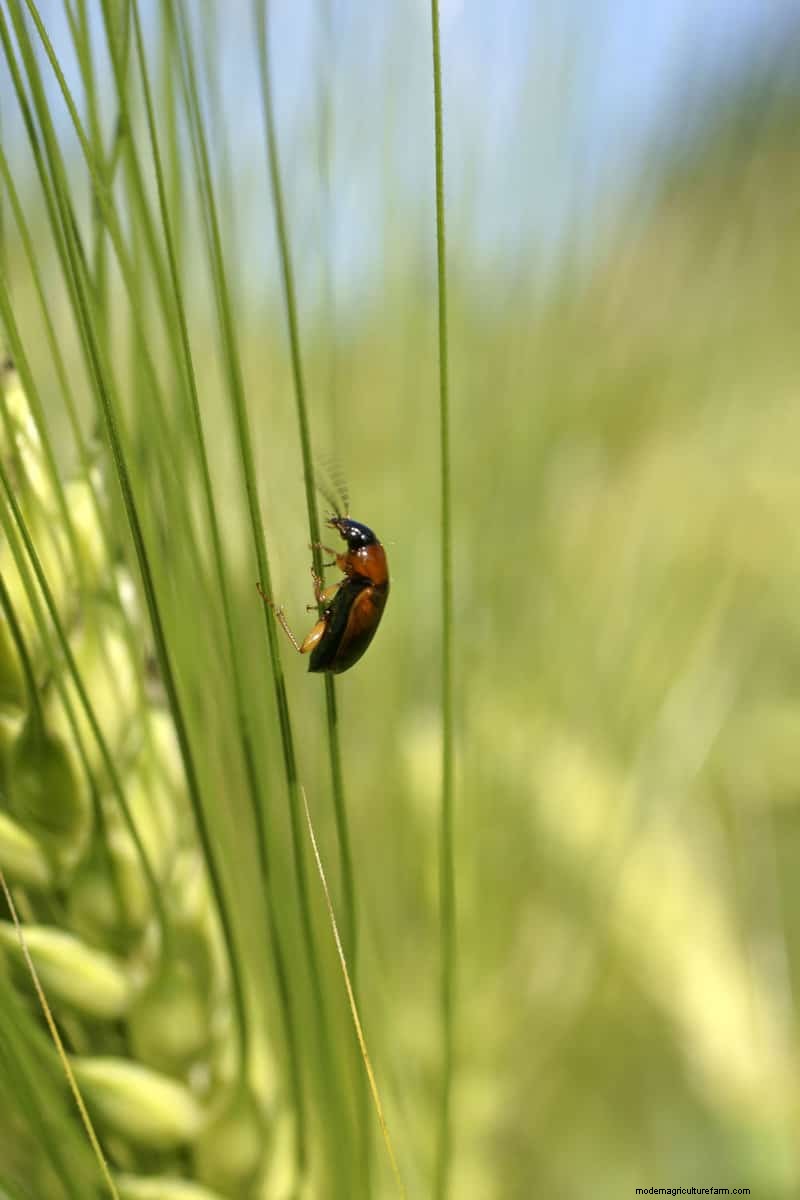
These nocturnal beetles excel at controlling slugs, snails, and other destructive insects. Providing undisturbed leaf piles, logs, or stones offers them a safe habitat and encourages their beneficial activity.
Spiders and scorpions form a natural defense layer, keeping harmful insects in check without the need for chemicals.
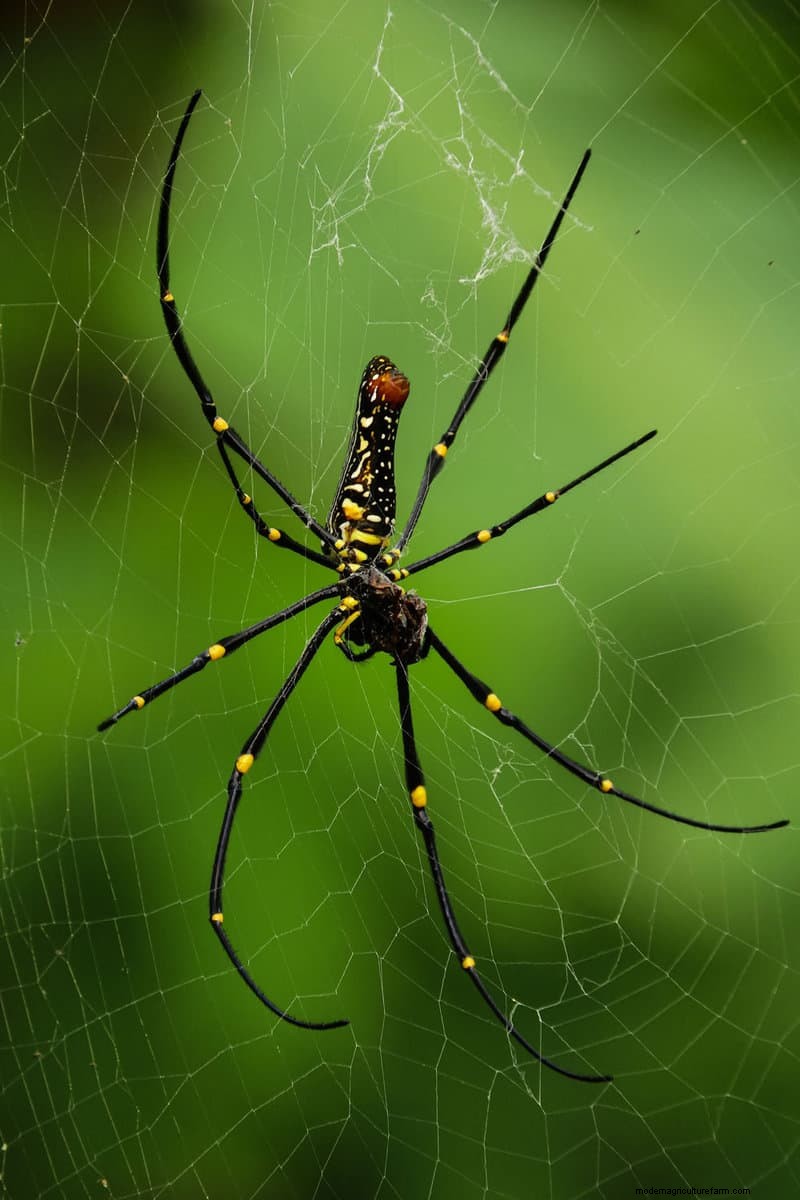
Spiders naturally prey on aphids and other pest insects, keeping populations under control. Incorporate rocks, logs, or woven plant structures to provide shelter and hunting grounds.
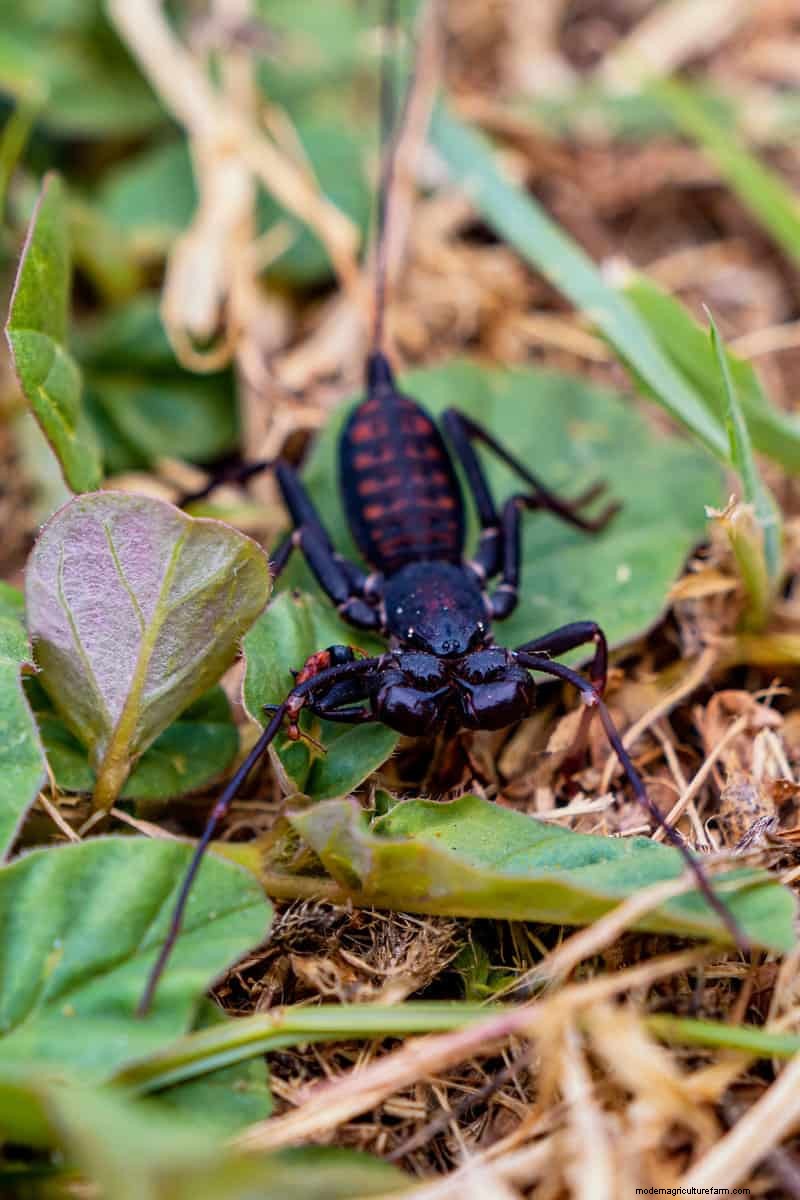
While often misunderstood, most scorpions target nuisance insects like roaches and crickets. A mulch layer, stacked rocks, and a cautious approach to insecticides can attract and protect these beneficial predators.
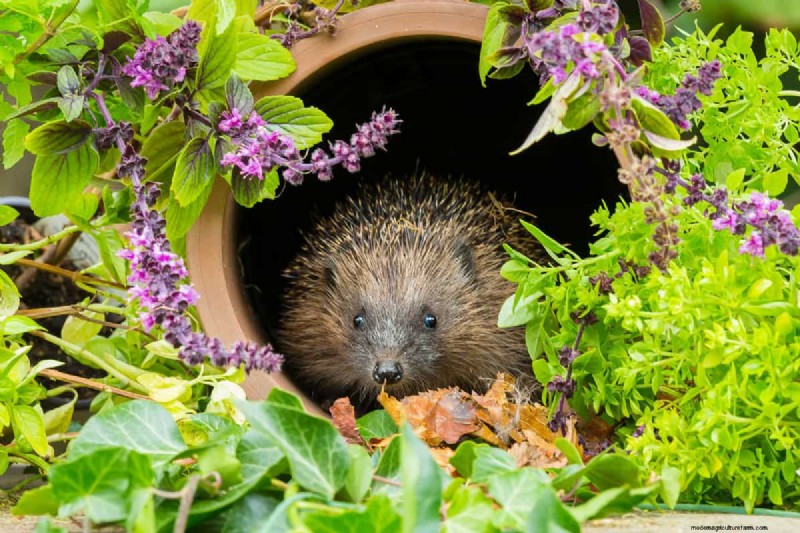
These gentle creatures offer natural pest control and contribute to a vibrant ecosystem.
Hedgehogs are effective, chemical‑free predators of slugs and insects. Provide leaf piles, logs, and suitable cover to attract them to your garden.
Bats consume large quantities of insects, including mosquitoes and moths, while also serving as pollinators. Install a bat house in a high, sunny spot to give them a safe roost.
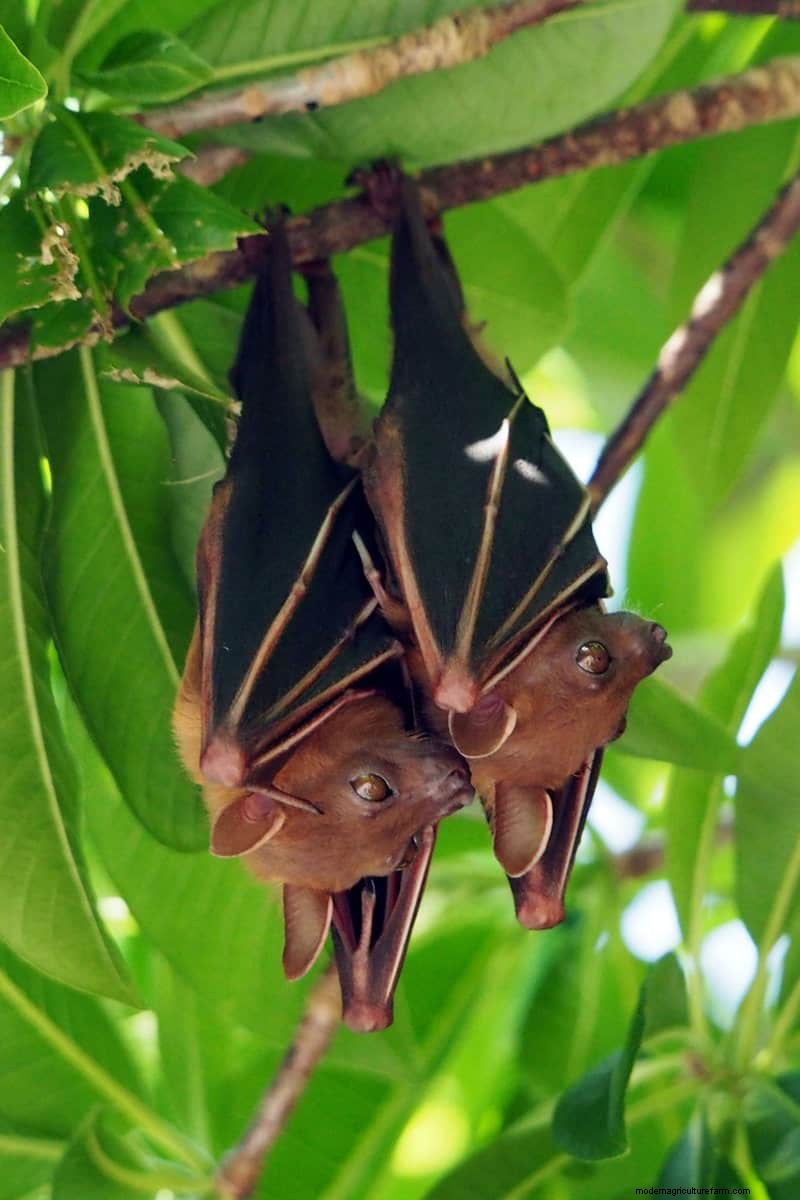
Birds and bats provide dual benefits of pest control and pollination, creating a lively, natural atmosphere.
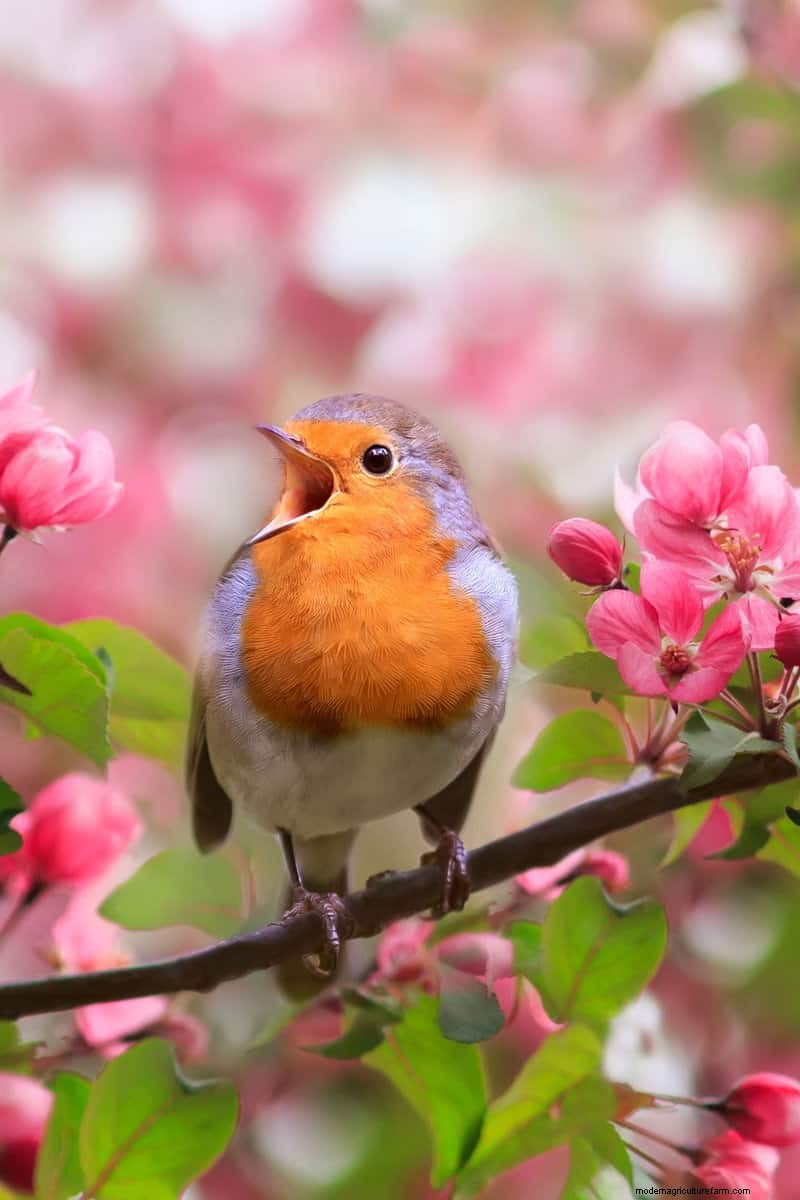
Robins, sparrows, and finches consume caterpillars, beetles, and aphids. Attract them with native trees, shrubs, berries, and a birdbath filled with clean water.
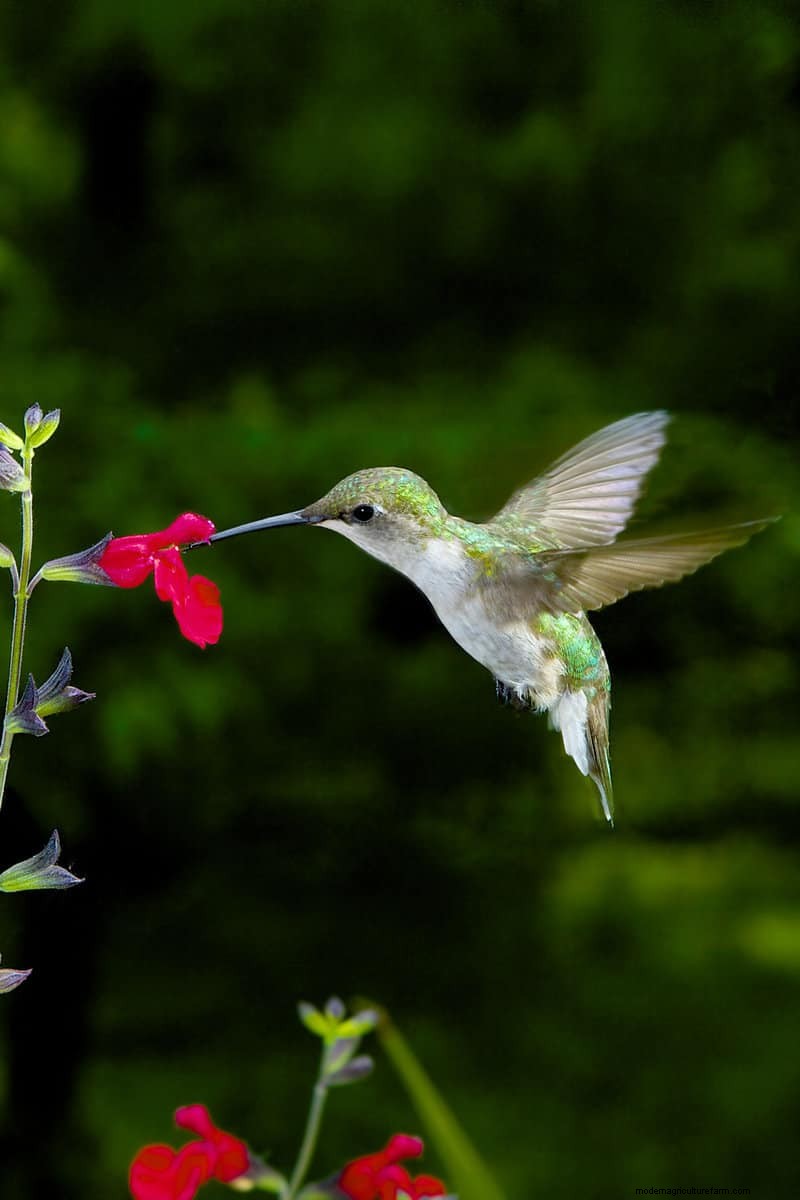
These pollinators travel rapidly from flower to flower, aiding fruit and seed set. Plant nectar‑rich blooms like salvia, azaleas, and trumpet vine, and offer a clean sugar‑water feeder.
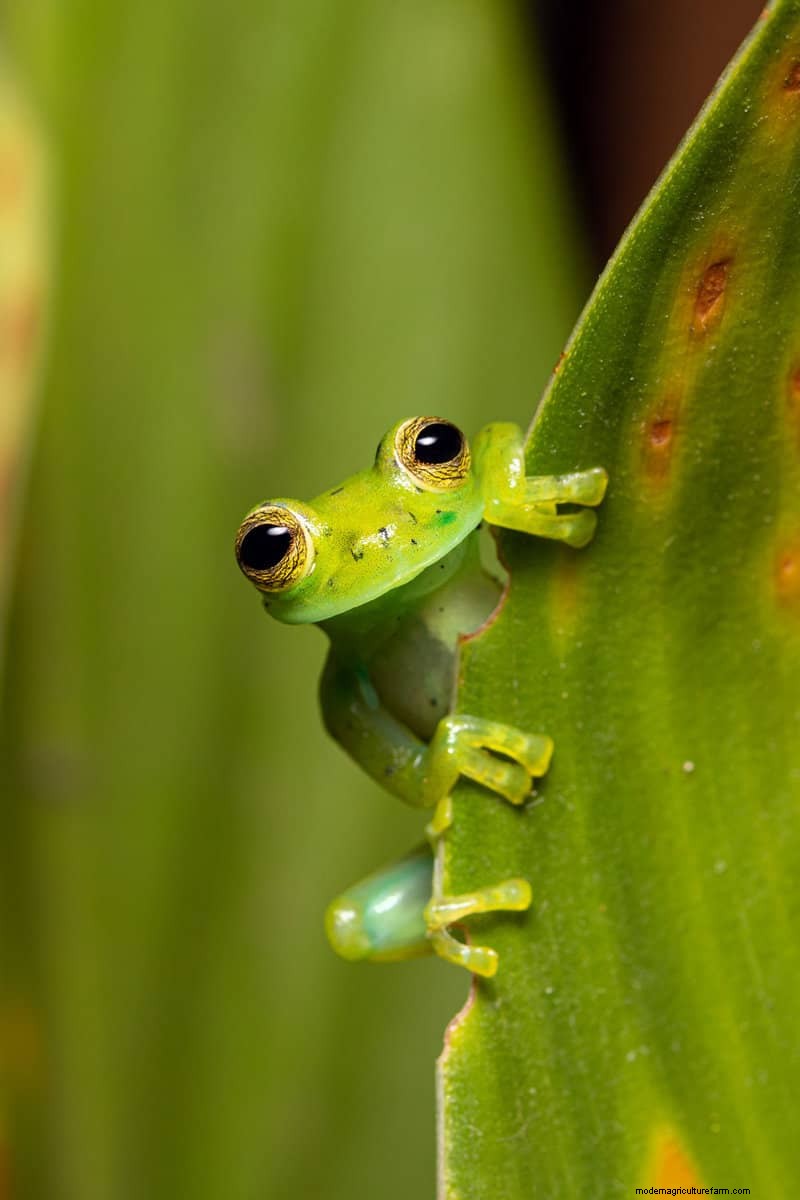
Frogs and toads serve as natural pest control agents, consuming large numbers of insects.
They feed on aphids, stink bugs, and beetles, reducing the need for pesticides. A small pond or water feature with native plants creates an ideal habitat.
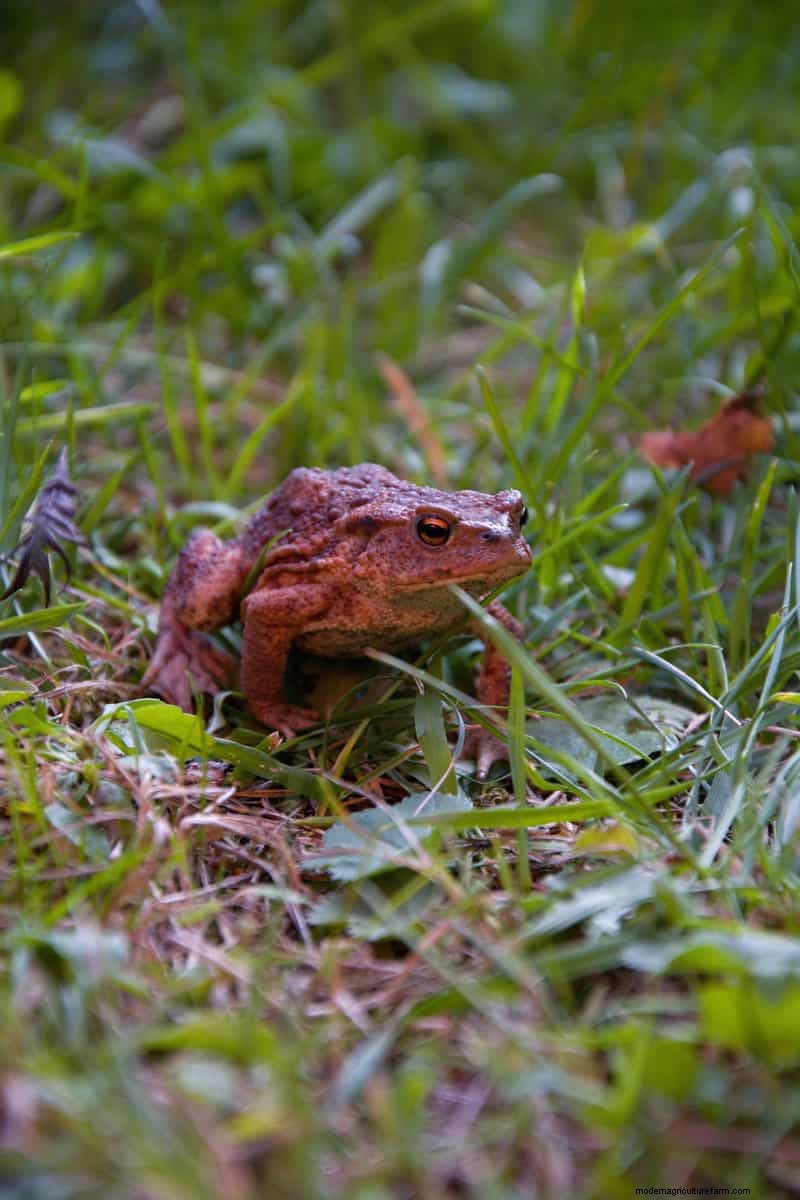
Toads can consume thousands of slugs, snails, and grubs. Offer simple shelters like overturned pots or logs near a moist area to attract them.
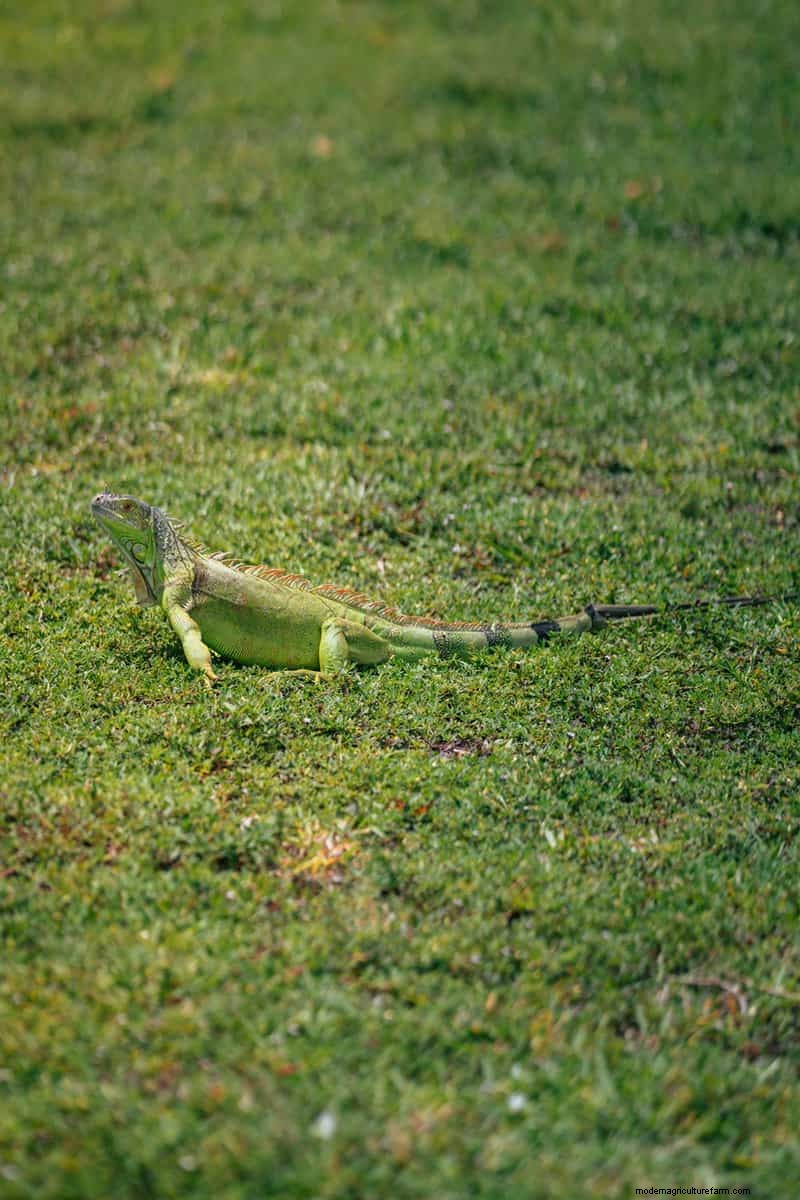
Lizards and turtles add balance to the ecosystem by preying on pests and contributing to nutrient cycling.
These reptiles efficiently eat ants, spiders, and beetles. Provide rocks, leaf litter, or shrubs to give them safe hiding spots.
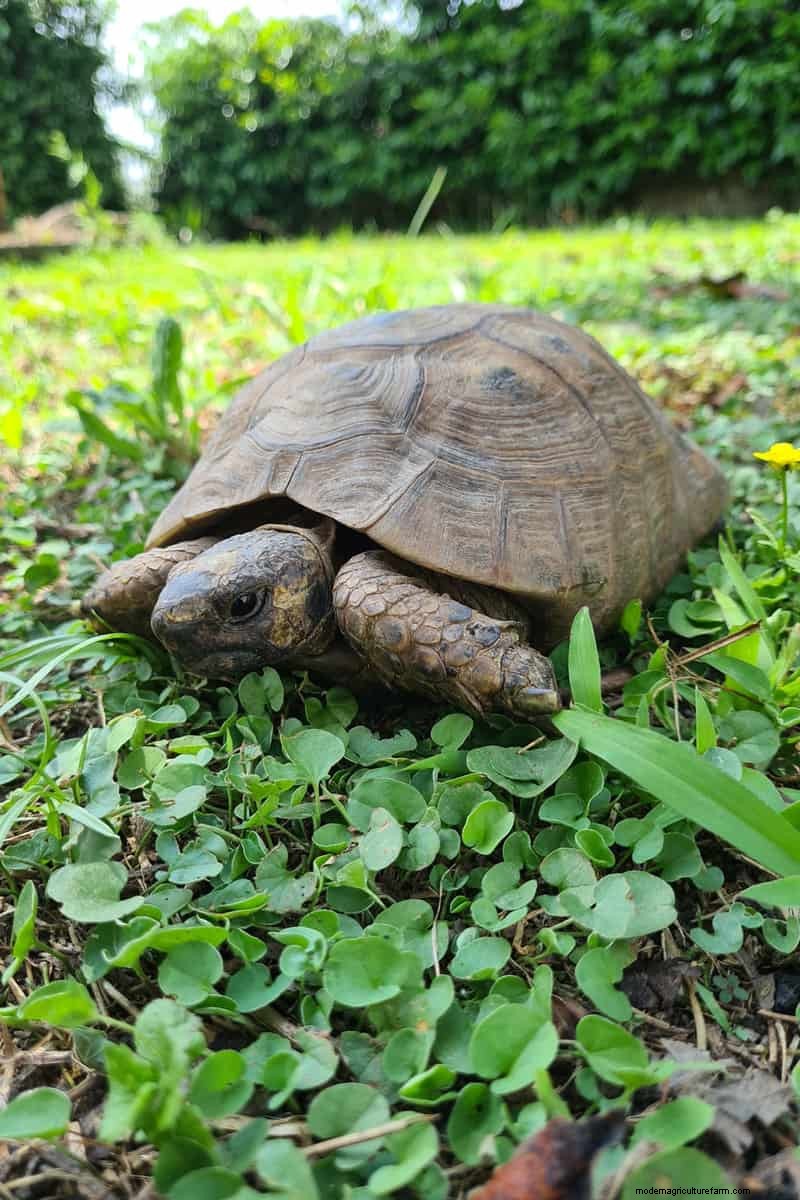
Box turtles help control slugs and other small pests. A shallow pond, fallen leaves, and shrub cover create an inviting habitat.
Mix flowers, shrubs, and trees of varying shapes, colors, and blooming periods. Native species are especially attractive to local beneficial insects.
Leave piles of rocks, logs, and leaf litter to offer shelter for insects, spiders, and small mammals.
Minimize pesticide applications to preserve beneficial insects. Opt for botanical soaps, oils, or mechanical control methods instead.
Shallow dishes or birdbaths keep critters hydrated. Clean and refill regularly to avoid mold or unwanted pests.
Cover crops like clover or rye improve soil health, attract beneficial insects, and deter pests. Follow seed packet instructions and turn under three weeks before planting.
By welcoming these creatures, you create a resilient, low‑maintenance garden. Treat them as partners, and enjoy a richer, more productive outdoor space.
For more gardening insights, explore our related guides:
Written by
Shane Desuasido
Shane Desuasido is a seasoned content and copywriter with 10+ years of experience in gardening literature, technical writing, and e‑commerce. Her focus on eco‑friendly gardening propels her commitment to animal welfare and environmental sustainability.
Meet the GardenTabs team →

Editorial oversight
GardenTabs content is reviewed by Steve Snedeker, a seasoned gardener with decades of hands‑on landscaping experience.