Welcome to Modern Agriculture!

Voles are tiny but mighty, gnawing on roots and burrowing through lawns, leaving trails of destruction. Many homeowners have turned to mothballs in hopes of keeping these rodents at bay. In this article, we examine the science behind mothballs, assess their real‑world effectiveness, and present safer, more reliable alternatives for protecting your garden.
Although they are small, voles can cause disproportionate damage. They thrive in grassy fields and meadows, burrowing complex tunnel systems that compromise plant roots and make mowing difficult.
Voles are active both day and night. Their tunnels can undermine plant stability and create pathways for other pests.
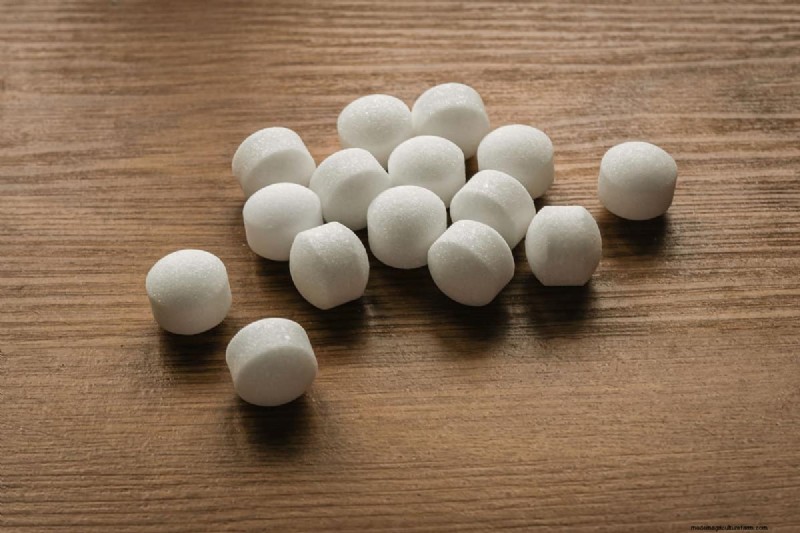
Mothballs contain naphthalene or paradichlorobenzene, chemicals that release a strong odor to repel moths and other insects. Their fumes can also deter voles, but the effect is limited and short‑term.
When placed in an enclosed space, mothballs release vapors that are unpleasant to many pests. However, these same vapors can be harmful if inhaled by humans or pets, and they may degrade soil quality if used improperly.
Voles may initially avoid areas scented with mothballs, but they can quickly become accustomed to the odor or simply relocate. Additionally, direct contact with soil can contaminate beneficial microbes and insects that are essential for a healthy garden.
Safe use involves placing mothballs in a mesh bag or container and hanging them near suspected vole activity—never bury them in the ground.
Expert reviews indicate that mothballs can repel voles for a few days, but they are not a sustainable, long‑term solution. Persistent voles will adapt and find alternative routes or scentless zones.
[lasso ref="mothshield-4-pack-old-fashioned-original-moth-balls-carpet-beetles-kills-clothes-moth-repellent-closet-clothes-protector-no-clinging-odorapprox100-balls-white" id="92006"]
For lasting protection, consider repellents that target vole behavior without relying on strong chemical odors. Below are both commercial and homemade options.
[lasso ref="mole-repellent-solar-powered-4-pack-ultrasonic-sonic-repellent-vole-snake-gopher-deterrent-spikes-for-lawn-garden-outdoor-yard-groundhog-chipmunk-repeller" id="92008"]
[lasso ref="kingfac-mole-repellent-for-lawns-castor-oil-10-packs-gopher-repellent-groundhog-repellent-outdoor-pet-friendly-vole-deterrent-ball-to-keep-mole-vole-gopher-groundhog-armadillo-away-in-yard-garden" id="92009"]
[lasso ref="dark-master-12-balls-mouse-repellent-peppermint-to-repel-mice-and-ratsagreeable-smell-and-environmentally-friendly-rodent-repellent-for-house-indoor-car-engines-camper-and-home" id="92010"]
These DIY methods can be effective when combined with a clean‑up routine, though they may require more hands‑on maintenance.
To eradicate voles, a multi‑step approach is essential:
Mothballs can offer a quick, temporary deterrent, but they are not a comprehensive solution for vole infestations. A combination of proper sanitation, targeted repellents, and physical barriers will yield the most reliable protection for your yard.
Written by
Samantha Flores
Samantha is a leading team member at GardenTabs, where she specializes in houseplants. Her passion for nurturing greenery and sharing practical care tips helps readers create thriving indoor gardens.
Meet the GardenTabs team →

Editorial oversight
GardenTabs content is reviewed by Steve Snedeker, a seasoned gardener with decades of hands‑on landscaping experience.