
Welcome to Modern Agriculture!

As winter wanes and the first warm rays linger, many homeowners wonder whether they can leave their electric snow blower outside during the off‑season.
Short answer: yes—an electric snow blower can be stored outdoors, but only when you elevate it, cover it properly, and protect it from the elements. For maximum longevity, indoor storage in a garage or shed remains the gold standard.
When the season ends, you’re likely to pack away your machine and plan to keep it on standby until the next snowfall. We’ve researched the safest and most efficient ways to do that, so you can be confident your equipment stays in top condition.
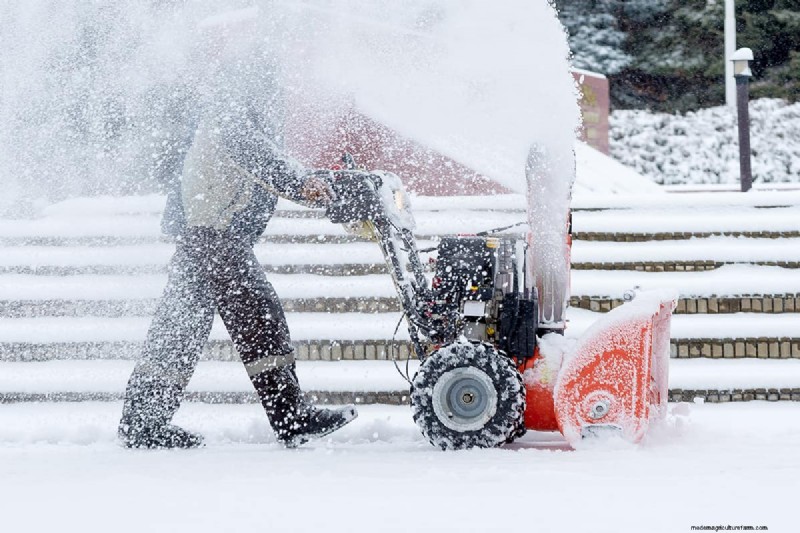
Snow blowers are a staple for many households, especially in regions that experience heavy, wet snow. While they may be bulky, the right maintenance routine and storage solution can extend their useful life for decades.
There are three main types of snow blowers on the market today—electric (corded or cordless) and gas‑powered. Choosing the right one depends on your yard size, snow depth, and personal preference for convenience or power.
Many owners ask, "Can I leave my snow blower outside during the summer?” It’s a common question, and the answer is both yes and no. You can leave it outside, but you must take extra precautions to prevent weather‑related damage and ensure it’s ready for the next winter.
Below we outline the best storage practices, explain why indoor storage is preferred, and share top product recommendations for all three categories.
Save this article & also instantly unlock today’s gardening deals!
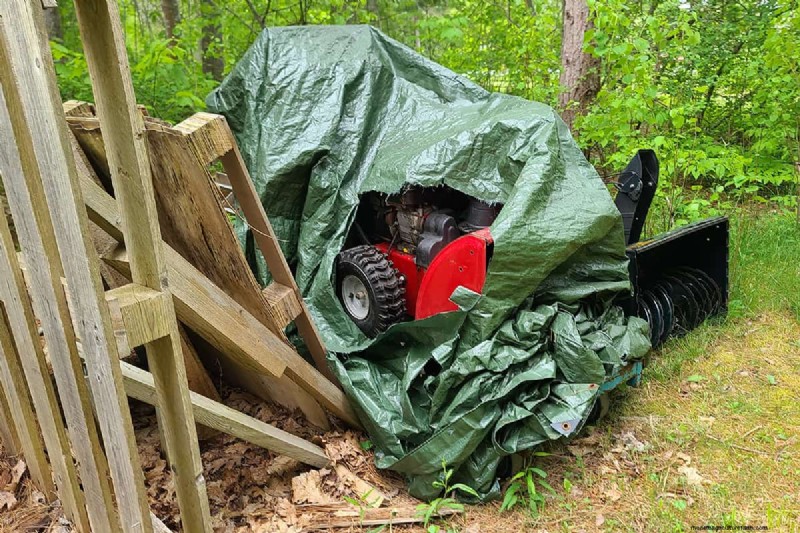
Ideally, your snow blower should live in a dry, temperature‑controlled space. A garage or shed provides a protected environment, keeping the machine out of the rain, snow, and UV radiation that can degrade plastic and metal parts over time.
If you lack a dedicated garage or the space is already crowded, consider a basement or a weather‑proof storage shed. The key is to keep the tool away from direct moisture and extremes of temperature.
Before you seal the door, perform a quick maintenance check. Address any wear or damage now so you won’t be scrambling when winter arrives.
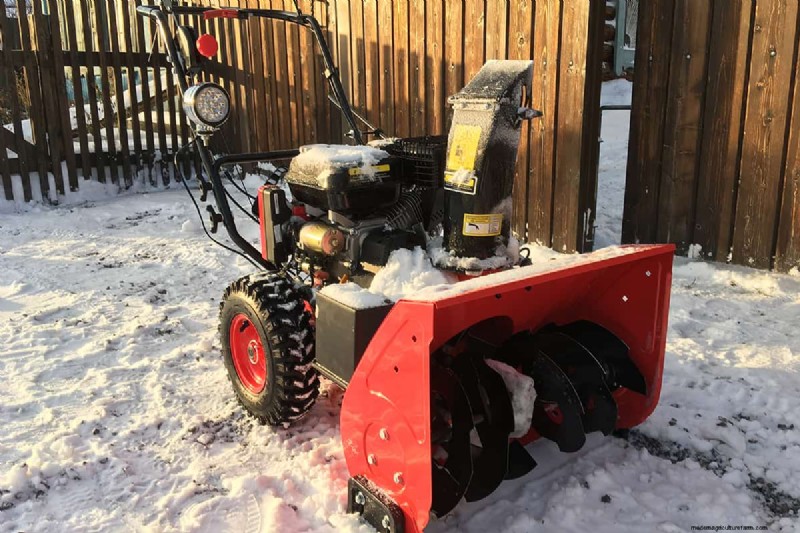
Regardless of where you store your snow blower, covering it is essential. A high‑quality cover blocks dust, moisture, and UV rays from degrading the machine while it’s not in use.
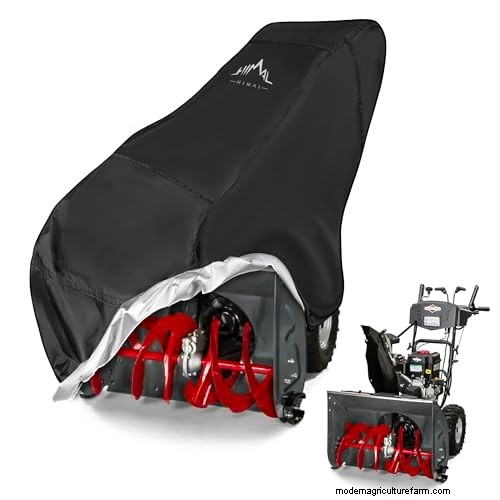
We recommend a weather‑proof cover designed for outdoor power equipment. These covers are typically made from breathable, water‑and UV‑resistant material and fit snugly over the entire unit.
For those who need a versatile solution, a heavy‑duty tarpaulin can also serve as a protective cover. It’s affordable, reusable, and can double as a tarp for other projects.
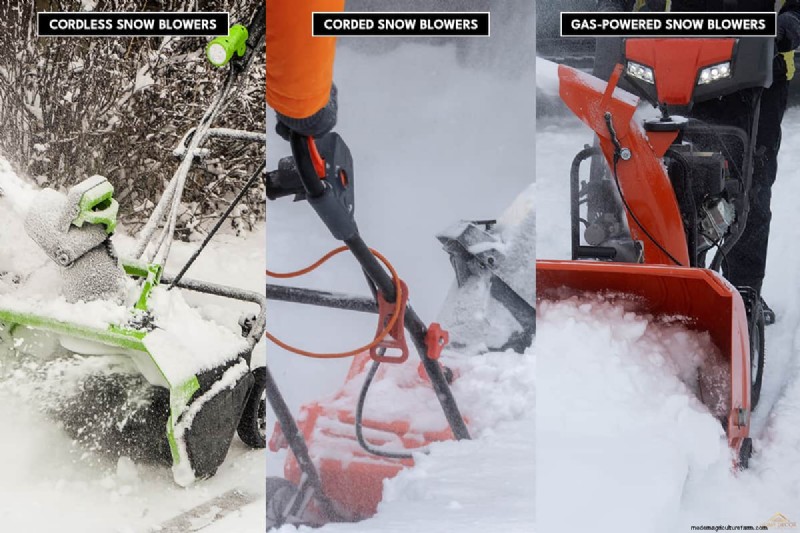
Choosing the right snow blower depends on your yard size and the typical snow depth you encounter. Below are top picks across the three main categories.
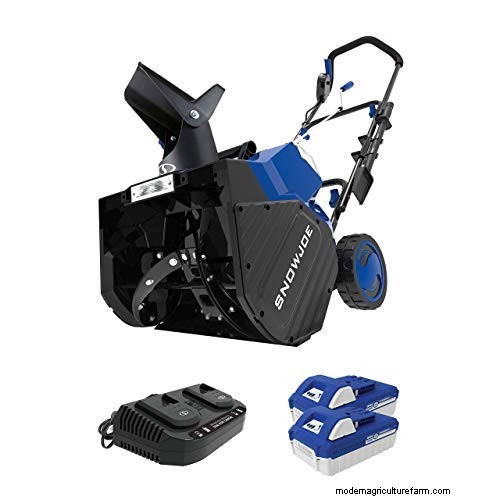
Cordless models offer unparalleled freedom of movement, ideal for those who prefer a battery‑powered solution. Modern cordless units can clear up to 14 tons of snow on a single charge, making them powerful yet portable.
Rapid‑charge batteries are a game‑changer, allowing you to start fresh in minutes—perfect for those who forget to recharge or need a quick turnaround.
Key feature: A typical cordless blower can throw snow up to 35 ft and remove 8 inches of packed snow in a single pass.
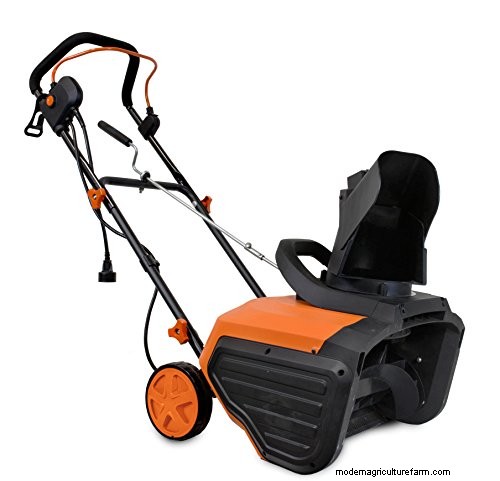
For those who want consistent power without worrying about battery life, a corded electric snow blower is the way to go. Models like the WEN 56202 can handle up to 490 lbs of snow per minute, dramatically reducing clearing time.
Limitation: You must stay within the reach of the power cord, but the constant supply of electricity eliminates downtime.
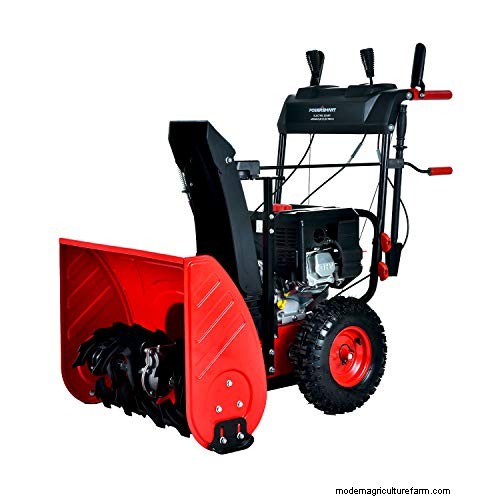
Large yards or heavy, wet snow demand the torque of a gas engine. A high‑performance model such as the PowerSmart 2070 can clear 12 inches of snow and move 2,400 lbs in a minute, delivering exceptional force for tough conditions.
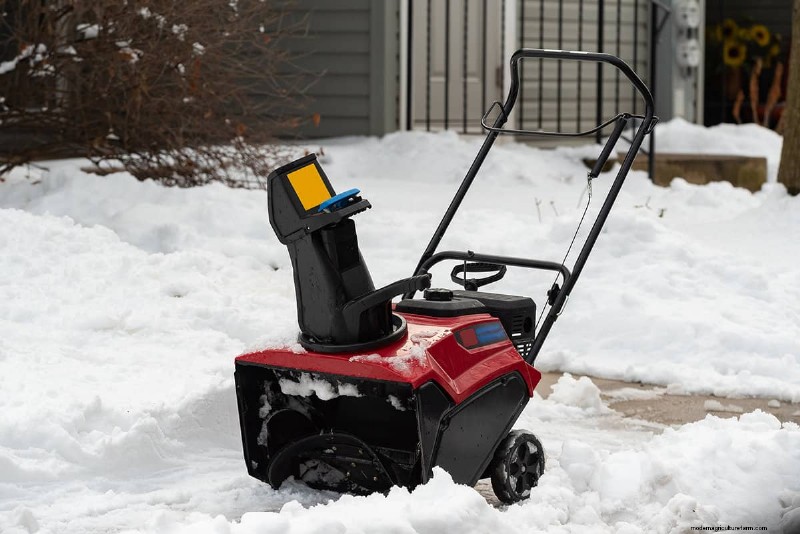
Proper storage is the cornerstone of a long‑lasting snow blower. While you can leave the unit outside, safeguarding it with elevation, a protective cover, and routine maintenance will keep it ready for the next winter.
For additional guidance on maintaining your garden equipment, check out our other helpful articles:
• How To Start A Kobalt Electric Mower
• How To Attach A Bag To A Black & Decker Leaf Blower
Written by
Kia Santiago
Kia is a nature-loving adventurer with a passion for exploring the great outdoors. She enjoys traveling to new destinations, immersing herself in different cultures, and experiencing the beauty of nature. Her love for animals extends to wildlife, and she takes pride in creating a habitat that attracts a variety of species. With her passion for nature, Kia is sure to bring a unique perspective to our gardening site.
Meet the GardenTabs team →
Editorial oversight
GardenTabs content is reviewed by Steve Snedeker, a seasoned gardener with decades of hands‑on landscaping experience.


