Welcome to Modern Agriculture!

Gardening requires a variety of specialized tools. When it comes to digging holes, a digging bar is often the most efficient choice.
Despite its simplicity, many gardeners are unsure how to use one safely and effectively. This guide consolidates expert advice so you can dig with confidence.
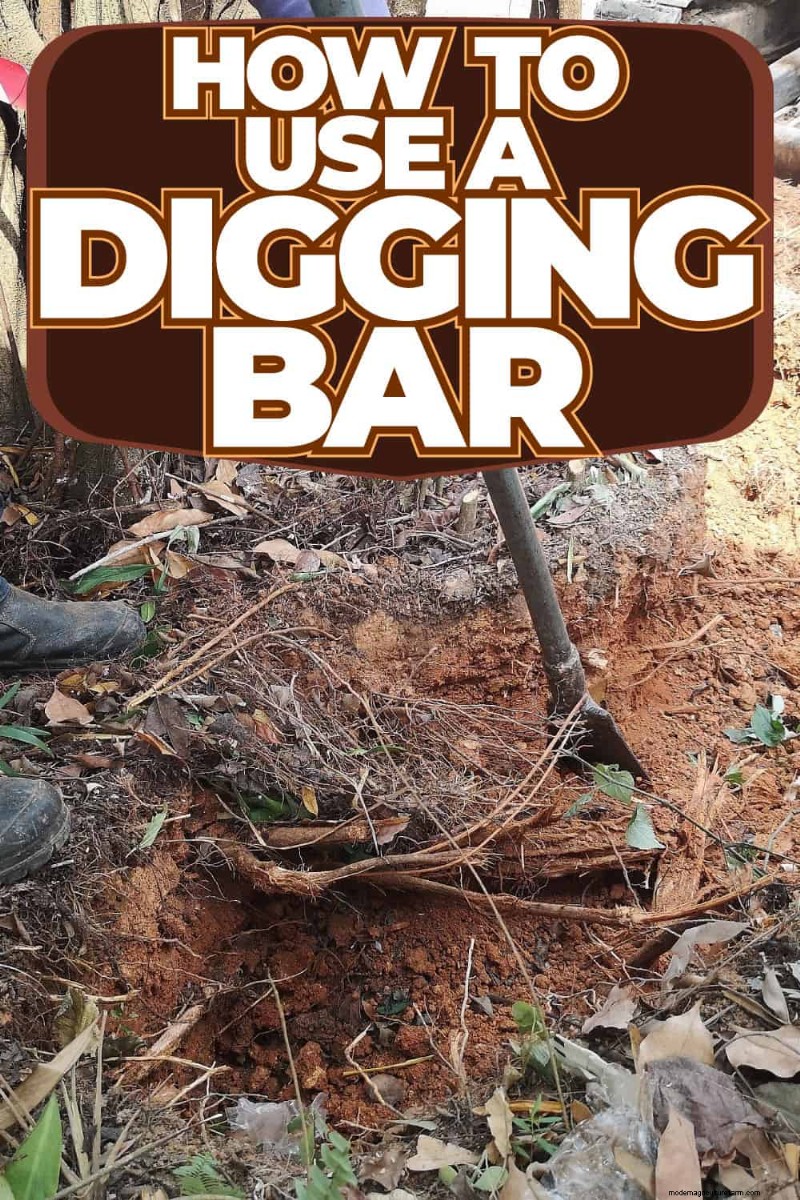
How to Use a Digging Bar
Following these steps will help you create clean, evenly‑sized holes for planting, fencing, or any garden project.
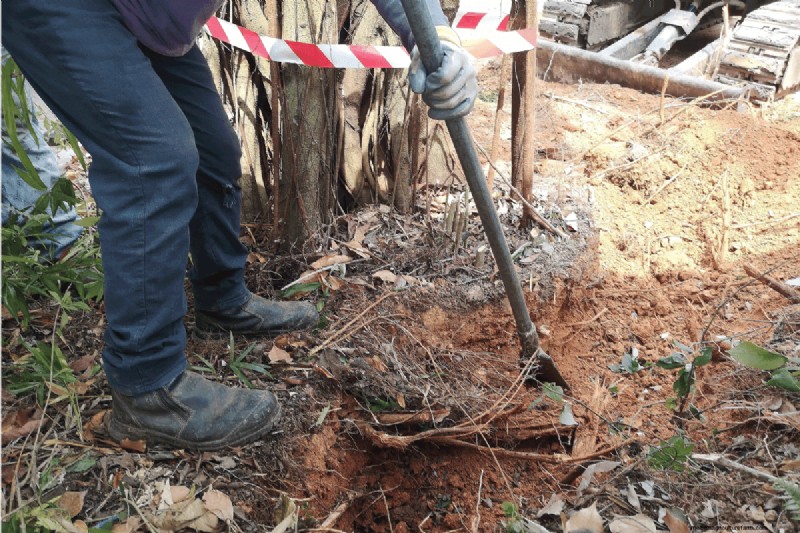
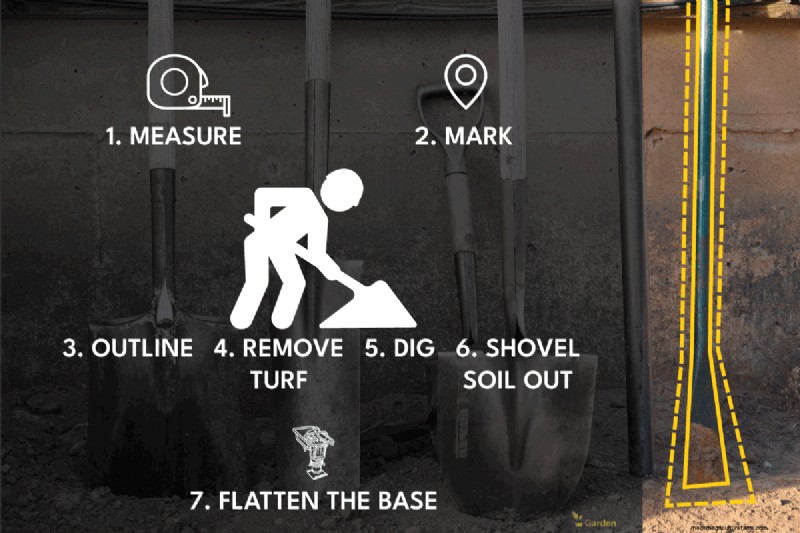
Begin by measuring the spot with a tape measure. Mark the footprint with rope or paint.
Outline the hole’s shape and decide where you’ll start digging.
Insert the chisel end into the ground and slice along the outline, creating a loose perimeter.
Use a shovel to take away the turf and any loosened soil beneath it.
Drive the chisel end deeper, twisting the bar to loosen compacted soil and break roots.
When the soil is loose, use a shovel (or a post‑hole digger) to remove it.
Use the tamper end to tamp down the bottom, ensuring a stable foundation.
Save this guide and unlock exclusive gardening deals today.
While all digging bars share the same core function, different designs excel in specific tasks.
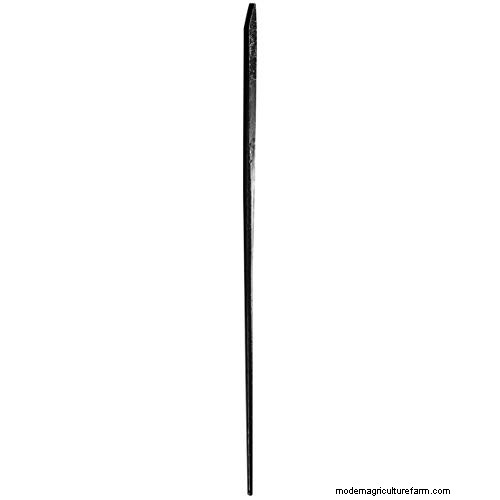
A pinch‑point bar is the most common model found in residential toolkits. Typically 5–5.5 ft long and forged from solid steel, its wedge‑shaped end provides leverage for prying heavy objects.
Check out this pinch‑point bar on Amazon.
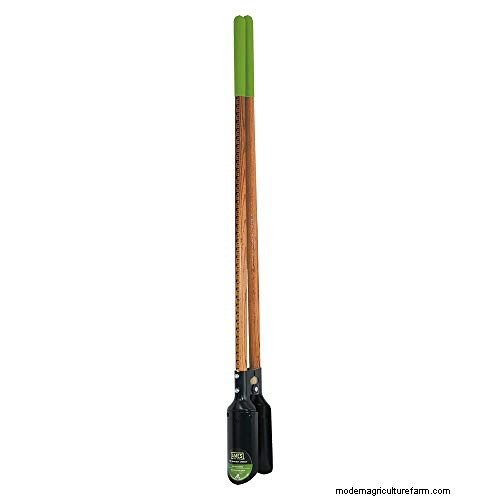
Post‑hole diggers feature jaws that scoop soil, making them ideal for fence posts or footings.
Get one on Amazon.
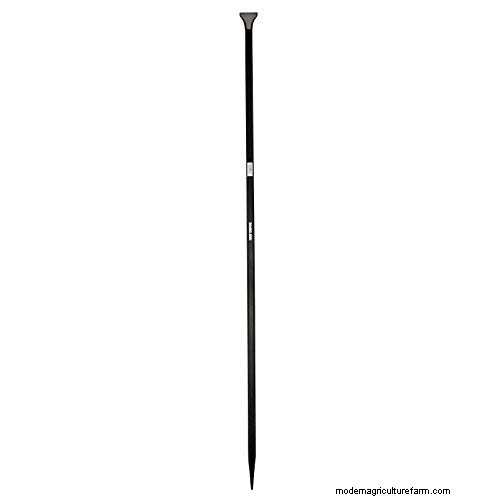
The San Angelo bar’s pointed end cuts through roots and hard soil, making it perfect for deep holes in challenging ground.
Grab this San Angelo digging bar on Amazon.
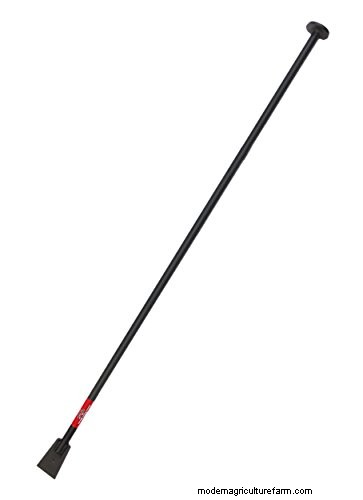
A tamper bar combines a chisel on one side and a rounded tamper on the other, allowing you to dig and compact in a single tool.
See this tamper bar on Amazon.
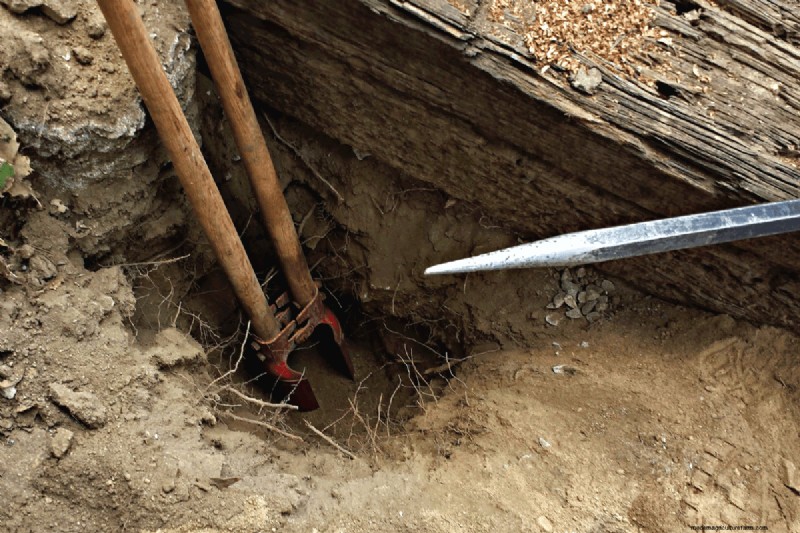
Beyond hole‑making, a digging bar is versatile:
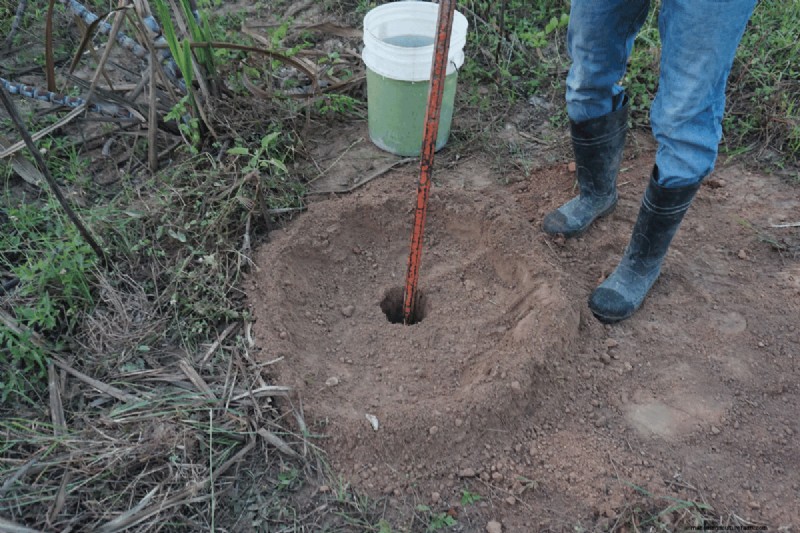
A digging bar may be a simple tool, but its impact on garden work is significant. It’s lightweight, inexpensive, and fits easily in any shed.
Whether you’re planting, building fences, or clearing roots, having a quality digging bar on hand saves time and effort.
Ready to dive deeper into gardening tools? Check out these related guides:
Written by
Kia Santiago
Kia is a nature‑loving adventurer with a passion for exploring the great outdoors. She enjoys traveling to new destinations, immersing herself in different cultures, and experiencing the beauty of nature. Her love for animals extends to wildlife, and she takes pride in creating habitats that attract diverse species. With her passion for nature, Kia brings a unique perspective to our gardening site.
Meet the GardenTabs team →

Editorial oversight
GardenTabs content is reviewed by Steve Snedeker, a seasoned gardener with decades of hands‑on landscaping experience.