Welcome to Modern Agriculture!

Pine cones falling into your yard can be more than just a nuisance; when wet, they can damage soil and plants—a process known as “eating into.” Understanding when they drop and how to remove them quickly will keep your lawn healthy and tidy.
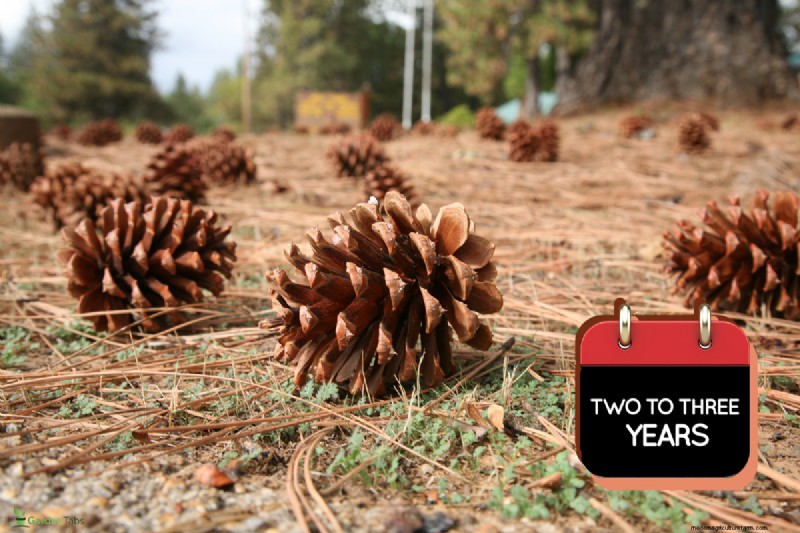
The fall, or “morphogenesis,” occurs during September‑December. Different species mature at varying times, but most will produce new cones that break free as the weather cools.
Save this article & also instantly unlock today's gardening deals!
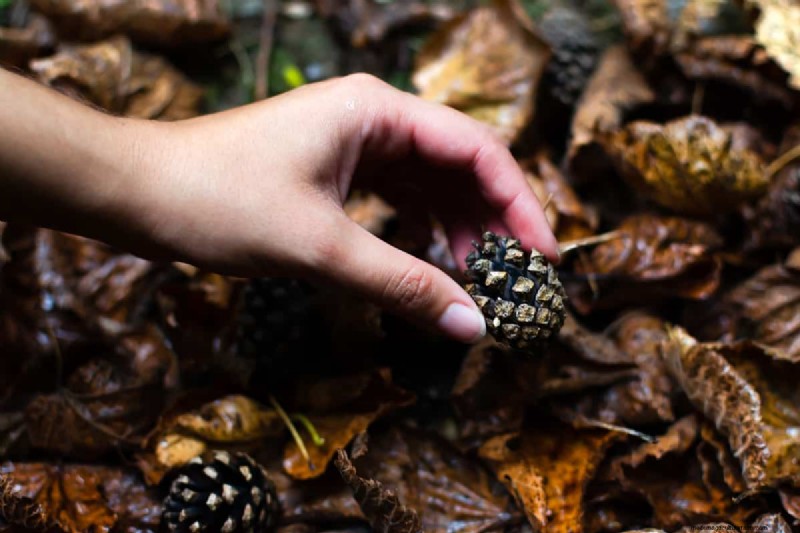
It is essential to know the best way to pick up these annoying pine cones, especially when they create a mess in your lawn. A pine‑cone picker can gather cones of all sizes, making the task faster and less labor‑intensive than a standard rake.
After collection, place the cones in an airtight container so that they stay dry and avoid turning into a future nuisance. Prompt removal also prevents the “toxic” acids that can damage surrounding plants.
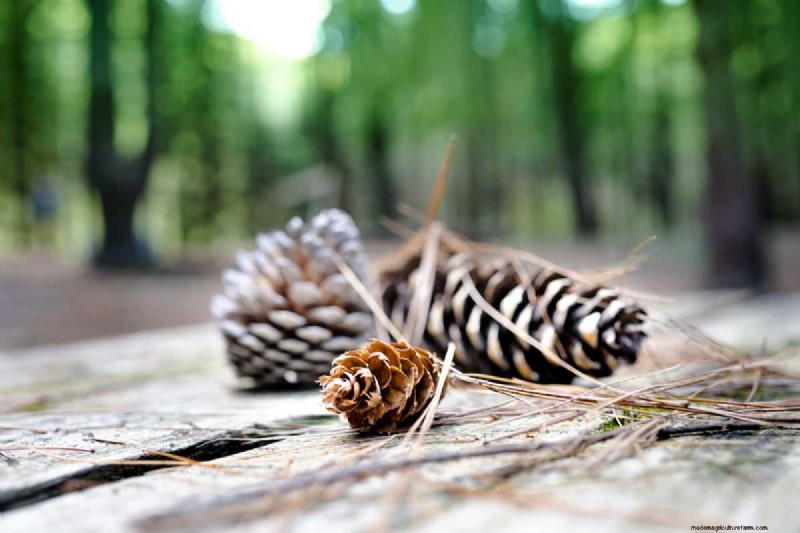
Falling pine cones mean you must act quickly to protect your turf. While a simple sweep works, there are more efficient tools:
The Stab‑A‑Nut picker is designed for cones of all sizes, thanks to its pump‑style suction. It’s the most popular choice among homeowners who want a reliable, no‑touch solution.
The Pine Cone Wizard offers bendable arms that glide over uneven ground, making it ideal for yards with stones or raised beds.
Click here to check out this pine cone wizard on Amazon.
A lawn mower’s revolving blade can sweep away loose cones and even remove some twig debris. It’s effective on large lawns, though it can be slower than a dedicated picker.
Specialized rakes—such as the cyclone nut rake—are built with teeth that capture cones while leaving grass undisturbed.
For concrete or patio surfaces, a Bag‑A‑Nut roller collects up to 40 % of fallen cones. On grass, its efficiency drops to roughly 15 %.
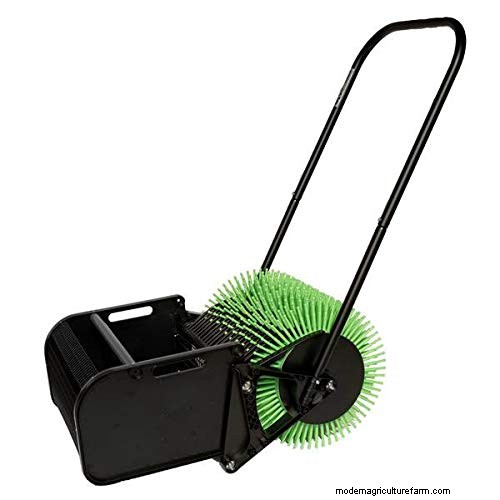
Click here to check out this bag‑nut roller on Amazon.
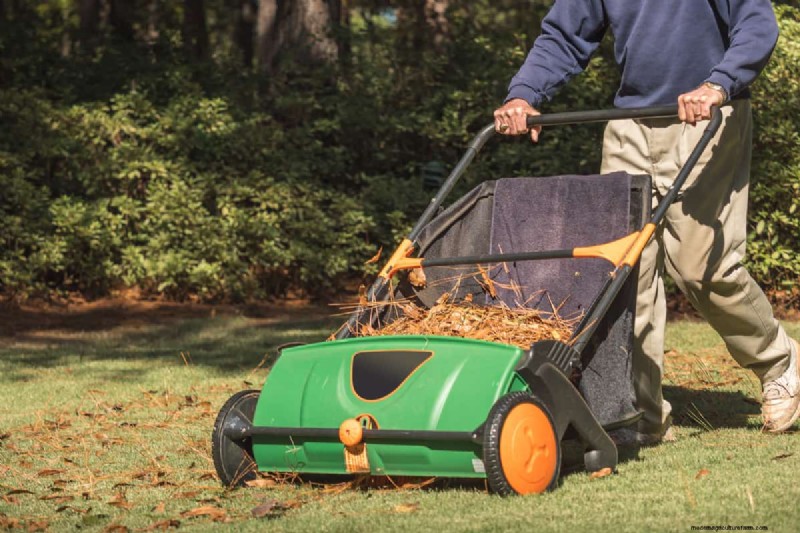
Lawn sweepers can remove smaller debris, but they’ll struggle with larger cones or branches.
Unfortunately, you can’t stop a tree’s natural shedding cycle. Regular removal is the best way to keep your yard tidy without harming the plants.
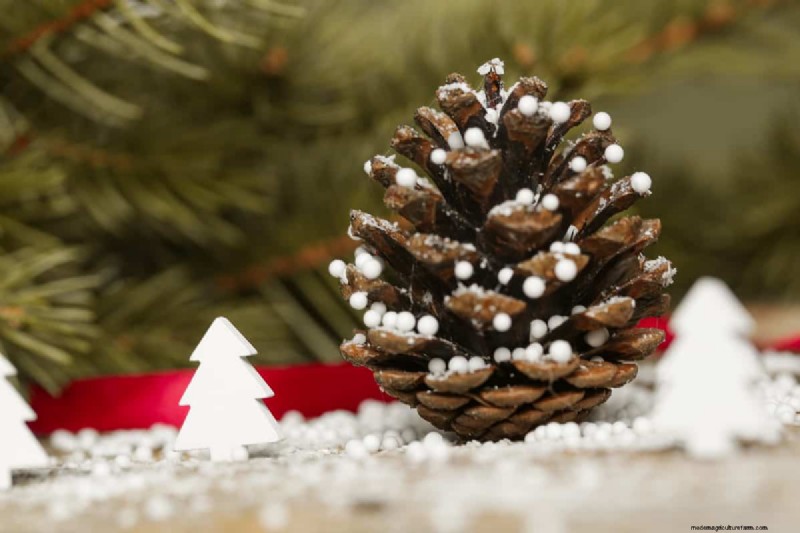
Even though fallen pine cones may seem like a nuisance, they offer many benefits:
Kids love building figures from pine cones—combine them with felt, twigs, colored paper, paints, or yarn for inexpensive, eco‑friendly projects.
Arrange them in a jar or vase, pair with small bulbs or ribbons, and you’ll add a warm, natural touch to any room.
Pine cones are excellent for creating an “ecological buffer” around plants. Their high moisture content prevents water loss, and their structure deters pests such as slugs and snails.
Wildlife uses fallen cones for food and shelter during the winter months. By leaving a few intact, you help local ecosystems thrive.
While pine nuts are edible, they are best harvested from mature cones that have broken open. Roasting or toasting them releases a delightful, nutty flavor.
Preserve your collected cones by drying them thoroughly before storage.
Written by
Mia Pagsolingan
Mia is a budding lawyer with a background in Tourism Management. As a part‑time writer, she’s honing her writing skills while juggling a busy career. When she’s not working, she enjoys exploring new places, discovering hidden gems, and sharing her travel experiences through writing.
Meet the GardenTabs team →

Editorial oversight
GardenTabs content is reviewed by Steve Snedeker, a seasoned gardener with decades of hands‑on landscaping experience.
![Water Management for Optimal Crop Yields | [Your Company Name]](https://modernagriculturefarm.com/article/uploadfiles/202211/2022111611403964_S.jpg)