Welcome to Modern Agriculture!

Hedge trimmers keep gardens neat and tidy with minimal effort. When a trimmer jams, it can halt your work and cause frustration. Below, we break down why jams happen and how to resolve them—without calling a professional.
Common culprits include debris and rocks that get trapped inside the blades, especially when the trimmer is over‑used. This buildup dulls the blades, reduces cutting power, and ultimately leads to jams.
Fortunately, most jams can be fixed at home. Follow these steps to keep your hedge trimmer running smoothly.
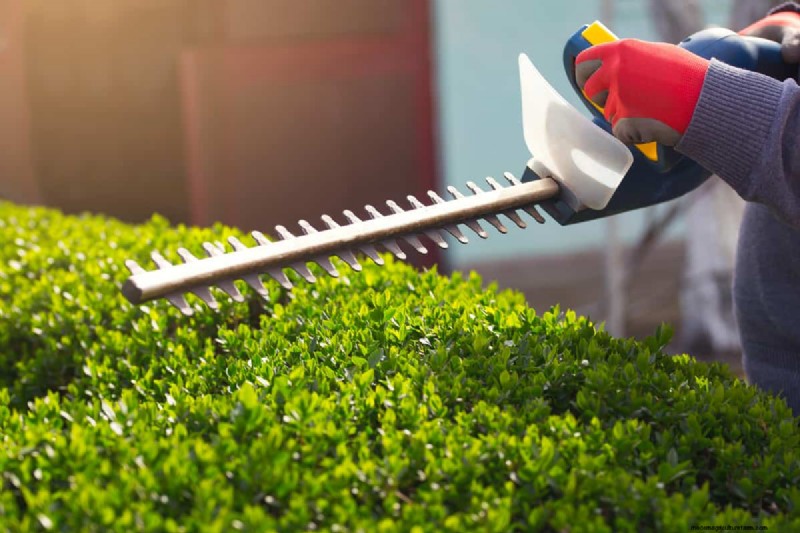
Hedge trimmers are designed for light trimming of bushes and shrubs, not heavy‑duty work. Allow your tool to rest between sessions to prevent overheating and mechanical strain.
Whether electric or petrol‑powered, continuous use without monitoring blade condition can cause jams. Debris accumulation and dull blades are the most common issues.
Regular maintenance—cleaning, sharpening, and lubricating—reduces wear and tear and keeps your trimmer efficient.
Bookmark this guide and unlock today’s gardening deals for quick access.

Below are the tools and steps you’ll need to resolve most jam situations.
Place the trimmer on a flat surface and inspect the blades. First, ensure the tool is unplugged (electric) or the spark plug is removed (petrol) to prevent accidental ignition.
Glove‑handed, use pruning shears to cut away any branches, rocks, or sap lodged in the blades. Break larger pieces into manageable fragments.
Insert the wooden dowel between the blades to push out remaining debris. Check for bent or broken blades—replacing them is often cheaper than buying a new trimmer.
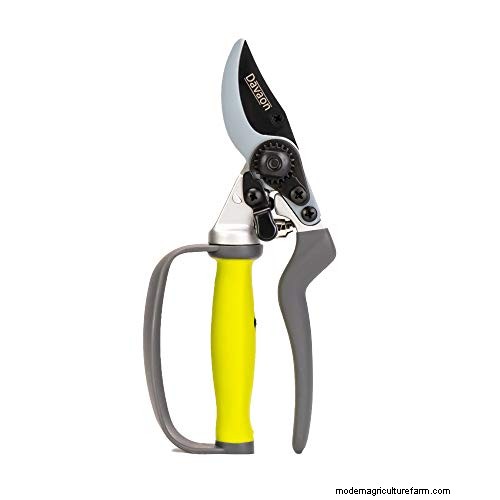
Need new blades? Check out quality pruning shears on Amazon for reliable replacement parts.
Detach the blade housing to access the screws and bolts securing the blades. Remember the original blade orientation to reinstall correctly.
Unscrew the old blades, install the new set, and tighten all fasteners securely. A properly seated blade will restore cutting performance.
For visual guidance, watch a simple tutorial video available on the manufacturer’s site.
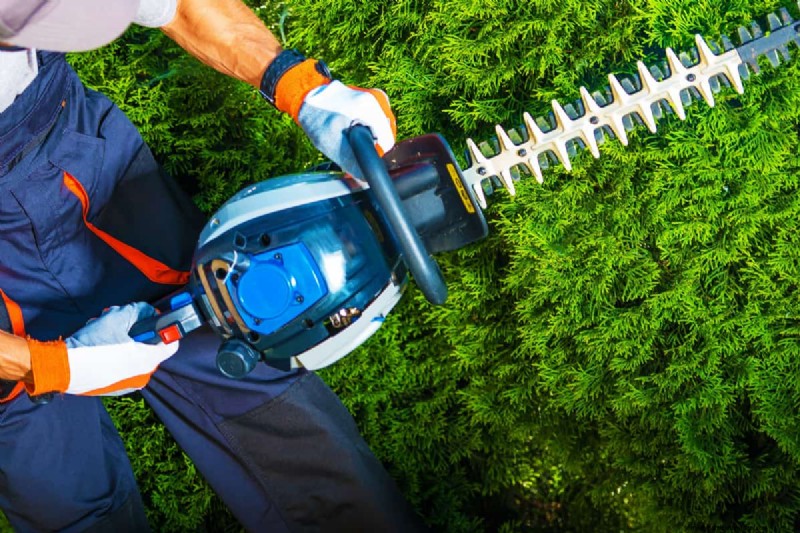
Proactive care is the key to avoiding jams. Follow these routine practices:
Like a kitchen knife, hedge trimmer blades lose edge over time. Use a drill with a cone‑shaped file or a flat file to restore sharpness, reducing cutting effort and jam risk.
Sap and plant residue can harden on blades, creating friction and heat. Wipe blades with a soapy rag, then dry thoroughly before storage. If sap is sticky, apply a resin remover.
Regular lubrication reduces erosion and keeps blades moving smoothly. Apply a high‑quality blade lube once a month, especially after intensive sessions.

Find a suitable blade lube on Amazon for best results.
Debris can clog the motor’s air filter, forcing the engine to work harder. Refer to your user manual for removal instructions. Clean or replace the filter regularly to ensure optimal airflow.
Check bolts, screws, and connectors periodically. Loose fittings can cause imbalance and damage. Tighten snugly but avoid over‑tightening.
Keep the trimmer in a dry, well‑ventilated shed. Avoid damp environments that can rust metal parts. Wrap the tool in a towel or plastic bag for extra protection.
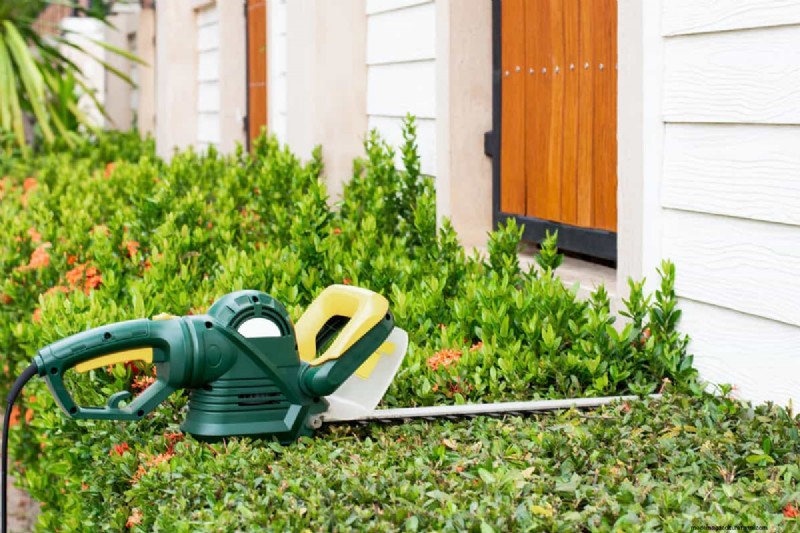
While possible, using a hedge trimmer on ground‑level weeds is inefficient. The tool is optimized for taller shrubs, and attempting to cut low weeds can be time‑consuming and uncomfortable.
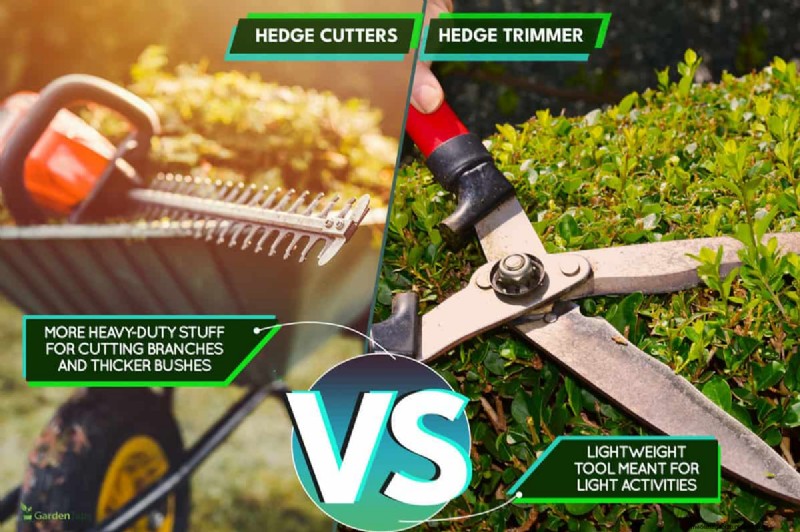
Hedge trimmers are lightweight and designed for light trimming. Hedge cutters are heavier and built for cutting thicker branches. They serve different purposes.
For more shaping techniques, read our guide, How to Shape Bushes with a Hedge Trimmer.
Regular maintenance—cleaning, sharpening, lubricating, and proper storage—keeps your hedge trimmer reliable and extends its lifespan. By addressing debris buildup and blade wear promptly, you’ll avoid jams and keep your garden looking impeccable.

Written by
Patricia Zahabi
Patricia is a versatile writer with a passion for gardening, home decor, entertainment, and fashion. With her eclectic interests, she brings a fresh perspective to her work, propelling her productivity with a warm cup of tea or iced coffee.
Meet the GardenTabs team →
Editorial oversight
GardenTabs content is reviewed by Steve Snedeker, a seasoned gardener with decades of hands‑on landscaping experience.