Welcome to Modern Agriculture!

Weeds are a perennial challenge for every gardener, but those with deep taproots can be especially stubborn and destructive. Proper removal not only protects your healthy plants but also helps maintain a tidy, productive garden. Below we outline the most reliable methods—manual, chemical, and natural—along with the tools that make the job easier.
Key Approaches:
Let’s dive into each method and the essential gear.
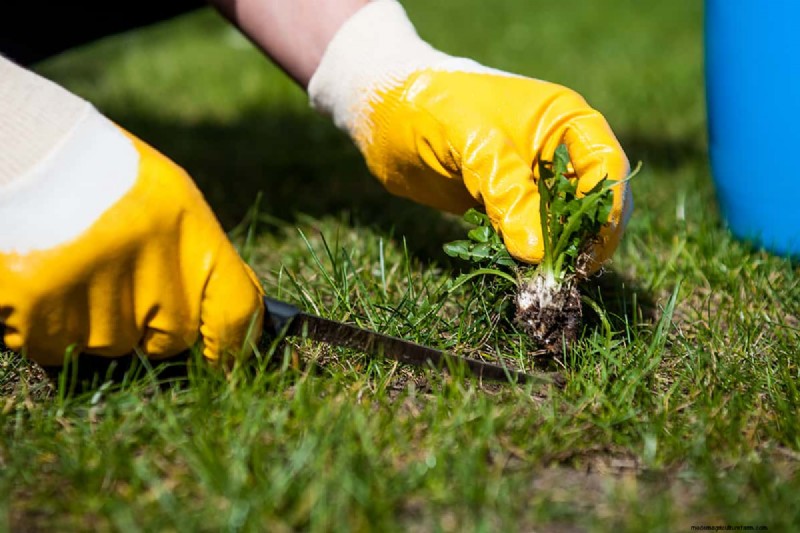
The most reliable way to tackle long‑taproot weeds is by hand. Start by cutting a shallow circle around the weed with your chosen tool. Angle the blade toward the center and deepen the cut until you’ve exposed several inches of root. Then, insert the tool, lift gently from below, and use a pair of pliers to loosen any stubborn taproots. Finally, sweep the uprooted plant with a rake and dispose of it promptly to prevent re‑establishment.
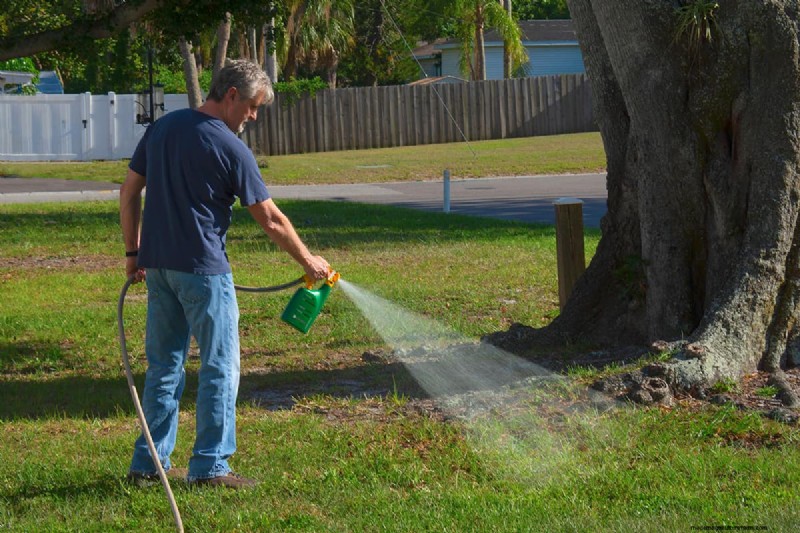
When manual removal is impractical—especially for large beds—select a selective herbicide designed for the specific weed species. Always read the label, wear protective gear, and apply during optimal weather conditions to minimize drift and environmental impact. For a proven option, consider Ortho GroundClear Weed and Grass Killer.
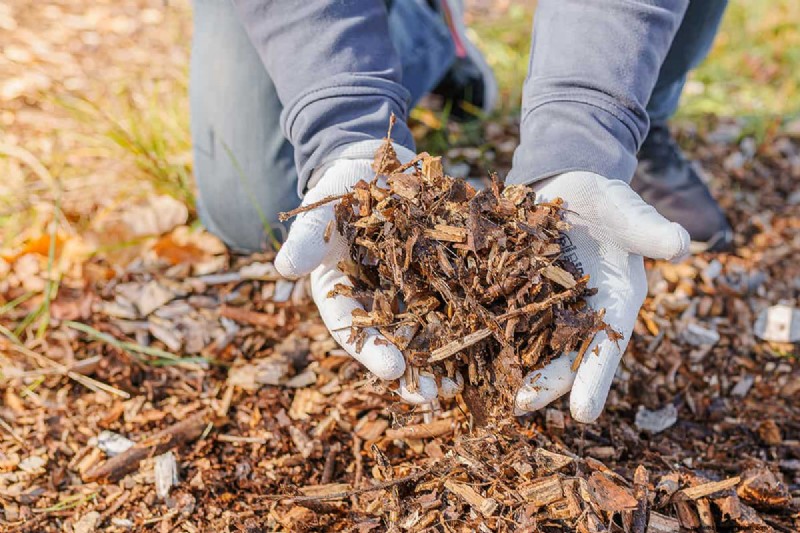
Cardboard is an eco‑friendly way to suffocate weeds: lay sheets over the soil, seal the edges, and let the cardboard decompose while depriving weeds of light. Mulch works similarly but also conserves moisture and improves soil health over time. For large areas, a heavy‑duty plastic tarp—often called a weed tarp—offers a quick, reusable barrier.
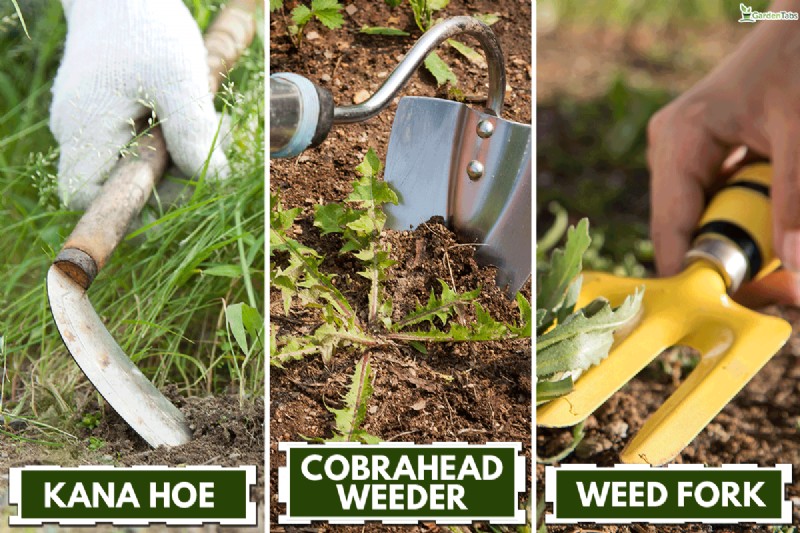
Choosing the right tool can make a significant difference. Here are must‑have options:
The kana hoe’s wide, light head is ideal for raised beds and tough taproots like dandelions. Its ergonomic design reduces strain and ensures a clean cut.
Its distinctive shape lets it penetrate deep into the soil, severing roots of varying sizes with minimal effort.
Long, straight, and sharp, the weed fork is perfect for digging out stubborn taproots from dense soil.
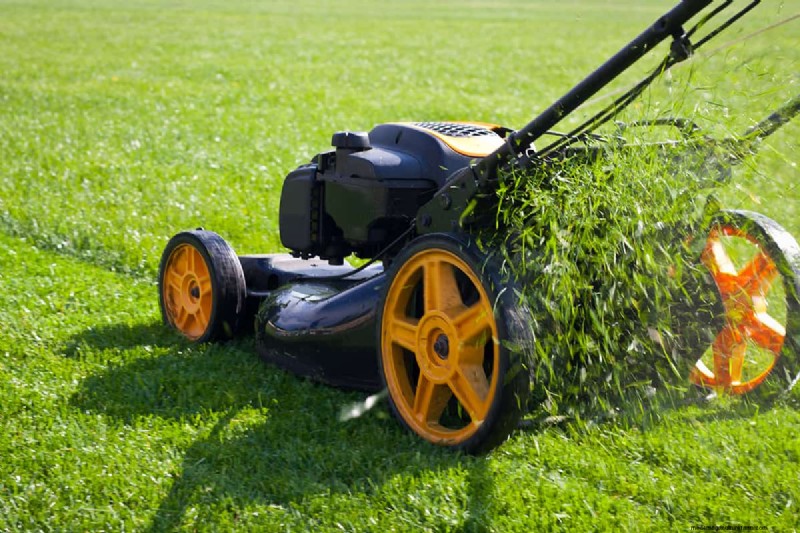
Mowing over weeds can inadvertently disperse seeds. A clippings bag helps capture these seeds, though it may slow your mowing process. In a thick, healthy lawn, the risk is lower; in bare or thin lawns, weeds can spread more readily.
Hand pulling is thorough but labor‑intensive and may leave roots behind. Spraying is quicker and effective for widespread infestations but can affect surrounding flora if misapplied. For a balanced approach, combine early manual removal with targeted herbicide use on recalcitrant areas. Always follow label instructions and wear gloves and masks when handling chemicals.
The most effective window for removing taproot weeds is early spring, before they flower, or in the fall when the soil is softer. Removing them before seed set reduces future spread.
Long‑taproot weeds can be conquered with the right knowledge, tools, and timing. Whether you prefer manual labor, chemical control, or natural barriers, consistency and early action are key to a thriving garden.
Written by Jennifer Omagu – a passionate gardener and lifestyle writer who brings creativity and practicality to every article.
Editorial Oversight – GardenTabs content is reviewed by Steve Snedeker, a seasoned gardener with decades of hands‑on landscaping experience.