
Welcome to Modern Agriculture!

Miracle‑Gro is a popular fertilizer that delivers readily available nitrogen, promoting rapid, lush growth in many plants. If you’re cultivating grapevines, you may wonder whether Miracle‑Gro is suitable and how to use it safely.
Our research draws on horticultural best practices, expert recommendations, and real‑world case studies to provide a comprehensive guide. Below you’ll find the right way to apply Miracle‑Gro, the potential risks, and additional strategies for maximizing grape yields.
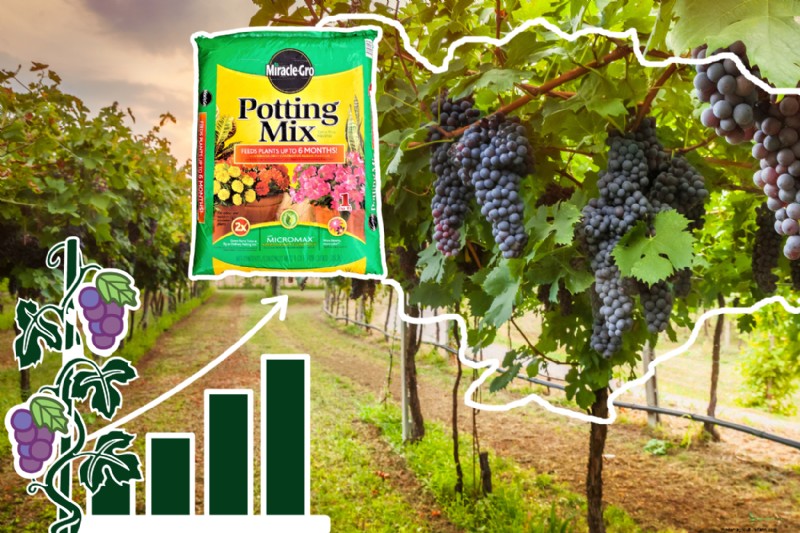

Grapevines thrive in light, well‑draining soils with a slightly acidic pH (6.5–7.5). Miracle‑Gro can help balance soil pH if it leans alkaline and supplies essential nutrients that support vine vigor and fruit quality.
Because grapevines are adaptable to many soil types, the key is to understand your specific soil conditions before applying any fertilizer.
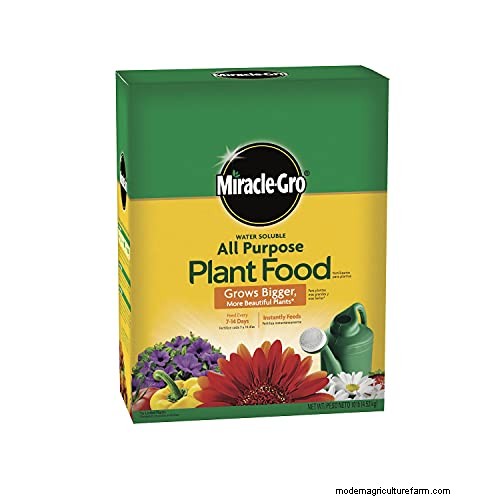
Find Miracle‑Gro on Amazon to purchase a reliable product.
In addition to incorporating Miracle‑Gro, a mulch layer will conserve moisture, regulate soil temperature, and reduce weed competition—all vital for healthy vines.
Consistent fertilization is crucial. While Miracle‑Gro provides an immediate nutrient boost, a balanced, seasonal fertilizer ensures vines receive a steady supply of all essential elements.
Bookmark this guide and unlock exclusive gardening deals today!
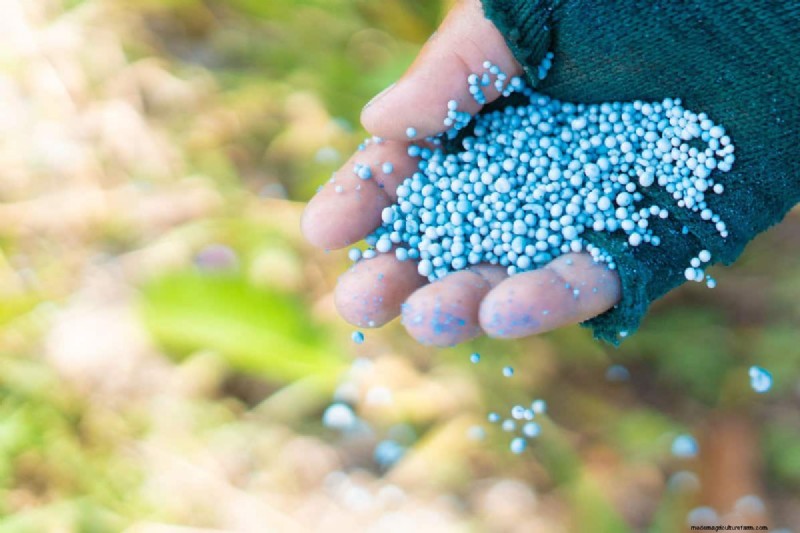
Follow these steps to maximize benefits and avoid over‑fertilization:
Determine whether your soil is sandy, loamy, or clayey. Miracle‑Gro works well in sandy or clay soils, but tailoring the fertilizer to your soil type yields best results.
Use the vine’s size and maturity to guide dosage:
Dissolve one tablespoon of Miracle‑Gro in one gallon of water. Stir thoroughly to ensure even distribution.
Use a hand sprayer or a drip system to apply the solution around the base of each vine, ensuring the soil absorbs the nutrients. A sprinkler can cover multiple vines at once, but avoid direct spray on leaves to prevent leaf burn.
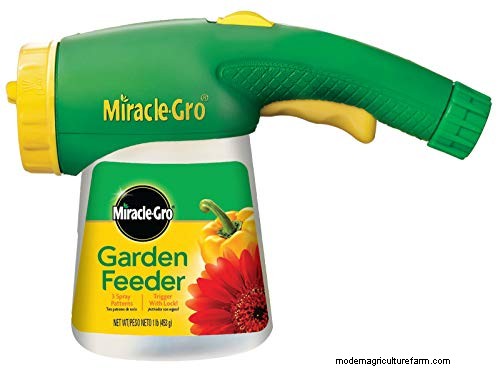
Purchase a suitable sprinkler from Amazon to streamline the process.
While Miracle‑Gro offers benefits, it’s a synthetic fertilizer that must be applied correctly to prevent damage.
Over‑application can harm roots and scorch foliage, especially under direct sunlight. Follow label instructions and avoid excess.
Too much nitrogen can stunt vine growth, delay fruit ripening, and increase disease susceptibility. Apply every two weeks during active growth (spring‑summer‑fall) and quarterly in winter.
Runoff can contaminate nearby water bodies, harming aquatic ecosystems. Use a buffer zone, apply during dry periods, and keep application rates within recommended limits.
Read Mandates. Follow container instructions, water frequently, and monitor soil health.
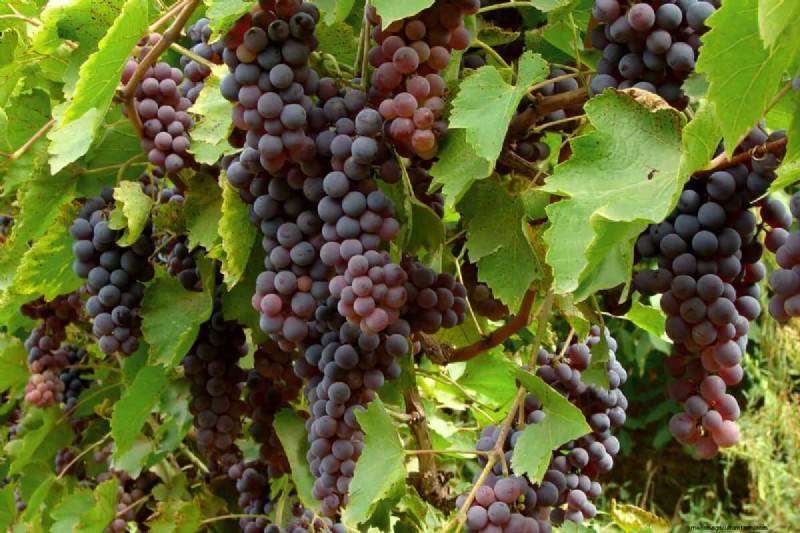
Beyond fertilization, consider these factors to boost yield:
Hybrid cold‑hardy varieties such as Baco Noir, Chambourcin, or Vidal Blanc thrive in variable climates, whereas classic European types (Chardonnay, Pinot Noir) yield high quality but require disease management.
Plant in October‑January to avoid monsoon stresses. Dig trenches, enrich with organic matter, and install north‑south oriented supports.
Ensure 6–8 hours of direct sunlight daily. Maintain moist, not saturated, soil—over‑watering promotes rot; drought stresses reduce fruit set.
Mandated nutrients:
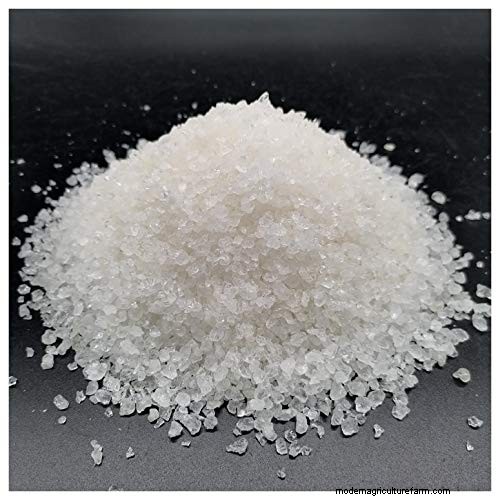
Use a trellis or bamboo frame for training. Prune to reduce fruit‑in‑jury, improve quality, and increase yield.
Miracle‑Gro can enhance grapevine growth when used responsibly, but optimal results come from a holistic approach—considering soil, climate, variety, and management practices.
For more insights, explore our other guides on indoor grape cultivation and trellis designs.
Author: Genevieve Palaca
Genevieve, former government secretary with a degree in Agricultural Biosystems Engineering, blends field expertise with engaging storytelling to guide gardeners worldwide.
Meet the GardenTabs team →

Editorial oversight: Content reviewed by Steve Snedeker, a seasoned gardener with decades of experience.