
Welcome to Modern Agriculture!

Chipmunks can quickly become a nuisance, burrowing under porches and raiding driveways. By combining evidence‑based repellents, humane trapping, and preventative measures, you can protect your property without harming wildlife.
Our comprehensive approach uses:
Read on for step‑by‑step guidance and practical tips to keep your porch and driveway chipmunk‑free.
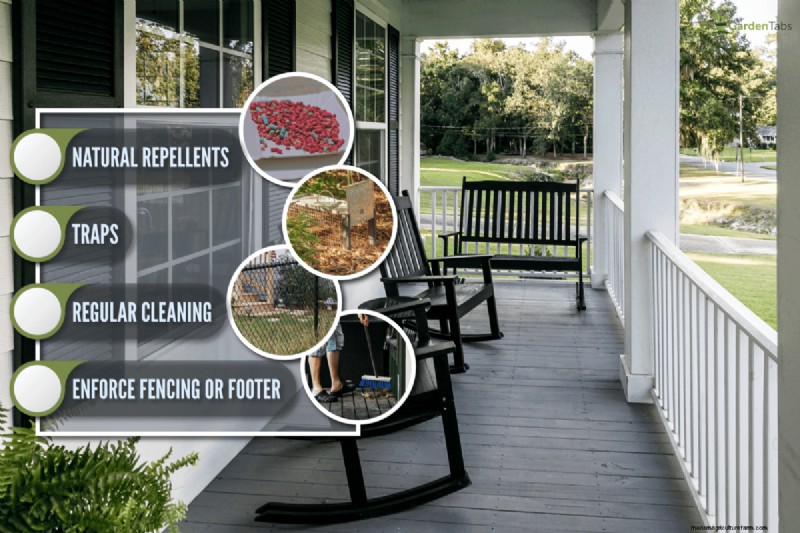
Many household items can deter chipmunks without chemicals. Essential oils such as peppermint, cedarwood, cinnamon, eucalyptus, lemon, and clove have proven scent profiles that repel rodents. Sprinkle a few drops on cotton balls and place them near suspected burrows.
Planting daffodils and garlic around your yard also creates a hostile environment for chipmunks. For a DIY spray, mix one tablespoon of cayenne pepper with one cup of water, shake, and spray along the perimeter of your porch or driveway. The heat irritates the animals, encouraging them to move away.
Other kitchen staples—black pepper, cayenne, garlic, apple cider vinegar, coffee grounds, and even shredded eggs—can be spread in feeding areas. Combine these with human hair, which carries a strong scent that chipmunks find unappealing.
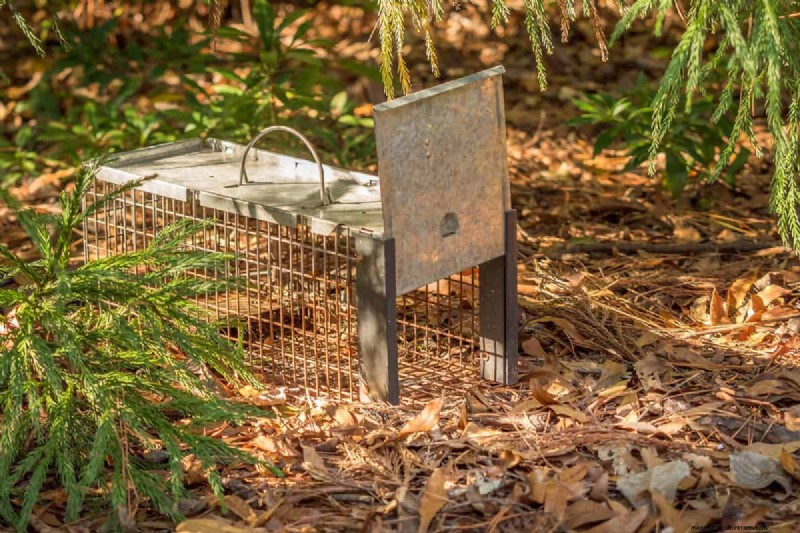
Live traps allow you to capture chipmunks without killing them. Choose a model 10–20 inches long and bait it with nuts, seeds, or fruit. Place the trap near known burrow entrances and check it overnight. Always wear gloves when handling captured animals, and release them far from your home.
For an example of a reputable live trap, see this product on Amazon.
A tidy yard reduces food sources and hiding spots. Sweep leaves, remove weeds, and rake debris from porches and driveways. Clear large rocks and pots that provide cover for burrowing. Make yard maintenance a regular habit to keep pests at bay.
To protect foundations and walls, install a low, underground fence. Bury wire mesh at least 12 inches deep and extend it 12 inches above ground to prevent digging. Cover the exposed portion with gravel or stone; do not plant over it, as this defeats the barrier’s purpose.
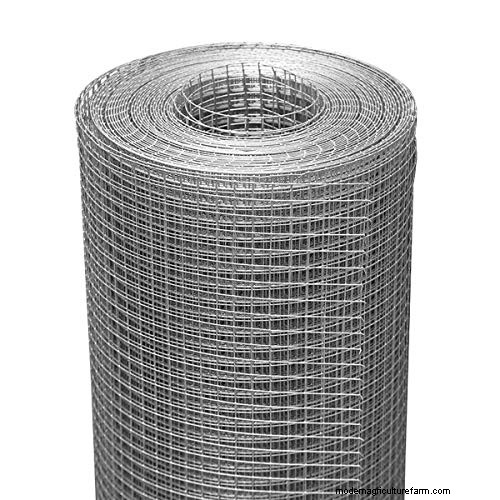
For a quality fence option, check this product on Amazon.
Before implementing control measures, confirm an infestation:
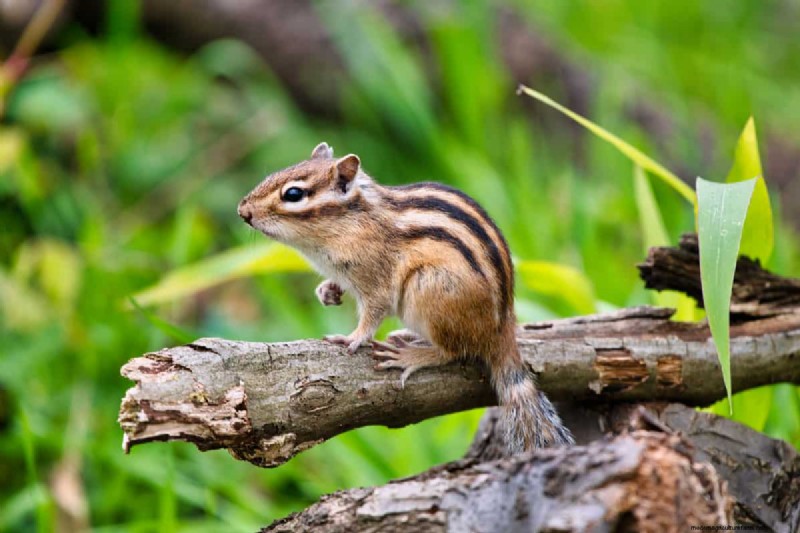
Although small, chipmunks can damage lawns, gardens, and foundations. Their burrowing can compromise structural integrity, and they may spread fleas, ticks, and pathogens like salmonella. Removing them protects both your property and household health.
When a chipmunk intrudes, keep calm. Open all windows and doors to encourage an exit. Avoid chasing or capturing it yourself; use gloves and release it outside. If the animal remains, contact local wildlife control for safe removal.
Implement a routine combining clean‑up, repellents, live trapping, and fencing. Consistency is key—regularly inspect for new burrow entrances and maintain barriers. If DIY measures fail, seek professional wildlife removal.

For more resources, explore our related articles below.
Written by Patricia Zahabi
Patricia is a versatile writer with a passion for gardening, home décor, entertainment, and fashion. Her diverse interests bring fresh perspectives to every piece.
Meet the GardenTabs team →

Editorial oversight: GardenTabs content is reviewed by Steve Snedeker, a seasoned gardener with decades of hands‑on landscaping experience.


