Welcome to Modern Agriculture!

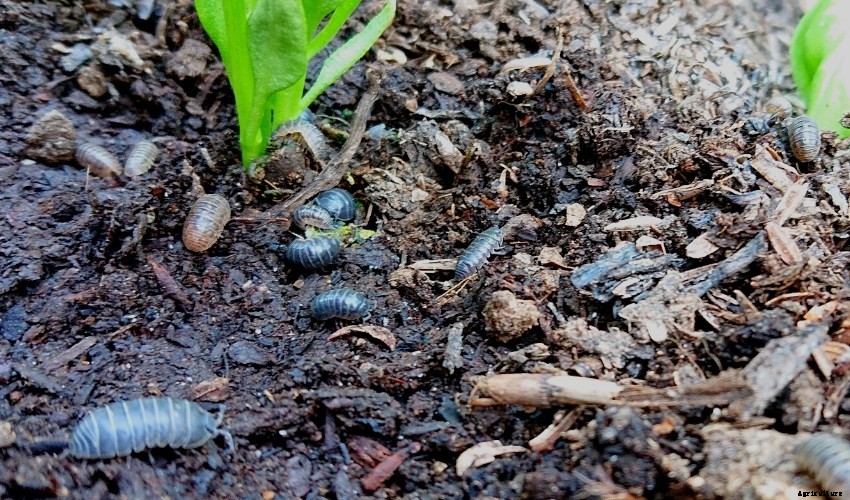
You might not recognise the name Porcellio scaber, but you'll definitely know the insect it refers to. Introduced to Australia from Europe along with its close cousin Armadillidium vulgare, these common bugs have since taken on the more recognisable names of slaters, butchy boys, pill bugs, wood lice, and many more.
And while they may provoke disgust or even fear when you unexpectedly uncover them, they play a vital role in your garden. You definitely want them there - but you also don't want their numbers to get out of hand.
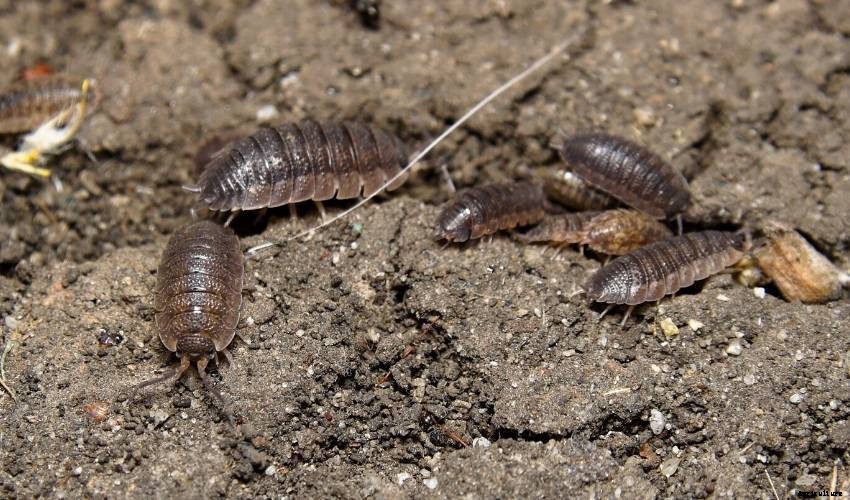
Slaters are instantly recognisable from their segmented, grey-brown bodies of between 6mm and 12mm in length. Their seven pairs of legs are put to great use scurrying for cover when disturbed, and if that doesn't escape the threat, they'll often curl up into a tight ball for protection. It's this defensive reflex that provides yet another common name, the roley poley.
Biologically speaking, all species of slaters are among the few land-based crustaceans, belonging to the same wider family as prawns and crabs. And although their watery origins are ancient history, they still need damp conditions to survive.
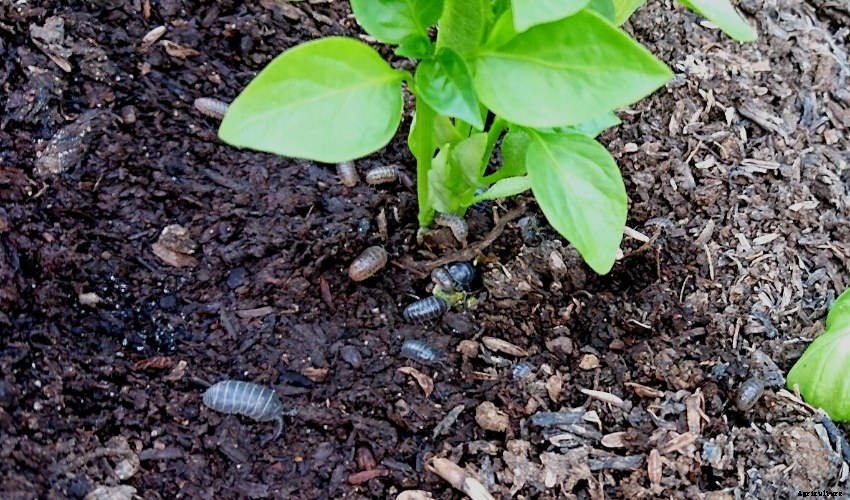
This tends to stop them moving around during daylight hours, preferring to shelter in dark, moist spots until the cooler night arrives. Their favourite hiding places include behind the bark of rotting wood, underneath plant pots, within organic mulches, and under the surface of compost heaps.
You may occasionally find slaters entering your home, but this is usually just through a spirit of exploration. Most homes are too dry and bright to make a good slater habitat, and so moving the visitors outdoors again is usually the last you'll see of them.
The main diet of slaters is decaying organic material. By eating this they recycle nutrients back into the earth, enriching the soil and improving growing conditions for your plants.
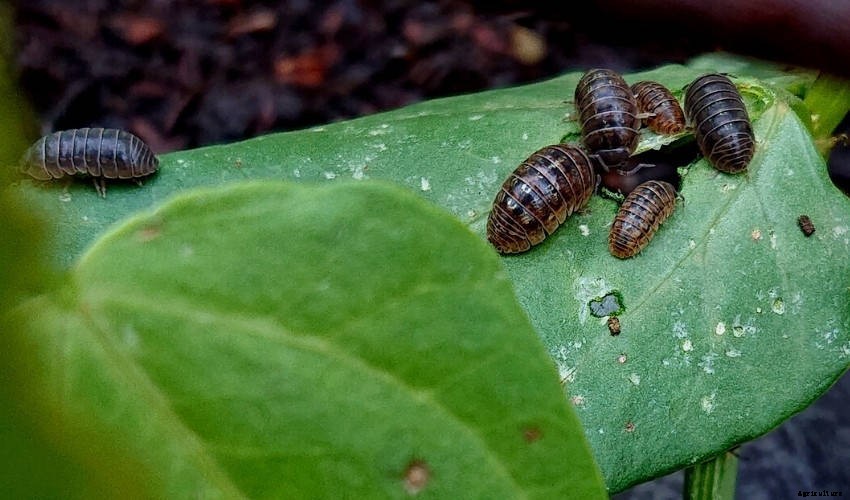
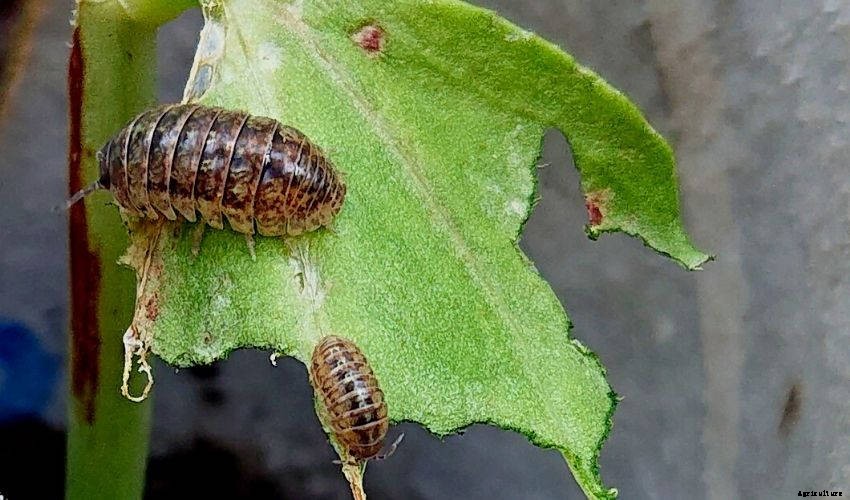
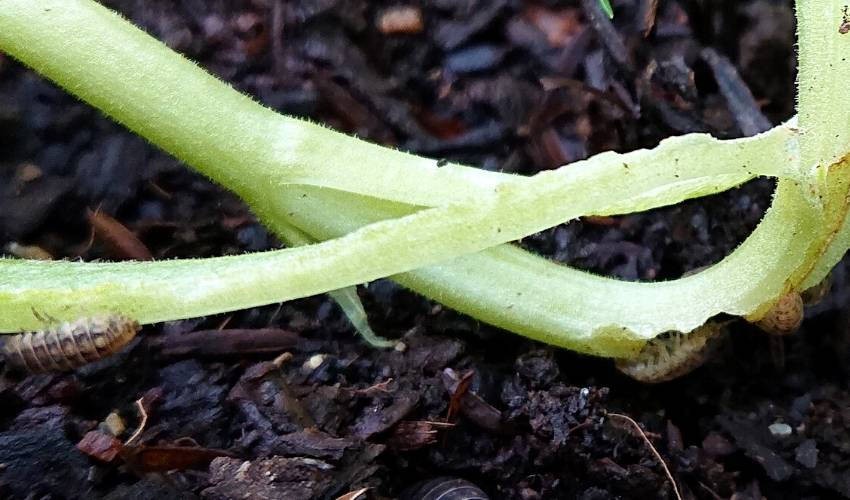
If they stuck only to this diet, they'd be an entirely welcome resident of your garden. Unfortunately, they can also be tempted by tender seedlings, soft fruits, and the juicy stems of fleshy plants such as beans and melons.
They can even snack on the stems and foliage of nightshade-family plants such as tomatoes and eggplants. As these are toxic to most other common pests, if you see signs of nibbling you can be fairly sure that slaters are the culprits.
Considering their vital role in your garden's nutrient cycle, it's usually best to leave slaters to get on with their lives in peace. But if you suspect excessive slater numbers are causing damage to your plants, you can take several steps to protect them.
As usual, while chemical control is available and effective, it should only be used as a last resort, as it can also harm unintended members of your garden's ecosystem.
Instead, dealing with slaters is mainly a case of containing their numbers and diverting them away from your most delicate plants. Here are some ideas.
Individual slaters are completely harmless and contribute plenty to your garden. But you can have too much of a good thing, and if the bugs find your garden too comfortable then their numbers will soar. By using a mixture of these discouraging tactics and you can host a sensibly sized population which brings only benefits.