Welcome to Modern Agriculture!

Sowing seeds is certainly the thriftiest way of growing new plants. With prolific reproducers like lettuce or wild flowers, you can get hundreds of seedlings from a single low-cost packet.
But once you move beyond fast-growing tender annuals, it can take plenty of time and patience to develop a thriving, adult plant. And with the inevitable failures and disappointments along the way, growing healthy perennial plants from seed isn't always as straightforward as you'd hope.
But if you already have older perennials growing healthily, using vegetative propagation techniques to create new individuals is a good solution. You'll still need time and patience, but vegetative propagation is a cost-effective and reliable way of gaining new plants for your garden.
Vegetative propagation is effectively a method of cloning your garden's most successful perennials. It produces healthy new plants with identical characteristics to the original, while skipping over the fragile seedling stage of development.
The most widely known vegetative propagation method is to take stem cuttings. This works by cutting off part of an existing plant and encouraging it to grow roots, eventually forming a complete new plant if all goes to plan.
Stem cuttings can work very well, but it's a little hit and miss. Rooting can be unreliable unless conditions are ideal, and you won't know whether or not you've been successful for a couple of months or more. This can make the cuttings technique frustrating for a beginner.
However, there's a more reliable technique known as layering. It usually takes a little longer and involves some preparation, but for a lot of larger plants it's an ideal solution.
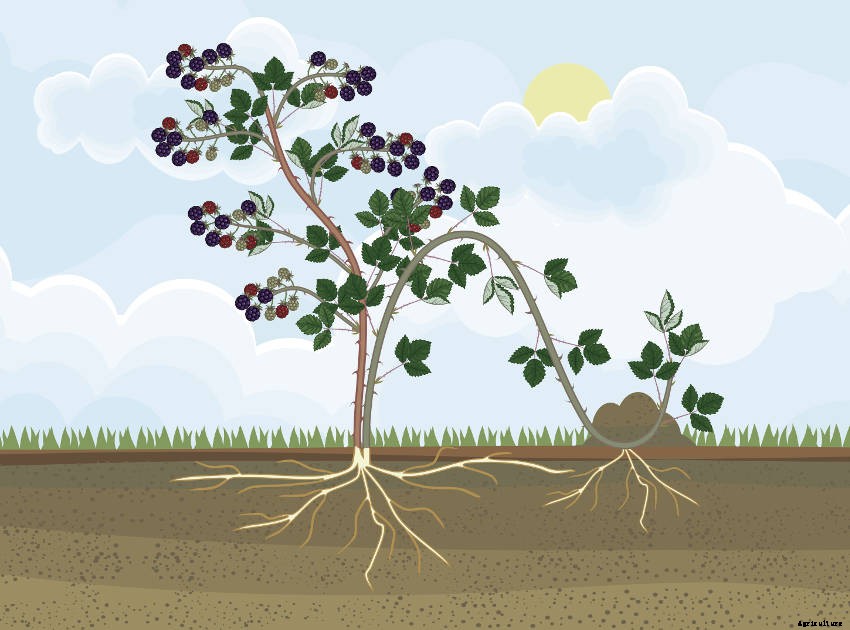
Many plants naturally sprawl across the ground, setting down new root systems as they go. Strawberries show perhaps the best-known example of this behaviour, with the trailers they send out eventually forming fully independent plants. However, it's a trait that's innate to most plants, even if it takes a little persuasion to bring it out.
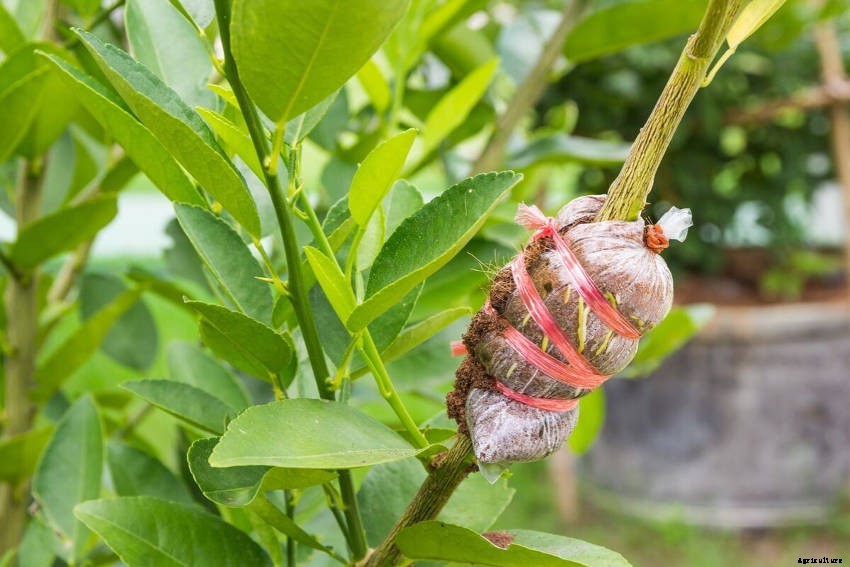
Layering takes advantage of this natural willingness to root, and there are two main variations on the theme. Ground layering is where new roots are encouraged to grow under the soil's surface. With air layering, as the name suggests, all the action takes place above ground.
The beauty of both types of layering is that they produce strong new plants which enjoy the resources of the parent as they develop. Once they're large enough to cope alone, they can be cut away and begin life on their own.
In general terms, woody perennials with long side stems are suitable for layering. For ground layering, some of the stems should be low and flexible enough to touch the ground. For air layering, stronger and thicker stems are better to avoid damaging the parent plant.
Some of the most popular garden plants you can layer include azaleas, camellias, spirea bushes, rhododendrons, and magnolia.
Healthy woody herbs such as thyme, rosemary, and lavender can also be layered successfully, especially more mature plants which are starting to lose their shape and becoming overly woody and bare.
Also known as stem layering, ground layering is the most straightforward of the two techniques. Here's what to do.
New roots should develop from the damaged area in around three months. However, it's prudent to allow a full growing season so that a healthy root system can develop. Once this has happened, the rooted stem can be cut off from the parent plant, and the newly propagated individual either left in place to grow or carefully transplanted to a new location.
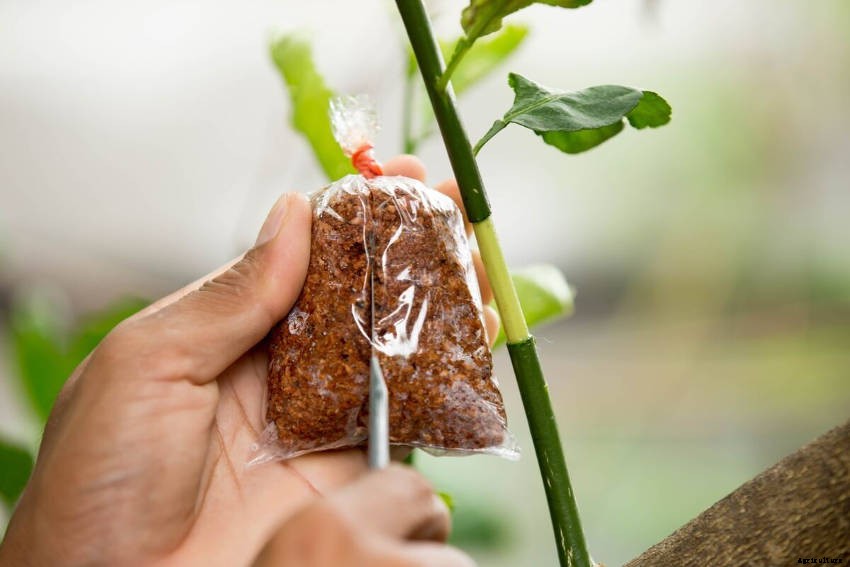
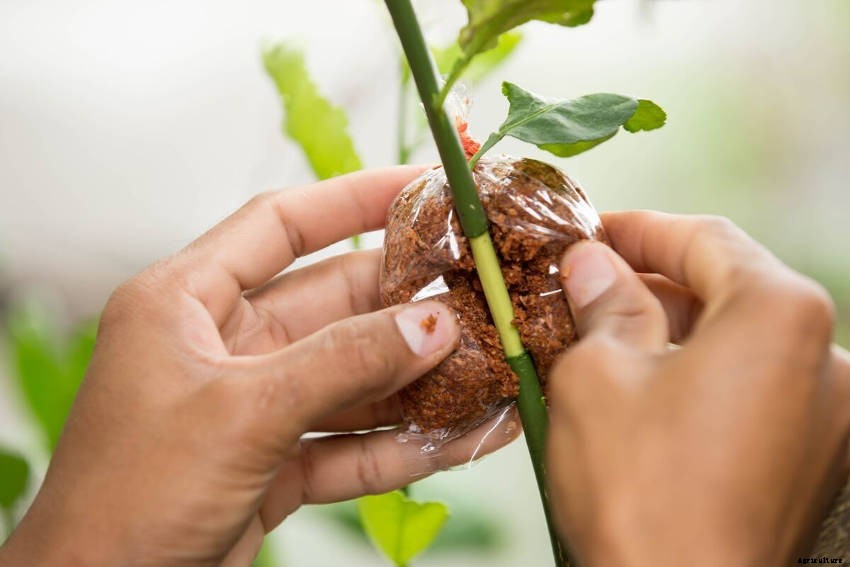
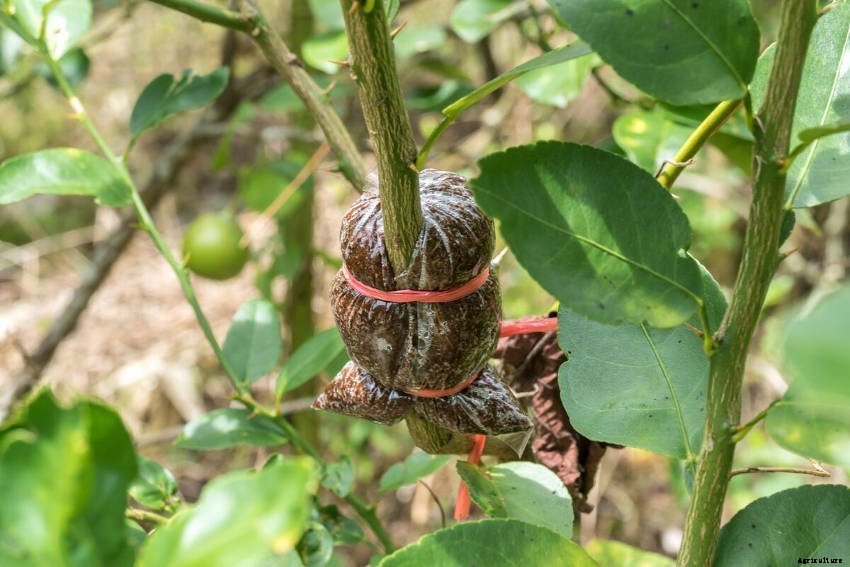
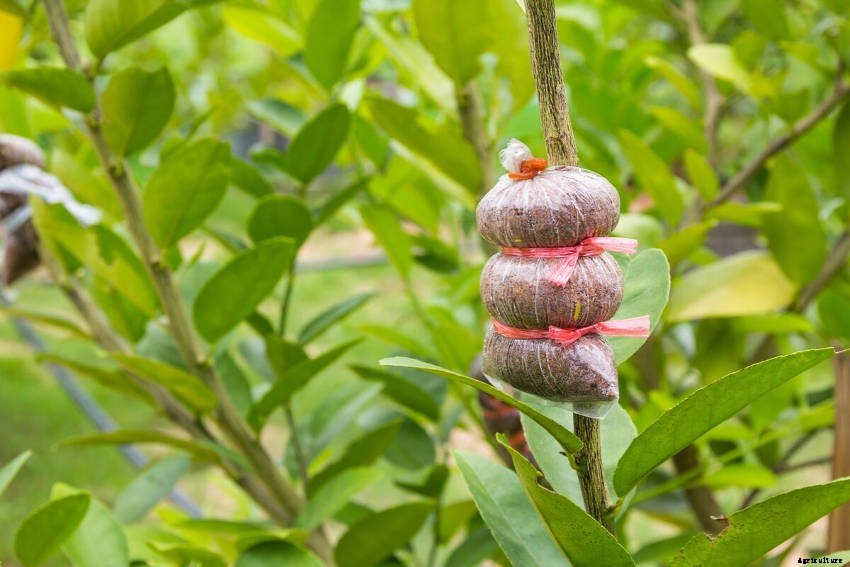
However, taller shrubs with sturdier, less flexible branches may not be suitable for ground layering. For these plants, air layering is a finessed version of the same principle.
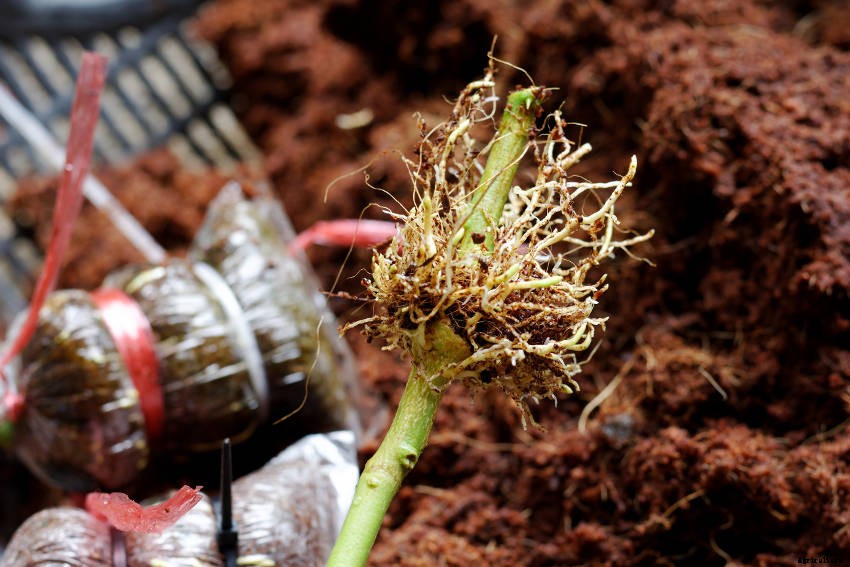
After around three months you should see roots start to poke through the moss or coir. At this point, cut the branch from the parent below the rooting clump, remove the plastic, and plant the root-bearing ball firmly in a container or its final destination.
Although layering is a fairly foolproof technique, there are a few ways to improve on the basics.
If you've never tried propagation before, or if taking stem cuttings hasn't been a huge success, then layering is worth a try. It's not quick, but it's an effective way of producing high-quality new additions to your garden for next to no cost.