Welcome to Modern Agriculture!

Wise gardeners allow for potential problems with their veggie growing, sowing more seeds than they probably need. But that means when things go well and you avoid mishaps, you're rewarded with a dauntingly large harvest.
Nowhere is this more true than with tomatoes. A row of healthy vines can provide more fresh produce than even the most committed tomato fan can enjoy in a season. This is where preserving comes in, spreading your crop's bounty across the year's less productive months.
There are three main ways of preserving tomatoes: freezing, bottling, and drying. None of them will keep your fruits in vine-fresh condition - that's impossible - but all of them are well worth trying.
Important Note: Whichever preservation method you use, always choose firm, ripe, undamaged tomatoes. Damaged fruits can easily harbour contaminants that risk spoiling an entire preserved batch.
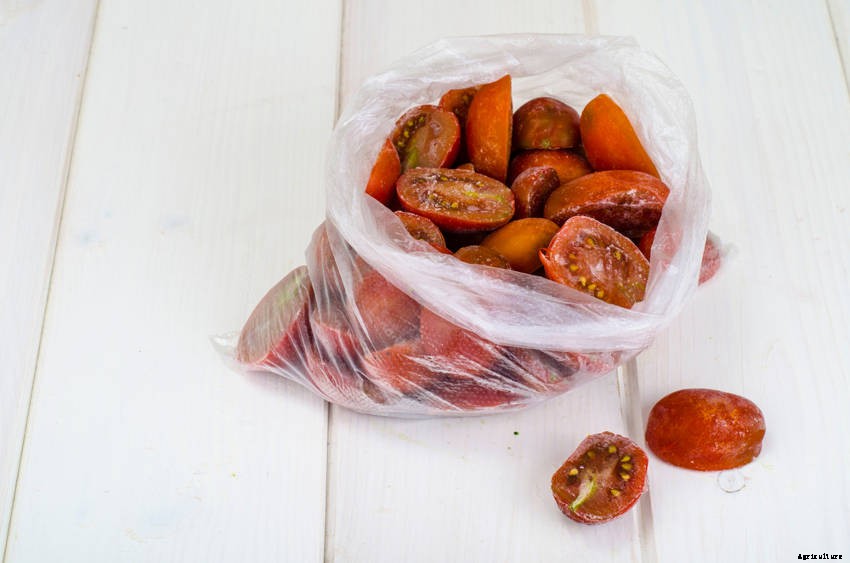
Freezing tomatoes is by far the most straightforward way of preserving them for later use in cooked dishes. Very little preparation is necessary.
However, the freezing and defrosting process reduces the fruits to a pulpy mush, and so they're best reserved for use in soups, stews, and sauces.
Here's what to do.
While the simple freezing method works well, it takes up a lot of space. If the bulk of your tomatoes are destined for a liquid cooked dish anyway, why not cook and reduce them first, so you can pack more into your freezer?
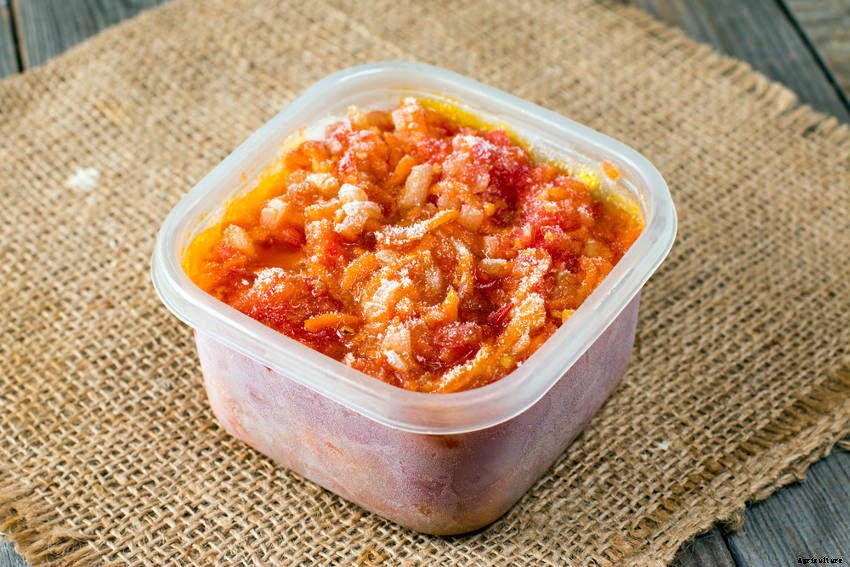
For this freezing method, simply make a tomato sauce by sweating your fruits down in a little oil, along with optional herbs, garlic, or other flavourings of your choice.
Once the tomatoes have reduced to your liking, liquidise the sauce or pass it through a sieve to remove seeds and skin fragments.
The results can be frozen, portioned out in plastic containers, ready to be thawed and added direct to liquid dishes as they cook.
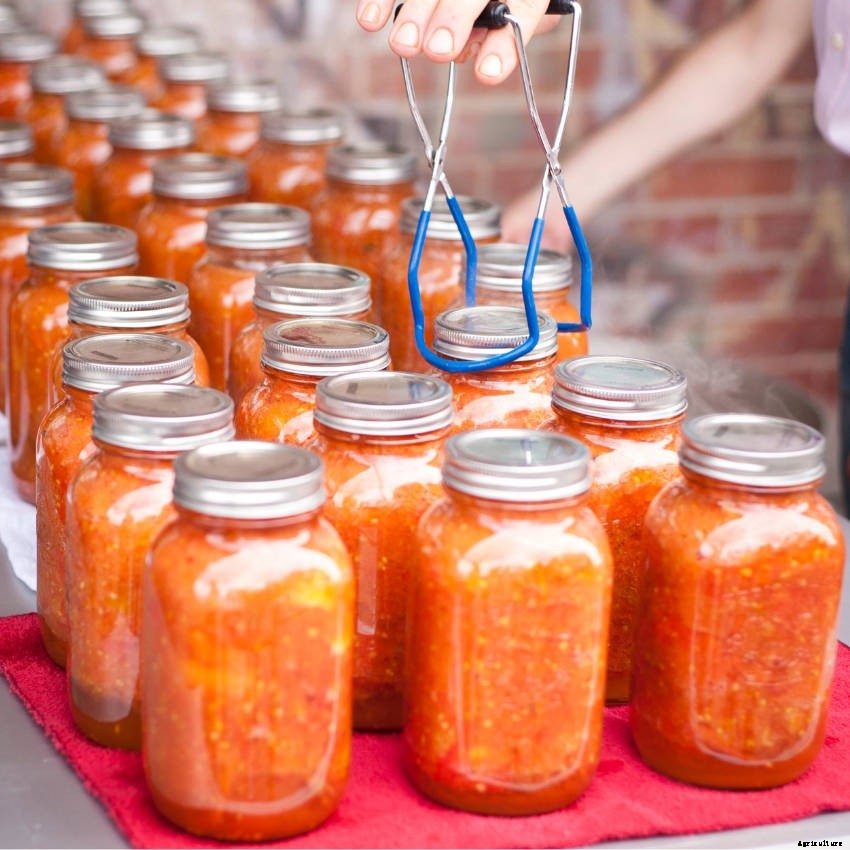
Bottling is an age-old method of preserving all kinds of foods, tomatoes included. Also known as canning, the process creates what you'd recognise as tinned tomatoes from the supermarket shelves - but of course, using homegrown produce, the results will be infinitely better.
It takes a little more effort than simple freezing, but it's an excellent way of preserving a large glut, and the results are highly versatile.
The essential technique is to cook the tomatoes in an airtight container for an extended period, effectively sterilising them, so that they can be stored almost indefinitely outside of the fridge.
Traditionally, bottling was done by cooking the filled jars in boiling water before sealing. However, by doing this there's a small but real risk of introducing the botulism toxin to your tomatoes with potentially disastrous results.
Because of this danger, food safety organisations recommend using a pressure canner to bring the bottling method into the modern age.
Pressure canners are sealable cooking units which are capable of reaching high temperatures under pressure. To kill off botulism and other nasties, you should aim for a sustained temperature of 115°C or more.
It's important to note that an ordinary domestic pressure cooker may not be capable of reaching this temperature, so always use a dedicated pressure canner for safety's sake.
Pressure canners come with detailed instructions for safe operation, and these should be followed carefully, but the basic method is as follows.
Tip: You can also use the bottling method for pre-made sauces or passata, saving larder space and giving you an instant pasta dinner that beats any shop-bought concoction.
If you've ever bought tinned tomatoes, you'll know what to do with the homemade variety. They make a great base for sauces and stews of all kinds. However, bear in mind that they're likely to have a more concentrated tomato flavour than commercial tins, so don't waste them as a background filler ingredient.
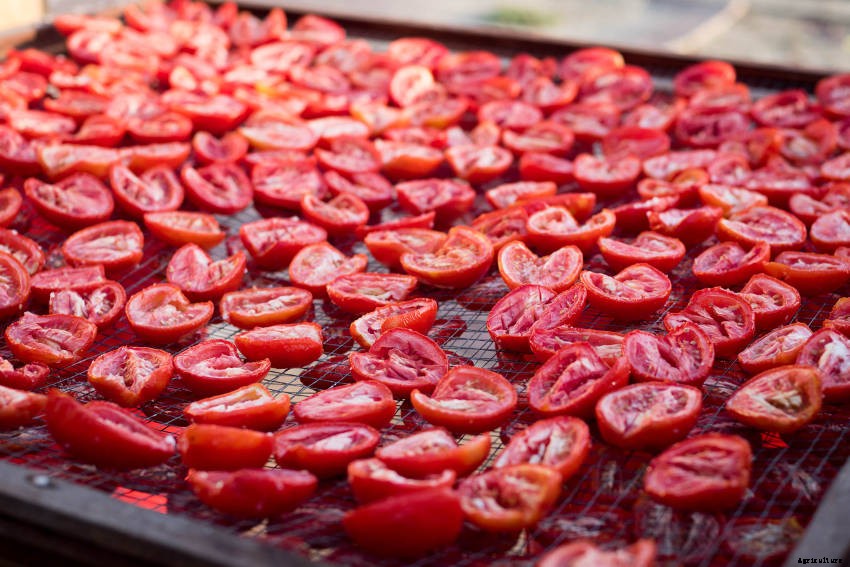
Sun-dried tomatoes are a delicacy of Mediterranean cuisine. While they're traditionally made using rows of rooftop drying racks, it's much more convenient to use an ordinary domestic oven. It takes a little time, but it's easier than you may think.
-- Mandatory Warning #2:
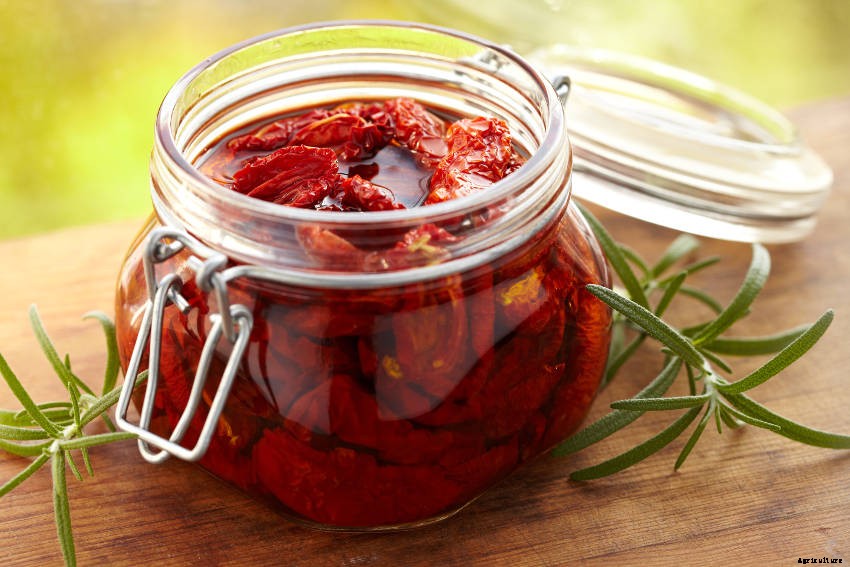
As with bottled tomatoes, there's a tiny risk of dried tomatoes developing toxins while they sit in the oil. So long as you dry the tomatoes well and remove all moisture from the jars, the risk is basically non-existent. But again, don't be tempted to take any shortcuts during the preserving process.
Traditionalists living in a hot climate could try making true sun-dried tomatoes without an oven. It will take days or weeks rather than hours, and you run the risk of sharing your harvest with the local wildlife.
Nonetheless, the method is straightforward. Cut your tomatoes in half and lay them out on a wire rack or mesh which allows the juices to drain. Cover with fine netting or muslin cloth, and leave in a sunny, dry, airy location. Check for dryness each day, turning the tomatoes over if they're not yet ready. Depending on the conditions, the process should take between four days and two weeks.
Drying tomatoes changes their flavour quite impressively. They'll be sweeter, richer, and more intense. Try chopping and sprinkling them into a substantial salad, or use as a pizza topping.
They can also be partially rehydrated by soaking briefly in warm water, making them a great addition to a platter of mixed starters.
Once you've finished a jar, don't waste the remaining oil. It makes an excellent base for a salad dressing, or can be dribbled over noodles and other hot dishes for an extra hit of flavour.
Whether you freeze, bottle, or dry your tomatoes, preserving is a thrifty way of making the most of a generous harvest. And the results will be a class above any product you'll find on the supermarket shelves.