
Welcome to Modern Agriculture!

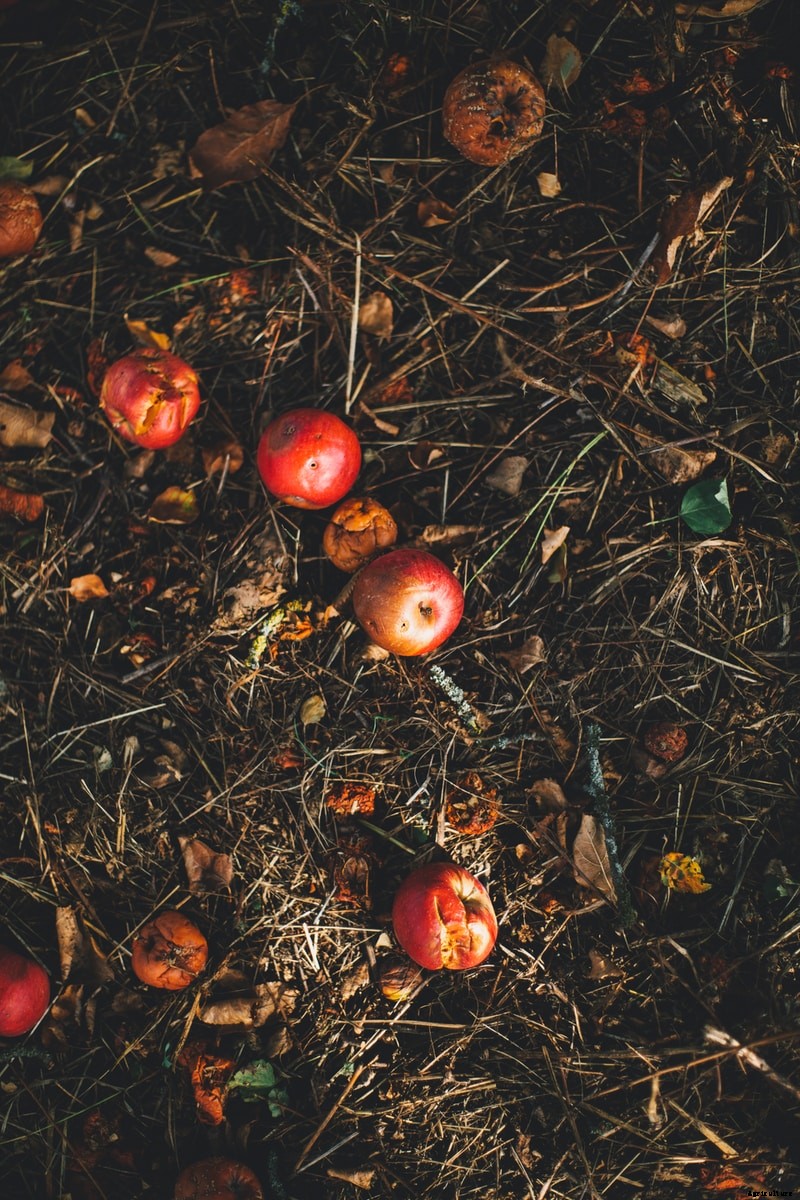
Avoid using chemical fertilizers to keep your soil rich and your plants healthy. Instead, we suggest using a homemade organic fertilizer created from four basic products.
Organic fertilizers don’t have the same instant impact as chemicals like insecticides. But, in contrast to chemicals, these amendments are all-natural, low-cost, and have a major impact on soil structure.
Fertilizers derived from organic sources are those that are naturally created by animals or plants and help build up your soil. As opposed to natural fertilizers that contain natural elements, chemical fertilizers contain synthetic ingredients and are used to nourish plants. To put it another way, chemical fertilizers have no effect on soil health.
It’s not difficult to locate organic fertilizers. Making your own compost is as simple as combining kitchen scraps with other organic matter, letting it sit for a few weeks, and then spreading it on your garden’s soil. Although the process is lengthy, it’s well worth it because you’re reintroducing beneficial nutrients to the soil.
There are numerous kinds of organic fertilizers. It’s possible to buy ready-made organic fertilizers or to manufacture your own using organic ingredients that are available in liquid or dry form. While you can use raw substances in your garden, the most efficient organic fertilizer is a blend of several raw elements, which is compost.
One thing to keep in mind: if these materials don’t entirely breakdown, the undiluted and acidic nutrients they contain will overburden the soil.
Bananas contain 42 percent potassium, an essential ingredient for plants and soil. Aside from the vital minerals that they contain for soil health (nitrogen, magnesium, and phosphorus), they also include nitrogen-rich manures.
Compost your banana peels and wait for them to decompose before incorporating the compost into your soil. This reduces the risk of overfeeding the soil because the peels can combine with other nutrients in the compost.
Vegetable scraps such as potato peels, onion peels, cabbage, and lettuce are all important components of a healthy compost heap. Potato peels, for example, are high in potassium, whereas cabbage also includes magnesium and potassium. All of these nutrients are required by your soil.
The decomposition of vegetable peels might take a long period. However, they must entirely degrade in order to be useful. Toss them in your compost heap with other items to create a rich mixture, and if you want to speed up the composting process, be sure to flip your compost frequently, keep it from getting too wet, and maintain a healthy ratio of nitrogen to carbon.
Apparently, coffee is so popular that even your yard is a fan! It is true that caffeine can impede the growth of some plants but that is because coffee grounds have a high concentration of nitrogen,phosphorus,and potassium. This is going to be sucked up by your soil.
Compost your used coffee grounds the same way you did with banana peels: in a pile.It’s also possible to use them as mulch directly on the soil’s surface, where they’ll help retain moisture while strengthening the soil’s structure. Just remember to rinse them first to reduce their acidity.
Eggs are a great source of protein and can be found in nearly every meal. Don’t throw away the shells after you’ve cracked, scrambled, and eaten the egg. You may lessen the acidity of your soil and encourage plant growth by using eggshells, which are rich in calcium (and potassium).
To avoid contaminating your soil, never put eggshells directly to it. They decay slowly and will require assistance. To compost your eggshells, first rinse and dry them. Then grind them in a coffee grinder until they’re a fine powder. Toss them in with the rest of your compostable materials.The eggshell powder can also be used as a soil amendment by sprinkling it on top of the soil.


