
Welcome to Modern Agriculture!

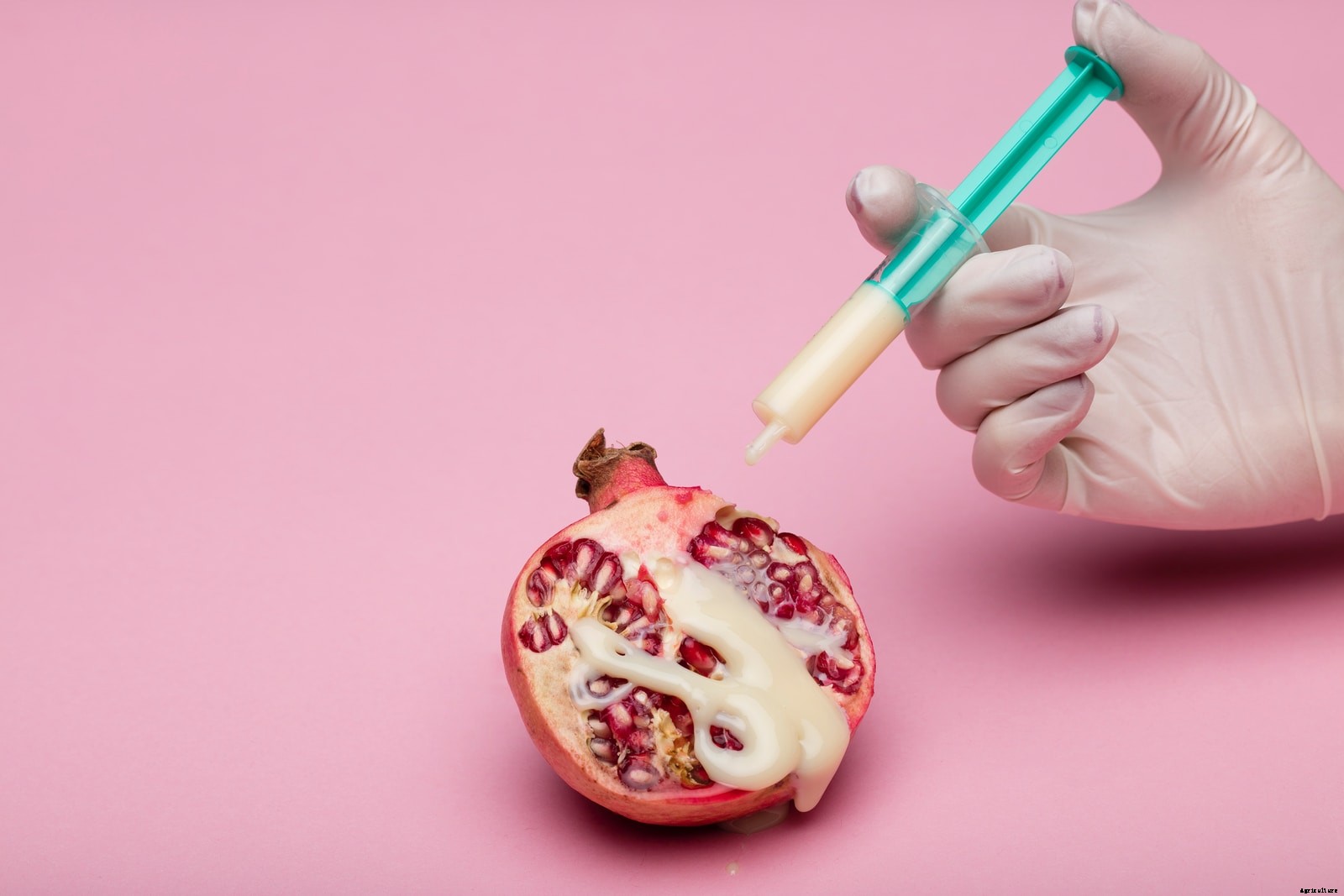
Instead of using a physical boar-sow pairing, artificial insemination uses the semen of a boar that isn’t always on the farm to inseminate sows.
The procedure makes it possible for a producer to access a greater number of superior boars than would otherwise be possible, while also significantly reducing the risks associated with natural mating, such as injuries, diseases spreading from boars to sows and the other way around, and the overuse of boars that may reduce the viability of semen. Before using artificial insemination, it is possible to assess the viability of the semen.
Additional benefits include a lower total cost of ownership and a lower chance of inbreeding due to the larger genetic pool available with artificial insemination compared with traditional breeding methods like keeping and feeding a “top of the line” high performing boar on the farm. There are also many sows that can be bred quickly, which provides the producer more control over breeding dates and the subsequent flow of pigs.
It’s possible for farmers to obtain semen by purchasing it or by raising boars on their own property. It’s important to remember that the semen is life and should be treated as such. In order to maintain viability, the temperature should be kept between 16 and 18 degrees Celsius from the time of collection till fertilization.
A professional crew should perform artificial insemination for the greatest results and to reduce stress in the handling. Identifying if the sow is ready to be inseminated would be the first step in the process. Once the sows are weaned, they can be kept with a pig for approximately 30 minutes a day and will be in what’s known as standing heat when they stand for the pig.
In order to detect heat, most farmers employ a teaser boar or pheromones. Signs of a sow being in heat include erect ears, a red and swollen vulva, a watery discharge from the vulva, and standing rock solid when back pressure is applied. Her interest in the boar will grow, and she will begin to mount other females. The duration of heat is usually between 36 and 72 hours.
During insemination, having a pig close by is beneficial. Iowa Pork Industry Center says that by causing the sow to move the semen into the reproductive system and minimize flow back, this will help with insemination by promoting a strong oestrus response in pigs.
Farmers are advised by the Institute of Modern Pig Production to use a dry paper towel to clean the vulva after it has been cleaned with a wet one. Using the left hand, gently open the vulva lips and insert the catheter upwards at a 45-degree angle using the right hand to avoid the bladder. It should then be delicately moved upwards until strong resistance is encountered. Catheters that lock into the cervix require rotation in the opposite direction.
There shouldn’t be any issues with semen flowing freely once connected to the catheter. This assumes that the catheter doesn’t require you to press on the semen bottle first before it begins to flow freely. If the resistance is caused by a peristaltic wave in the uterus, then it should be tolerated for the time being.
However, it could take up to five minutes to complete the process instead of the normal two to three minutes.
In order to maintain uterine contractions and maximize semen uptake, the catheter should be maintained in the sow for an additional five minutes following insemination. Ending insemination with a doubled-over catheter and threading the bend through to the hole at the flat pack’s end prevents semen from flowing backward.
The time, inseminator, and insemination quality should all be recorded so that the effectiveness of the operation may be analyzed afterwards. Any anomalies, such as vaginal bleeding, should also be noted at this stage.If a sow is still in standing heat, she can be inseminated a second time.


