
Welcome to Modern Agriculture!

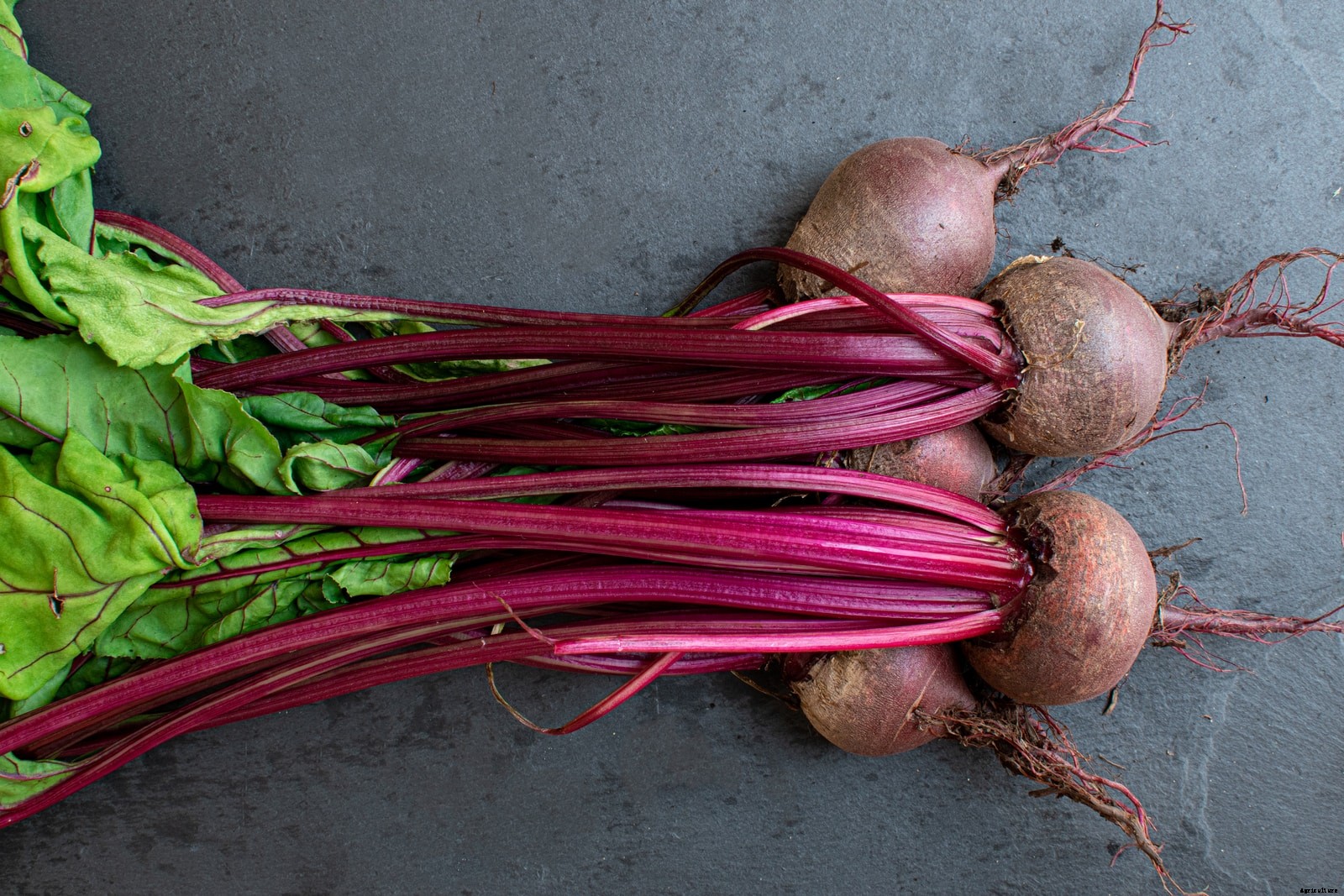
Beetroot produces heart-shaped leaves on a short stem of 10 to 15 cm during the first year of harvesting, as well as the enlarged roots known as beets, for which it is primarily grown. If left in the ground for the second year of growth, it will blossom and yield seed.
Beetroot leaves are high in vitamin A and can be boiled to make a nice spinach substitute. Vitamin C and antioxidants are abundant in beets. They can be cooked and served as a salad either warm or cold.
The ideal soil type is sandy loam, and It’s best to avoid heavy clay soils. Soils with a pH of less than 6 are inedible. A pH of 6.2 to 6.8 is ideal for growing beetroot.
Before planting beetroot, make sure the soil is ploughed, cleansed, and leveled. Composts and manure should be ploughed in at this time, and the soil should be mixed to a depth of around 300 mm. Hand or machine ridges can be used to prepare the planting space. Ridges should be between 200 and 250 mm wide and 1200 mm tall.
Beets are a cool-climate vegetable that thrives in temperatures between 14 and 20 degrees Celsius. Temperatures below 5°C and above 26°C cause the beets’ growth and development to be slowed. Mild frost can kill them, but it affects their foliage, which hinders their underground growth and development.
Beetroot ‘Boltardy’, Beetroot ‘Chiogga’, Beetroot ‘Kestrel’, Beetroot ‘Cylindra’, Beetroot ‘Pablo’,Beetroot ‘Red Ace’, Beetroot ‘Blankoma’, and Beetroot ‘Globe 2’


