
Welcome to Modern Agriculture!

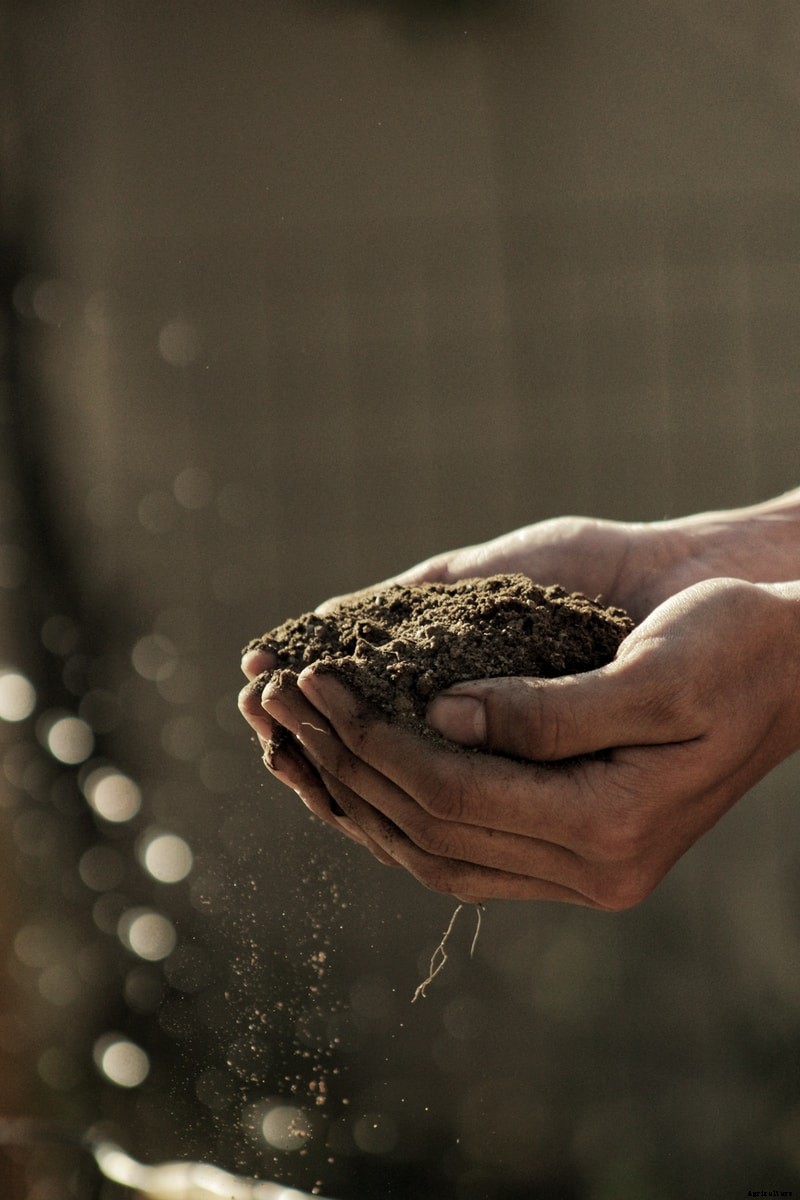
Nowadays in South Africa, we are more inclined to pick food made from organic grains and clothing made from organic materials, as organic agricultural products are regarded to be healthier than conventional agricultural products.
Simply put, organic agriculture, also known as organic farming or ecological agriculture, is a technique that limits the use of pesticides on crops and maintains the mineral elements in the soil in an unpolluted state.
It has numerous potential benefits for our lives. To begin, it effectively preserves the soil’s quality over time. Restriction on chemicals such as pesticides and chemical fertilizers can help prevent soil pollution caused by human activities, ensuring that the crops grown on it do not pose a health risk. Additionally, organic agriculture’s crop rotation technique maintains rich soil. According to certain studies, fertile soil can aid in the production of crops that are high in nutrients that are beneficial to our health, particularly food. It is said that foods grown without the use of chemicals have a greater flavor. Additionally, healthy soil can help mitigate the danger of destruction from certain natural calamities, such as drought or flooding. It appears to have become more resilient to external attacks than chemically fertilized soil, just as a robust individual is rarely afflicted with colds.
Organic agriculture, however, has a number of shortcomings. Organic foods and products are slightly more expensive than conventional foods and supplies. Many people would balk at the prospect of choosing organic over conventional items, despite the fact that organic is healthier. Another issue is the demand for labor. Organic agriculture typically requires more labor than conventional agriculture, which results in a higher cost of output.


