
Welcome to Modern Agriculture!

Introduction to Organic farming in Rajasthan: Organic farming is agriculture that makes healthy food, healthy soil, healthy plants, and a healthy environment, along with crop yields. Organic farmers use biological fertilizer inputs and management methods such as cover cropping and crop rotation to improve soil quality and build organic soil material. By increasing the amount of organic matter in the soil, organic farmers increase the soil’s ability to absorb water, reducing the effects of droughts and floods. Improving soil organic matter also helps absorb and store carbon, and other nutrients are needed to grow healthy crops that are better resistant to pests and diseases. Some of the essential features of an organic system include the design and implementation of an organic system plan that describes the methods used in the manufacture of crops and livestock products.
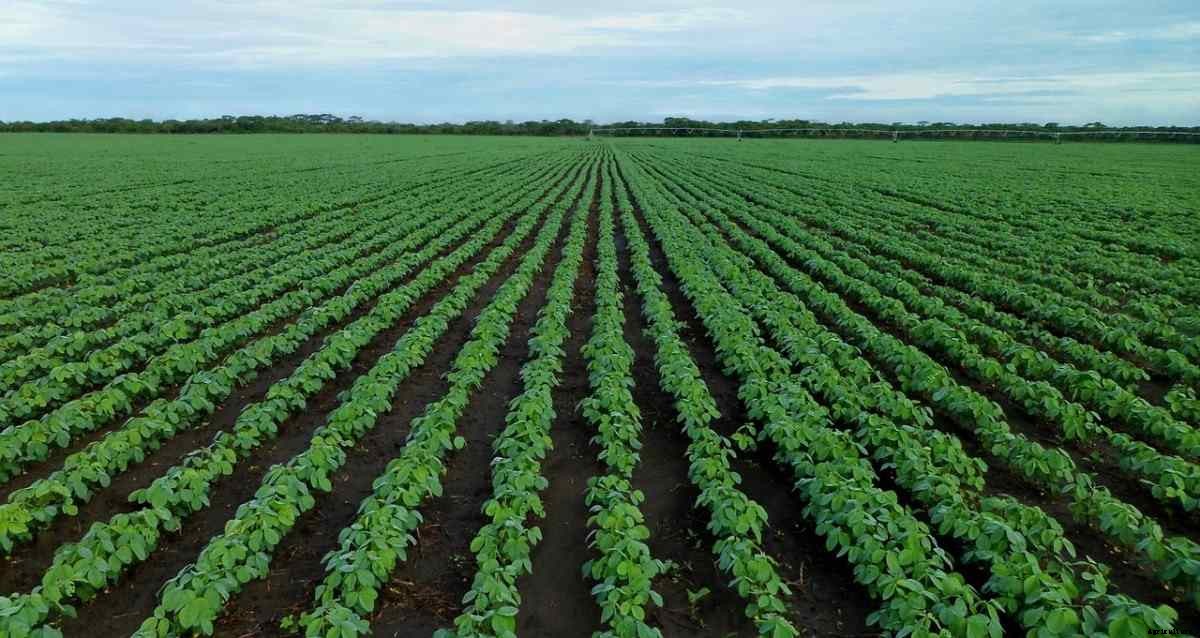
Organic farming works by nature. This is accomplished by the use of agricultural, biological, and mechanical methods, where possible, as opposed to the use of synthetic materials to accomplish a specific function within the system. Organic farming is a method of farming that works at the grass-roots level, preserves soil productivity and creativity there, maintains good plant nutrition and proper soil management, and produces nutritious food, vigor, and disease. Organic farming is a labelling term that identifies products that feed are manufactured according to specific standards during the production, handling, processing, and marketing stages, and are certified by a properly formed certification body or authority. Therefore, an organic label is a process claim instead of a product claim. This simply means that products follow set production and handling standards, and surveys show that consumers see organic labels as a sign of purity and care. The climate of Rajasthan is different. Based on average rainfall, average temperature, soil type, etc., the state is broadly divided into 10 arid, semi-arid, sub-humid, and humid agro-climatic zones.
Organic farming is a method, which involves planting crops and naturally raising animals. This includes the use of natural resources that avoid artificial materials to maintain soil fertility and maintain ecological balance thus reducing pollution and degradation. It relies on environmentally balanced agricultural policies such as crop rotation, green manure, organic waste, pest control, and mineral supplementation, etc. Organic farming maintains the health of people, soil systems, and ecosystems, depending on the ecological process and biodiversity that adapts to local conditions, rather than using the adverse effects.
The objectives are to create awareness among consumers about organic products, their benefits, and availability, etc., to encourage farmers to promote organic farming and increase consumer demand for organic products, to encourage consumers to move towards organic products and sustainable consumption.
The aim was to promote organic consumption in the Rajasthan by raising awareness on generation, sensitivity, and activities in promoting organic farming consumption in Rajasthan (India) to cover Jaipur, Dausa, Udaipur, Chittorgarh, Pratapgarh, and Kota that are the major agricultural districts in Rajasthan. The objectives are as follows;
The following objectives are kept in mind to formulate a strong organic policy.
Some of the major benefits of organic farming that are being experienced around the world
Rajasthan government to promote organic farming: The state government will allocate one block each in 11 districts for organic farming for promoting organic farming in Rajasthan. The agriculture department has started the process of identifying blocks in 11 districts. To discourage the use of pesticides and fertilizers in agriculture, 11 blocks in 11 districts will be converted to fully organic farming and some of the identified districts are Dungarpur, Banswara, Jhalawar, Pratapgarh, and Udaipur. Currently, organic farming is being done in about 60,000 hectares of land in the state. Some efforts are being made to encourage farmers to adopt organic farming.
The government is trying to convert large chunks of land from pesticides and chemical farming to organic farming. If organic farming is done on a small plot of land, adjacent cultivation using chemicals and pesticides can affect its organic nature. Promoting organic farming throughout the block will help in this cause. To encourage farmers to engage in organic farming, the Department of Agriculture has identified four farmers in the state for organic farming.
Organic agriculture in Rajasthan – The districts in Rajsthan which have the potential for organic production are Jaisalmer, Barmer, Jodhpur, Jalore, Pali, Sirohi, Dungarpur, Nagaur, and Jhunjhunu. Only 56,106.747 hectares (excluding wild) land are under organic certification in Rajasthan.
Certified Area – 69,750.31 hectares
In-conversion Area – 141369.60
Total = 211,119.91.
Any management practice in soil theory such as manure, crop rotation, cultivars, and irrigation which leads to a large increase in yield should increase soil organic carbon as increasing carbon production results in more biomass production. In addition, an increase in yield is achieved through crop intensification methods such as double cropping; opportunity cropping, and multiple crops increase soil carbon. Sandy, saline, alkaline, and chalky (calcareous) are the soil types available in Rajasthan. Also, clay, loamy, black lava soil, and nitrogenous soils are found in some areas.
Maintaining the stable supports more input of organic matter and thus buildup of carbon stock. Increased soil surface protection from rains supports less erosion and thus less carbon loss from topsoil. Stubble mulch can increase the production of biomass resulting in higher yields and thus higher input of organic matter. The higher the crop intensity / the higher the declining input of organic matter, the more it supports the construction of carbon stocks. The input of organic amendments like compost, worm castings, compost, and recycled organic matter increase carbon stock through direct impact as well as improved production. The use of manures, irrigation, high yielding varieties, improved rotations including the inclusion of legumes in crop rotation all increase crop yield per unit area of land and thus increase organic matter production.
There are many opportunities in Rajasthan for the organic sector. The focal points of these opportunities are as follows;
In case if you miss this: 1 Acre Fencing Cost In India.
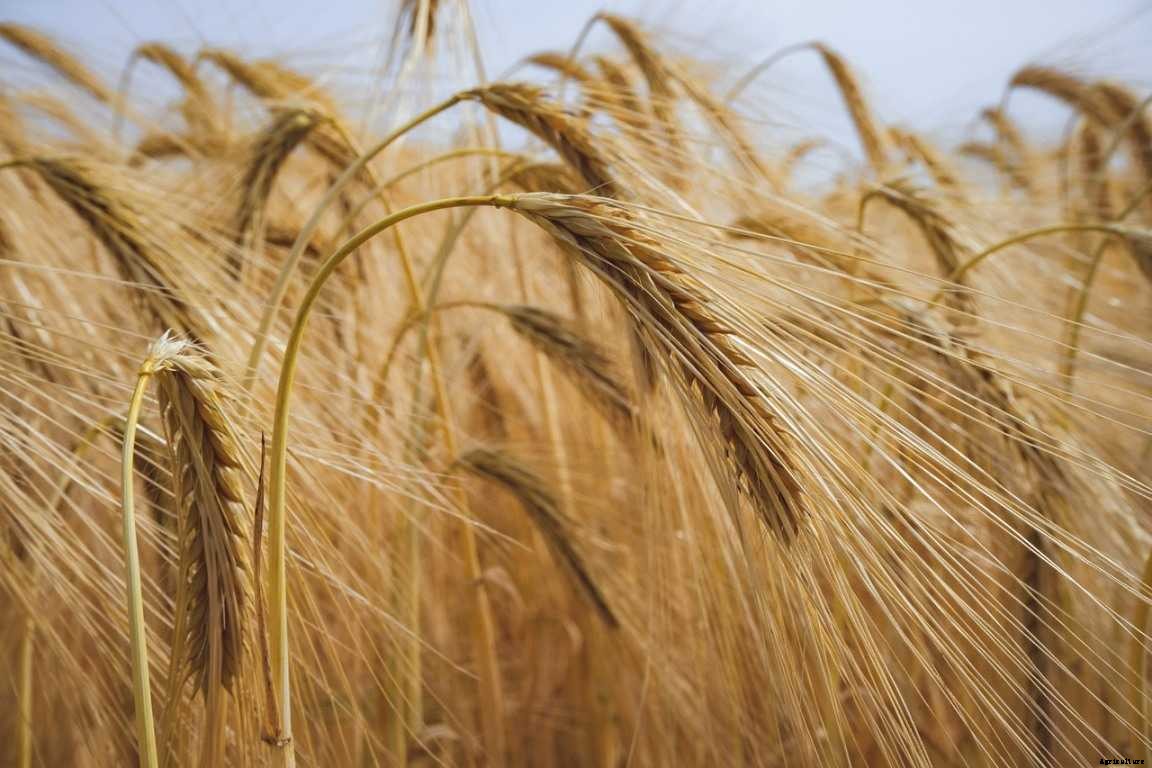
Organic farming has become very important in recent years as the general public has become more aware of the ill effects of so-called traditional farming. People now want to use products that are healthy and free of chemicals and pesticides and they are willing to pay a little extra for this type of product. All this is to be done without affecting the productivity of the crop or the system. In organic systems, the goal is to change the production system so that pests do not find plants, which are controlled by natural enemies (biological controls), and their damage is kept to a minimum.
Strong, healthy plants can withstand damage caused by arthropods and diseases. Therefore, healthy soil and healthy plants are the basis of organic production. Organic farming production systems adopt agricultural methods that rely on beneficial plants and animals with proper soil and crop management to maximize soil health and save the crop environment. Practices adopted under organic farming are sustainable and gradually develop a system where the majority of insect pests are managed by their natural enemies, beneficial insects, predators, and parasitoids of insect pests.
The general principles of pest management in organic production are the use of natural enemies (biological control), cultural practices such as crop rotation, intercropping, sanitation, resistant varieties, biodiversity conservation, or farm scaping (survival). habitat creation (and reproduction of beneficial organisms), proper planting dates, and plant spacing, good soil management practices, and organic pesticides such as botanicals (neem oil, neem cake) and microbes to increase the chances. (Bacillus thuringiensis (Bt), and insect parasitic fungi like Metarhizium, Beauveria, etc.
In Rajasthan, organic certification is a process for organic food producers and other organic agricultural products. Requirements vary from country to country and usually include a set of production standards for growing, storage, processing, packaging, and shipping, including;
1. Avoidance of synthetic chemical inputs (e.g. fertilizer, pesticides, and food additives), irradiation, and the use of sewage sludge.
2. Avoid genetically modified seeds.
3. Use of farmland that has been free of prohibited chemical inputs
4. Adherence to specific requirements for feed, housing, and breeding.
5. Detailed written production and sales record (audit trail).
6. To maintain strict physical separation of organic products from uncertified products.
7. Periodic inspection on site.
Organic Certification Requirements and Steps
1. Organic certification does not mean certification of organic crops but includes all the steps that take two to three years to convert a conventional farm to an organic farm. Furthermore, this does not mean that it is a certificate of production but includes land throughout the process, record keeping as per standards. Certification maintains traceability from production to final product sales to ensure the organic integrity of the produce.
2. RSOCA conducts field audits at different stages of the crop so that production, storage, processing can be verified as per the standards. If it is found that the said form is meeting the prescribed criteria, the said field has been given organic status and the production of that field automatically becomes organic and a certificate of this effect is issued by RSOCA.
3. Once the certificate is issued, its organic status increases demand in the domestic/international market. The farmer will get a higher price for his produce in the market than the conventional produce. The farmer’s field becomes fully organic after a certain period. This period is called the conversion period. According to NPOP principles, the annual crop rotation period is 2 years, while for perennial crops it is 3 years. Areas where chemicals have not been used for many years and the farmer or farmer group can present strong reliable documentary evidence in this regard and satisfy the certification body. In this case, the CB may reduce the conversion period accordingly.
4. The certification process is a continuous process and after a specified period of change of 2 or 3 years, whatever happens, the farmer’s field acquires organic status and the registration must be registered every year even after getting organic status. Also, failure in which the said field does not meet the NPOP standards will result in the field losing its organic status and being restored to its traditional status.
5. The farmer who has been practicing organic farming for the past years is more interested and committed to continue organic farming methods with proper documentation in the farm dairy and chemical fertilizers, pesticides for crop management. The use of pesticides has been completely stopped and alternative arrangements have been made. Soil fertility (pit/insect compost) and natural herb spray can be applied for organic farming using locally available herbs, shrubs, medicinal plants, and their products in cow urine.
Step 1) A person (farmer/farmer group/processor/trader) who is looking for a certificate of organic farming for agricultural produce should make sure that his form is from the National Organic Program comply with production (NPOP) standards for organic crop production
Step 2) After that, the application submits in the mandatory format along with the fee and verification as stated by the NPOP (National Program for Organic Production).
A step 3) General standard for the production of the organic crop has been provided by the RSOCA (Rajasthan State Organic Certification Agency). After that, select the menu on the main page and click on Organic Certification then go to Organic Certification Requirements.
Step 4) Organic crop producers, who want to get organic certification, can apply to RSOCA for registration of their farms in individual organic operators and organic farmer groups in the following two ways. Select the individual docket zip, ICS docket zip, and download the relevant application form. The application should provide all the information as per the request of Rajasthan State Organic Certification Agency (RSOCA) such as name, address, contact person details, field location, and completion of group details, signing, and registration office.
Step 5) After the applicant is examined and accepted, a letter of offer (estimated fee for inspection and certification) and a copy of the agreement will be sent to the operator by the evaluator. In cases where the client cannot be accepted for certification due to technical reasons, the concerned persons will be informed. The operator is registered on Trace Net.
Step 6) Fixed registration fee, field inspection fee, one-time travel cost should be paid with the application form along with the applicant. Upon receipt of payment, in consultation with the operator, the date of inspection is fixed and an inspection warning letter is sent along with a copy of the form record and a copy of the NPOP standard.
Step 7) The inspection will be done on the last day and a signed copy will be provided to the contract operator. A copy of the inspection report will be handed over to the operator at the time of inspection. The detailed inspection report is submitted to the evaluator. The last date of corrective measures is entered in the traced net with large and minor inconsistencies with the detailed crop list for the individual operator.
Step 8) For the group’s farmers, CB verifies the data entered into the traced net by the group and also records large and small inconsistencies with the deadline for corrective action. Upon receipt of the full payment, the appraiser reviews the operator’s file and submits it to the Certification Committee. The Certification Committee makes a final decision based on the corrective action taken by the operator against the inconsistency in the inspection report. The quality manager will prepare the certificate through trace net and send it to the operator.
Step 9) To use the Certification Agency logo, the operator has to send an application to the office that will be sent to the operator after the approval of the Certification Committee as per NSOP. The draft labels are sent to the certification agency’s office for verification before printing.
How about this: How To Start Organic Farming In Maharashtra.
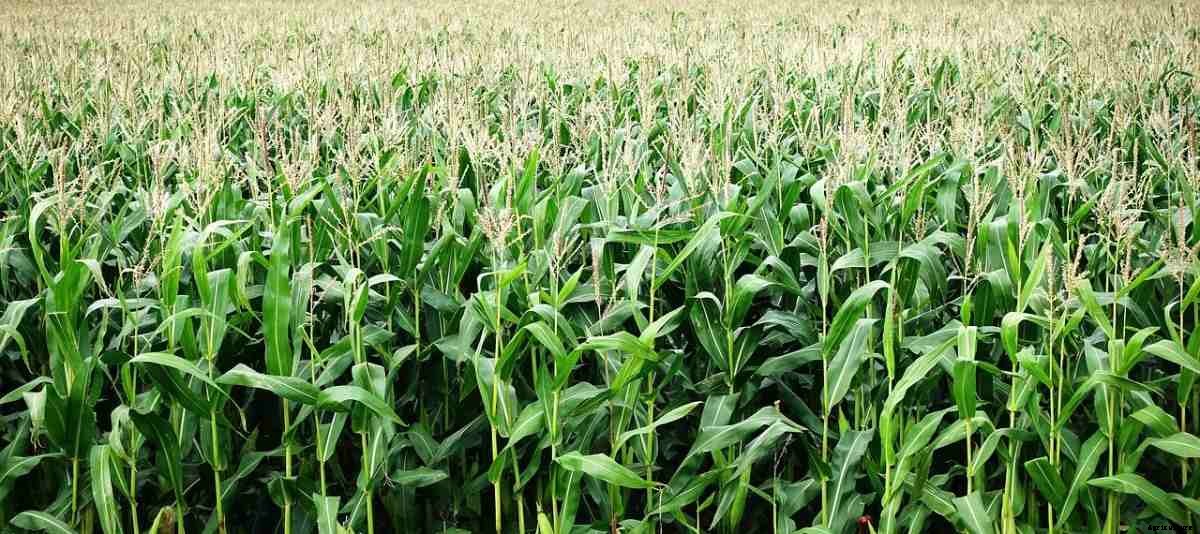
Rajasthan Agriculture policy schemes of the government emphasize soil and human health, sustainable agriculture, and environmental protection. Various schemes were running in the state to promote organic farming.
For the promotion of organic farming, Rajasthan Kisan Aayog advocated incentives and initiatives for the farmers of the State. Now, it is felt and desired that the state should have a clear policy on organic farming.
NPOP(National Program for Organic Production):
NPOP is a program under the Indian Government to regulate the licensing procedures of organic production, systems, standards, and certification bodies, to control the national (India Organic) logo and its use.
The scope of NPOP is comprehensive. This includes policies for the development and certification of organic products and national standards for these products and processes.
PKVY:
Implementation objectives for the promotion of organic farming;


