
Welcome to Modern Agriculture!

Introduction to starting organic farming in Andhra Pradesh, cultivation practices: Organic farming is an agricultural system that uses organic fertilizers such as compost, green manure, and bone meal and emphasizes techniques such as crop rotation and companion planting. It is a method of the farming system whose main purpose is to cultivate the land and grow crops in such a way that the use of organic waste (crop, animal and field waste, water waste) and others keep the soil alive and in good health. To be kept biological materials with beneficial microbes (bio-fertilizers) to release nutrients to crops to increase sustainable production in a pollution-free environment. The FAO advises that “organic farming is a unique product management system that promotes and enhances the agro-ecosystem, including biodiversity, the soil biological activity and mechanical methods in exclusion of all synthetic off-farm inputs”.
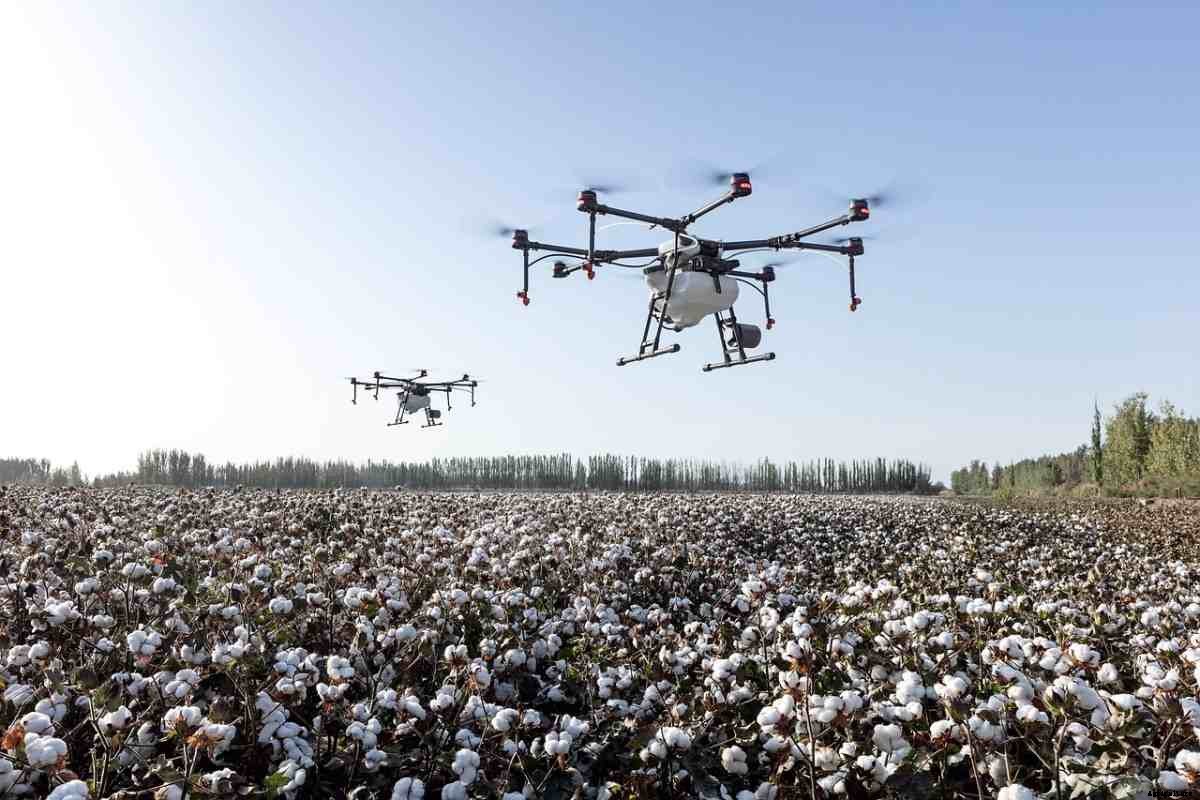
Organic farming makes healthy food, soil, plants, and an environment, along with good crop yields. Organic farmers use organic fertilizer inputs and management methods such as core crop and crop rotation to improve soil quality and build organic soil matter. Improving soil organic matter helps to absorb and store carbon, and other nutrients are required to grow healthy crops that are better resistant to some problems like pests and diseases.
Agriculture is the main source of livelihood for more than 60% of the population in Andhra Pradesh. About 19% of the state’s GOP is related to agriculture. The AP government is committed to formulating a comprehensive package and changing policy. To increase the income of farmers and make the sector competitive nationally and globally. In this regard, the Government of Andhra Pradesh plans to promote cost-input agriculture in the state in a wise manner.
Further organic farming will be strengthened in identified patches where agriculture is already organic by default, to take advantage of the production of organic produce which is in demand in the domestic and export markets. The government considered some strategies to promote organic farming in the state.
In Andhra Pradesh, 60% of the cultivated area is under rain-fed farming but the contribution of ion from this region is less than 40%, due to natural variations and poor soil fertility. Most farmers are small and backward. Organic farming will be promoted in rainfed areas where there is a huge gap between real and potential production. In Andhra Pradesh, rain-fed agriculture covers 6.4 million hectares. Organic farming is gaining momentum in Andhra Pradesh. Organic farming is gaining momentum, especially in the rain-affected areas of the state.
The net irrigated area in the state is about 3.6 lakhs hectares (40%) and it is a major contributor to the production of food grains in the state. The government is adopting an integrated approach to agriculture, which will not affect the state’s food production capacity. This is agriculture in which in addition to the rational use of inputs and recommendations according to the need of the soil, taking care of soft health is to take care of soft health in these areas through re-input and adoption or use of other organic methods.
Avoid the use of chemical inputs such as fertilizers and pesticides so that chemical residues do not contaminate the soil, environment, and groundwater. Increase / maintain biodiversity and diversity between plants and animals. Properly recycle available farm resources. Much depends on the environment and local farming systems to control pests and diseases. Organic farming requires less financial and external inputs and is more dependent on natural and agricultural resources as inputs.
The organic farming policy in Andhra Pradesh aims to promote the use of organic fertilizers and help farmers achieve higher yields and prices. It is an agricultural process, controlling pests obtained from organic fertilizers and animal or plant waste. Farming began to respond to environmental disasters caused by chemical pesticides and artificial fertilizers. It uses organic inputs like green manures, and cow dung, etc. Organic farming explicitly prohibits the use of synthetic or chemical fertilizers, herbs, and pesticides, genetically modified organisms, sewage sludge, and irradiation. The state government has set up a committee to formulate the Andhra Pradesh State Organic Farming Policy, which aims to promote organic farming in the state.
The government has decided to increase the area under organic farming in the state to protect biodiversity and agro-environmental protection. Its basic principles are based on the elimination of chemical inputs and the use of locally available resources to reduce farmers’ dependence on input purchased from the market that could put them in debt. The effects of natural farming methods have not yet been fully understood, but preliminary evidence shows an increase in income through increased yields and lower production costs in some crops.
The Andhra Pradesh government is emphasizing the promotion of organic farming in the state with the following objectives. To make farmers less dependent on the supply of inputs and to adopt the cultivation of crops from available local resources and thus make farming less expensive and profitable for proper use of water which is very valuable. To improve the depleted soil of rain-affected areas through organic fertilizers so that they can respond to inputs and perform better even in dry conditions. Reducing the debt burden of farmers and enabling them to achieve sustainable status and self-respect, increase rural employment opportunities and prevent migration to urban areas, and bring about sustainable institutional changes in organic farming.
A group of organic vegetable farmers from Vijayawada and its environs come together to form the Farmers Producers’ Organization (FPO), which is called “Go Adharita Prakruthi Vyavasaya Paraspara Sahakara Sangham” and sells vegetables and other agricultural products. Started selling under the brand name “Amaravati Organic”. Trained farmers will be given a certificate declaring them organic farmers. The basic idea of this project is to reduce expenditure in agriculture and increase the income of farmers. The project aims to promote natural fertilizers such as cow dung in agriculture and eliminate the use of chemical fertilizers and pesticides.
Andhra Pradesh is rich in a variety of soils. Soil classification in Andhra Pradesh;
There are five main types of soil in Andhra Pradesh. They are;
Organic farming begins with soil – Balance soil fertility to maintain organic farming practices, replenish and produce healthier and better-tasting crops. Organic farmers use an array of cultural and biological methods to build soil health, weeding, and pest management and increase biodiversity. Some examples of organic farming methods include;
Soil and water conservation methods in organic farming – Various soil and water conservation methods such as contour bunding, trenching-scooping, water harvesting, cultivation across the slope, and mulching, etc., are extremely useful in preserving nutrients on-site. Not following such methods to the detriment of organic farming is due to the loss of naturally available nutrients and loss of crop yields in the cut soil. These measures also help protect water. Preserving soil moisture contributes to more microbial activity, which in turn helps build organic carbon. Therefore, the practice of organic farming will be combined with different soil and water conservation methods. The government will encourage organic farming in all watershed development areas and finance soil and water conservation measures through watershed development programs.
Biological forms of fertilizers such as compost, animal manures, and the use of crops covered with pulses make up the soil organic matter, even when routine cultivation is used for weed control. The formation of soil organic matter increases soil water retention and nurtures more active soil microbial communities that retain nitrogen in the soil longer and convert it into non-leachable gaseous forms. That better soil quality affects the ability of crops to fight pests and to fight or eradicate plant diseases. Organic fertilizer sources release their nutrients slowly over time, providing more opportunities for nitrogen to be digested by soil organisms and taken up by crops before going below the root zone. Increased soil organic matter in the soil leads to rigorous nutrient cycling and the ability to hold more water in organically managed soils, resulting in half the nitrate emissions from groundwater to traditionally cultivated soils. Organic management causes a half-yearly nitrate leaching loss in fields compared to conventional management areas.
In case if you miss this: How To Start Poultry Farming In South Africa.
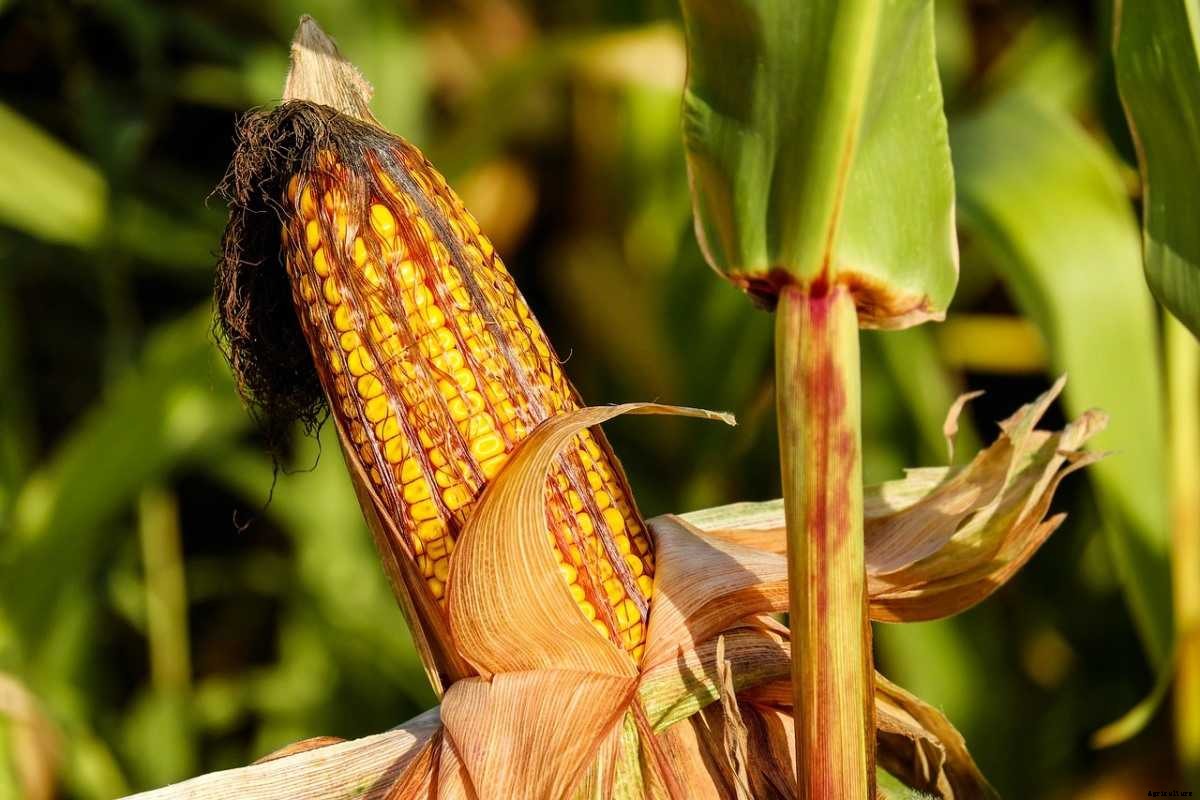
The following are some of the benefits of organic farming.
Important features of organic farming are;
How about this: Fish Farming In West Bengal.
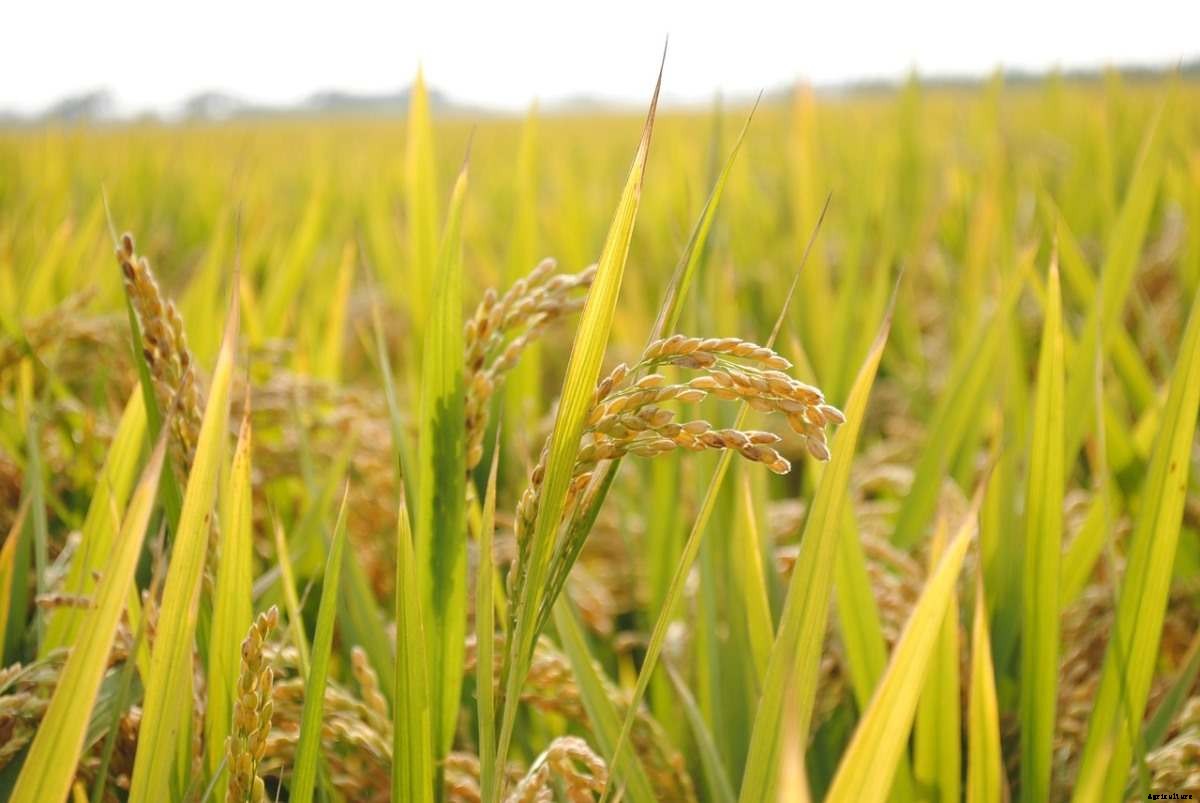
Rice is an important food crop and the staple food of the state which contributes about 77% to the total grain production. Other important crops are Jowar, Bajra, Maize, Ragi, Small Millet, Pulses, Castor, Tobacco, Cotton, and Sugarcane.
Horticultural crops include Peppers, Tomatoes, Mangoes, Papayas, Bananas, Flowers, and Coconuts, etc. Under animal husbandry, it produces fish and poultry products. 62% of its population is dependent on agriculture and allied activities. About 85% of its farmers are small and marginal. According to the National Sample Survey Organization, Andhra Pradesh has the highest share of the country’s indebted agricultural households, at 92.9% of agricultural households.
Some organic agriculture outcomes;
Organic farming can be promoted on a large scale in tainted areas where productivity is yet to be demonstrated and soil fertility needs to be improved. The government’s goal is to promote organic farming to ensure that quality and safe food is available for agri-rural communities, our urban areas leftover if any for export of the following,
Organic vegetable production has good potential because it has a good local market and is in demand by the people.
Organic farming systems rely on the management of organic matter to enhance the chemical, biological and physical properties of the soil. One of the principles of soil fertility management in the organic system is that plant nutrition depends on biologically derived nutrients. For this, plants need to release nutrients. Improved biological activity plays a key role in suppressing herbs, pests, and diseases. The addition of organic matter from agro-industries through crop residues, animal dung, green manures, bio-fertilizers, and bio-solids improves and enhances biological activity.
The basic requirement in organic farming is to increase the efficiency of input use at every stage of the farm operation. The development of many compost production technologies such as vermicomposting, microbial mediation, phospho composting, and N-enriched phospho composting, etc., improves the quality of compost by enriching it with additives.
In organic farming, pests are managed using cultural or agronomic alternatives, mechanical alternatives, biological alternatives, or organically accepted chemical alternatives. Organic farming generally involves biological or organically accepted farm forms such as Bio-formulations, Bioagents, Botanical formulations, traps, and lures, etc. The government will support inputs for farm production or local production of inputs needed for organic farming.
The Government of Andhra Pradesh is emphasizing the promotion of organic farming in the state with the following objectives;
Andhra Pradesh is a state with a highly diverse agricultural production system with long coastlines, diverse agro-climatic zones, diverse lands, natural vegetation, and farmers who work hard and have an innovative mind and thus organic possibilities have unlimited possibilities. Farming methods without affecting existing food production. The state has the potential to adopt organic farming and the government is planning carefully to take advantage of current opportunities.
Mango is being grown organically in some areas in Srikalam, Krishna districts. Similarly, Coffee in Visakhapatnam district, Soapnut, Amla, and medicinal plants in Prakasham districts are grown organically.
In Andhra Pradesh, tribal and forest areas are areas where cultivation is already underway without the use of chemicals and government. The aim is to convert them into organic areas and to plant medicinal, aromatic, and planting crops there as part of the area’s farming system.
The Andhra Pradesh Organic Development Board (APODB) will be set up with the primary objective of promoting the organic farming system in the state. APODB will coordinate with adequate human resources, bring scattered organic activity under one roof and lead the organic farming movement in Andhra Pradesh. APODB will liaise with all stakeholders for the overall promotion of organic farming.
The objectives of the Andhra Pradesh Organic Development Board are;
The main purpose of organic farming is to remove weeds. Weeds are an unwanted plant that grows with the harvest. Weeds Sticking with nutrients of the soil affected the production of the crop.
There are two techniques that solution to the weed;
Moving or cutting – Cut the weed in the process.
Mulching – In this process, farmers use plastic film or plants for residue on the ground surface to prevent weed growth.
The government will assist in the processing, packaging, and storage of organic products for export purposes. The Andhra Pradesh Organic Development Board will take all necessary steps to promote the export of organic products are;
It can be defined as the process of agricultural and natural products and is recognized in the markets as certified organic products. Overall, organic operations must report that they are conserving natural resources, conserving biodiversity, and using only approved substances. The main purpose of using all these methods is to protect the environment, improve biodiversity, minimize soil degradation and production to promote healthy environmental conditions.
The certification required for organic farming is “organic” and is an important part of organic farming. A set of guidelines must be followed to obtain organic certification. To obtain organic certification, synthetic chemical devices such as fertilizers, feed additives, pesticides, antibiotics, and genetically modified seeds should be avoided. Certified organic producers proceed without risk because they have certified organic products.
Requirements change from country to country and include a set of production standards for growing, storage, processing, packaging, and shipping that includes;
1. Avoid the use of synthetic chemical inputs (such as fertilizers, insects, pesticides, antibiotics, food additives), irradiation, and sewage sludge.
2. Avoid genetically modified seeds.
3. Use of farmland that has been free of prohibited chemical inputs for many years (often, three or more)
4. Adherence to some specific requirements for livestock, feed, housing, and breeding.
5. Physical separation of organic products from uncertified products.
6. Periodic inspection on site.
Organic food products manufactured and exported from India are marked with the India Organic Certification Mark issued by APEDA.
National Organic Production Program (NPOP) – The NPOP certification is a system of process certification in which an independent organization reviews the entire production, processing, handling, storage, and transportation process to ensure compliance with organic standards.
NPOP or National Program for Organic Production is a program under the Government of India that provides the licensing procedures for organic production, systems, standards and certification bodies, the national (India Organic) logo, and the rules governing its use. The NPOP regulations are in line with other international standards for the import and export of organic products.
The NPOP includes the following;
Obtaining NPOP certification means that you can sell your organic products under NPOP supervision, and you can enjoy all the benefits associated with it. Also, the sale of certified organic products ensures that consumers are buying and using authentic organic and healthy food products. The main objectives of NPOP are as follows;
BPKP (Bharatiya Prakrit Krishi Padhati
Under PKVY’s Bharatiya Prakritak Krishi Padhati (BPKP), natural farming has been promoted to encourage the use of natural inputs on farms for chemical-free farming. Andhra Pradesh has taken over 1 lakh hectares for the promotion of natural agriculture under BPKP. To promote traditional indigenous methods, the government is implementing the Bharatiya Prakritik Krishi Padhati (BPKP) from 2020-21 as a sub-scheme of the Paramparagat Krishi Vikas Yojana (PKVY).
The scheme emphasizes the elimination of all synthetic chemical inputs and promotes biomass recycling on farms with great emphasis on biomass mulching; the use of cow dung urine formulation for plant-based preparation and the periodic application of soil for aeration.
Under BPKP, financial assistance of Rs. 12,200 per hectare is provided for cluster formation, capacity building, and continuous handling, certification, and residue analysis by trained personnel. Natural farming is promoted as BPKP.
About PKVY (Prampragat Krishi Vikas Yojana) – The PKVY major project is a detailed component of the National Mission on Sustainable Agriculture (NMSA) Soil Health Management (SHM). Under PKVY, organic farming is promoted through a cluster approach and the adoption of organic villages through PGS certification. The concept of the scheme is to promote commercial organic production through certified organic farming.
Program Implementation – Under the scheme, 50 or more farmers will form clusters of 50 acres for organic farming. Thus, 10,000 clusters will be formed over three years, covering an area of 5.0 lakh acres under organic farming. Farmers will not be liable for the cost of certification. One lakh rupee will be provided to each farmer. 20,000 per acre in three years for harvesting seeds and bringing products to market. Organic farming will be promoted through traditional means and organic products will be linked to the market. This will increase the certification of domestic production and organic production by involving farmers.

