
Welcome to Modern Agriculture!

Introduction to organic farming in Uttar Pradesh: Agriculture is said to be the backbone of Uttar Pradesh’s economy. Agriculture provides about 59% employment to the people of the state. Organic farming in India is a widely used strategy for the production of food crops and livestock, including the idea of not using fertilizers, pesticides, genetically modified organisms, antibiotics, and growth hormones. Organic farming in India is a comprehensive framework aimed at maximizing the profits and well-being of various networks within the agricultural environment. The main purpose of organic farming in India is to create projects that are environmentally sound and sustainable.
Organic farming in India is an agricultural strategy that involves the use of organic information sources and a reduction in the measurement of synthetic substances. The basic idea of organic farming is to provide food with maximum nutritional value using only permitted substances. This principle requires 100% natural fodder for livestock and its further processing without artificial products.
Organic farming is a system of farming that maximizes soil fertility through the maximum efficient use of local resources. It relies on a variety of ecological farming methods aimed at minimizing the environmental impact of food production, preserving the long-term sustainability of the soil, and maximizing the use of renewable resources.
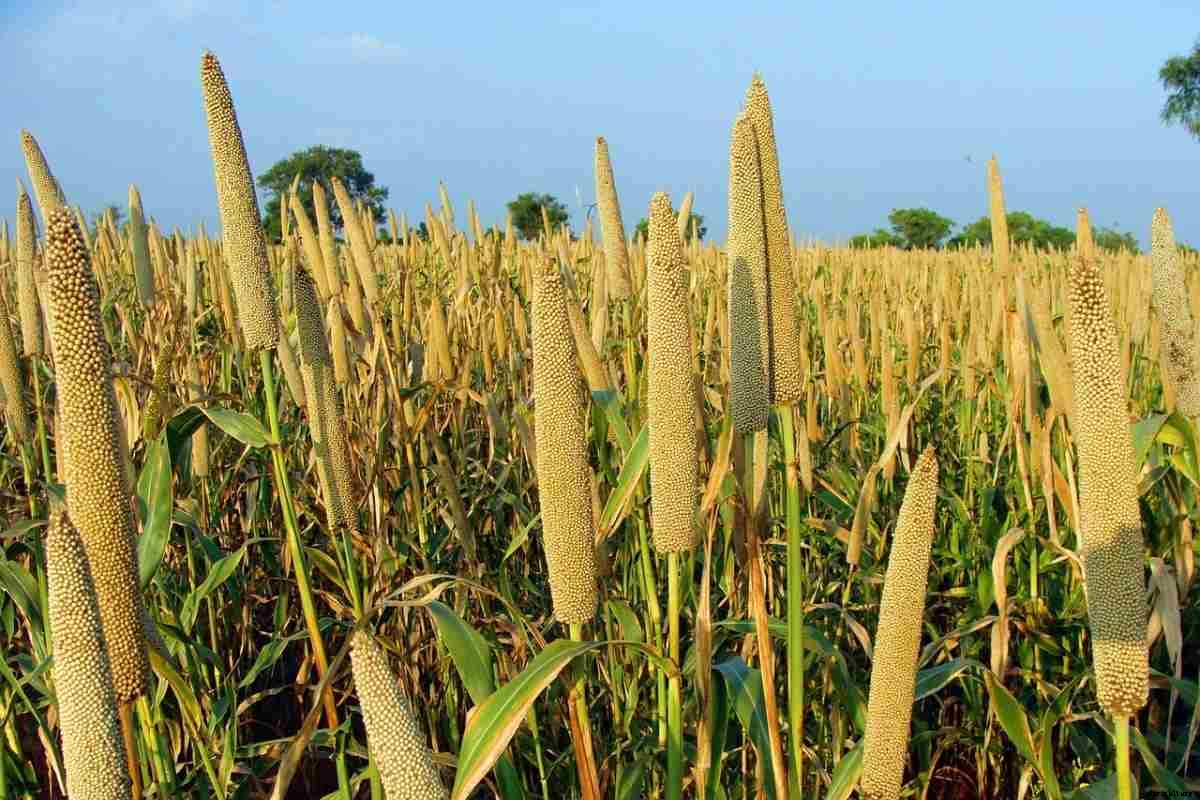
Basic methods of organic farming include crop diversification, polyculture, promotion of beneficial soil organisms, crop rotation, companion crops, production of agricultural inputs in their fields, animal husbandry, pest repellent plants, including biological pesticides and herbicides, insect traps, physical barriers, water storage, etc. The climate of Uttar Pradesh is mainly sub-tropical, but climatic conditions vary considerably with location and climate.
Some of the benefits of the concept and methods of organic farming are;
Some of the salient features of organic farming are;
For managing soil productivity, organic producers face unique challenges. Organic farmers rely on intuition and observations, traditional soil tests, and their own experience to make decisions about the amount and application of soil modification. As a result, there is a dramatic change in both the number of nutrients used and the resulting soil fertility in organically managed fields. Organic farming systems are designed to retain nutrients in organic reserves or biologically available mineral forms, rather than simply providing nutrients through frequent fertilizer additions.
Under agro-climatic zone IV, the soils of the region are derived from alluvium-derived soils. The soil is smooth and rich in organic matter. The dominant clay landscapes, which represent the northern plains, consist of mildly sloping lands. The soil is highly calcareous in some areas. Soil is generally neutral in reaction and contains moderate soils and low organic carbon content. Traditionally rain-fed and irrigated agriculture are common. The major crops grown are Rice, Maize, Peas, Millet, Pearl Millet, Peanuts during Kharif and wheat, Bengal gram during Rabi season, Green Peas, Rapeseed, and Mustard, and Lentils. Sugarcane is an important cash crop.
Understanding the soil – The soil is considered the foundation of your farm. Everything from its appearance, well-being, and equality are responsible for the productive outcome. Therefore, it is essential to know when and how to prepare your soil and create the best conditions for your crops to tolerate and thrive.
The site is key – The site plays a vital role in the success of any project. The location of an organic farm usually determines how the project will turn out. Organic farm sites must be close to clean water sources. If the water source is far away, it is more difficult to manage the irrigation process. For a newcomer, it’s hard to imagine, but it’s also important for the success of the project. The proximity of the farm to the market also plays a major role in the sustainability of the farm. The proximity of the farm to the market allows easy transportation of produce for sale. Also, it helps save on the cost of transporting materials to the farm. However, site selection should also be done with the purpose of an organic farm. If the form is not for commercial purposes, the role of these factors is likely to be diminished. The purpose of the form also determines its size.
Choose the suitable crop – Organic farming can grow only a few crops, organic farming yields low yields, and it is very difficult to manage pests and diseases without chemical sprays. These were some of the myths about organic farming. Agriculture began with organic farming. No chemicals were used before 60 years. Chemicals used in agriculture are scientific inventions of scientists. During this time, people used to grow all crops after a completely organic method. Therefore, at present, we can grow any crop organically. Even paddy that requires high amounts of water and chemical fertilizers can be grown organically. This is the success story of organic paddy. However, it is always advisable to grow the crop according to geographical, soil, and environmental conditions. Look around you and see what other farmers are growing. Keep regular notes on market prices and choose items that are well priced and you can make a good profit at the end of the season.
in case if you miss this: How To Buy Agricultural Land In Tamil Nadu.
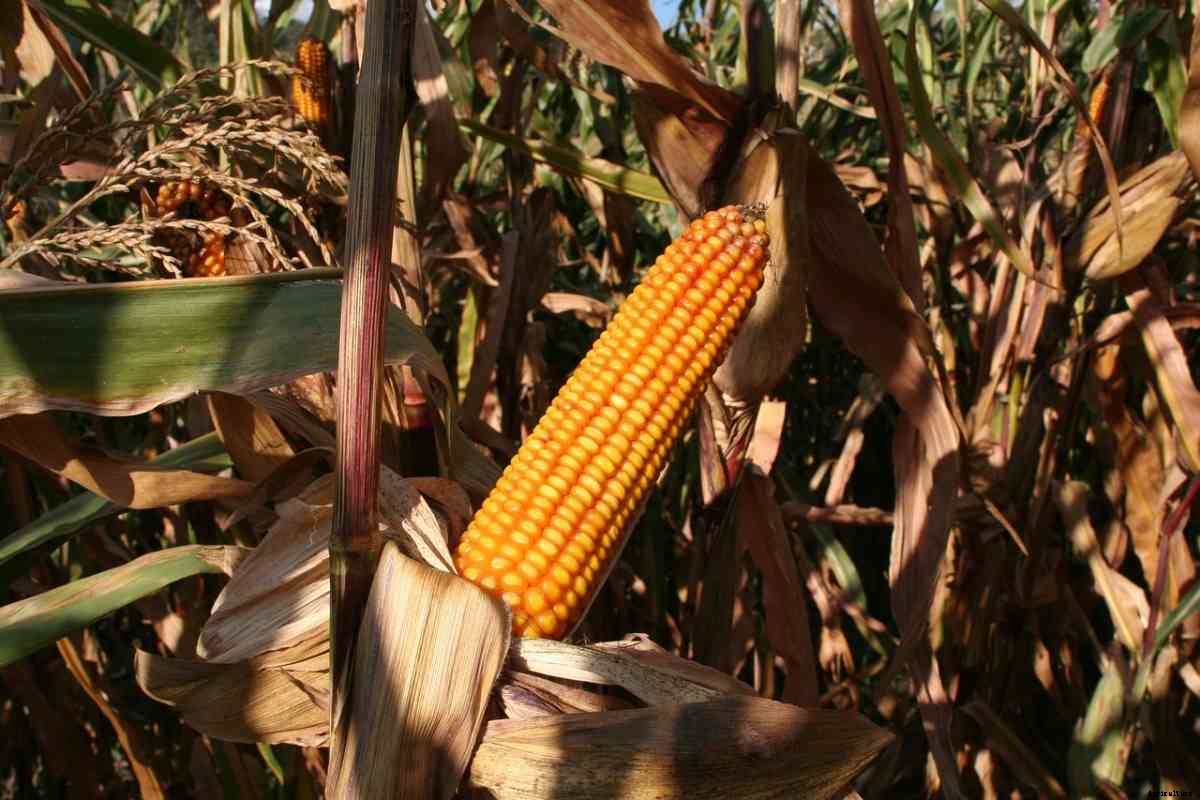
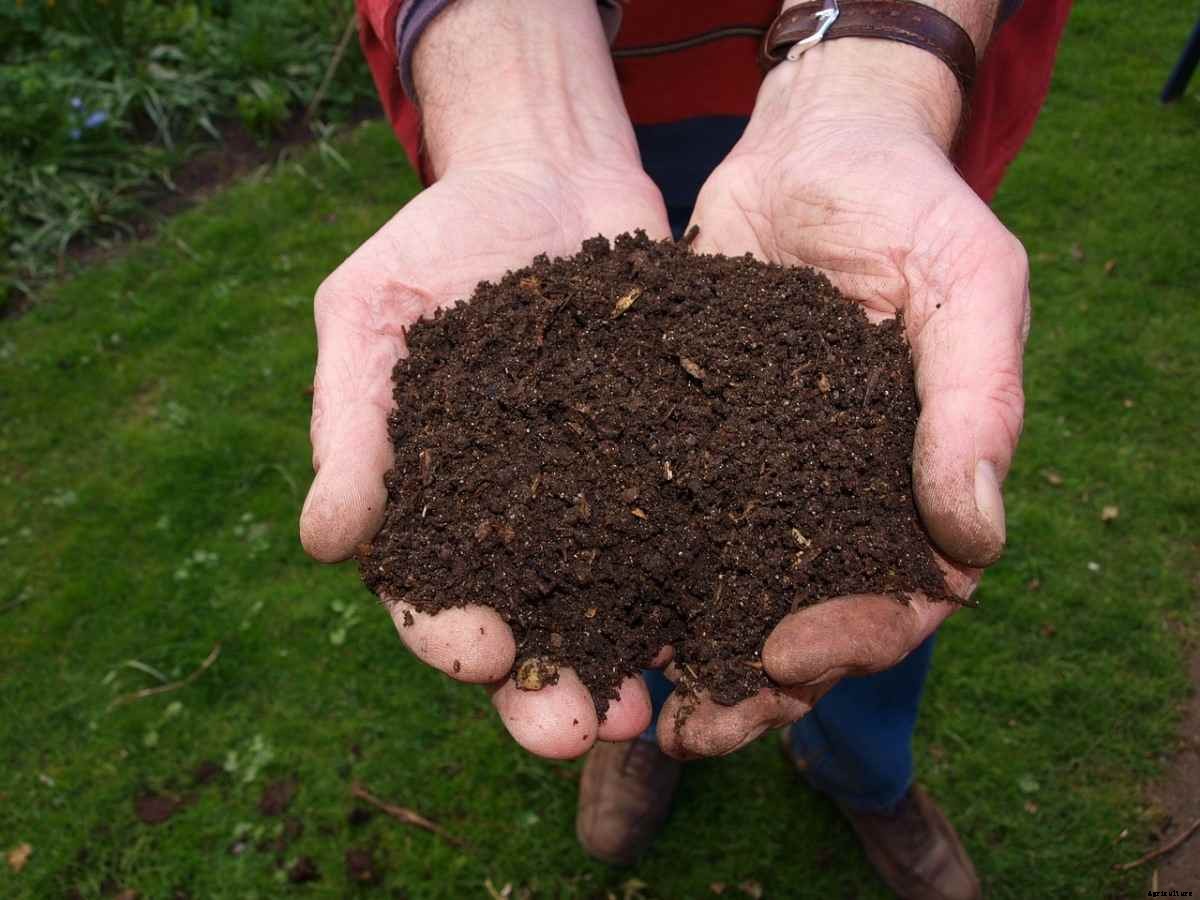
Prepare the soil and make good compost – All good organic farm production starts with good soil. The soil condition directly complements the plants that grow in it. Treating inorganic soils can potentially harm the environment, including plants that grow in the soil, as well as consumers who eventually consume food. Good soil means soil with essential nutrients for plant growth. Good soil is a mixture of compost, leaves and grass clippings, and fertilizers, among other important compounds. Farmers generally benefit when they make their compost onsite. Compost helps conserve water, cut weeds, and keep waste away. This step is important when starting a farm.
Take care of what you plant – Growing crops is a long process. Organic farming takes time and requires more attention than conventional farming. Some techniques need to be considered in terms of plant and farm conditions. Also, an organic farming technique does not necessarily work for all the plants on the farm. Water is necessary for plants’ growth. Regular watering is essential for plant growth. Typically, plants are watered 2-3 times a day, depending on their type as well as where they are being grown. Watering the plant in the morning is very useful as it is cool in the morning. Because of this, the water does not evaporate rapidly. Weeding is another important maintenance task. Herbs grow in good soil and these undesirable plants get nutrients that are meant for crops.
Organic manure – Green fertilizers help promote high soil structure and soil fertility. They provide organic matter, an extra measure of nitrogen, especially if you are going to grow vegetables.
Compost – New deposits can be accumulated from fields and household residues, can be accumulated and can be converted into the air from time to time, and can be continuously degraded by reducing the carbon: nitrogen ratio.
You may also like this: How To Start Coconut Gardening.
Start looking for markets – If you have grown organic food on your farm and you do not know where to sell it after harvest, you will be in big trouble. Not all wholesalers need organic food. And if they are willing to buy from you, they will not offer a special price for an organically grown product. So, once you think about organic farming, you have to have a clear idea of who the buyer will be. Once you have an idea on this front, it will be very easy for you to sell the product after harvesting.
Organic farming is a unique technique for cultivating plants and raising livestock in a completely natural way by using natural ingredients free from any synthetic inputs in the process. Organic farming uses artificial additives to produce healthier products than large-scale production, and consumers claim that the use of bio-based ingredients also improves the taste of organic food. Avoiding synthetic substances helps maintain soil fertility and maintain the delicate ecological balance of the grassland ecosystem, reducing pollution.
How about this: List Of Meat Sheep Breeds.
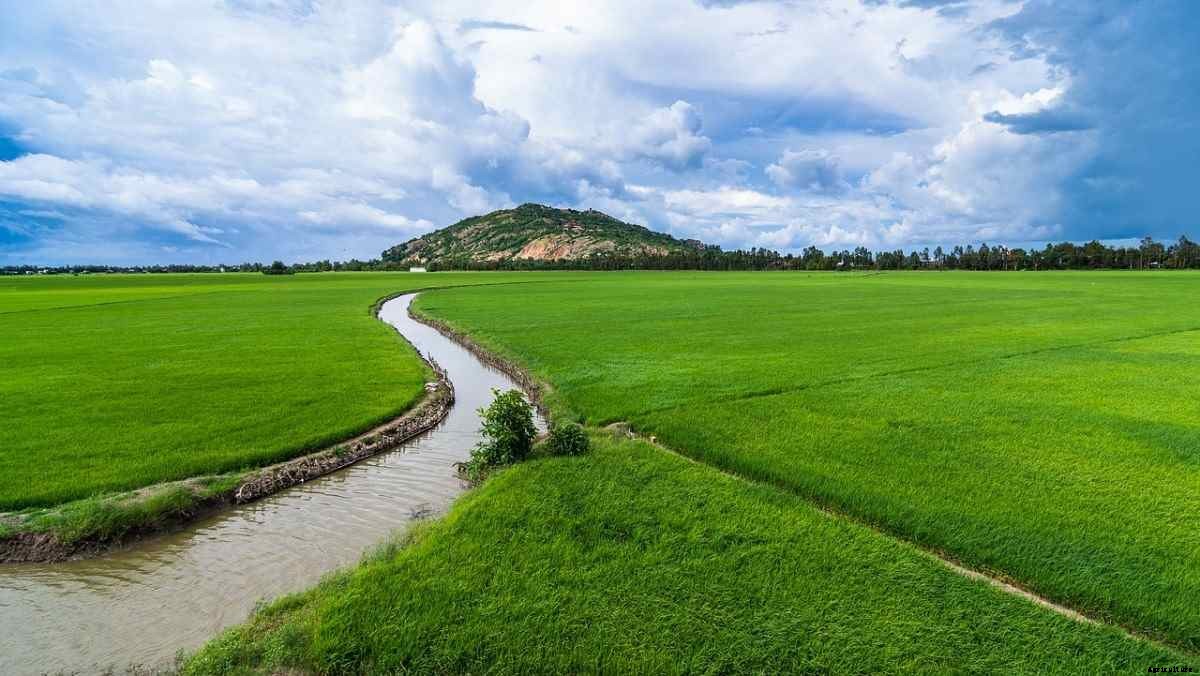
Government of Uttar Pradesh, Directorate of Agriculture has approved AFC (Agricultural Finance Corporation) as Support Agency for the implementation of Organic Farming under the Advanced Krishi Vikas Yojana (PKVY) in 138 clusters (2760 ha) of Chandoli District, which is one of the 25 Ganga basin districts under Namami Gange Project. These activities include mobilizing farmers, registering, uploading data on the PGS portal, farmer documents, training and capacity building, marketing assistance by arranging links with buyers and building brand, etc.
The Directorate has appointed the AFC as the Regional Council for Rendering Certification Services in 70 clusters with about 1400 hectares area in 5 districts; they are Gorakhpur; Deoria; Gonda; Balrampur; and Sidharthnagar.
The duration of the project is 3 years. Under PKVY, the AFC was allotted 60 clusters in Balia (one of the Ganga Basin districts under the Namami Ganga) by the government by the UP Diversified Agriculture Support Project (UPDASP) earlier this year.
PKVY is being implemented in all 25 Ganga Basin districts of Uttar Pradesh with the two objectives of reducing the production cost of farmers, arranging marketing links with farmers, ensuring consumers to be chemical-free organic products, and improving soil health by adopting traditional farming methods.
Why don’t you consider this: How To Start Organic Farming In Haryana.
As we mentioned earlier, conventional farming can be done with the use of chemical fertilizers and pesticides. There is no doubt that it shows results but it has negative effects on the environment as well as the human body. Therefore, to start organic farming, you should know how to make organic fertilizers and pesticides around your farm. The use of organic inputs will not leave any residue in the commodity and therefore it is safe for the human body.
Let’s look at some of the ways that organic fertilizers and pesticides can be made on your farm;
Replace DAP – Cow dung, cow urine, jaggery, with gram flour, fertile soil taken from nearby trees or rivers can act as an organic fertilizer that can replace diammonium phosphate (DAP). This mixture contains high levels of nitrogen and phosphorus and can enhance soil texture.
Micronutrient Mixture – Mixing neem powder, gram flour, jaggery, and waste soluble liquid (available in the market) can be a good micronutrient solution for plants and cure all deficiency symptoms.
Pesticide – Mixing and boiling the powder of neem tree branches or leaves and datura plant powder together can make highly toxic and concentrated organic pesticides. Once it is done, you can dilute it and spray it in the field.
The organic farming concept of agriculture relies heavily on alternative ways to control pests: prevention, construction of natural barriers, physical removal, and tackling insect attacks on their biological enemies (predators) such as the ladybug vs. aphids.
Procedure;
Eligibility – The product needs to be authenticated for two to three years to get the qualification certification. Though, the soil must meet the basic requirements of being free from the use of prohibited substances like synthetic chemicals for many years for the first-time certification. Though, a traditional farm must adhere to organic standards for this period. A valid organic certificate is valid for one year only, it has to be renewed every year.
It is defined as the certification process for producers of organic food and other organic agricultural products. Requirements change from country to country and include a set of production standards for growth, storage, processing, packaging, and shipping, including;
1. Avoid synthetic chemical inputs.
2. Avoid genetically modified seeds.
3. The use of farmland that has been free of banned chemicals for many years (often, three or more).
4. Adherence to specific requirements for livestock, food, shelter, and breeding.
5. Detailed written production and sales record-keeping (audit trail).
6. Physical separation of organic products from uncertified products.
7. Periodically inspect the site.
As the global population grow rapidly, the need for a more sustainable approach to food production became more apparent. Thus, the Paramparagat Krishi Vikas Yojana (PKVY) was launched by the Government of India in 2015 to produce food while maintaining ecological balance to prevent soil fertility or pest problems. PKVY aims to support and promote organic farming, which in turn improves soil health. It aims to develop agricultural products that are free of chemicals and pesticides by adopting environmentally friendly, low-cost technologies.
Key thrust areas of PKVY for promoting organic farming include;
Approach – To take advantage of this PKVY scheme, each group has 50 farmers ready for organic farming and their total area must be at least 50 acres. PGS certification enables farmers to verify their organic produce, label and market their products domestically.


